

Select dimensions in cm, mm, inches, ml, or oz and more — whatever fits your product.


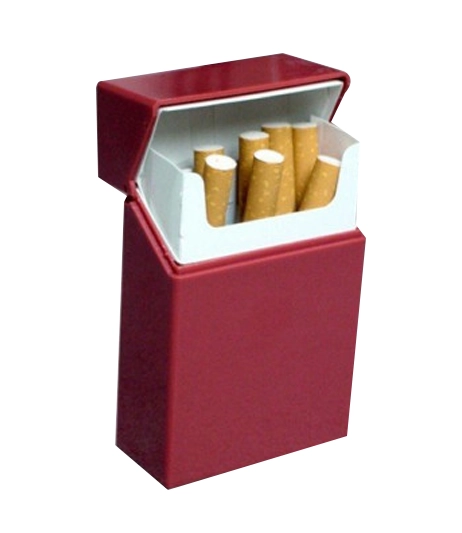
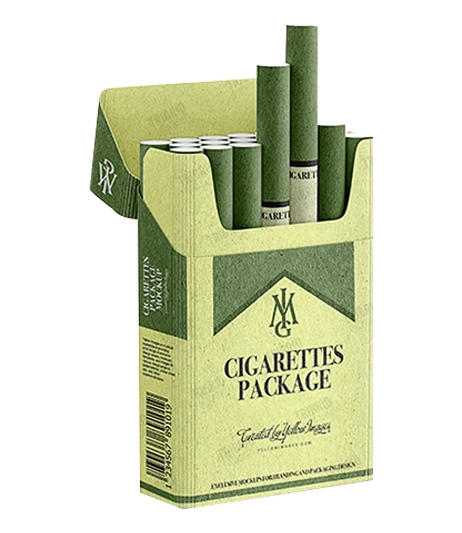
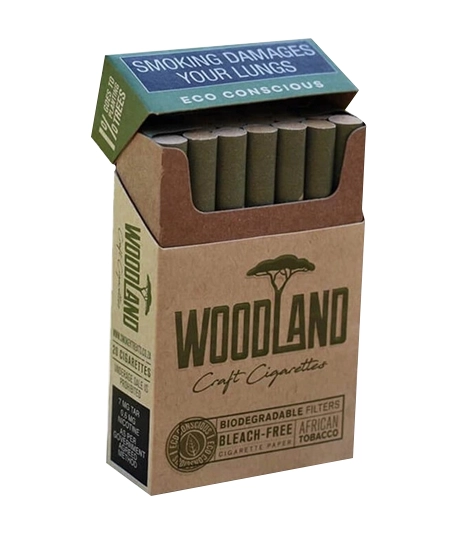

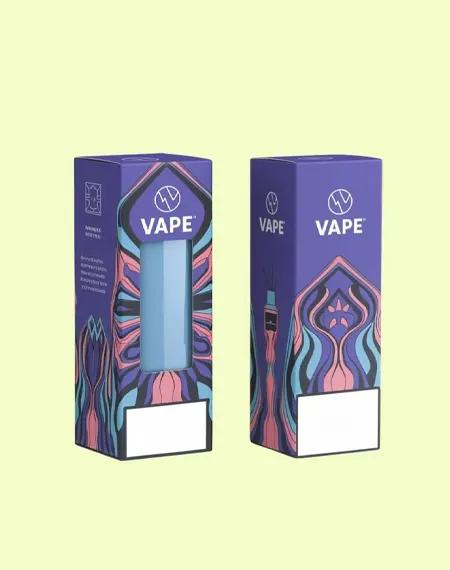
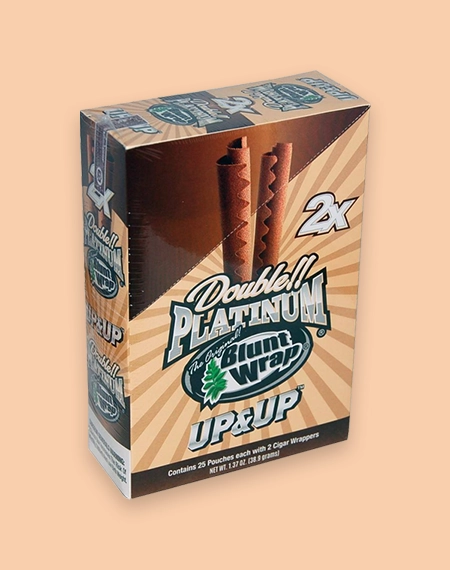
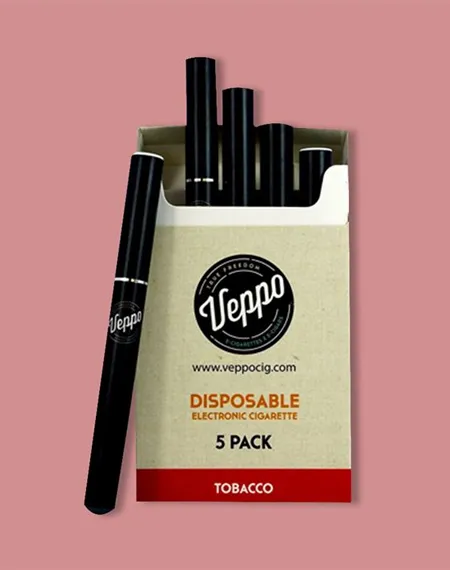
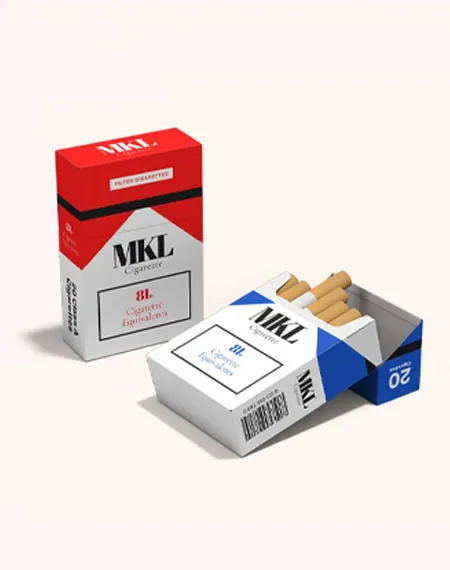
Custom cigarette boxes are empty secondary packages for lawfully marketable combustible tobacco products, retail packs, multipacks, and cartons. Authorized manufacturers, contract packers, distributors, and age-restricted retailers use them to organize sealed primary packs, protect printed surfaces, and reserve space for product identity, warnings, tracking information, tax markings, and market-specific details.Choose dimensions, paperboard, closure style, printing, coatings, tear features, and case-pack configuration around the pack count, finished size, required warning area, and distribution route. Because cigarette labeling and advertising are heavily regulated and the status of federal graphic-warning rules remains affected by litigation, artwork should receive qualified legal review before production. Share samples, quantity, artwork status, target states, and lawful-market documentation with Custom Boxes Inc. to begin a tailored quotation.

Select dimensions in cm, mm, inches, ml, or oz and more — whatever fits your product.

Choose the Stock, printing type, and enter your order quantity.

Upload your ready artwork — or just write “Need Design” and we'll handle it.

Fill in your name, contact number, and email for quick communication.

Solve a quick captcha and hit “Submit Quote” — it takes seconds!

Our expert will reach out ASAP with the best market rate from a top packaging provider.

After You Approve the Quote — Here's What Happens Next


Custom cigarette packaging refers to empty secondary cartons for sealed retail packs, multipacks, and outer cartons containing lawfully marketable combustible tobacco products. Buyers may include authorized manufacturers, contract packers, licensed distributors, and age-restricted retailers operating in permitted jurisdictions. Retail programs typically prioritize pack fit, warning visibility, tax-stamp access, barcode readability, case packing, and resistance to shelf handling. The main design challenge is protecting the primary pack without covering mandatory statements or creating artwork that could appeal to minors. Another priority is distinguishing pack sizes and product variants without using prohibited modified-risk descriptors or unsupported health claims. FDA states that tobacco products labeled or advertised as “light,” “low,” “mild,” or similar require an effective Modified Risk Tobacco Product order. Federal law also prohibits cigarette sales to people younger than 21, and retailers must verify photo identification for purchasers under 30. Packaging development should begin only after the product owner confirms lawful marketability, destination, and labeling responsibilities.
White SBS paperboard suits cigarette cartons that need a smooth surface for fine legal copy, barcodes, tracking data, and controlled graphics. Natural kraft provides a brown, fiber-visible appearance, but pale inks and small reversed text reproduce differently unless artwork accounts for the substrate. Folding boxboard can balance stiffness, printability, and relatively low weight for individual packs or multipacks, depending on the grade. Corrugated board is more appropriate for master cases, shipping cartons, or display-ready distribution packaging. Rigid board may support presentation or archival sample kits, but it is not the usual format for standard retail packs. Stock selection should reflect pack count, finished weight, warning-panel layout, tax-marking access, tear features, stacking, and distribution conditions. A heavier caliper can reduce bowing, yet it also changes creases, glue areas, machine packing, storage volume, and freight. Paperboard does not determine cigarette legality or regulatory compliance. Confirm the exact grade, caliper, coating, adhesive, recycled-content documentation, and compatibility with the sealed primary pack before production approval.
Straight-tuck and reverse-tuck cartons can hold sealed cigarette packs, promotional sleeves, or small multipacks when the dimensions and board suit the load. Auto-bottom and seal-end structures may improve base security for heavier multipacks or machine-packed programs. Sleeve-and-tray formats create a controlled opening, while two-piece or rigid structures are more relevant to presentation kits than standard retail distribution. Corrugated cases support transport, case packing, and retail replenishment. Internal paperboard partitions can organize sealed packs or separate printed inserts, but they should not cover warnings, tax markings, tracking codes, or opening features. Tear strips, perforations, and tamper-evident seals can indicate opening when engineered for the full package. They do not make cigarettes lawful or create child-resistant performance. The carton should open without damaging the primary pack, and case dimensions should support counting, stacking, and pallet patterns. Final structure must follow the product owner’s packing equipment, jurisdiction, warning layout, and distribution method.
Offset printing suits larger cigarette-carton runs that require fine legal copy, repeated colors, and consistent artwork across pack counts or markets. Digital printing can support prototypes, short authorized runs, regulatory mockups, or version testing when the press and substrate suit the design. Flexographic printing may fit corrugated cases, while screen printing is generally reserved for specialty coverage. CMYK builds photographs and broad color ranges; PMS spot colors can define controlled brand elements under an approved production standard. White ink may improve contrast on kraft or dark stocks, but opacity and registration require testing. Artwork should reserve adaptable areas for current warnings, product identity, quantity, manufacturer or importer information, barcodes, tracking data, tax markings, and jurisdiction-specific statements. FDA’s 2020 graphic-warning rule established 11 warnings, but court orders currently prevent enforcement and litigation remains pending. The product owner should obtain current legal review before every production version. Use the approved dieline with bleed, safe areas, prepared fonts, and separated finish layers.
Matte coating can reduce glare around dense information panels, while gloss coating increases reflectivity and may intensify printed graphics. Aqueous coating may add light scuff resistance on compatible paperboard. Soft-touch lamination creates tactile contrast, but handling marks, mixed-material recovery, and cost should be reviewed. Foil stamping, embossing, debossing, or spot UV can emphasize authorized brand elements only when they do not obscure warnings, tax markings, tracking data, or required statements. Tear strips, tamper labels, perforations, and sealed ends can indicate opening or support case control. These features do not establish regulatory compliance or prevent youth access. Windows are generally unsuitable when they remove mandatory information area, expose the primary pack, or create a promotional appearance inconsistent with the approved artwork. Packaging should avoid cartoons, candy-like graphics, school themes, games, or other youth-oriented presentation. Select each finish or security feature after confirming pack dimensions, warning layout, adult-market positioning, packing equipment, distribution conditions, and jurisdictional requirements.
Measure the sealed primary pack at its maximum length, width, and depth, including cellophane, tax stamps, tear tapes, labels, and any projections. Record the packed weight, cigarette count, opening orientation, warning location, and areas that must remain visible or accessible. For multipacks and cartons, include the number and arrangement of primary packs, dividers, inserts, and case-pack requirements. Internal dimensions should allow machine or hand packing without crushing packs or creating uncontrolled movement; external dimensions change with board caliper, folds, glue seams, and closure style. The approved dieline should identify cuts, creases, glue areas, tear strips, perforations, warning zones, barcodes, tracking data, tax-marking areas, bleed, and safe regions. Artwork must use that exact version because small dimensional changes can move regulated copy across folds. Digital proofs help review content and placement, while structural prototypes help evaluate fit, opening, stacking, and case packing. Production tolerances depend on materials, machinery, and construction, so acceptance criteria should follow the approved specification. Map market, pack count, warning version, tax requirements, and artwork revision before production.
Secondary cigarette cartons protect sealed packs, printed warnings, tax markings, and tracking information from rubbing, compression, dust, and uncontrolled movement during case packing or retail handling. Performance depends on board stiffness, seam strength, pack arrangement, cellophane condition, and the outer shipping case. The carton should not interfere with the primary pack’s opening, warning visibility, or tax-stamp access. Distribution cases require stable stacking and dimensions that suit pallet patterns without placing excessive compression on retail packs. Right-sizing can reduce unused board and freight space while maintaining packing clearance and readable information panels. Paperboard, plastic film, foil, laminations, inks, adhesives, tear tapes, and security labels may require separation before local recovery. Recycled content, certified fiber, recyclability, reduced-plastic, or environmental claims need documentation for the complete specification and destination market. Do not describe cigarette packaging as sustainable, safe, protective of health, or environmentally preferable merely because one component uses paper or recycled fiber. Product legality and public-health requirements remain separate from material selection.
Prepare the quotation request with primary-pack samples or drawings, maximum dimensions, packed weight, cigarette count, order quantity, market list, preferred carton structure, paperboard, printing, warning zones, security features, and delivery destination. Provide documentation confirming lawful marketability and authorized use of all brands, trademarks, product names, and artwork. Identify current federal, state, local, tax, tracking, warning, and advertising requirements before proof approval. Custom Boxes Inc. can review the empty-packaging specification and flag missing structural or prepress details, but the product owner remains responsible for legal classification and label approval. Confirm the dieline, materials, artwork, color references, proof type, pack-out method, and acceptance criteria before production. Quality checks may cover dimensions, cuts, creases, glue integrity, tear features, warning placement, tax-marking access, print registration, barcode readability, quantity, and final packing. Request a quote through the inquiry form, call (833) 565-0363, or email inquiry@customboxesinc.com with your project details.



Answers to Help You Order with Confidence

SBS paperboard, kraft paperboard, folding boxboard, and corrugated stock may suit different retail, multipack, and shipping formats. Selection depends on pack count, filled weight, warning layout, tax-marking access, printing, stacking, and distribution conditions. Confirm the exact grade, caliper, coating, adhesive, and compatibility with the sealed primary pack before production.
Reserve adaptable, unobstructed areas based on current federal, state, local, and market-specific requirements. FDA’s 2020 graphic-warning rule specified large front-and-rear warning areas, but court orders currently prevent enforcement and litigation remains pending. The product owner should obtain current legal guidance before approving dimensions, dielines, or artwork for any production run.
Yes, tear strips, perforations, sealed ends, and tamper labels may indicate opening or support inventory control when the structure permits them. These features do not establish regulatory compliance, child resistance, or lawful market status. Their placement should preserve warning visibility, tax-marking access, barcode readability, primary-pack integrity, and reliable operation during packing and retail handling.
Not without an effective FDA Modified Risk Tobacco Product order. FDA states that tobacco products cannot be labeled or advertised as “light,” “low,” “mild,” or similar descriptors without that authorization. Artwork review should also identify implied reduced-risk wording, colors, symbols, or claims that may create a comparable regulatory issue.
Yes, a digital proof can confirm text, warning zones, market codes, barcodes, tax-marking areas, and finish placement before approval. A structural prototype or physical sample may be appropriate when primary-pack fit, tear-strip operation, base security, case packing, stacking, or machine compatibility requires evaluation beyond a screen-based review.
Custom Boxes Inc is a leading manufacturer and supplier of custom packaging boxes tailored for every product and industry. From startups to global brands, we empower businesses across the USA with cost-effective, high-quality, fully personalized packaging solutions — crafted with precision, delivered with speed. Whether you need eco-friendly cardboard boxes, rigid luxury boxes, or branded retail-ready display packaging — we've got you covered with endless customization options, low MOQs, and lightning-fast turnarounds.