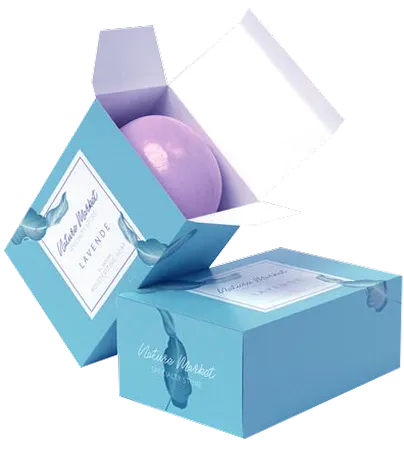
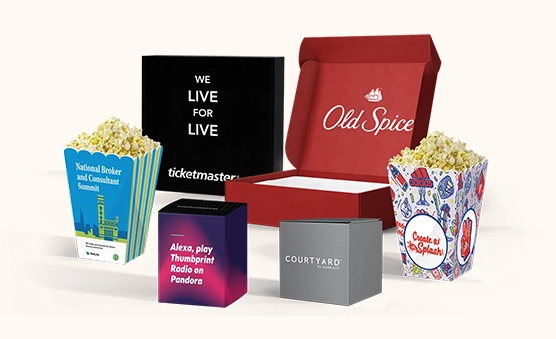
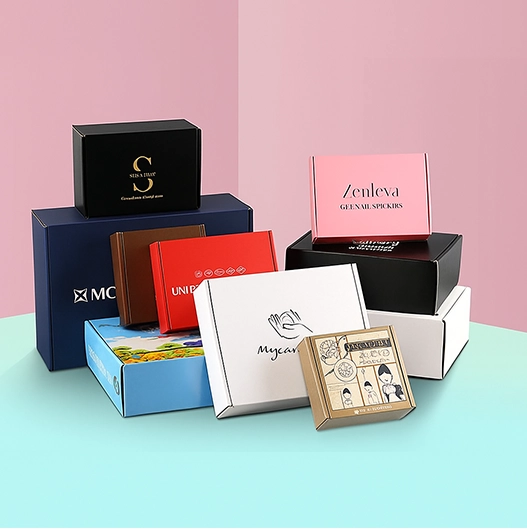
Custom Boxes Designed Around the Way You Sell
Your packaging has a job before anyone sees your logo. It needs to hold the complete product, work with your packing routine, and arrive ready for the next stage of the sale. Custom Boxes Inc. brings those requirements into the same conversation as print, presentation, and price.
Whether you need a first retail carton or coordinated packaging for a growing collection, we help define what belongs in the specification. That gives you a clearer basis for choosing a box and comparing the cost of different options.
Start With the Journey Your Product Takes
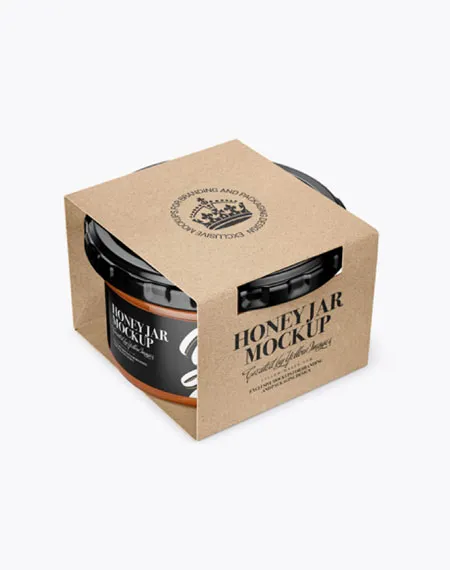
A store shelf, a doorstep, and a client gift each call for different packaging decisions. Start with the sales channel and handling conditions, then choose a structure that supports them.
| Your priority | A useful starting point | What to confirm |
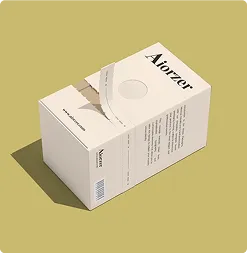
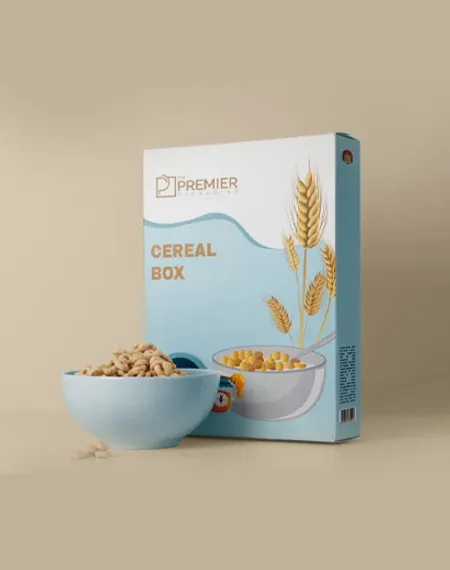
| Retail presentation | Printed folding carton | Product visibility, opening style, shelf footprint, and space for essential information. |
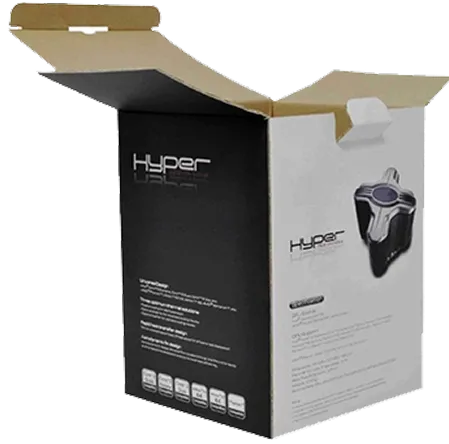
| Parcel delivery | Corrugated mailer or product shipping box | Contents, internal support, closure, and protection suited to the delivery route. |
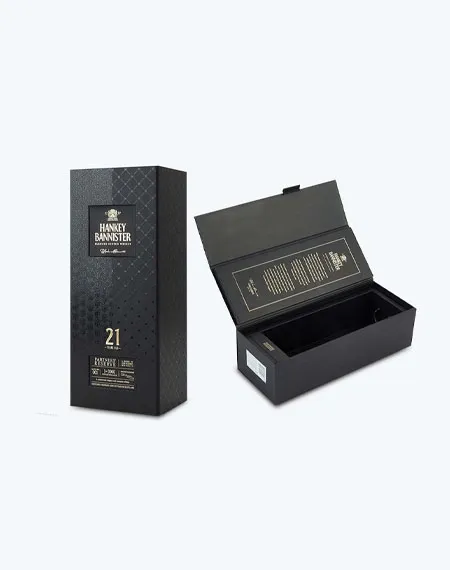
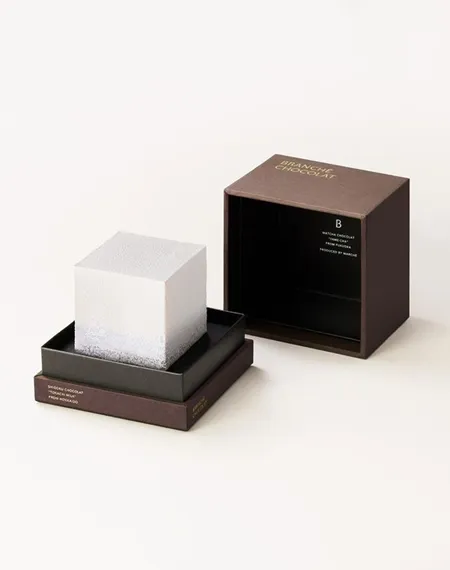
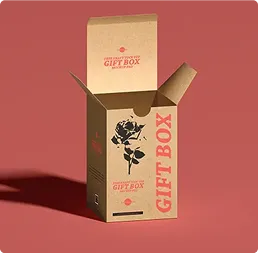
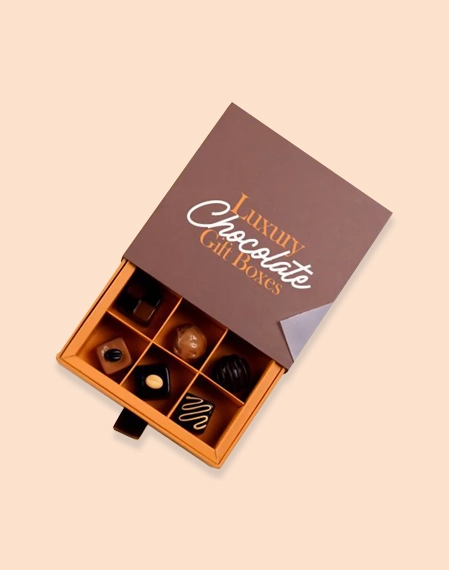
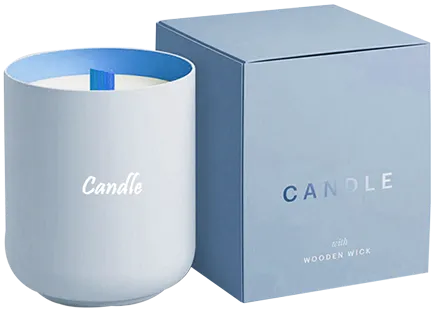
| Gift presentation | Rigid box or coordinated gift packaging | Arrangement, removal, opening sequence, and any separate shipping protection. |
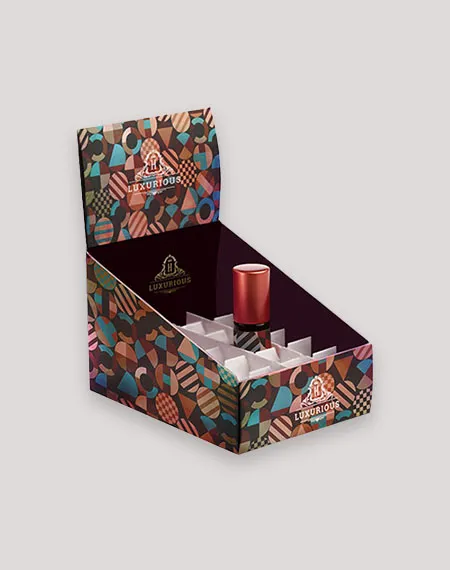
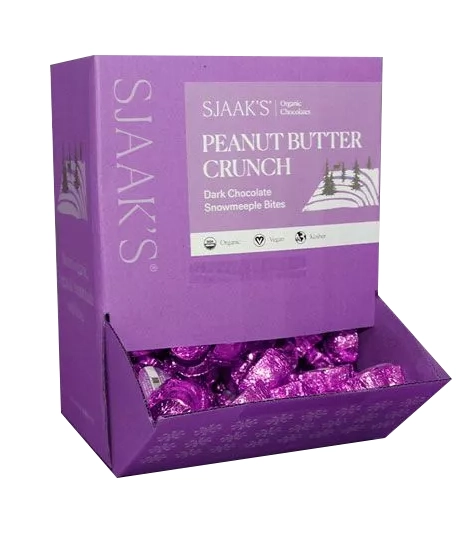
| Countertop sales | Display box or dispenser | Product count, access, stability, and the footprint available at the point of sale. |
A retail carton may need an outer shipping box. A rigid presentation box also needs suitable protection when sent through a parcel network. Tell us how you plan to distribute the product so those needs can be considered together.
Measure Everything That Goes Into the Box
A box should accommodate the product as customers receive it, including its existing container, accessories, and supporting pieces. A bottle pump, a cake board, or a folded garment can change the required space. Inserts also affect the usable interior and how easily someone can remove the contents.
For a useful starting brief, share:
- Product length, width, height, and weight, with measurement units clearly stated.
- The complete contents, including lids, attachments, cards, and accessories.
- Any fragile surfaces, movement concerns, or areas that should remain visible.
- How the product will be packed, stored, displayed, and delivered.
If you only have a product photograph or an early concept, start there. We can help identify the measurements and decisions still needed before the packaging is finalized.
Choose Materials for Handling and Presentation
Material names are a starting point, not a complete specification. Cardboard is a broad description; SBS is a particular white paperboard grade. Kraft offers a different surface for artwork, while corrugated board adds a fluted construction. Rigid boxes use firm board cores with an outer wrap to create their finished presentation.
The appropriate choice depends on the contents, structure, printing, and handling. A darker kraft surface can change the appearance of artwork; a white board can provide a different base for fine detail. We help compare these tradeoffs before you approve the material.
For environmental priorities, ask about the complete finished package. Coatings, laminations, adhesives, inserts, and local collection rules can affect recycling. Brown paper alone does not establish recycled content or recyclability. Request material information for the specification you intend to order.
Make Your Branding Work on the Actual Structure
Custom boxes with your logo should make the product easy to recognize and the packaging easy to use. We help position graphics around folds, closures, and opening panels so important details stay visible. Inside printing can extend a message without crowding the outside.
Our design assistance brings your artwork onto a suitable dieline for review. Confirm product names, copy, logo placement, and any barcode area before approval. Print methods and finishes are selected around the stock, artwork, quantity, and intended effect. Colors viewed on a screen may differ from the finished print.
Compare Quotes Using the Same Specification
The price of custom packaging reflects more than the number of boxes. Dimensions, construction, stock, print coverage, finishes, inserts, and the number of artwork versions all influence the order. Compare quotes on the same basis so a lower figure does not conceal a different material or an omitted component.
Ask for the quantity, included components, artwork versions, delivery scope, and any sampling charges to be clear. For wholesale custom boxes, compare practical order sizes against storage space and likely design changes. Buying more only helps when the packaging will be used.
Know What Happens Before Production
- Share the brief. Send the product details, desired quantity, artwork status, and required arrival date.
- Review the specification. Compare the recommended structure, material, printing, and quote. Resolve fit questions before approval.
- Approve the artwork. Check the dieline and digital proof carefully. A digital proof helps review layout; it does not physically verify fit or handling.
- Confirm the schedule. Finalize the approved details and payment, then confirm production timing and the delivery plan.
Physical sampling can be discussed when a project needs it. Sample type, cost, timing, and its relationship to the final production specification should be agreed before ordering.
Plan for Launches and Repeat Orders
Give us the date you need packaging in hand, especially for a launch, seasonal collection, or event. Production and transit are separate stages. Eligible straightforward paperboard projects may use the standard production schedule; rigid, corrugated, or more complex work needs a project-specific timeline.
Keep the approved specification and artwork version with your order records. For a reorder, tell us whether the product, quantity, design, or delivery details have changed. That helps avoid carrying an outdated detail into the next run.
Tell Us What Your Packaging Needs to Do
Start with the product, quantity, and arrival date you have in mind. Custom Boxes Inc. will help you work through the structure, material, and artwork decisions. Complete the quote form, email Quotes@Customboxesinc.Com, or call +1 833-565-0363 to discuss your custom boxes.