

Select dimensions in cm, mm, inches, ml, or oz and more — whatever fits your product.

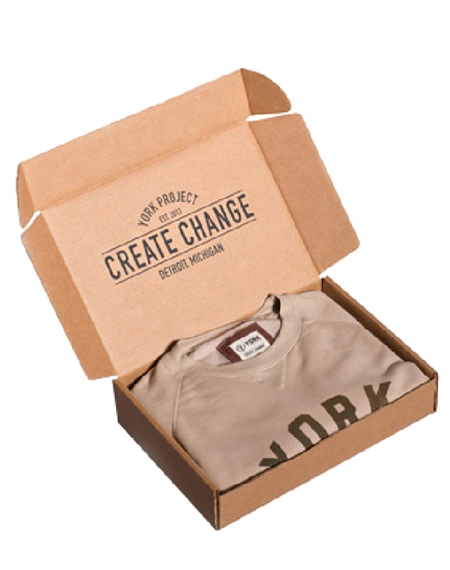
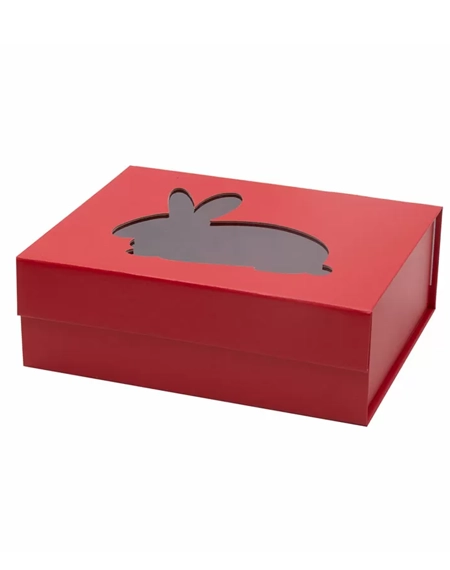
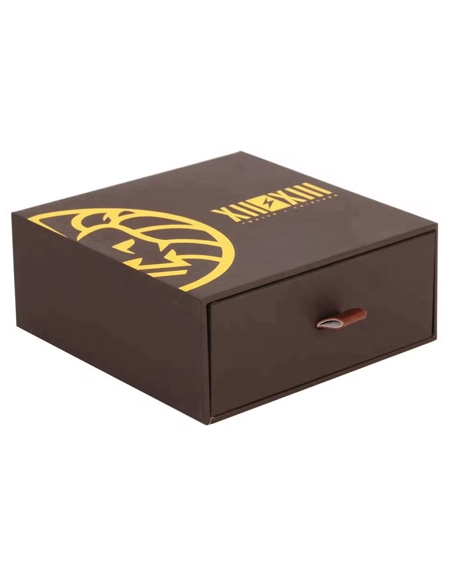
Custom shirt boxes give folded shirts a defined space for presentation, with room for collars, cuffs, and the details customers notice first. Keep your garment neatly arranged while your logo introduces the collection. Custom Boxes Inc. develops the box around your actual fold, fabric, and selling occasion, then coordinates the board, opening style, and printing. Free design assistance and clear production planning help you prepare for retail launches, gifting, and replenishment.

Select dimensions in cm, mm, inches, ml, or oz and more — whatever fits your product.

Choose the Stock, printing type, and enter your order quantity.

Upload your ready artwork — or just write “Need Design” and we'll handle it.

Fill in your name, contact number, and email for quick communication.

Solve a quick captcha and hit “Submit Quote” — it takes seconds!

Our expert will reach out ASAP with the best market rate from a top packaging provider.

After You Approve the Quote — Here's What Happens Next


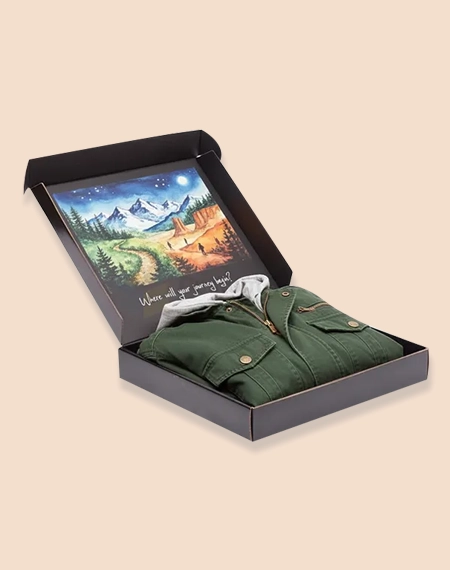
A carefully folded shirt should look considered when the lid comes off. The collar should have space, the front should face the customer, and any accessories should stay in their own place. Our custom shirt packaging boxes bring those decisions together for dress shirt labels, independent tailors, boutiques, polo collections, and uniform suppliers. Start with the shirt as your team packs it; we help turn that arrangement into a practical box specification.
Measure the folded garment’s length, width, and highest point with tissue, tags, and any existing shirt board included. A collar can stand above the rest of the fold, so measuring only the fabric stack can underestimate the depth needed. Tell us whether your measurements describe the garment or an existing box; usable interior space and outside dimensions are different. Check representative shirts from both ends of your size range. A lightweight poplin shirt and a heavier overshirt may need different depths even when folded to the same footprint. We help assess where one box size can work and where a second size would avoid squeezing or excessive empty space.
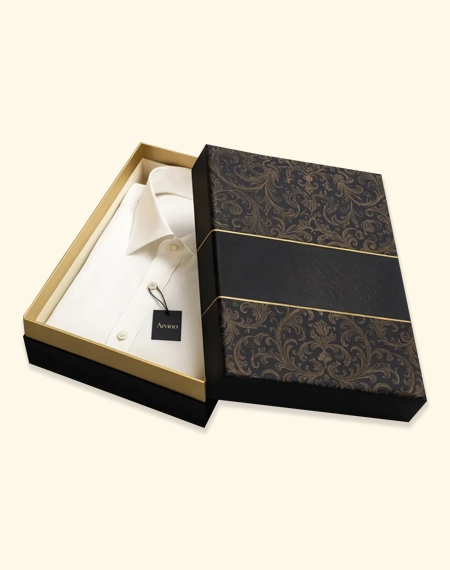
Custom dress shirt boxes need room above structured collars and around folded cuffs. Decorative buttons and embroidered chest logos also deserve attention when the lid closes. Include your existing collar supports in the fitting brief, and ask about a paperboard insert or backing arrangement where the fold needs additional stability. Suitable tissue can separate fabric from the interior and cover the garment during handoff. Keep adhesives and rough cut edges away from the shirt, and assess any colored or printed contact layer against the actual fabric. These choices help maintain presentation; they cannot guarantee that every fabric will arrive without wrinkles.
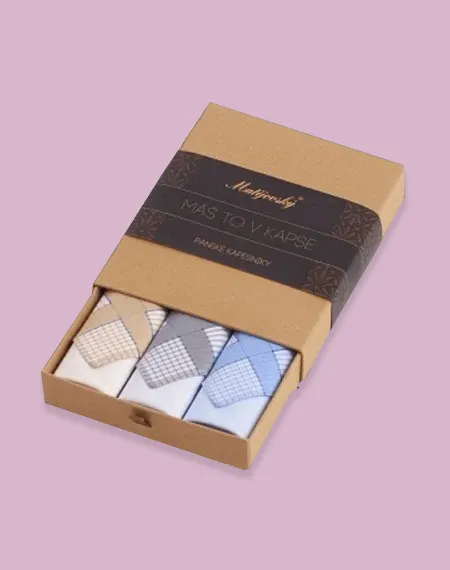
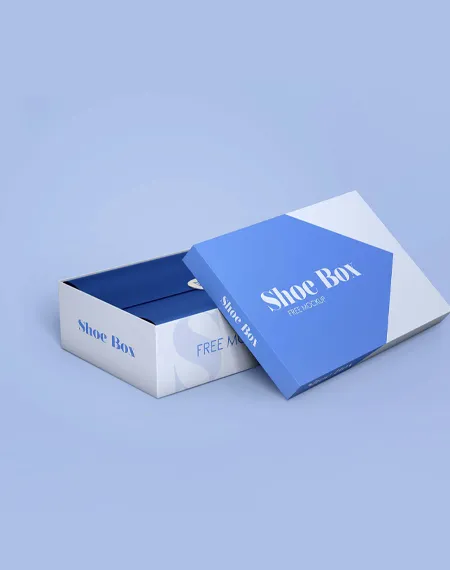
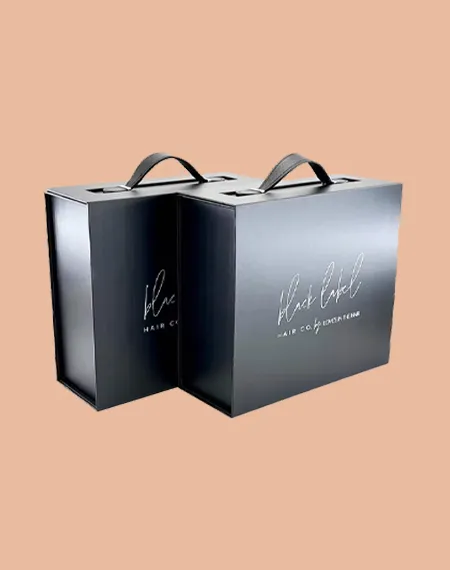
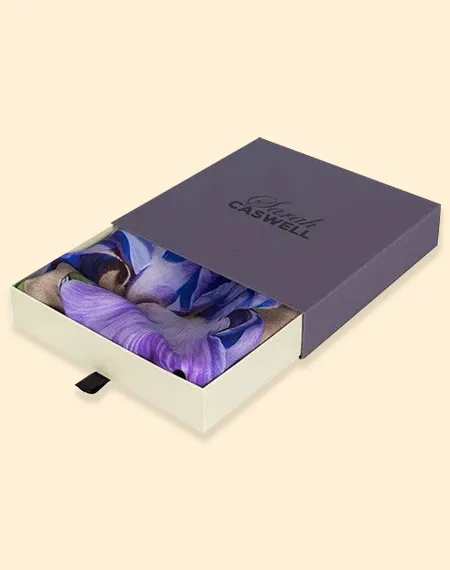
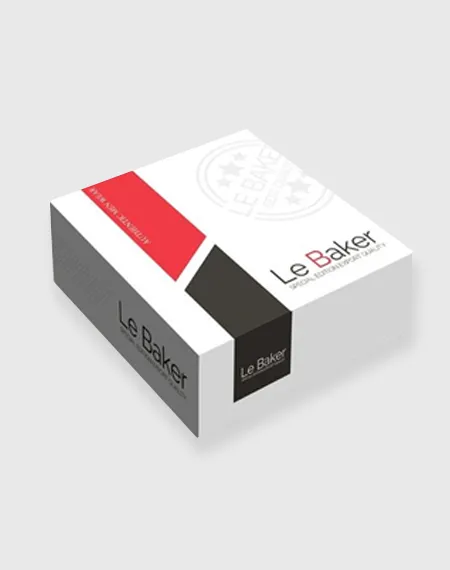
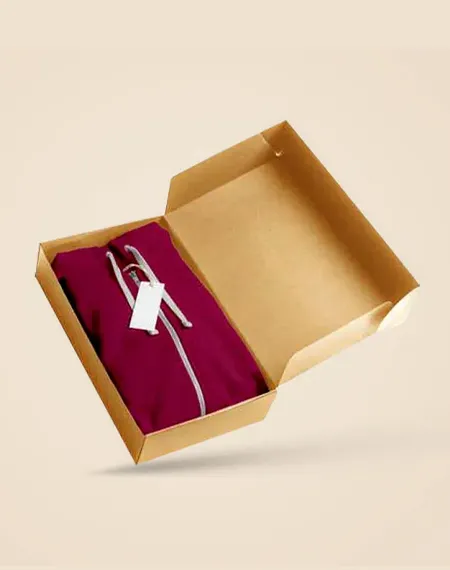
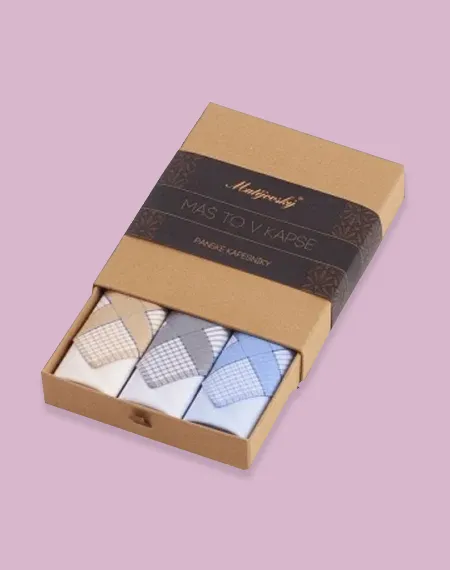
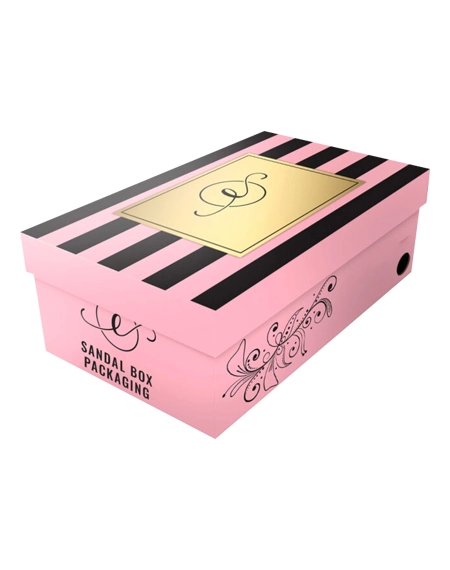
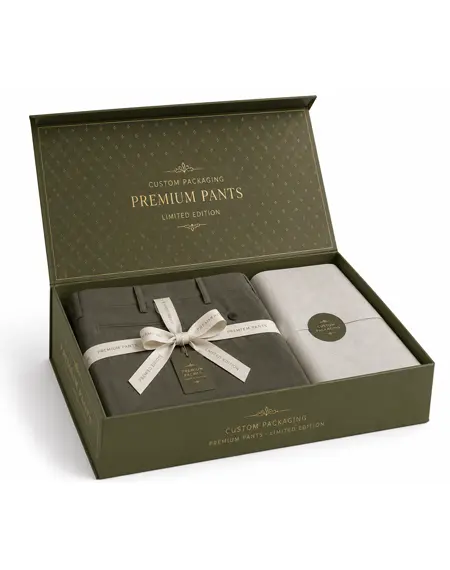
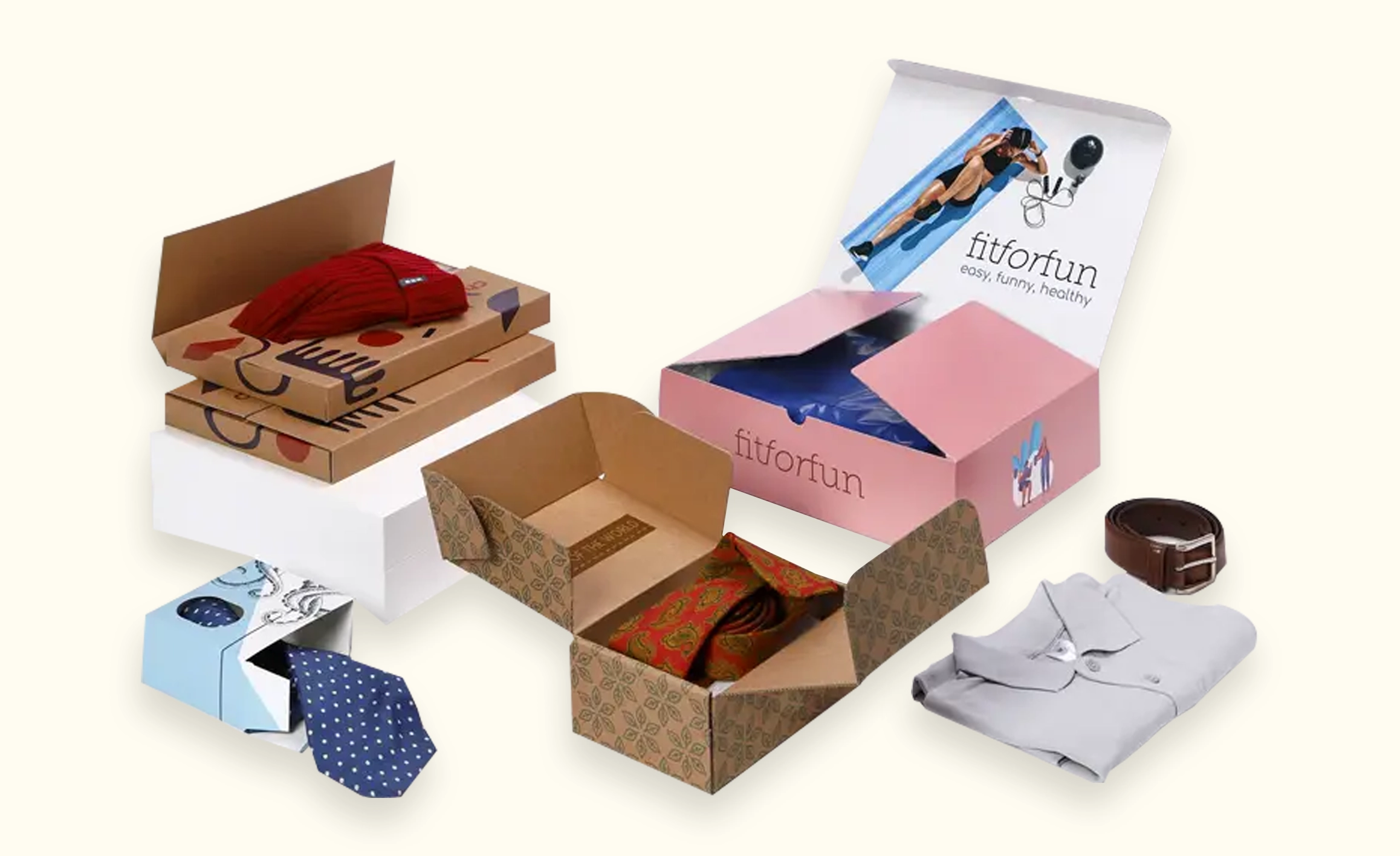
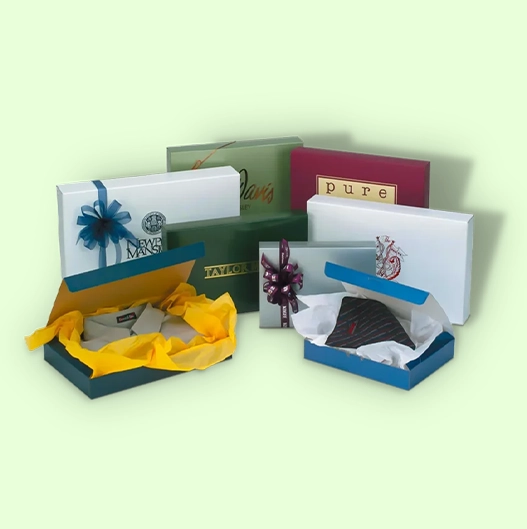
A two-piece lid-and-base shirt box gives staff broad access for placing the garment and arranging tissue. Customers can lift the lid to see the complete fold, which suits tailored shirts and gift purchases. Folding paperboard versions can be supplied flat, helping stores manage packaging space between restocks. A hinged folding carton keeps the lid attached during packing and opening. A drawer-style box adds a sliding reveal, provided the tray and garment have enough clearance. For luxury shirt boxes, a wrapped rigid construction gives the package a substantial feel, with higher material costs and more storage volume for assembled formats. We compare those tradeoffs against your packing routine and order budget.
Smooth white paperboard supports sharp logos, detailed patterns, and a clean background for collection colors. Kraft shirt boxes offer a brown paper surface that can suit understated branding; white ink can improve contrast where the selected printing process supports it. Rigid greyboard with a paper wrap is an option for substantial presentation boxes. Material selection also depends on the width of unsupported panels, packed weight, closure, and stacking. A wide, shallow box needs enough stiffness to hold its shape during normal handling. Share your display and storage arrangement so the recommendation addresses the complete package. Brown board alone does not establish recycled content or recyclability.
Keep a consistent place for size, fit, color, and stock labels on the panel staff see when boxes are stacked. A readable end label can help distinguish a slim-fit shirt from a regular fit without repeatedly opening the package. Leave enough space for your actual barcode and check it at its final printed size. Shared branded artwork with a separate variable label area may simplify packaging across many shirt sizes. Tell us whether labels will be applied by hand or during fulfillment so the surface finish and placement support that workflow.
Custom printed shirt boxes can echo the typography and colors already used on your garment labels, shopping bags, and collection photography. CMYK suits multicolor artwork, while an agreed spot color can support a signature brand shade. Matte or gloss treatments change the surface appearance; foil or embossing can draw attention to a selected logo where the construction allows. With free design assistance, your artwork is arranged on the chosen dieline with folds, bleed, and safe areas considered. An inside message can introduce the collection or direct customers to styling information. Review the digital proof for wording and placement; discuss a physical prototype separately when fit, opening, or material feel needs checking.
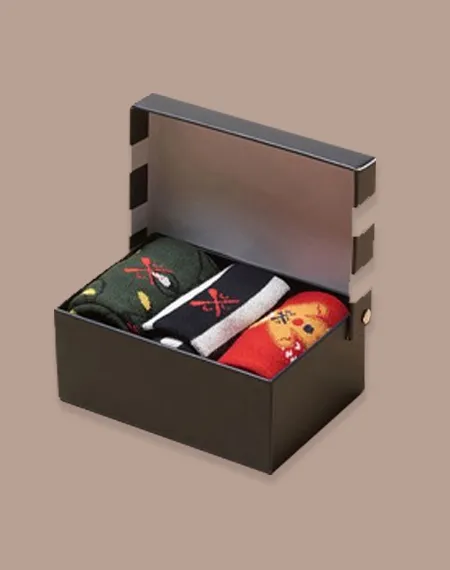
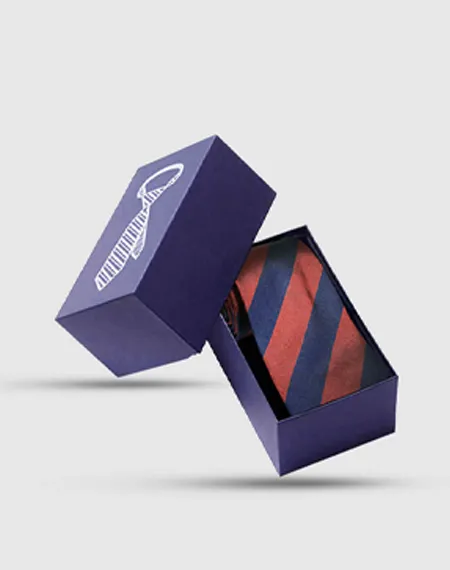
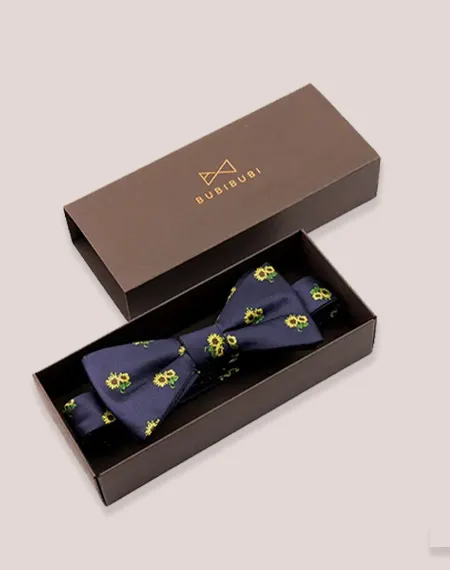
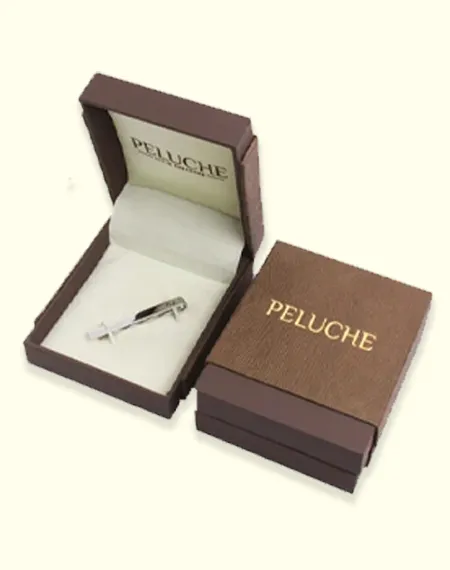
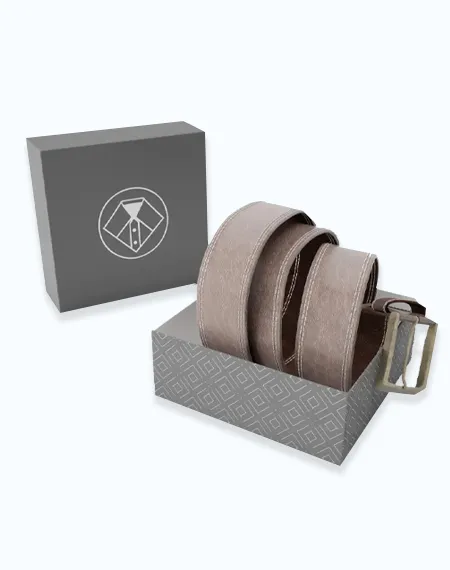
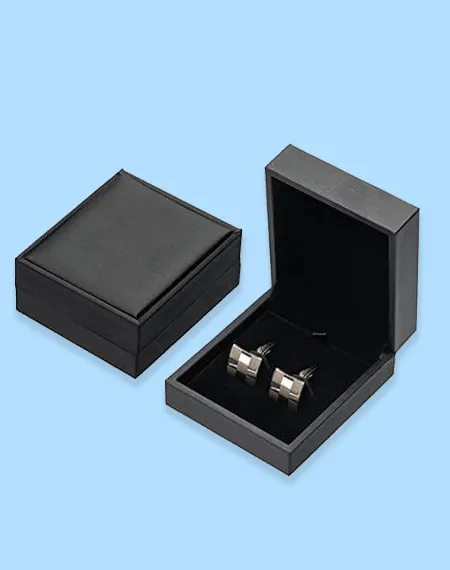
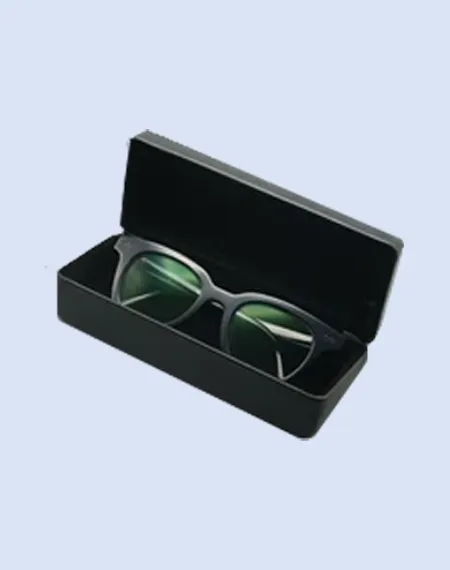
Shirt gift boxes can bring a garment and coordinating tie together without laying accessories across the collar. A paperboard divider or separate compartment can keep a tie, pocket square, or accessory package beside the fold. Supply every item’s packed dimensions before the layout is finalized. For corporate polo sets or staff uniforms, identify the intended packing order and how recipients will find their size. Practical organization gives the opening a clear purpose and helps the packing team repeat the same arrangement.
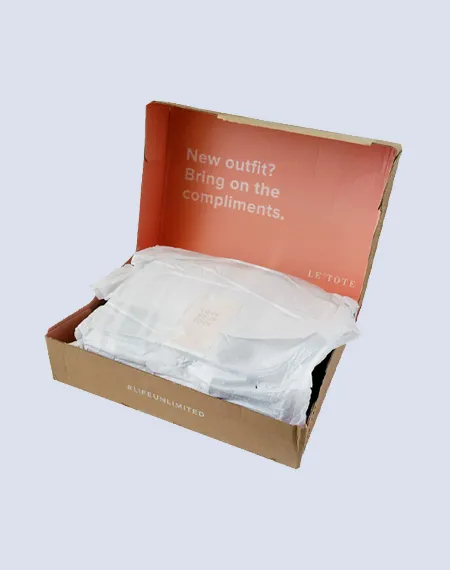
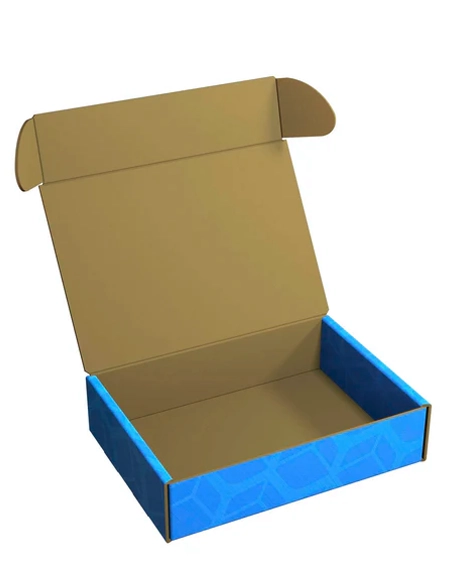
For online orders, discuss a suitable corrugated mailer or an outer shipper around the presentation box. A retail lid alone is not a parcel closure. Review sealing, movement inside the package, and protection from likely moisture exposure before shipping garments. Check the finished outside dimensions when comparing delivery costs. If customers may reuse the package for returns, consider how it opens and can be resealed. Keep unused shirt boxes clean, dry, and protected from crushing so they are ready for the next packing shift.
Supported paperboard and corrugated orders may start at 50 boxes, while supported rigid formats may start at 25. Minimum quantities depend on the structure, artwork versions, and finishes. Request prices for realistic order quantities so you can compare the unit cost with storage and expected sales. Standard production normally takes 4–6 business days after payment, final artwork approval, and structure confirmation. Rigid or complex projects need a confirmed schedule, and transit time is additional. Share your launch date and destination early so production and delivery can be planned together.
Send Custom Boxes Inc. your folded shirt measurements, quantity, artwork status, and delivery destination for a tailored recommendation and quote. Unsure which construction fits? Include a photo of the packed shirt and your retail or shipping plans.
or complete the quote form to explore the right dimensions, material, and print direction for your collection.


Answers to Help You Order with Confidence
It can when the shirts share a consistent folded footprint and the box accommodates the tallest packed collar or fabric stack. Check the smallest and largest sizes with tissue and accessories included. Send those measurements so we can assess whether one size works or a second depth would give a better fit.
Yes, share a folded shirt photo or sample details and explain how the box will be used. We can compare folding cartons, two-piece boxes, and supported rigid options around access, presentation, storage, and budget. Include any existing collar supports or shirt boards so their space is considered.
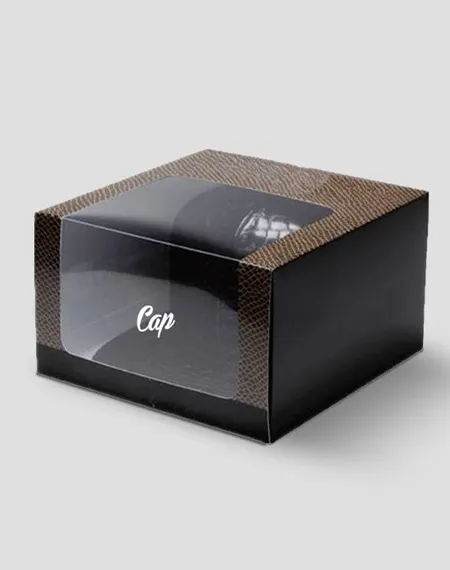
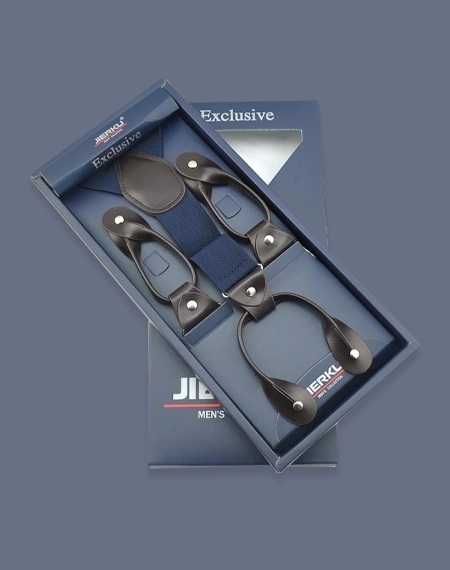
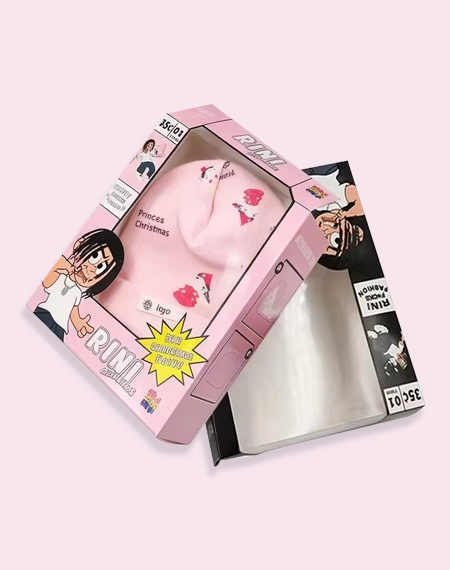
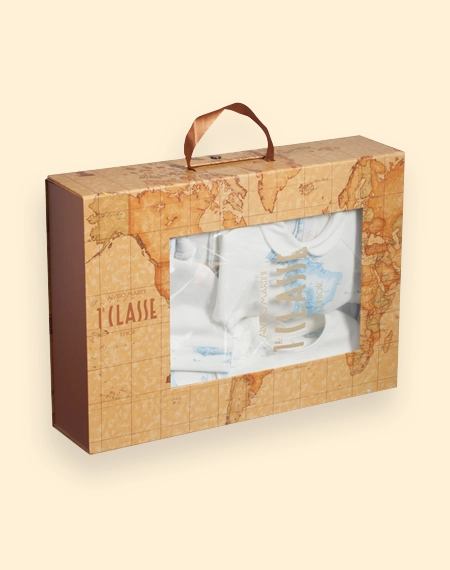
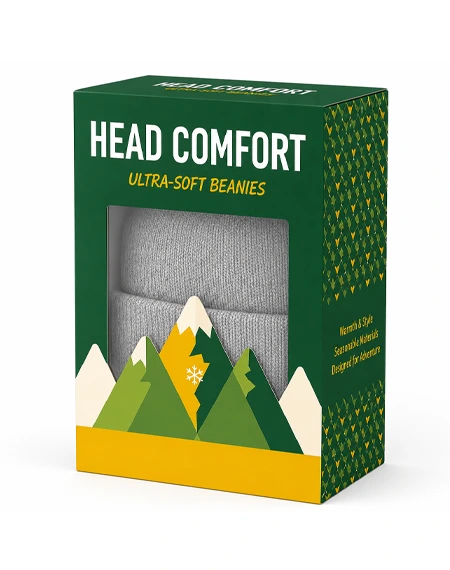
A window can be planned to show a collar, fabric pattern, or label where the structure supports it. Its size and position affect panel stiffness, print space, and how much of the shirt is covered. An open cutout and a film-covered window provide different levels of coverage, so confirm the material and tissue placement before ordering.
Supported paperboard and corrugated formats may start at 50 boxes, and supported rigid formats may start at 25. The minimum depends on the selected structure, finish, and number of artwork versions. Share your quantity and design requirements for an accurate quotation.
Free design assistance helps prepare your supplied branding for the chosen box layout, with a digital proof for the approved order. Standard production normally takes 4–6 business days after payment, final artwork approval, and structure confirmation; complex or rigid projects require schedule confirmation. Shipping transit is additional, so include your destination and required arrival date in the quote request.
Custom Boxes Inc is a leading manufacturer and supplier of custom packaging boxes tailored for every product and industry. From startups to global brands, we empower businesses across the USA with cost-effective, high-quality, fully personalized packaging solutions — crafted with precision, delivered with speed. Whether you need eco-friendly cardboard boxes, rigid luxury boxes, or branded retail-ready display packaging — we've got you covered with endless customization options, low MOQs, and lightning-fast turnarounds.