

Select dimensions in cm, mm, inches, ml, or oz and more — whatever fits your product.

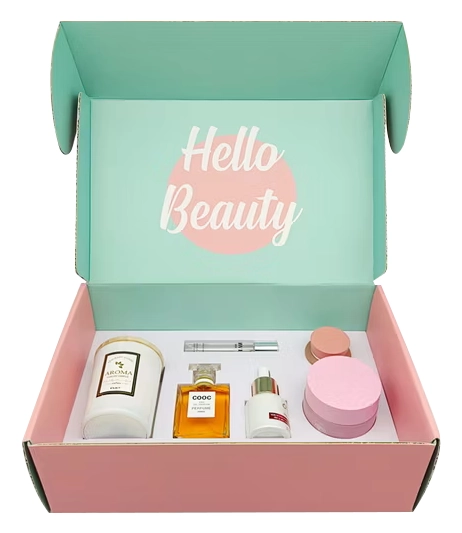
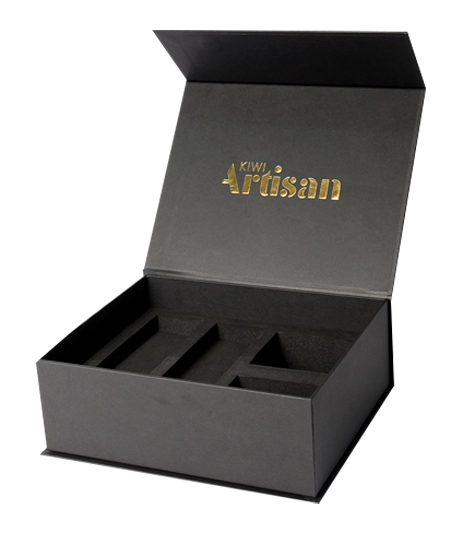
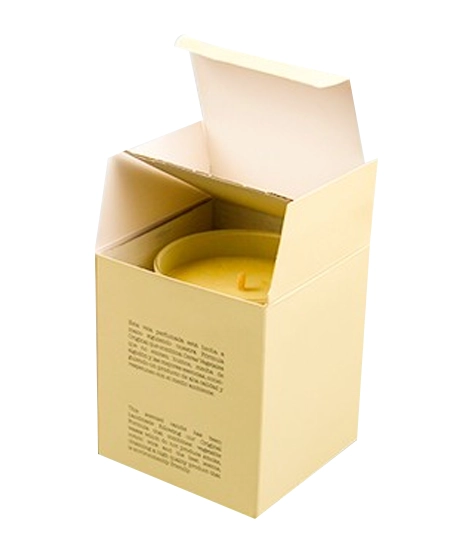
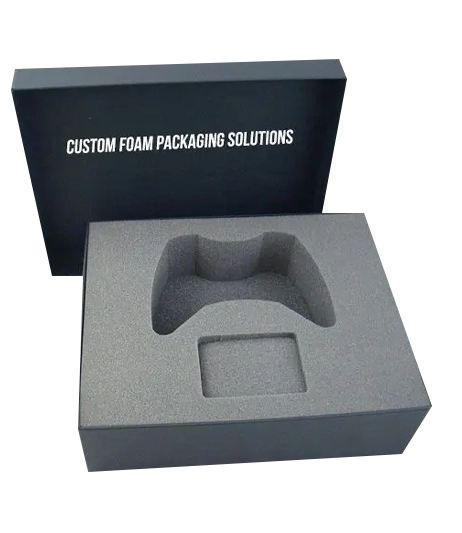
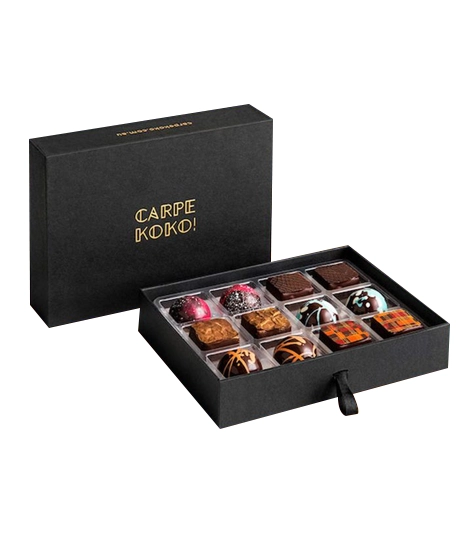
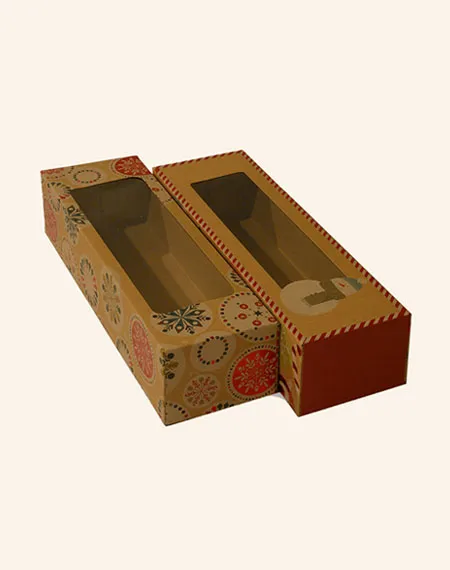
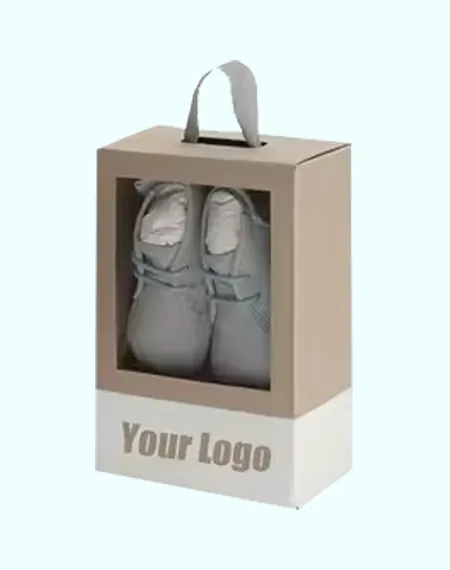
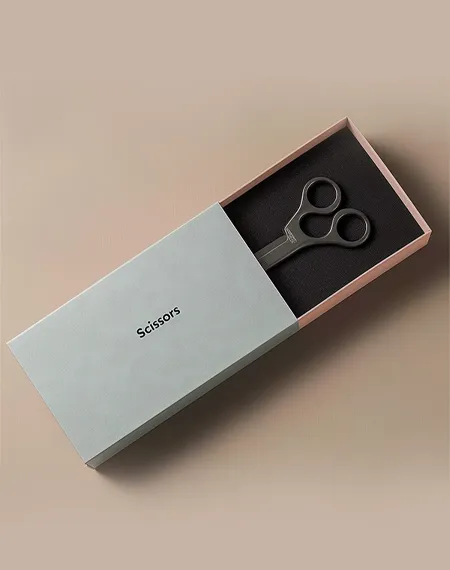
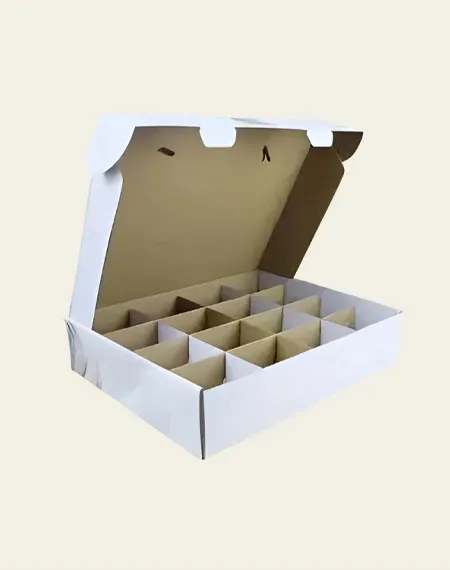
Custom packaging inserts help organize products, accessories, and printed pieces inside a box so the opening presentation feels planned rather than improvised. Custom Boxes Inc. can tailor insert dimensions, material direction, cutouts, and the overall interior layout around the exact items in your package. Board, paper-based, foam, cavity, and blister insert options can be considered according to the project. Start with the product measurements, number of components, box structure, and the experience you want the recipient to see at opening. We can then help develop an insert direction that works with the box, artwork, and presentation as one coordinated package.

Select dimensions in cm, mm, inches, ml, or oz and more — whatever fits your product.

Choose the Stock, printing type, and enter your order quantity.

Upload your ready artwork — or just write “Need Design” and we'll handle it.

Fill in your name, contact number, and email for quick communication.

Solve a quick captcha and hit “Submit Quote” — it takes seconds!

Our expert will reach out ASAP with the best market rate from a top packaging provider.

After You Approve the Quote — Here's What Happens Next


A packaging insert gives the inside of a box the same level of thought as the exterior. Rather than leaving products, accessories, and printed pieces to share open space, a custom insert can define where each element belongs and how the recipient encounters it. The most useful design starts with the actual contents, then connects their measurements, arrangement, and opening sequence to the outer box. Whether the package contains one product, a set of components, a sample collection, or a gift presentation, the insert should support a clear interior layout that feels intentional from the first look.
Begin by listing every item that will sit inside the box. Include the main product, accessories, product cards, printed pieces, wrapping, and any items that need to remain together. Then note each component’s dimensions, shape, and orientation. A single item may call for a simple cutout, while a multipiece set may need a layout that gives every component its own defined area. This information helps move the discussion beyond a generic insert toward a plan based on the actual package. The opening sequence matters too. Consider what the recipient should see first, which item should be easiest to lift out, and whether components should be arranged in a particular order. A product that is intended to be revealed as a set may need a different insert direction from one that includes a main item and supporting accessories. By defining the layout early, the interior can be coordinated with the box structure and intended presentation instead of being added after the outer packaging is complete.
Packaging inserts can be considered in board, paper-based, foam, cavity, or blister formats according to the project. The right direction depends on the product shape, number of pieces, box style, and desired interior presentation. A board or paper-based approach may suit a structured, graphic interior plan, while other projects may call for a foam, cavity, or blister format. The choice should be discussed with the product and outer package in view rather than selected independently. It is also useful to decide how much of the product should be visible once the box opens. A defined cavity can make the product position part of the presentation, while a divider arrangement can separate components into clear sections. For some projects, the most important point is a simple, organized layout. For others, the interior may be part of a more developed unboxing experience. The goal is to choose the direction that supports the product and brand without adding unnecessary complexity.
An insert needs to work with the box it will sit inside. The interior dimensions, opening method, closure, and panel arrangement all influence the insert layout. A rigid box, folding carton, mailer, sleeve-and-tray structure, or other custom box style may each create a different interior relationship. Reviewing the box and insert at the same time helps make sure the project is planned as one package rather than two unrelated components. Custom sizing is especially important here. The outer box dimensions should account for the product, the insert, and the desired space around the presentation. Accurate samples, product photos, or a clear packing layout can help the packaging team understand how items are intended to sit. Those details can also shape how the recipient accesses the product after opening and which areas of the interior remain visible.
The inside of a package can reinforce the story begun on the exterior. An insert can introduce structure and visual order, helping the recipient understand what belongs where before they remove anything. It may be useful to arrange a main product centrally, place accessories alongside it, or reserve a section for product cards or a message. Each project should be planned around the real contents and desired sequence rather than a preset layout. This approach can be particularly useful for gift sets, kits, sample selections, and products with multiple components. It allows the contents to be presented as a complete set while giving each element an intentional place. When the interior is coordinated with the exterior box and artwork direction, the entire package can feel more cohesive from the first panel to the final reveal.
An insert layout should be reviewed before production just as carefully as the outer box. Dieline support can help map the relevant dimensions, cut areas, and relationship between the insert and box. Artwork checks are useful when printed elements on the outer packaging need to align with the interior opening experience. A digital proof gives the team an opportunity to confirm the proposed packaging direction before production moves forward. Share all available product information at this stage. Measurements are useful, but photographs, samples, and notes about the planned arrangement can add important context. If the product has an unusual shape, several pieces, or a specific orientation, identify that clearly. The more complete the brief, the more effectively the insert and outer box can be developed together.
A consistent insert approach can help a product range feel connected even when the individual items differ. The same visual logic—such as a central product position, accessory area, or card placement—can carry across related boxes while the cutouts and dimensions change for each product. This gives the brand a repeatable interior framework without forcing every item into the same arrangement. Keep approved dielines, artwork files, and proof details organized once the first project is established. These references can make it easier to plan future kits, product variants, or seasonal presentations. Each new insert can still be tailored to its particular contents, while the overall packaging system remains recognizable.
A useful insert quote request includes the product type, dimensions, weight, number of components, outer box style, quantity, and intended use. Explain how you want the contents arranged and whether the package is for retail, gifting, sampling, shipping, or another customer-facing presentation. Include product photos or samples where possible, along with any box artwork, brand files, and planned printed pieces.
Verified feedback from real packaging buyers.


Answers to Help You Order with Confidence
Custom packaging inserts can organize products, accessories, cards, and other components inside a box. They can be planned around a single item, a multipiece set, a gift presentation, samples, or another product layout.
Board, paper-based, foam, cavity, and blister insert options can be considered according to the project. The best direction depends on the product shape, number of components, outer box style, and desired interior presentation.
Yes. An insert layout can be planned around separate items, accessories, printed pieces, or product sets. Share the dimensions and intended arrangement of every component so the interior can be developed around the full package.
They should be planned together. The box’s interior dimensions, opening method, closure, and overall structure influence how the insert fits and how the recipient experiences the presentation.
Include the product type, dimensions, weight, number of components, outer box style, quantity, and desired layout. Product photos, samples, box artwork, and notes about the planned opening experience can also help define the project.
Custom Boxes Inc is a leading manufacturer and supplier of custom packaging boxes tailored for every product and industry. From startups to global brands, we empower businesses across the USA with cost-effective, high-quality, fully personalized packaging solutions — crafted with precision, delivered with speed. Whether you need eco-friendly cardboard boxes, rigid luxury boxes, or branded retail-ready display packaging — we've got you covered with endless customization options, low MOQs, and lightning-fast turnarounds.