

Select dimensions in cm, mm, inches, ml, or oz and more — whatever fits your product.

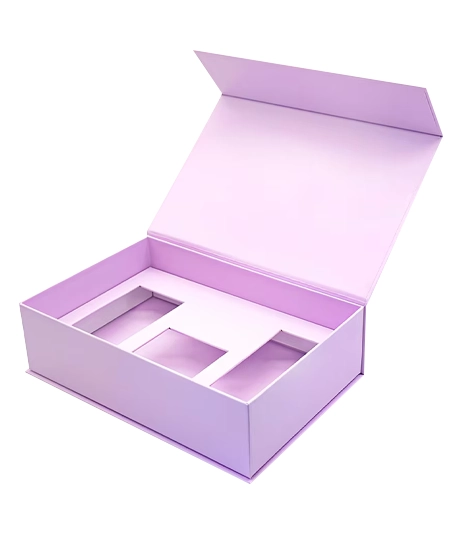
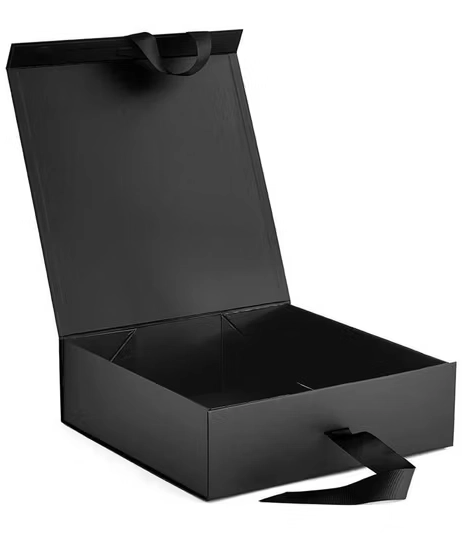
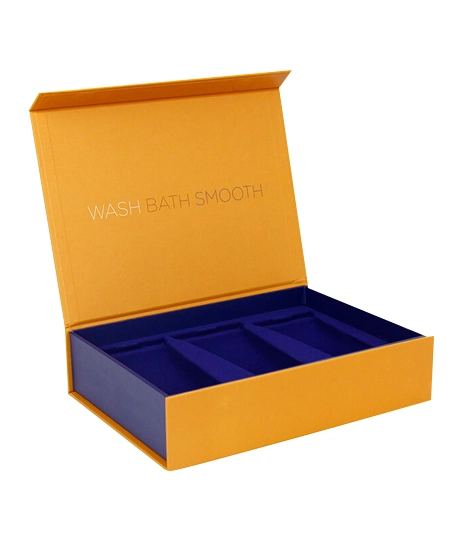
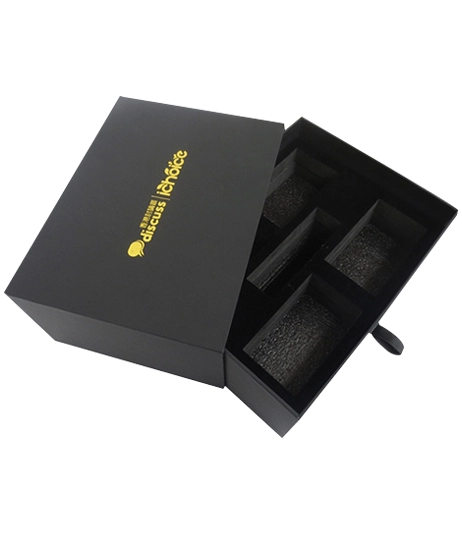
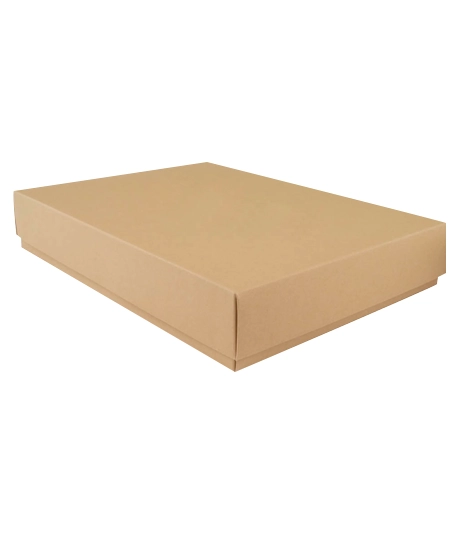
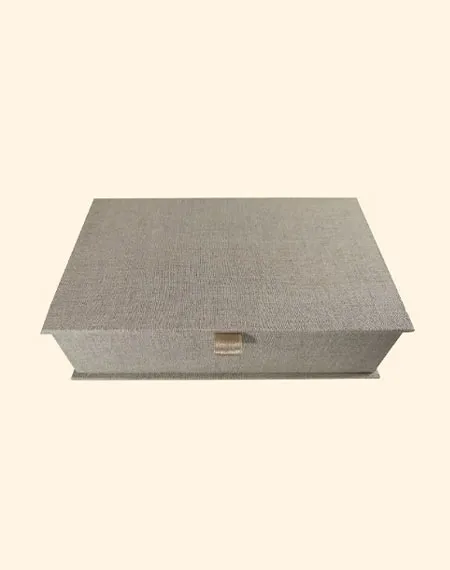
Custom rigid boxes are presentation-focused packaging built for products, gifts, and curated sets where the box itself becomes part of the customer experience. Their more substantial form gives brands a way to combine product fit, carefully planned materials, print details, and a deliberate opening sequence in one package. When a standard folding carton feels too ordinary for the item, or when the reveal must support perceived value and organized presentation, custom rigid boxes offer a more considered direction. Custom Boxes Inc. can help develop rigid packaging around the product dimensions, selected board and wrap, interior arrangement, artwork, finishes, and the way customers will receive and open the box.

Select dimensions in cm, mm, inches, ml, or oz and more — whatever fits your product.

Choose the Stock, printing type, and enter your order quantity.

Upload your ready artwork — or just write “Need Design” and we'll handle it.

Fill in your name, contact number, and email for quick communication.

Solve a quick captcha and hit “Submit Quote” — it takes seconds!

Our expert will reach out ASAP with the best market rate from a top packaging provider.

After You Approve the Quote — Here's What Happens Next


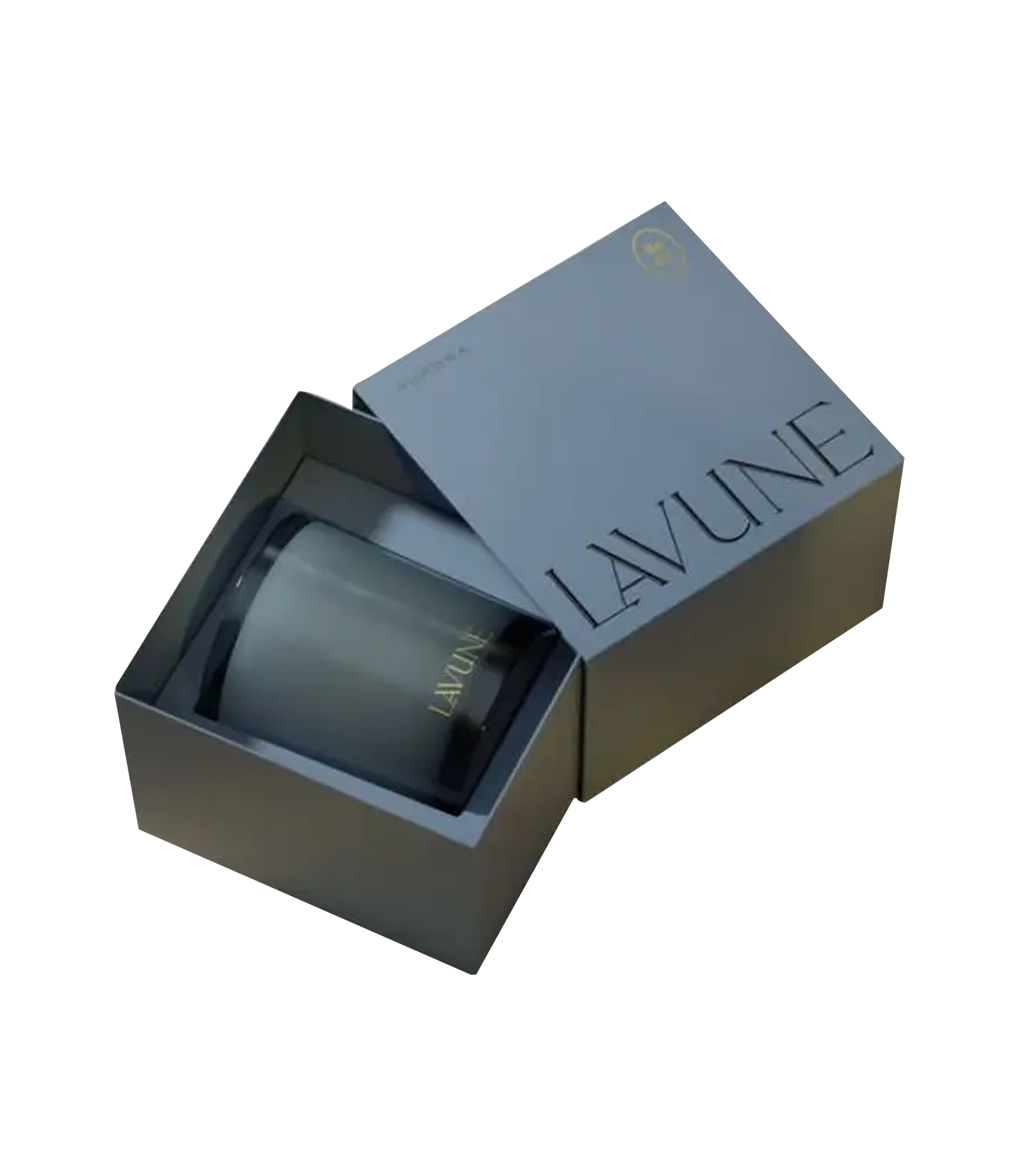
Custom rigid boxes are suited to projects where the packaging itself is part of the product presentation. Instead of functioning only as an outer container, a rigid box can frame a gift, curated set, retail product, or higher-value item through its structure, surface, internal arrangement, and opening sequence. That makes early specification especially important. The product dimensions, number of components, desired reveal, board choice, wrap, print, finishes, and insert plan all work together. Custom Boxes Inc. can develop rigid packaging with rigid greyboard, a range of box structures, fitted inserts, inside-and-outside printing, and selected finishing details so the final presentation reflects both the item and the brand.
Rigid packaging is most useful when customers will notice the box before, during, and after they reach the product. A gift, product launch, curated set, premium retail item, or presentation-led order may need a stronger visual frame than a simple folding carton provides. Start by deciding what the customer should see first, how the product should be arranged inside, and whether the packaging will be retained after opening. Then define the product’s measurements, weight, components, and orientation. These details guide the outer proportions, inner space, and structure. A rigid box works best when the project has a clear presentation purpose, rather than when a premium format is selected without considering how it will support the product and the customer’s experience.
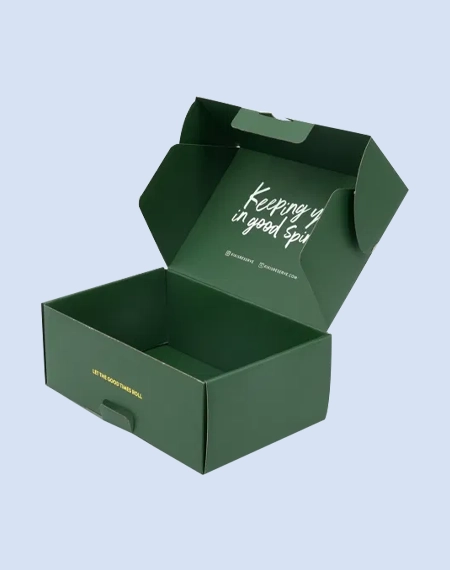
Rigid boxes can be developed in a range of structures, including two-piece lid-and-base, magnetic, book-style, hinged-lid, clamshell, drawer, sleeve-and-tray, shoulder-neck, slipcase, collapsible, and window formats. Each creates a different way for customers to approach the product. A two-piece format can separate the lid from the base for a traditional reveal, while a drawer or sleeve-and-tray format can make the product emerge in stages. Magnetic, book-style, or hinged-lid structures can place more attention on the opening motion, while a window can introduce product visibility before the box is opened. The right choice depends on the product, intended presentation, internal contents, and the amount of information or artwork the package needs to carry.
Rigid greyboard provides the underlying structure for custom rigid boxes, while the visible surface can be planned around the visual direction of the project. Custom Boxes Inc. lists paper, kraft, smooth, linen, colored, pearlescent, textured, and foil-paper wraps among the available surface approaches for relevant packaging projects. These surfaces can create very different visual and tactile impressions, but they should be chosen with the product, structure, print design, and finish plan in mind. A clean smooth wrap may suit a controlled retail design, while a textured, colored, or foil-paper direction may support a more distinctive concept. The point is not to add a surface treatment simply because it is available; it is to choose one that supports the product’s positioning and makes the completed box feel intentional.
The interior of a rigid box can organize the product as carefully as the exterior presents it. Fitted foam, board, paper-based, cavity, and blister inserts are among the supported options for relevant projects. An insert can give a single item a defined place, separate multiple components, create a clearer reveal, or keep supporting pieces from competing visually with the main product. Ribbon pulls, magnetic closures, and other selected details can also shape how the customer interacts with the contents. Start by listing every component that needs to fit inside the box and how it should be seen when opened. That makes it easier to decide the tray depth, cavity layout, insert material, and amount of clearance required before artwork is finalized.
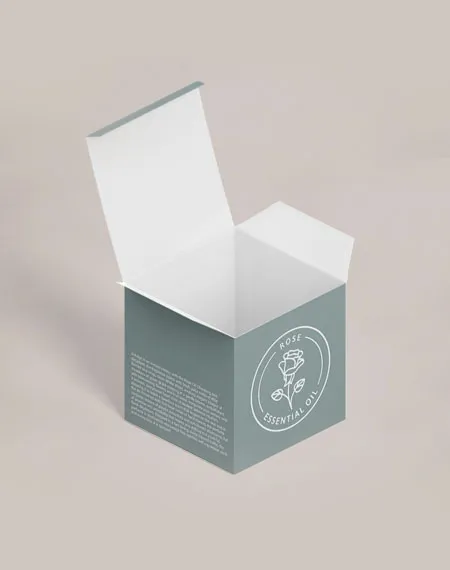
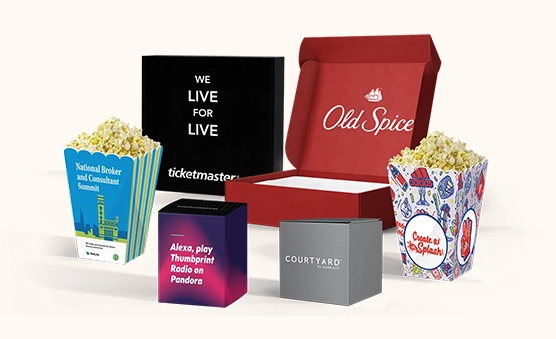
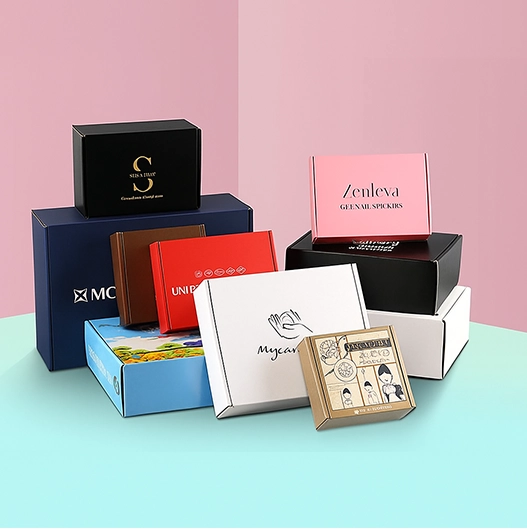
Rigid packaging can carry brand communication on the outside and the inside of the box. Custom Boxes Inc. supports inside-and-outside printing, with digital, offset, CMYK, spot/PMS, metallic, and white ink options available for appropriate projects. The printable panels can hold a logo, product name, pattern, campaign message, product information, or interior copy that supports the reveal. Finishing choices include matte, gloss, soft-touch, aqueous, spot UV, foil, embossing, debossing, and raised effects. These treatments work best when used selectively. A foil logo, a debossed mark, or a soft-touch outer surface can direct attention or add contrast without turning every panel into a competing feature. Build the finish plan around the hierarchy of the brand and product, not around a list of every available effect.
Artwork for a rigid box should follow the actual structure, dimensions, and opening style. Before finalizing the design, review the outer and inner panels, wrap coverage, folds, edges, closure areas, insert layout, logo clearance, product information, and finish placement. This gives the most important elements a suitable place within the physical form. Custom Boxes Inc. provides artwork checks, dieline support, and a digital proof for approved orders, creating an opportunity to review the packaging direction before it moves forward. If a physical prototype is important to the project, confirm whether the order qualifies, as physical prototypes are not an unrestricted free-sample option. A clear approval stage is especially valuable for rigid packaging because structural and visual decisions are closely connected.
A strong rigid-box quote begins with the product and presentation goal. Share the product dimensions and weight, expected quantity, box style, number of components, preferred insert arrangement, surface direction, artwork, printing requirements, finish preferences, and delivery location. Supported rigid orders commonly start at 25 boxes, while timing should be confirmed once payment, final artwork approval, and structure confirmation are in place. If several products belong to one collection, identify which elements should stay consistent and which need to change by SKU. This information helps compare rigid-box options according to how the product should look, feel, and be opened rather than according to a generic package description.



Answers to Help You Order with Confidence
Custom rigid boxes are presentation-led packaging for products, gifts, curated sets, retail launches, and other applications where the box contributes to the customer experience. They can combine a substantial structure, branded exterior, considered opening style, and fitted interior arrangement.
Supported styles include two-piece lid-and-base, magnetic, book-style, hinged-lid, clamshell, drawer, sleeve-and-tray, shoulder-neck, slipcase, collapsible, and window formats. The right style depends on the product, the desired reveal, interior contents, and presentation goal.
Yes. Fitted foam, board, paper-based, cavity, and blister inserts can be considered for relevant projects. Inserts can organize one product or multiple components and help establish the intended opening layout.
Yes. Custom rigid boxes can include inside-and-outside printing and selected finishes such as matte, gloss, soft-touch, foil, embossing, debossing, spot UV, and raised effects. The final selection should be planned around the artwork, material, structure, and desired brand hierarchy.
Supported rigid orders commonly start at 25 boxes. Production normally takes 4–6 business days after payment, final artwork approval, and structure confirmation; confirm the current schedule for your specific project when requesting a quote.
Custom Boxes Inc is a leading manufacturer and supplier of custom packaging boxes tailored for every product and industry. From startups to global brands, we empower businesses across the USA with cost-effective, high-quality, fully personalized packaging solutions — crafted with precision, delivered with speed. Whether you need eco-friendly cardboard boxes, rigid luxury boxes, or branded retail-ready display packaging — we've got you covered with endless customization options, low MOQs, and lightning-fast turnarounds.