

Select dimensions in cm, mm, inches, ml, or oz and more — whatever fits your product.

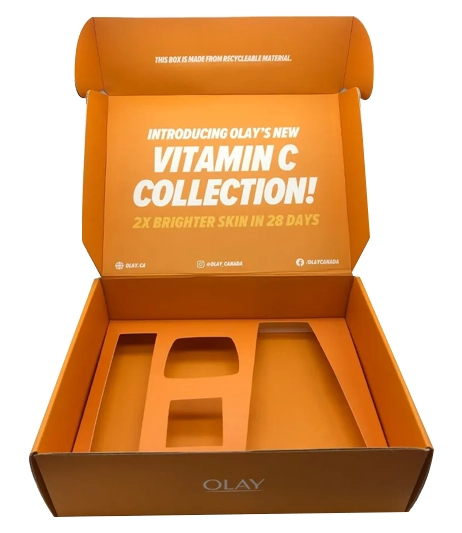
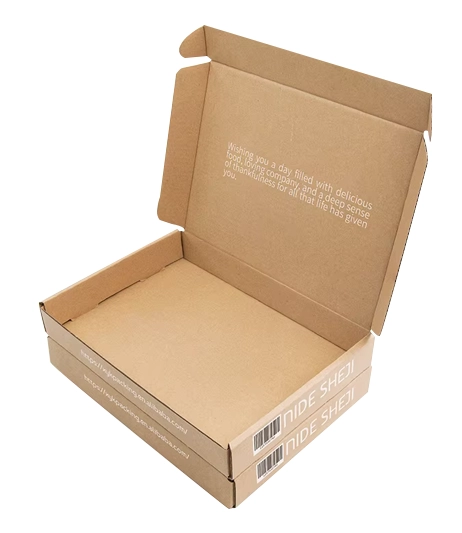
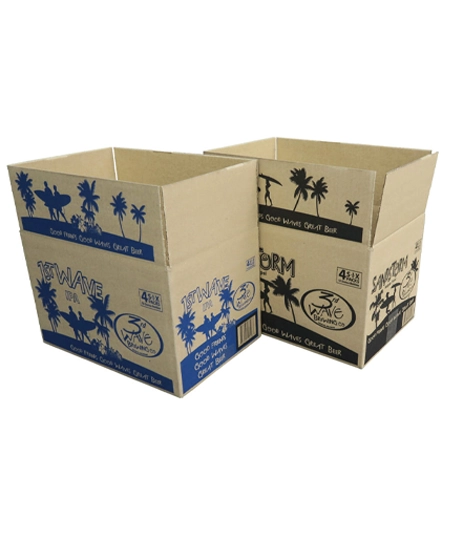
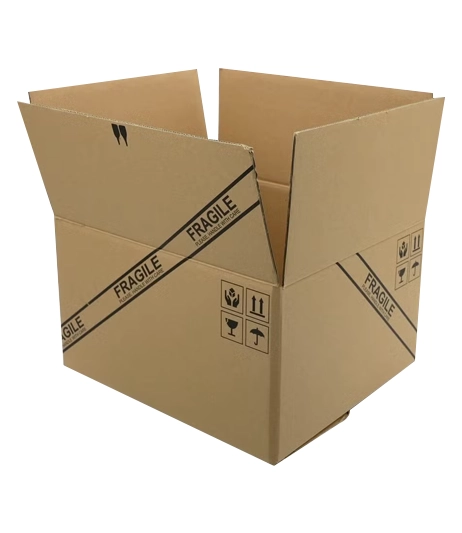
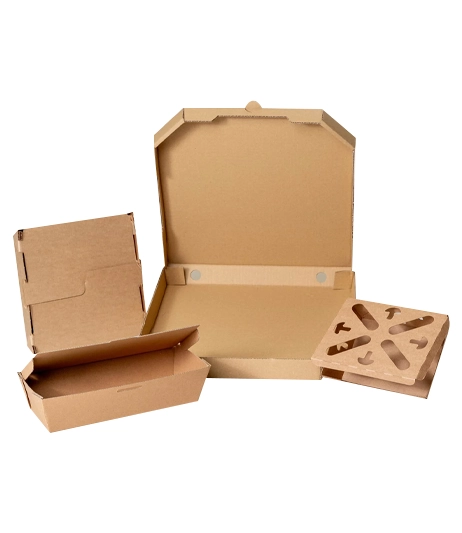
Custom corrugated boxes can bring structure, product fit, and brand expression into one project specification. At Custom Boxes Inc., we help you plan the box dimensions, style, printing, and finish around how the item will be packed, handled, shipped, displayed, or opened. Corrugated packaging can be developed for a straightforward outer box, a branded mailer, a product presentation, or a retail-facing format when the project calls for it. Start with the product measurements, weight, contents, and intended journey, then add the artwork and detail choices that support a cohesive experience. The result is a more considered corrugated box direction, built around the product rather than a generic format.

Select dimensions in cm, mm, inches, ml, or oz and more — whatever fits your product.

Choose the Stock, printing type, and enter your order quantity.

Upload your ready artwork — or just write “Need Design” and we'll handle it.

Fill in your name, contact number, and email for quick communication.

Solve a quick captcha and hit “Submit Quote” — it takes seconds!

Our expert will reach out ASAP with the best market rate from a top packaging provider.

After You Approve the Quote — Here's What Happens Next


Corrugated packaging should be specified around the product and the way the box will be used, not chosen as an afterthought. The same material direction can support a branded mailer, an outer box, a display format, or a product pack, but each project needs its own dimensions, panel plan, and opening approach. A useful custom corrugated box starts with the item inside, then brings together the handling journey, required organization, visual hierarchy, and brand details. This keeps the package grounded in a practical brief while still giving the exterior and opening experience a clear role in how customers encounter the product.
Before choosing a box style, map the journey the item will take. Will it move through a fulfillment process, travel to a customer, appear at retail, be used for an event, or be handed over as a gift? The answer helps define the conversations that matter most. A delivery-focused box may need the product and interior elements considered together, while a branded mailer may place more attention on the opening sequence. A retail-facing corrugated format may need a clearer front panel and more deliberate side-panel treatment. List what the box must contain, including the product, wrapping, accessories, printed pieces, and any divider or insert. Note the product measurements and weight, as well as whether the contents have an unusual shape or several separate parts. This gives Custom Boxes Inc. a practical starting point for discussing the dimensions and structural direction. It also helps avoid an attractive exterior being developed around a box that does not suit the actual packed product.
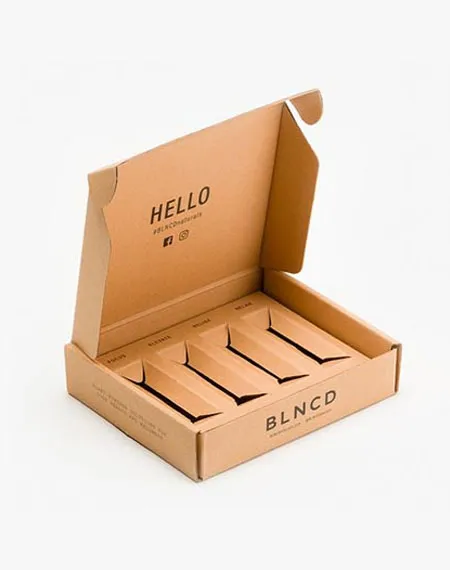
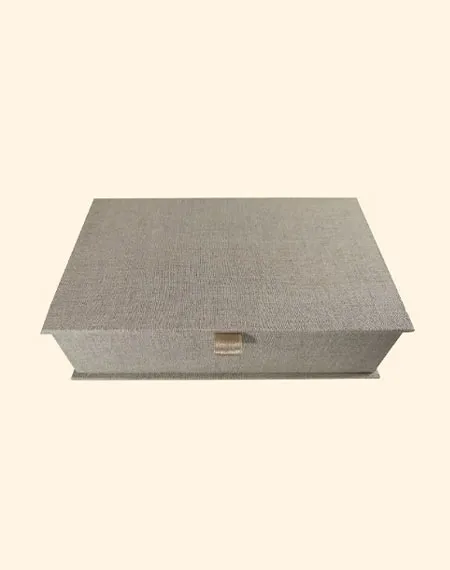
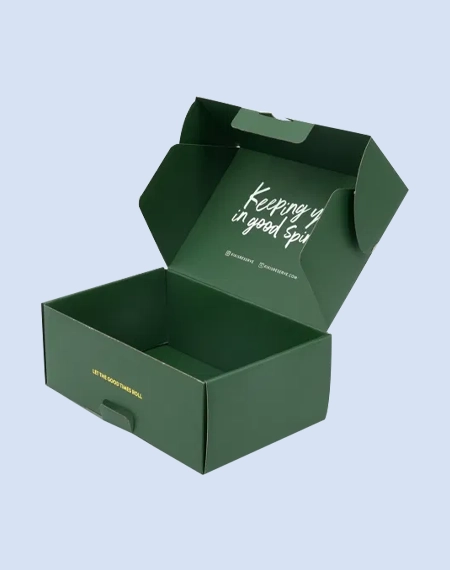
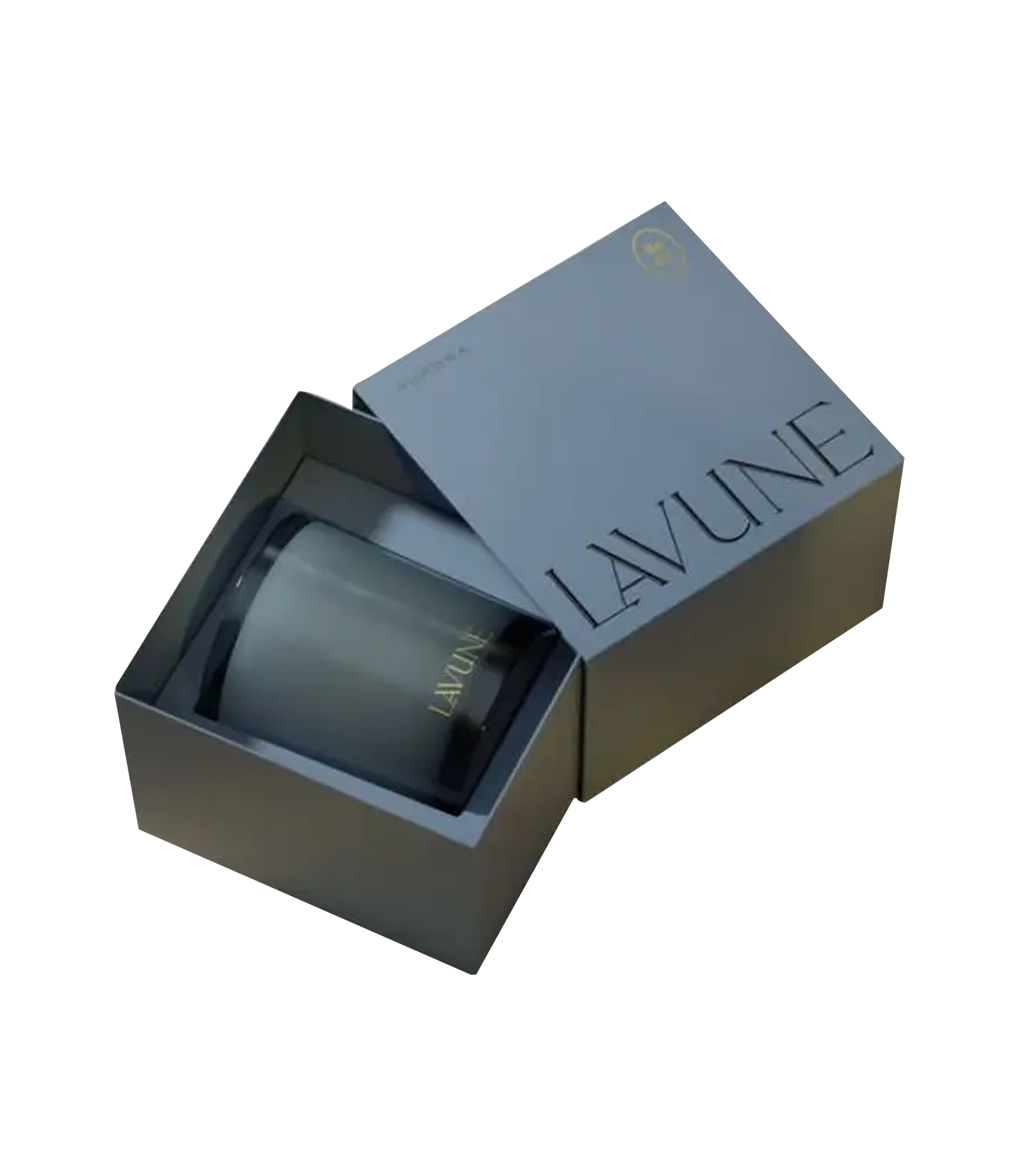
Custom length, width, and depth should be planned around the packaged item rather than a generic size. Small changes to those measurements can affect how the product sits, how much space is available for inserts, and how the printed panels are proportioned. Start from accurate product measurements, then account for any protective wrapping, accessories, and the desired presentation when the box is opened. Corrugated projects can take several structural directions. Mailer-style boxes can support a more coordinated opening experience. Display boxes can bring the product forward in an appropriate point-of-sale setting. Sleeves can create a branded outer layer around another pack, while gable-style boxes provide a built-in carrying form for suitable projects. Tuck-end formats may also be evaluated where they fit the product and overall specification. The most useful style is the one that follows the product journey and allows the printed panels, opening method, and interior arrangement to work together.
The interior can make a box feel intentional instead of merely spacious. If the item needs to stay in a defined position, insert choices such as board, paper-based, foam, cavity, or blister formats can be considered according to the project. The right approach depends on the product shape, number of pieces, and the presentation the brand wants after opening. It is better to discuss the interior at the same time as the box than to treat it as an add-on after the outside is designed. Product samples, photographs, or a clear packing layout can help make this conversation specific. They show how the item is arranged, which panels are visible at opening, and where an insert or divider may be useful. That information can be brought into the dieline and artwork process so the box is planned as one coordinated package.
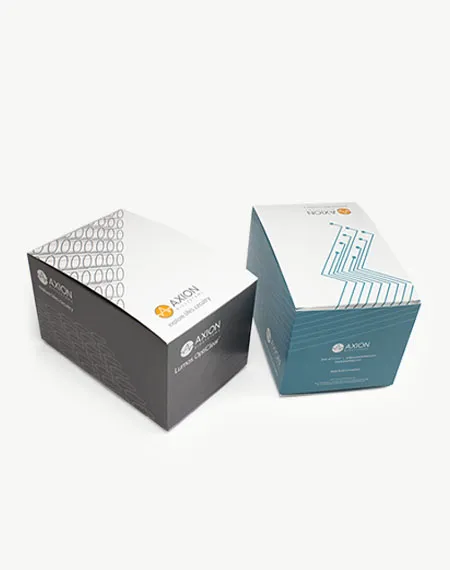
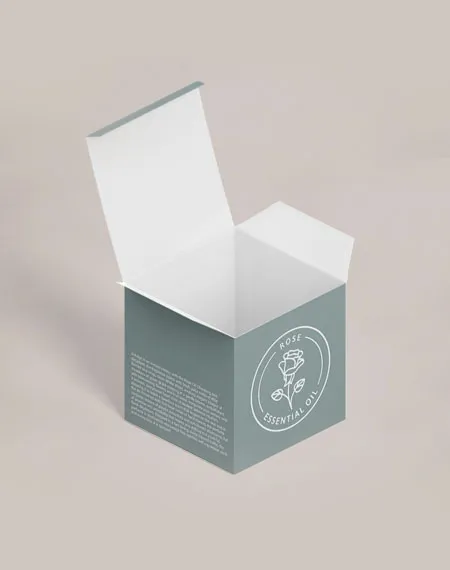
Corrugated packaging gives the brand several surfaces to use with purpose. The front panel can establish the logo, product name, or main message. Side panels can carry product details, a graphic pattern, or instructions, while the top panel can support recognition in storage or stacked presentation. Before final artwork is prepared, map those elements to the real panel layout rather than treating the design as a flat image. Digital and offset printing, CMYK, and PMS/spot color options can be considered based on the project. The choice depends on artwork, quantity, intended color treatment, and the selected construction. White ink may also be considered when the material direction and graphic concept call for stronger contrast. A supplied dieline and artwork check help keep important graphics clear of folds, seams, and opening areas. A digital proof then gives the project team an opportunity to review the proposed layout before production.
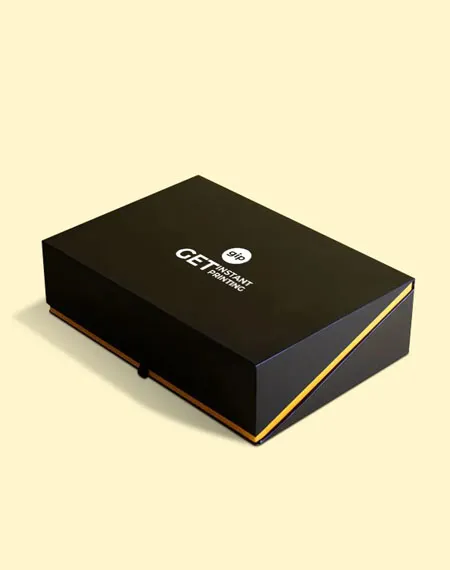
A corrugated box can be functional and still feel like part of the brand system. Start with the information that is most important to the recipient or customer, then let print, material character, and finishing reinforce it. A simple logo-focused exterior may be right for one project, while another may use bolder color, pattern, or illustrated details. The right direction should reflect the product and its intended journey, not a generic notion of what corrugated packaging has to look like. Finishing options such as matte, gloss, soft-touch, aqueous coating, foil stamping, embossing, debossing, spot UV, and raised effects can be evaluated where appropriate for the material and project. Use them selectively to support a logo, title, or controlled point of emphasis. Bringing finish choices into the artwork discussion early helps the visual plan remain connected to the box structure and printed panels.
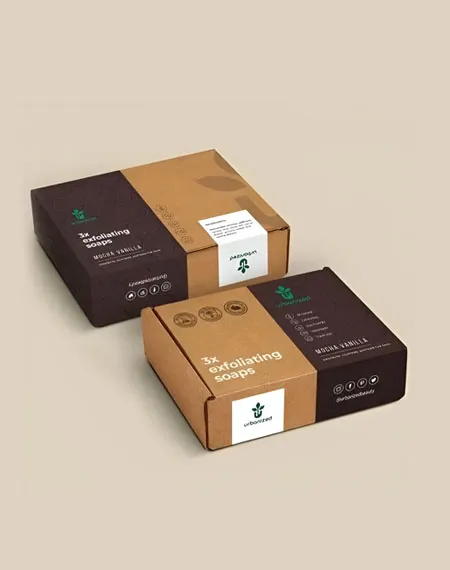
A single brand may need several corrugated box sizes or structures without losing its visual identity. A shared logo position, type treatment, color framework, or graphic pattern can connect an outer box, mailer, display format, or product pack. Then each size can be adjusted around its own contents and packing needs. This is particularly useful when a business expects new product variations, kits, or seasonal presentations. Keep approved artwork files, dielines, and proof details organized once a direction is established. Those references can make later packaging discussions more efficient while allowing new boxes to retain the product-fit dimensions and structure they need. Consistency does not require every box to be identical; it gives the range a recognizable framework.
Trusted for shipping and retail packaging.
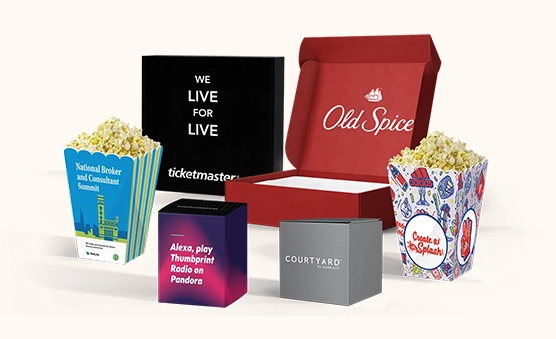


Answers to Help You Order with Confidence
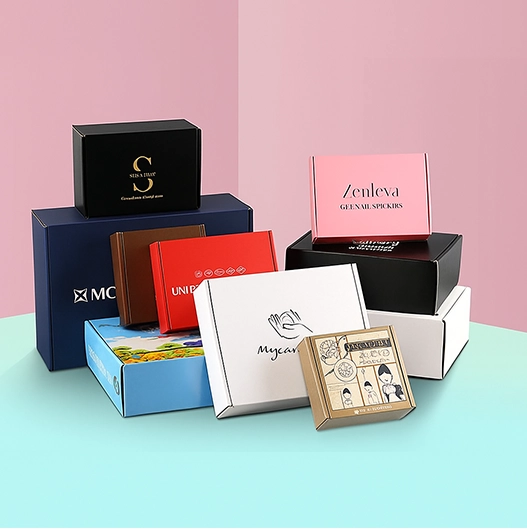
Custom corrugated boxes can be planned for shipping, retail, branded mailers, display formats, product packs, and gifting. The right specification depends on the product dimensions, contents, handling journey, and intended presentation.
Yes. Custom length, width, and depth can be developed around the product, wrapping, accessories, and any insert or divider. Accurate measurements and product photos help define the box structure more clearly.
Yes. Digital or offset printing, CMYK, and PMS/spot colors can be considered according to the project. Artwork can be mapped to the actual box panels through a dieline, artwork check, and digital proof.
Yes. Board, paper-based, foam, cavity, or blister insert options can be considered according to the product and how it needs to be arranged inside the package. Share product details and any packing requirements when requesting a quote.
Include the product type, dimensions, weight, contents, desired box style, quantity, artwork, and any print, insert, or finishing details. Also explain whether the packaging will be shipped, displayed, handed over, or opened as part of a presentation.
Custom Boxes Inc is a leading manufacturer and supplier of custom packaging boxes tailored for every product and industry. From startups to global brands, we empower businesses across the USA with cost-effective, high-quality, fully personalized packaging solutions — crafted with precision, delivered with speed. Whether you need eco-friendly cardboard boxes, rigid luxury boxes, or branded retail-ready display packaging — we've got you covered with endless customization options, low MOQs, and lightning-fast turnarounds.