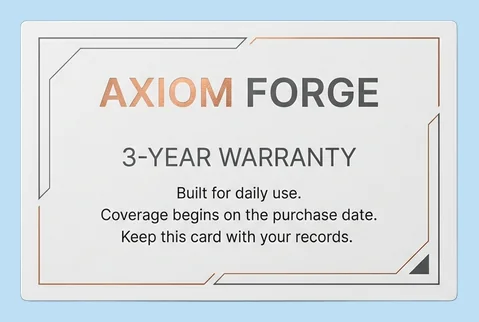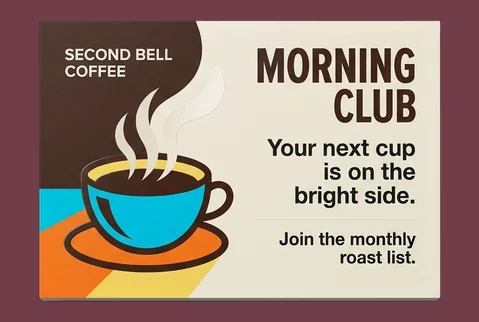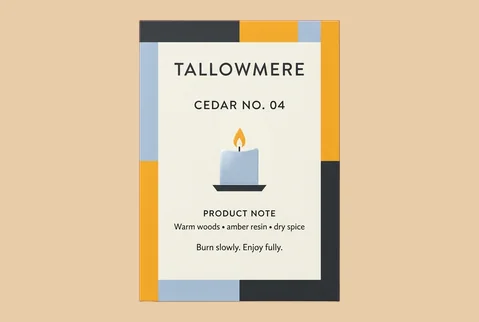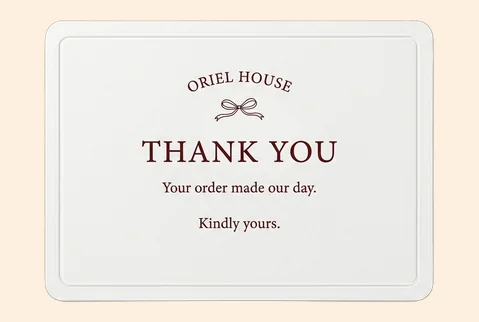


Select dimensions in cm, mm, inches, ml, or oz and more — whatever fits your product.

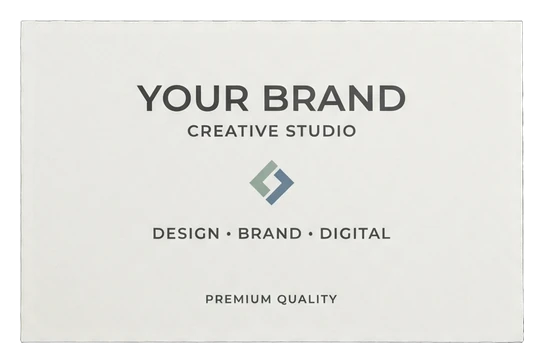
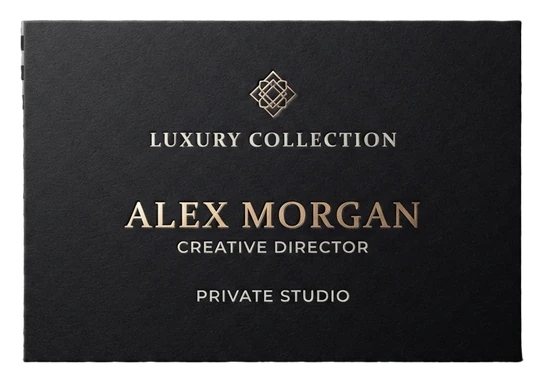
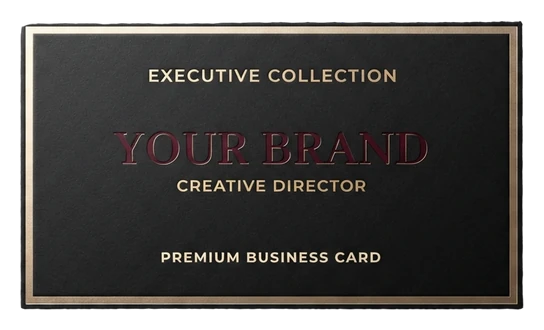
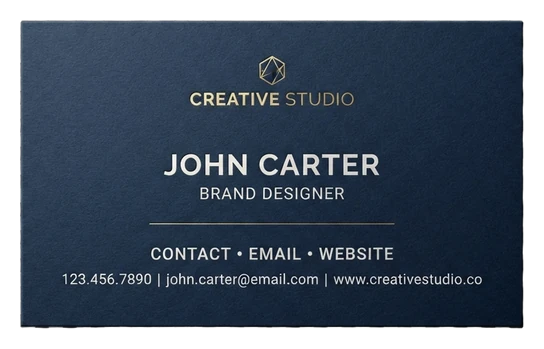
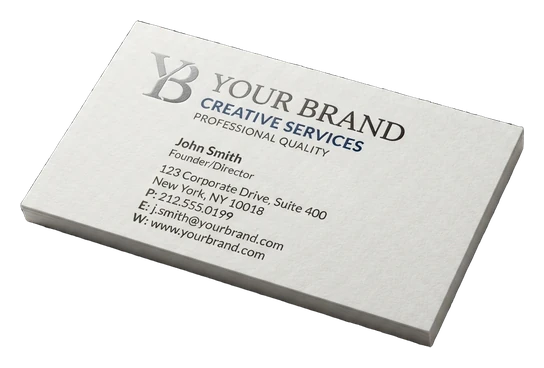
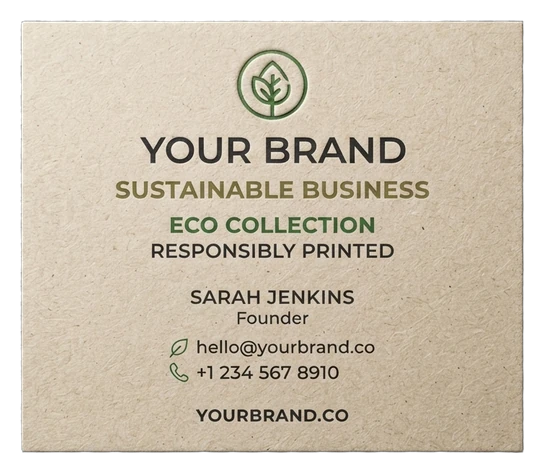
Custom business cards are compact printed identity tools used by entrepreneurs, sales teams, consultants, creatives, retailers, tradespeople, and corporate staff. They place essential contact details, logos, services, QR codes, or appointment information into a portable format for meetings, events, counters, deliveries, and everyday professional introductions across varied industries and customer-facing roles. Select the finished size, orientation, stock, thickness, corner style, printing, and surface finish according to how the card will be carried, written on, scanned, or displayed. Custom Boxes Inc. can review your quantity, artwork, color requirements, and preferred specification before preparing a quotation for one design, multiple employee versions, or coordinated brand sets.

Select dimensions in cm, mm, inches, ml, or oz and more — whatever fits your product.

Choose the Stock, printing type, and enter your order quantity.

Upload your ready artwork — or just write “Need Design” and we'll handle it.

Fill in your name, contact number, and email for quick communication.

Solve a quick captcha and hit “Submit Quote” — it takes seconds!

Our expert will reach out ASAP with the best market rate from a top packaging provider.

After You Approve the Quote — Here's What Happens Next


Business cards are flat printed contact pieces designed to introduce a person, company, service, or product in a format that is easy to exchange and retain. They are commonly ordered by founders, sales representatives, real estate professionals, consultants, contractors, hospitality teams, healthcare practices, retailers, and event exhibitors. A card may include a name, role, phone number, email, website, address, social handle, QR code, appointment field, or brief service message. Buyers usually compare stock feel, thickness, print clarity, color consistency, legibility, finish, shape, quantity, and how comfortably the card fits a wallet or holder. The main design problem is fitting useful information into a small area without reducing readability or weakening brand hierarchy. A well-planned business card gives the recipient a clear next action, keeps employee details consistent across a team, and supports face-to-face networking, shipped orders, front-desk use, referrals, and follow-up conversations.
Coated cardstock suits business cards that need crisp imagery, strong color density, and a smooth surface. Matte-coated stock reduces reflection compared with glossy stock, while gloss can increase shine and make photographs or saturated colors appear more vivid. Uncoated cardstock offers a more natural paper feel and is usually easier to write on, making it useful for appointment notes, loyalty marks, or personalized messages. Heavier cover stocks create greater rigidity and perceived substance, but they also increase bulk in wallets, card cases, shipping, and storage. Cotton-based or textured papers can add tactile distinction, although fine details, large solid colors, and small reversed text may reproduce differently across those surfaces. Dark or colored stocks may require white ink or another production approach for adequate contrast. Stock names and point thicknesses are not perfectly interchangeable across suppliers, so selection should follow an approved specification or sample. Compare surface, stiffness, opacity, edge appearance, writing needs, and print behavior before approving the order.
Standard rectangular cards remain practical for most U.S. networking because they fit familiar wallets, card holders, scanners, and desk organizers. The common 3.5 × 2-inch finished format may be printed horizontally or vertically, depending on the information hierarchy and logo shape. Square cards, mini cards, rounded corners, folded cards, and custom die-cut profiles can create distinction, but they may occupy more space, catch on holders, or reduce the usable area for contact details. Folded formats provide extra panels for services, appointment information, menus, or instructions, yet the crease position must be planned before artwork begins. Single-sided cards concentrate information on one face; double-sided cards separate identity from services, QR codes, or calls to action. Rounded corners soften the outline without changing the basic card function. Custom shapes should preserve adequate edge strength and readable margins. Format selection should consider exchange, storage, writing, scanning, mailing, and whether multiple employee or location versions will share one visual system.
Offset printing is appropriate for larger quantities, repeated corporate programs, and jobs that benefit from stable press conditions or specified spot colors. Digital printing supports shorter runs, prototypes, employee-specific versions, and frequent updates without requiring the same setup as conventional offset work. Screen printing may suit selected specialty stocks, heavy ink coverage, or unusual visual effects, but it is not the default method for information-dense cards. CMYK process printing reproduces photographs, gradients, and broad color ranges; PMS spot colors can be specified when a controlled brand color is important. Exact appearance still depends on stock whiteness, coating, ink, press calibration, drying, and the approved production standard. White ink may be needed on dark or colored paper to create contrast or an underbase. Artwork should use high-resolution images, prepared fonts, correct color mode, sufficient bleed, and safe placement for small text. Fine rules, QR codes, and reversed typography require particular attention during prepress review and proof approval.
Matte finishes reduce glare and support a restrained, professional appearance, while gloss finishes increase reflectivity and can make photographs look more saturated. Uncoated surfaces preserve a natural paper texture and remain practical when recipients need to write on the card. Soft-touch lamination adds a velvety feel, but it can show handling marks and may affect recyclability or writing performance. Foil stamping can emphasize a logo, name, or graphic with metallic contrast. Embossing or debossing introduces physical relief, although fine text, QR codes, and areas near trimmed edges are poor candidates. Spot UV creates selective shine over a compatible printed surface, helping a logo or pattern stand apart from a matte background. Rounded corners change the card silhouette and reduce sharp points. Painted or colored edges may suit thick stocks but should be assessed for rubbing and production variation. Select finishes according to handling, readability, brand position, writing needs, quantity, and budget rather than layering decorative effects without a clear purpose.
Begin with the finished card dimensions, orientation, corner style, and whether the design prints on one side or both. A common U.S. business card measures 3.5 × 2 inches, while square, mini, folded, and custom die-cut formats require their own templates. Artwork should extend through the specified bleed so trimming does not expose unintended white edges. Names, phone numbers, QR codes, logos, and other critical elements should remain inside the approved safe area. Borders need careful planning because small cutting variation can make narrow frames appear uneven. Folded cards require the crease and panel sequence to be established before artwork placement. Custom die-cut shapes need a production outline, adequate edge spacing, and realistic expectations for fine projections. A proof can check spelling, contact details, orientation, crop, color references, and version assignments before production. For team orders, create a controlled data list covering names, titles, phone numbers, email addresses, locations, and quantities. Tolerances, bleed, and safe areas should follow the approved production template rather than a universal assumption.
Business cards experience repeated handling, wallet storage, desk stacking, mail insertion, and contact with moisture or skin oils. Stock stiffness, coating, lamination, ink coverage, corner shape, and edge treatment all influence how the card wears. Gloss and laminated surfaces can resist some scuffing, but scratches, fingerprints, or cracked edges may become visible under certain conditions. Uncoated cards may mark sooner, yet they remain easier to write on and can provide a more natural tactile experience. Dark solid backgrounds often show edge wear more clearly than lighter designs. Rounded corners may reduce pointed-corner bending, while custom die-cut projections can be more vulnerable during carrying. Right-sizing the card and avoiding unnecessary layers can reduce material use and shipping bulk. Recycled content, certified fiber, recyclability, and plastic-free claims require documentation for the exact stock, coatings, laminations, foils, and production route. When mixed finishes are used, communicate disposal guidance carefully and avoid assuming every local recovery system accepts the completed card.
Prepare the quotation request with the finished size, orientation, quantity, number of employee or location versions, preferred stock, printing sides, finish, corner style, and delivery destination. Submit final contact information and artwork, or identify which design elements still require development. Custom Boxes Inc. can review the specification and flag missing production details before proof approval. Confirm spelling, phone numbers, email addresses, QR-code destinations, bleed, safe areas, colors, and version quantities carefully because small data errors can affect an entire run. Production checks may cover stock identity, finished dimensions, trimming, corner treatment, print registration, finish placement, QR-code readability, version counts, quantity, and packing against the approved specification. Request your custom business card quotation through the inquiry form, call (833) 565-0363, or email inquiry@customboxesinc.com with your artwork status, preferred quantity, and card requirements.


Answers to Help You Order with Confidence
Coated cardstock works well for crisp color and smooth presentation, while uncoated stock is better when recipients need to write on the card. Heavier cover stock adds rigidity, and textured or cotton-based papers create tactile character. The best choice depends on artwork, handling, writing needs, quantity, and verified production options.
A common U.S. business card measures 3.5 × 2 inches and fits most wallets and holders. Square, mini, folded, vertical, or die-cut cards may suit particular branding goals, but they can change storage and usable print space. Choose the format according to content, exchange setting, scanning, mailing, and handling.
Yes, one approved layout can support multiple names, titles, phone numbers, email addresses, locations, or QR codes. Prepare a controlled data list and assign the quantity required for each version. Every variable field should be checked during proofing because one incorrect record can affect the corresponding employee’s entire printed set.
Provide production-ready front and back artwork on the approved template, using high-resolution images, prepared fonts, correct color settings, bleed, and safe margins. Separate special-finish layers clearly, and confirm orientation so both sides align as intended after trimming. QR codes, phone numbers, email addresses, and small text require careful final review.
Yes, proofing should occur before production approval. A digital proof can confirm spelling, contact details, orientation, crop, color references, QR-code placement, and version assignments. A physical sample may be useful when stock feel, thickness, texture, edge treatment, or a specialty finish needs evaluation beyond a screen-based review.
Custom Boxes Inc is a leading manufacturer and supplier of custom packaging boxes tailored for every product and industry. From startups to global brands, we empower businesses across the USA with cost-effective, high-quality, fully personalized packaging solutions — crafted with precision, delivered with speed. Whether you need eco-friendly cardboard boxes, rigid luxury boxes, or branded retail-ready display packaging — we've got you covered with endless customization options, low MOQs, and lightning-fast turnarounds.