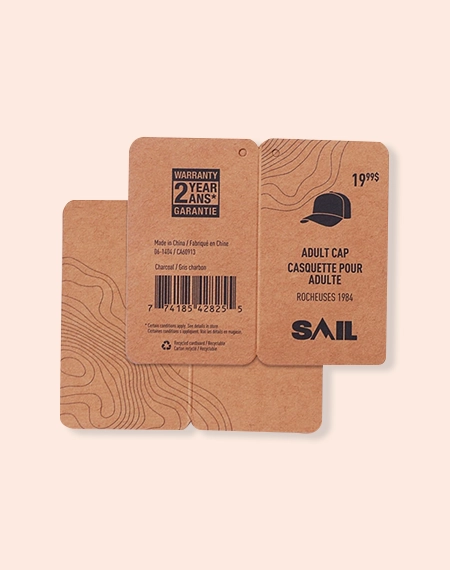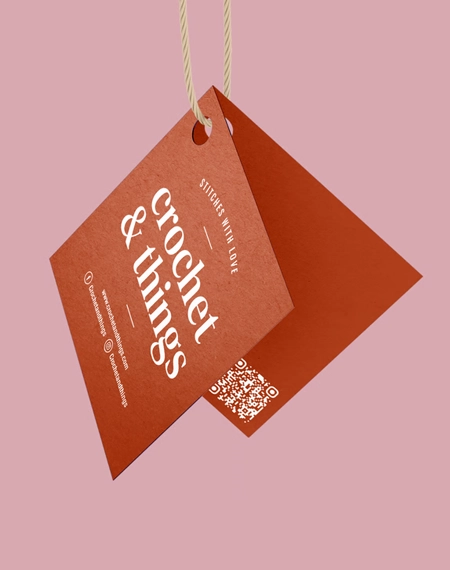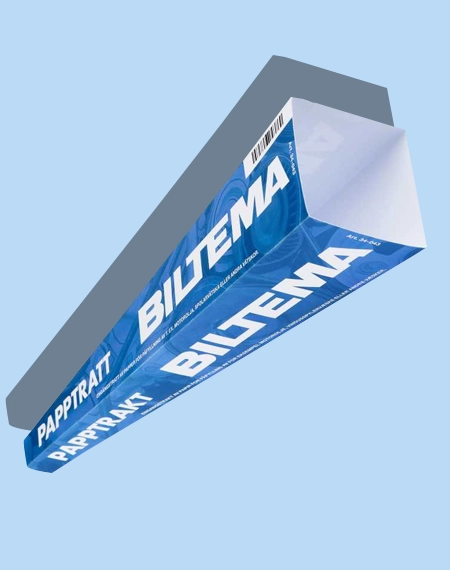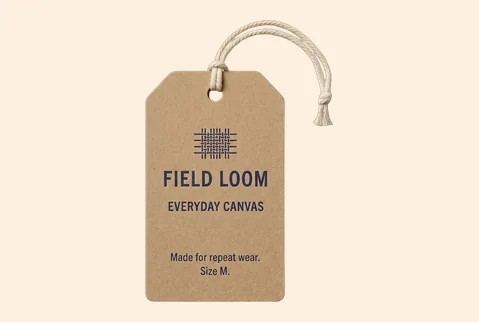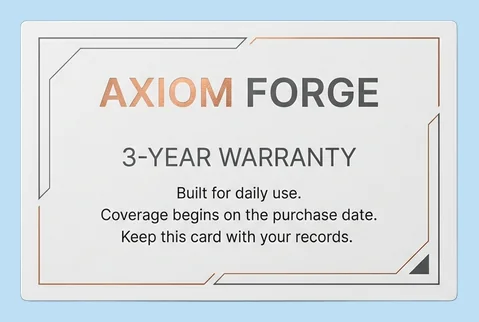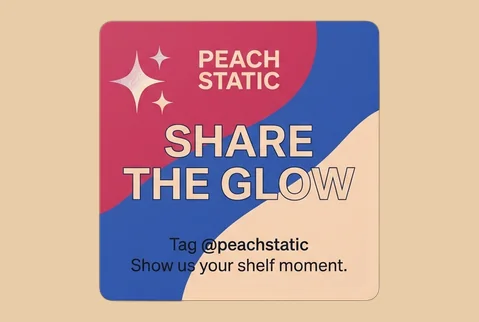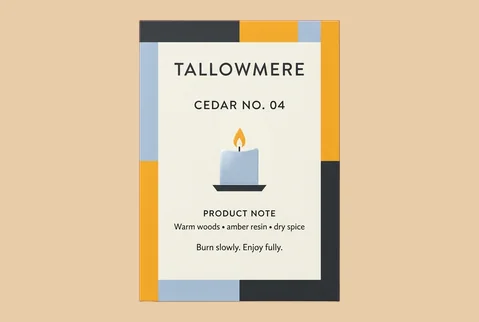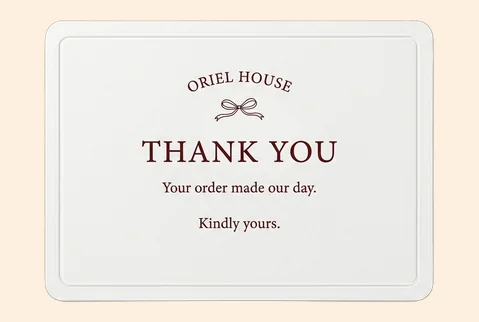


Select dimensions in cm, mm, inches, ml, or oz and more — whatever fits your product.

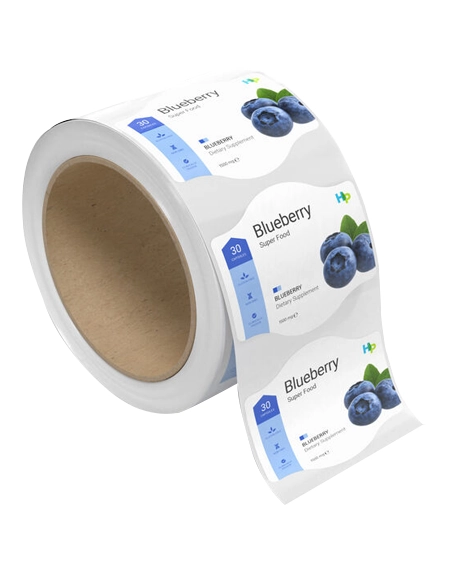
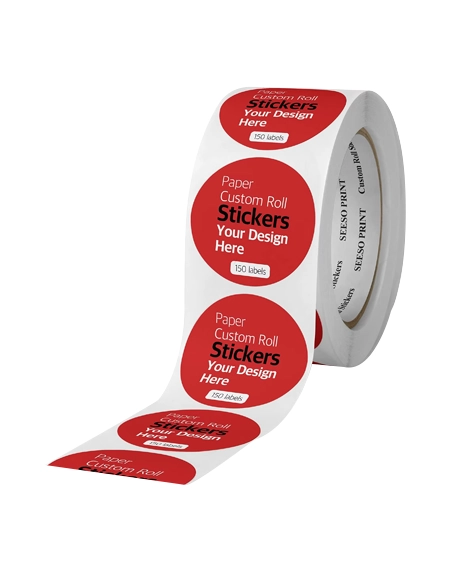
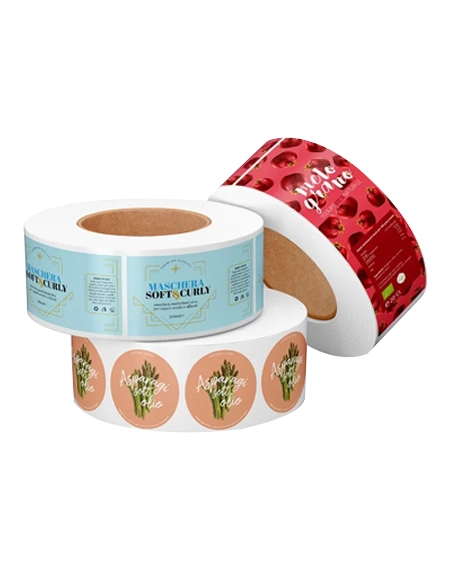
Custom labels turn bottles, jars, boxes, pouches, tubes, cans, mailers, equipment, and promotional items into recognizable, informative products. Brands use them for product identity, ingredients, instructions, warnings, barcodes, variable data, tamper indication, inventory control, shipping, and customer engagement across food, beverage, cosmetics, supplements, household goods, industrial products, retail, and ecommerce. Each label must work as a construction, not only a printed graphic. Facestock, adhesive, liner, coating, ink, size, shape, roll direction, application surface, temperature, moisture, oils, handling, and service life influence performance. Custom Boxes Inc. can review these variables, organize artwork and versions, and develop a quotation for sheet, roll, cut, removable, permanent, promotional, or product-specific label programs.

Select dimensions in cm, mm, inches, ml, or oz and more — whatever fits your product.

Choose the Stock, printing type, and enter your order quantity.

Upload your ready artwork — or just write “Need Design” and we'll handle it.

Fill in your name, contact number, and email for quick communication.

Solve a quick captcha and hit “Submit Quote” — it takes seconds!

Our expert will reach out ASAP with the best market rate from a top packaging provider.

After You Approve the Quote — Here's What Happens Next


Custom labels serve consumer brands, manufacturers, retailers, warehouses, laboratories, service companies, event businesses, and ecommerce sellers. Their role changes with the application. A front label may establish product identity and shelf recognition; a back label may carry ingredients, directions, warnings, or regulatory information; a case label may support receiving and traceability; a shipping label may route a parcel; and a promotional label may seal tissue, close a mailer, or connect customers to digital content. Food, beverage, cosmetics, candles, supplements, chemicals, apparel, electronics, automotive parts, and household products all create different surface and environmental conditions. The first decision is therefore not color or shape. It is the label’s job, the surface it must adhere to, the information it must communicate, and the period it must remain readable. That definition guides material, adhesive, print, format, application, testing, and cost decisions throughout the program.
A pressure-sensitive label is a layered construction comprising printable facestock, adhesive, and release liner, often with coatings or laminates added for performance. Coated and uncoated papers suit many dry, indoor products and can provide smooth, textured, kraft, or writable appearances. BOPP and other films can support moisture, oil, squeezing, clear-label effects, or greater tear resistance when the exact material fits the container and environment. Polyester, vinyl, foil, and specialty stocks serve selected industrial, outdoor, security, or premium applications. Adhesive choice is equally important: permanent, removable, repositionable, freezer, high-tack, low-surface-energy, and wash-off systems behave differently across glass, metal, corrugated board, paper, and plastics. Surface energy, curvature, texture, cleanliness, condensation, application temperature, and service temperature can determine whether a label stays flat or lifts. The liner also affects die-cutting, dispensing, machine application, and waste. Material names alone do not prove compatibility; representative samples should be tested on the actual package under realistic conditions.
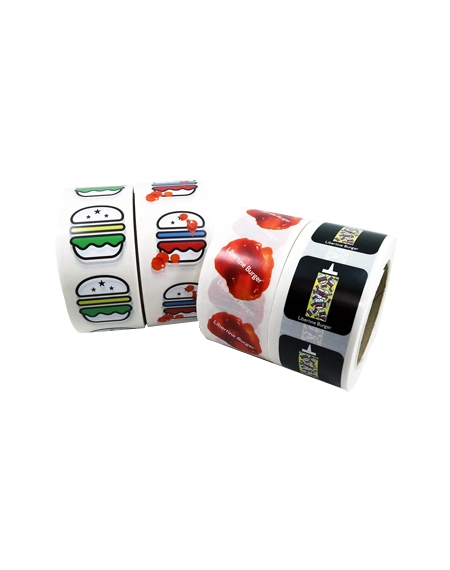
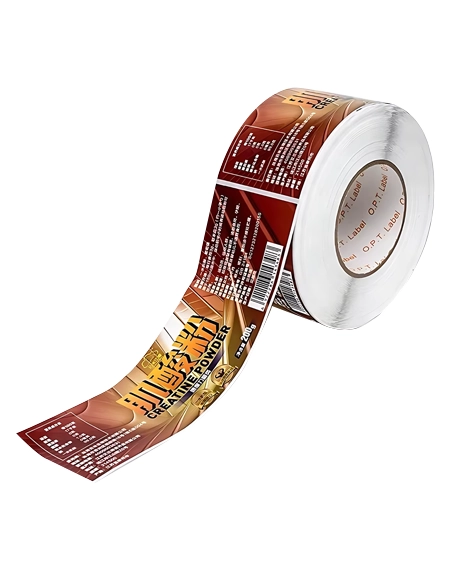
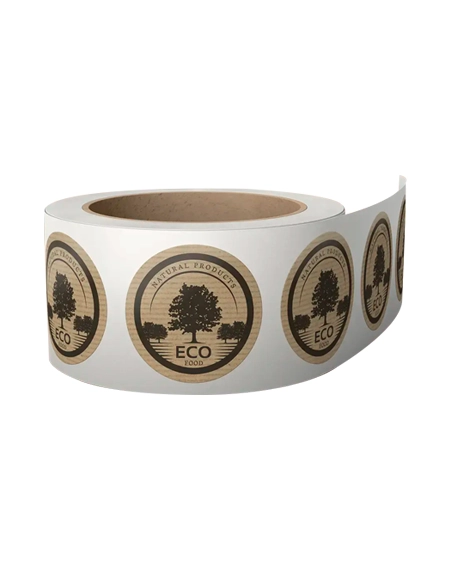
Label format determines how products are packed, applied, stored, and reordered. Sheet labels work well for smaller quantities, manual application, prototypes, event projects, and businesses that need several labels presented on one page. Roll labels support faster hand dispensing, semi-automatic application, and automated labeling lines when core size, maximum roll diameter, gap, liner width, unwind direction, and label orientation match the equipment. Individually cut labels or stickers suit promotions, inserts, giveaways, and applications where each piece is distributed separately rather than applied in sequence. Front-and-back sets can keep paired designs together, while multi-layer, booklet, wraparound, tamper-evident, thermal, and linerless constructions solve more specialized information or operational needs. Shape also influences application: rectangles and ovals can wrap predictable surfaces, while intricate die cuts may be slower to peel or may expose narrow points that lift. The correct format begins with who applies the label, at what speed, using which equipment, and how many designs share the order.
Digital printing supports short and medium runs, frequent artwork changes, prototypes, sequential numbering, multiple SKUs, and variable information without conventional plate changes. Flexographic printing can serve longer roll-label programs, spot colors, coatings, varnishes, and efficient converting when volume justifies setup. Offset, screen, thermal-transfer, and direct-thermal methods apply to selected sheet, industrial, warehouse, shipping, or on-demand programs. CMYK reproduces photographs and broad color ranges, while PMS inks can establish controlled brand references. White ink may create opacity beneath graphics on clear, metallic, or colored facestocks. Artwork should use the approved template, prepared fonts, suitable resolution, bleed, safe areas, and separate layers for white ink, varnish, foil, or variable data. Barcodes need sufficient contrast, quiet zones, size, resolution, and placement on a smooth area; GS1 US warns that poor print quality or unsuitable positioning can prevent reliable scanning. Version control should map SKUs, languages, dates, lots, regulatory copy, and quantities before approval.
Finishes should respond to the label’s environment and brand role. Matte varnish or laminate can reduce glare and support restrained graphics, while gloss can intensify color and create a smoother visual surface. Lamination may improve resistance to rubbing, moisture, oils, or cleaning, but performance depends on the exact film, edge exposure, adhesive, and application. Spot varnish, spot UV, foil, metallic stocks, embossing, debossing, and tactile coatings can emphasize logos, edition details, or premium product cues when the label construction and converting process support them. Clear labels can create a no-label appearance, although container color, contents, condensation, bubbles, and white-ink planning affect the result. Removable adhesives support temporary pricing, promotions, returns, or reusable containers; security cuts, destructible films, void materials, and tamper seals can indicate interference. Writable zones, thermal-imprint areas, perforations, tabs, and extended-content layers add operational value. Choose enhancements after defining handling, application speed, required information, scanning, surface contact, and end-of-life considerations.
Measure the usable application area rather than only the container’s overall width and height. Record the surface material, diameter, taper, compound curves, seams, ridges, recesses, handles, closures, and the location where shoppers or scanners will view the label. For wraparound labels, confirm circumference and overlap expectations; for front-and-back sets, define alignment and spacing; for small containers, reserve enough room for required text and readable codes. Finished dimensions differ from the artwork file because bleed extends beyond the cut line and critical information must remain inside the safe area. The approved dieline should identify cut shape, corner radius, gaps, matrix, liner width, unwind direction, core, repeat length, perforations, and variable-print zones where relevant. Physical samples can reveal flagging, wrinkling, tunneling, bubbles, edge lift, label memory, and dispensing issues that a screen proof cannot show. Plan families by shared size, material, adhesive, and finish, then map each SKU’s artwork, quantity, barcode, language, and data requirements before production.
Label performance should be evaluated on the actual container after filling, conditioning, handling, storage, transportation, and use. Application failures can result from dust, oils, mold-release agents, condensation, cold surfaces, low-energy plastics, tight curvature, squeezing, or applying labels outside the adhesive’s intended temperature range. Testing may examine initial tack, dwell time, edge lift, abrasion, moisture, refrigeration, freezer exposure, chemicals, sunlight, scuffing, barcode readability, and removal behavior according to the application. A label described as waterproof, freezer-grade, chemical-resistant, removable, or tamper-evident needs evidence for the exact material and conditions. Sustainability also requires construction-level analysis: paper facestock does not make a label universally recyclable if adhesives, laminates, release liners, metallic layers, or the labeled container disrupt recovery. The FTC advises against broad, unqualified environmental claims and expects specific, substantiated qualifications. Right-sizing labels, reducing unnecessary layers, consolidating versions, and selecting compatible components can improve material efficiency without overstating the outcome.
Begin the quotation with representative containers, application-surface details, finished label dimensions, shape, quantity, number of designs, material preference, adhesive requirement, sheet or roll format, application method, and delivery destination. For roll programs, include applicator specifications, core, roll diameter, gap, unwind direction, and orientation. Identify barcodes, variable data, lot fields, dates, regulatory text, and areas intended for later printing. Custom Boxes Inc. can review the brief, identify missing production details, and organize the proposed specification for proof approval. Confirm material, adhesive, liner, cut shape, print method, colors, finishes, artwork versions, quantities, and acceptance criteria before production. Quality checks may address dimensions, die-cut registration, matrix removal, color reference, text, barcode scanning, roll construction, counts, version separation, and packing. Request your custom label quotation through the inquiry form, call (833) 565-0363, or email inquiry@customboxesinc.com with your containers, application details, artwork status, quantities, and labeling workflow.


Answers to Help You Order with Confidence
Paper works well for many dry, indoor applications, while film may better support moisture, oil, squeezing, or clear-label effects. The correct facestock also depends on the adhesive, container material, curvature, filling conditions, refrigeration, and service life. Test representative constructions on actual filled containers before approving a production material.
Sheets suit smaller quantities, manual application, prototypes, and projects requiring several labels on one page. Rolls support faster hand dispensing and labeling equipment when core, diameter, gap, liner width, unwind direction, and orientation match the process. Choose the format around application volume, equipment, storage, and version requirements.
Choose adhesive according to the application surface, surface energy, texture, curvature, cleanliness, application temperature, service temperature, moisture, oils, and intended removal behavior. Permanent, removable, freezer, high-tack, and specialty adhesives are not interchangeable. A sample applied to the actual container under realistic conditions provides better evidence than a material name alone.
Yes, when the selected print process, artwork, and data workflow support them. Provide the data source, numbering rules, barcode type, required size, quiet zones, placement, and verification expectations before production. High-resolution printing and appropriate contrast are essential because poorly produced or positioned barcodes may fail to scan reliably.
Yes, depending on the available sampling program. A digital proof can confirm copy, color references, cut shape, barcode placement, and versions. Physical material or finished-label samples can help evaluate texture, opacity, adhesive behavior, dispensing, and application. Confirm available sample types, costs, revision limits, and schedules when requesting the quotation.
Custom Boxes Inc is a leading manufacturer and supplier of custom packaging boxes tailored for every product and industry. From startups to global brands, we empower businesses across the USA with cost-effective, high-quality, fully personalized packaging solutions — crafted with precision, delivered with speed. Whether you need eco-friendly cardboard boxes, rigid luxury boxes, or branded retail-ready display packaging — we've got you covered with endless customization options, low MOQs, and lightning-fast turnarounds.