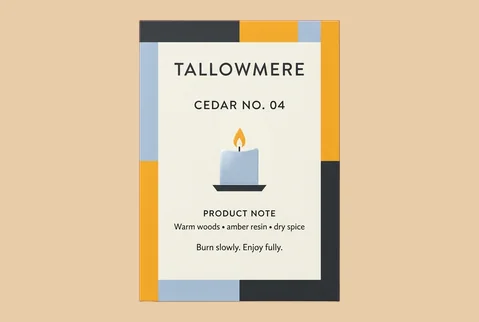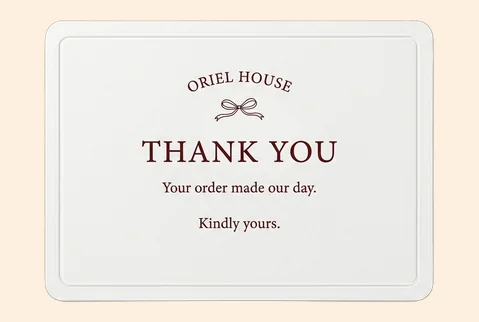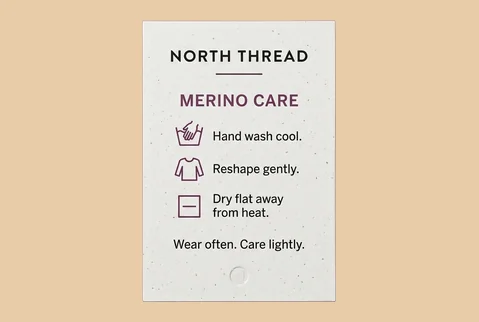


Select dimensions in cm, mm, inches, ml, or oz and more — whatever fits your product.

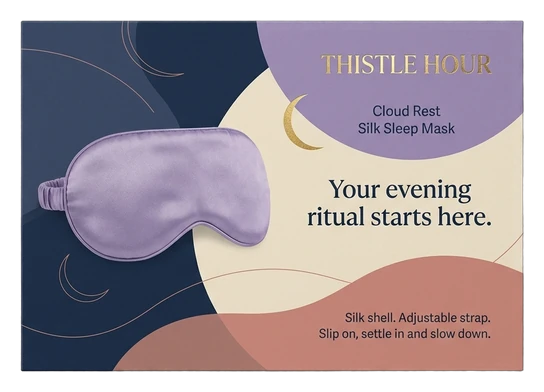
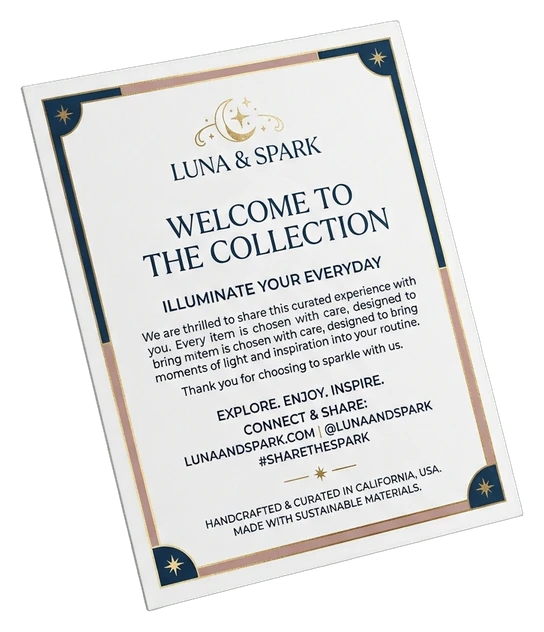
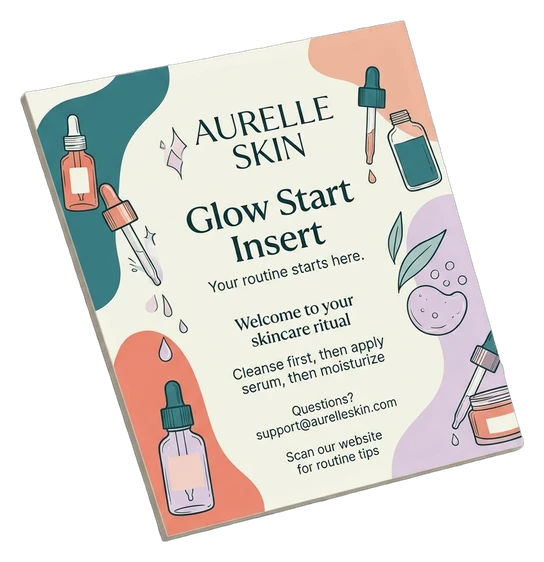
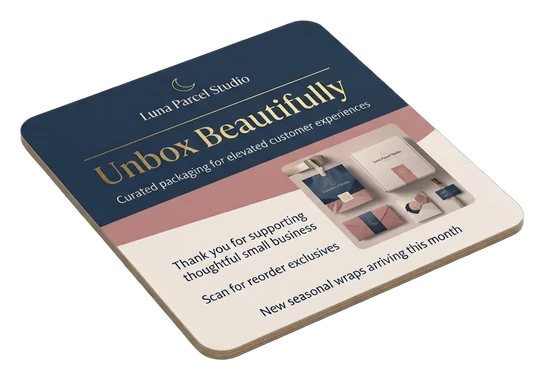
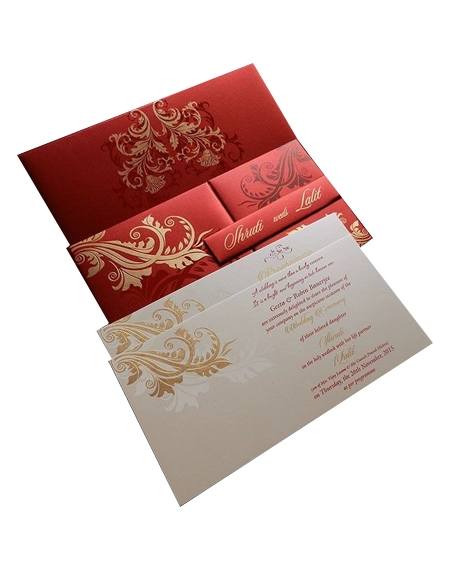
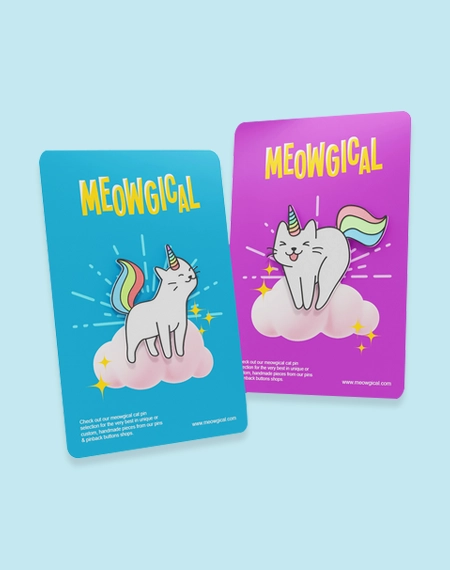
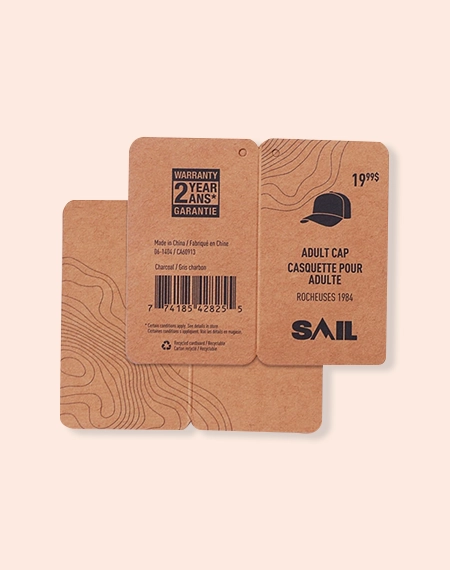
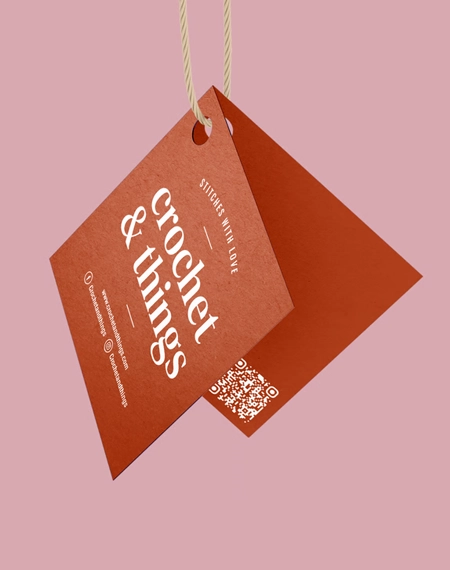
Custom packaging insert cards place useful printed information directly inside a customer's package. Plan the card around its purpose, package dimensions, artwork, and required stock so thank-you messages, care information, QR codes, instructions, or other customer communication remain clear and appropriately presented.

Select dimensions in cm, mm, inches, ml, or oz and more — whatever fits your product.

Choose the Stock, printing type, and enter your order quantity.

Upload your ready artwork — or just write “Need Design” and we'll handle it.

Fill in your name, contact number, and email for quick communication.

Solve a quick captcha and hit “Submit Quote” — it takes seconds!

Our expert will reach out ASAP with the best market rate from a top packaging provider.

After You Approve the Quote — Here's What Happens Next


Packaging insert cards work best when they have one clear job. Before choosing paper, finish, or even card size, decide what the customer needs to understand or do after opening the package. A card may thank them for the order, explain care or setup, introduce a product range, provide a QR code, share support information, or present a future offer. Trying to fit every message onto one small card can make the insert harder to read and less useful.
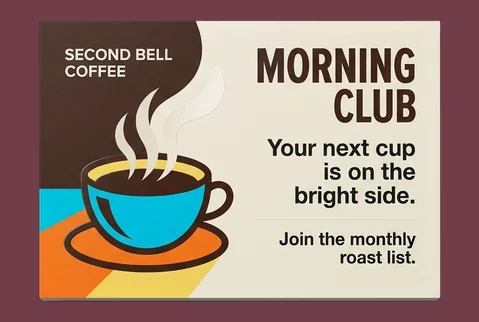
Define the primary action or information first. A thank-you insert can keep the message brief and brand-led. A care card may need structured instructions and enough space for warnings, symbols, or maintenance steps. A QR insert should make the destination and reason for scanning clear. A promotional card may need an offer, terms, and an expiry statement if one applies. For products with more complex instructions, consider whether a larger flat card or folded format is needed rather than shrinking the type. If several messages are equally important, a two-sided layout, where available for the selected print route, can separate them. One side might carry the brand and welcome message while the other presents care instructions, support information, or a call to action.
The insert should be planned around the usable space inside the box, mailer, pouch, bag, or presentation pack where it will be placed. Measure the internal area available after the product, protective components, tissue, or other inserts are in position. A card that fits an empty box may bend, cover the product awkwardly, or interfere with closing once the complete pack is assembled. Card orientation also matters. A landscape card can suit a wide mailer or shallow box, while a portrait card may fit better beside a product or inside a narrow package. If the card is meant to sit on top of the product for immediate visibility, specify the area you want it to cover. If it will be placed underneath or beside an item, make sure the recipient can find it without disturbing the package unnecessarily. For multiple package sizes, decide whether one universal card can work across the range or whether separate sizes are more practical. Using one size can simplify inventory, but a card that looks balanced in a large box may dominate a small package.
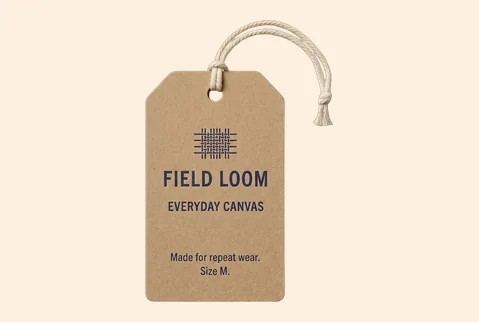
The appropriate stock depends on how the card will be handled, what it needs to communicate, and the visual character of the package. A straightforward informational insert may only need a clean printable cardstock. A premium presentation may call for a heavier or more tactile board when that option is compatible with the selected printing and finishing route. Surface appearance affects both readability and color. White cardstock provides a neutral base for printed graphics. Kraft can create a different visual character and can alter how inks appear. Coated and uncoated surfaces can also change color, contrast, writing ability, and feel. If customers need to write on the card, avoid assuming that every coating or surface treatment will accept pens or markers well. Tell the quoting team that writable space is required so the suitable surface can be confirmed. The same applies when cards will carry variable information added after printing.
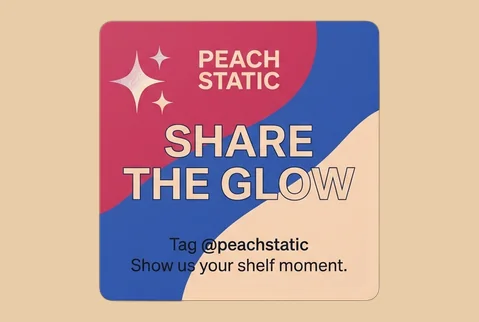
An insert card is usually viewed for only a short period during unpacking, so visual hierarchy matters. Give the main message the most space, keep supporting information secondary, and avoid forcing long paragraphs into small type. Headings, short steps, icons, and deliberate spacing can make instructional content easier to follow. When using a QR code, leave enough clear area around it and test the final code at the intended printed size before production. The printed card can direct customers to a care guide, product setup page, support page, loyalty destination, video, or other relevant digital resource, but the linked page should already be active and appropriate for the message. Provide production-ready AI, PDF, PSD, or EPS artwork when available. Custom Boxes Inc. reports support for dielines or templates, resizing, bleed, and safe-area preparation across supported print projects. Treat lower-resolution files or screenshots as references unless their suitability for production is confirmed.
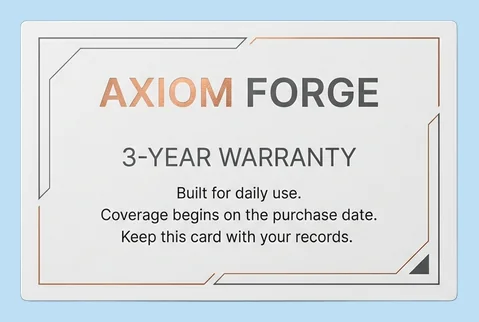
When supported for the selected production route, front-and-back printing can make a small insert more useful without making one side visually crowded. The front can introduce the brand, product, or main message. The reverse can hold instructions, contact details, QR information, terms, or another secondary action. Do not add content simply because space is available. Every additional message competes for attention. If the card communicates safety, regulated information, warranty conditions, or required product instructions, those elements should be reviewed for completeness and legibility rather than treated as ordinary promotional copy. Multiple artwork versions may also be useful when different products, languages, campaigns, or customer groups need different information. Tell the team how many versions are required and the quantity of each because artwork setup and production planning can affect the quote.
Custom Boxes Inc. reports digital, offset, and flexographic printing routes, along with CMYK, PMS/spot colors, white ink on kraft, inside printing, and selected finishes across supported packaging work. The appropriate route for packaging insert cards should be confirmed against the chosen cardstock, artwork, quantity, color expectations, and requested finish. If lamination, foil, embossing, debossing, or another decorative treatment is requested, confirm that the specific finish is available and compatible with the chosen insert-card construction. A finish may help emphasize a logo or support a particular presentation, but it can also add cost, affect writing surfaces, or change end-of-life considerations. Use the proof to check spelling, layout, orientation, image placement, QR destination, and other artwork details. A digital proof is not a physical sample and should not be treated as proof of exact printed color, board feel, finish texture, or real-world scanning performance under every condition.
Pricing can change with card dimensions, board choice, total quantity, number of designs, print coverage, finishing, tooling or setup needs, packing, and freight. Larger quantities can improve unit economics on some production routes, but there is no universal quantity at which the best price begins. Before requesting a quote, identify how many cards are needed overall and how that total is divided across products or artwork versions. This is especially important for subscription programs, product launches, seasonal campaigns, multi-SKU ranges, and fulfillment operations where different cards may be packed into different orders. Production timing should be confirmed for the chosen specification after payment, artwork approval, and required production details are complete. Transit is separate from production, so provide the delivery destination and required in-hand date when timing matters.
Send Custom Boxes Inc. your package dimensions, desired card size, quantity, number of artwork versions, cardstock preference, printing requirements, finishing needs, intended message, and delivery destination. If some details are still undecided, describe the package and what the card needs to accomplish. Complete the form, email Quotes@Customboxesinc.Com, or call +1 833-565-0363.


Answers to Help You Order with Confidence
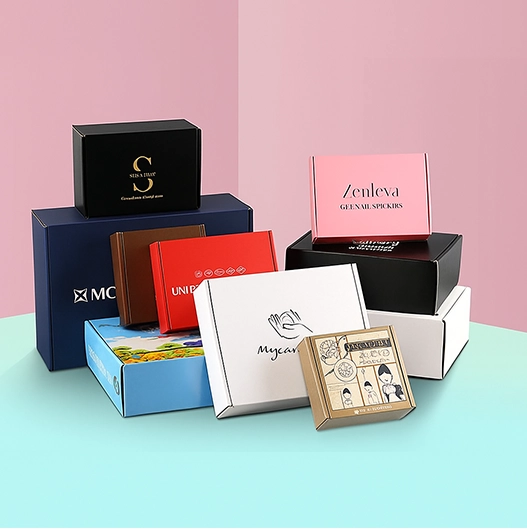
Insert cards can carry thank-you messages, product instructions, care information, brand stories, support details, QR codes, promotional information, or another message relevant to the order. Start with one primary purpose and arrange secondary information around it. Required legal, safety, warranty, or regulated information should be separately reviewed for the applicable product.
Measure the usable space inside the fully packed package rather than relying only on the box's external dimensions. Consider the product, protective packaging, tissue, and other components that will share that space. Send those measurements and the intended card position if you need help planning the size.
Multi-design production may be possible, but the suitable workflow depends on the number of artwork versions, quantities, cardstock, and printing route. Provide the quantity required for each version when requesting the quote. This helps the team evaluate artwork setup and production requirements accurately.
A QR code can be incorporated into the artwork when the selected printing configuration reproduces it clearly. Keep sufficient clear space around the code and test the final destination and intended printed size before approving the design. A digital proof can confirm placement, but the finished application should also be checked when scan performance is important.
Provide the package dimensions, desired card size, total quantity, number of artwork versions, cardstock preference, artwork files, printing needs, requested finishes, delivery destination, and the card's intended purpose. If some specifications are unknown, describe what the card needs to accomplish instead of guessing. Those details give the quoting team a clearer basis for confirming the project.
Custom Boxes Inc is a leading manufacturer and supplier of custom packaging boxes tailored for every product and industry. From startups to global brands, we empower businesses across the USA with cost-effective, high-quality, fully personalized packaging solutions — crafted with precision, delivered with speed. Whether you need eco-friendly cardboard boxes, rigid luxury boxes, or branded retail-ready display packaging — we've got you covered with endless customization options, low MOQs, and lightning-fast turnarounds.