

Select dimensions in cm, mm, inches, ml, or oz and more — whatever fits your product.

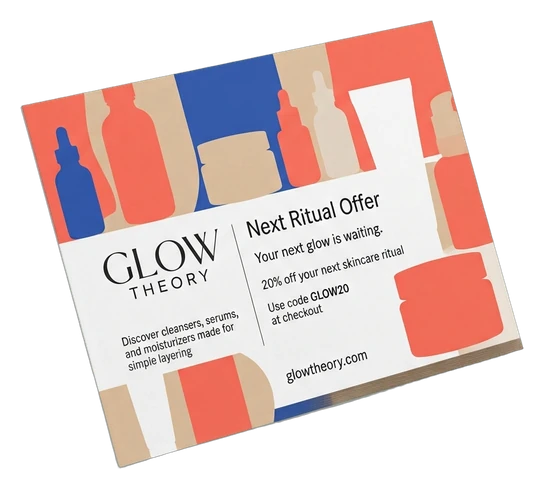
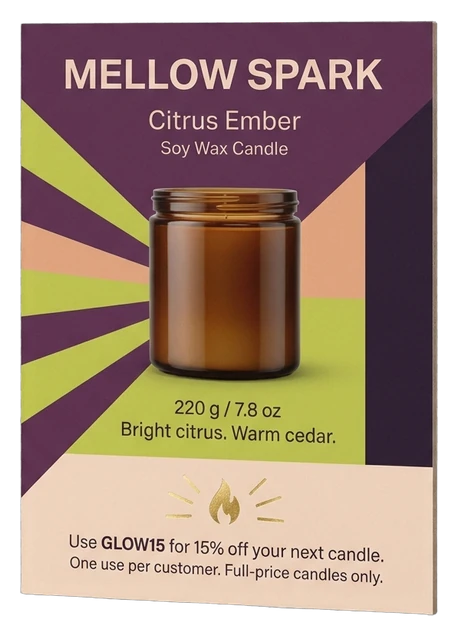
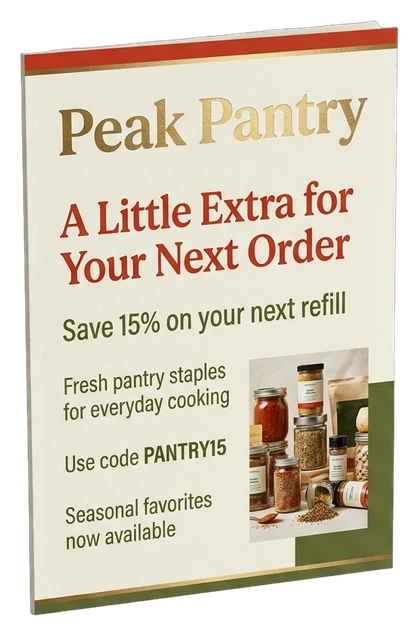
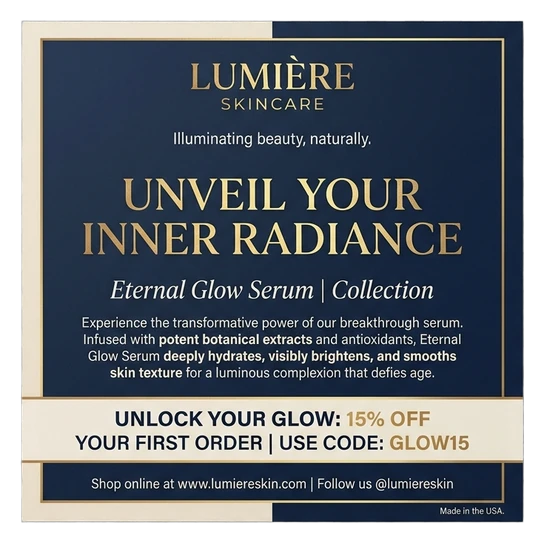
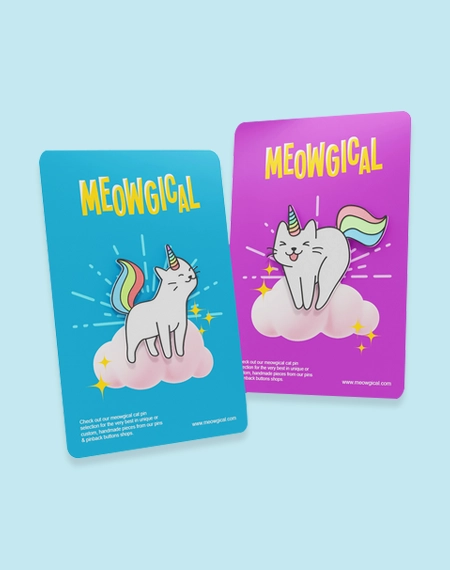
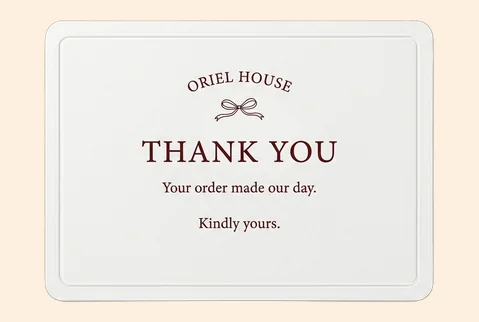
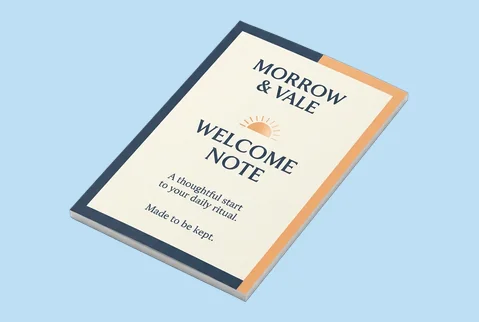
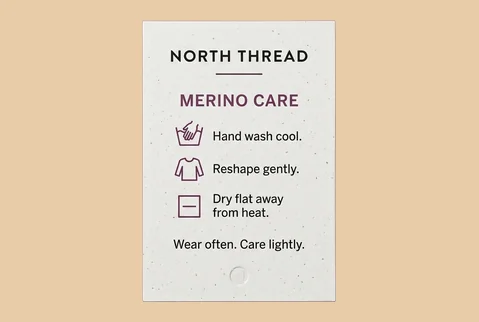
Custom marketing insert cards turn available space inside an order into useful customer communication. Create cards for review requests, QR destinations, discounts, coupons, loyalty programs, referrals, or combined campaigns, with the size, cardstock, artwork, message, and version planning matched to your packaging and intended customer action.

Select dimensions in cm, mm, inches, ml, or oz and more — whatever fits your product.

Choose the Stock, printing type, and enter your order quantity.

Upload your ready artwork — or just write “Need Design” and we'll handle it.

Fill in your name, contact number, and email for quick communication.

Solve a quick captcha and hit “Submit Quote” — it takes seconds!

Our expert will reach out ASAP with the best market rate from a top packaging provider.

After You Approve the Quote — Here's What Happens Next


Marketing insert cards work best when the recipient immediately understands why the card is included and what to do next. One business may want customers to scan a QR code for support, while another may provide a future-order discount, request an honest review, promote a loyalty program, or encourage referrals. Define that single primary action first, then build the size, message, artwork, cardstock, and printing around it.
Start by assigning each card a clear role. Trying to combine every marketing objective on one small card can weaken all of them. Review Request Cards can direct customers to an appropriate review destination and invite genuine feedback. Keep the request neutral rather than implying that only positive feedback is wanted. If an incentive is connected with feedback, the applicable review platform rules and legal requirements should be checked before the card is approved. QR Code Insert Cards connect the physical package with a digital destination. They can lead to product information, customer support, registration, brand content, loyalty enrollment, a promotion, or another appropriate webpage.
Decide what the customer should notice first. A card asking for a review needs a clear feedback invitation. A discount card needs the offer. A referral card needs the referral action. A QR-based insert needs to explain what the customer receives after scanning. Avoid presenting a logo, paragraph, social accounts, coupon, QR code, referral message, loyalty program, and review request with equal visual importance. The recipient should not need to study the card to determine its purpose. Secondary information can move to the reverse side when two-sided printing is suitable for the selected production route. This creates space for terms, support information, QR explanations, redemption details, or brand messaging while keeping the front focused.
A QR code should have a specific destination and purpose before artwork is finalized. Confirm the URL first, then explain the action beside the code. Customers should understand whether scanning opens a review page, loyalty account, offer, product guide, referral page, support resource, or another destination. Keep adequate clear space around the code and avoid placing it over visually complex artwork. Test the destination, confirm that it works well on mobile devices, and verify that the code corresponds to the correct campaign or product version. If several cards use different URLs, maintain a version list so artwork files and destinations do not become mixed during production. A digital proof can confirm that the correct QR artwork is positioned on the card, but important QR applications should also be tested using the finished printed piece.
Discount and coupon cards need enough space to explain the offer accurately. Identify the discount or benefit, redemption method, promotional code if applicable, eligible products or orders, and any meaningful restrictions supplied by the business. Avoid hiding important conditions in extremely small text merely to preserve a minimal design. If an expiration date, minimum purchase, customer limitation, geographic restriction, or other condition applies, provide it as part of the approved artwork content. Campaign-specific cards may become outdated faster than general branded inserts. Consider the likely campaign duration before selecting the quantity. An evergreen card can remain usable longer, while a short promotional campaign may need tighter quantity planning. Different promotions can also require multiple artwork versions even when card dimensions and cardstock remain identical.
Review Request Cards deserve particular care when they appear in the same marketing-card program as discounts and coupons. A business may use both types of cards, but that does not automatically mean a discount should be offered in exchange for a particular review sentiment. Keep the review request straightforward and direct customers to the intended review or feedback destination. If a business wants to connect any reward with feedback activity, confirm the relevant platform rules and applicable requirements before printing the offer. This distinction allows one master Marketing Insert Card product to support both review and promotional applications without presenting them as the same campaign mechanic.
A printed Loyalty Card should reflect an actual loyalty program rather than promising rewards that have not been established. Identify the program name, joining method, benefit explanation, QR or URL destination, and any relevant conditions supplied by the business. Referral Cards work similarly. The card may direct customers to a referral page, provide a referral code, explain an existing benefit, or show how the program works. Keep the explanation short enough that the recipient understands the next step quickly. If individual referral codes, membership identifiers, or other variable information are required, explain that requirement during quoting. Variable content can affect artwork preparation and production planning and should not be assumed to work like one identical static print run.
Measure the usable area inside the completed package rather than only its external dimensions. Account for the product, tissue, protective inserts, accessories, and other materials already occupying the box or mailer. A compact card may work well for a QR code and short message. Offers with detailed conditions or combined loyalty information may require more space. If the content does not fit comfortably, increase the card dimensions, use both sides where supported, or reduce unnecessary wording instead of shrinking important information. If one card size needs to work across several package formats, provide the smallest and largest package dimensions. A common format may simplify inventory, provided it remains proportionate and practical across the range.
Cardstock affects presentation, stiffness, print appearance, and handling. White stock provides a different printing base from natural kraft, while coated and uncoated surfaces can change appearance and feel. Custom Boxes Inc. reports cardstock and kraft materials along with digital, offset, and flexographic printing routes, CMYK, PMS or spot-color options, white ink on kraft, and selected finishing capabilities across supported projects. The applicable stock, printing method, colors, and finishes for Marketing Insert Cards should be confirmed against the actual project. Foil, embossing, debossing, lamination, or another treatment can be considered when available and useful to the design. A promotional card does not automatically need premium finishing; the message and customer action should remain the priority.
One Marketing Insert Card order may include several campaigns. For example, one version might request reviews, another promote loyalty enrollment, and a third provide a referral offer. Prepare a version schedule showing the card type, artwork filename, quantity, QR destination or promotional code, and any campaign-specific wording. Where several brands, products, markets, or languages are involved, identify those differences as well. This helps keep similar-looking artwork from being assigned to the wrong application and gives the quoting team a more accurate picture of the production requirement. Use the proof to check wording, offer details, QR destinations, promotional codes, logo placement, orientation, quantities, and artwork-version identification before approval.
Send Custom Boxes Inc. your required card type, dimensions or package measurements, quantity, number of artwork versions, cardstock preference, printing requirements, requested finishes, QR destinations, campaign content, artwork files, and delivery destination. Whether you need Review Request, QR Code, Discount, Coupon, Loyalty, Referral, or mixed Marketing Insert Cards, the project can be planned around the actual campaign. Complete the form, email Quotes@Customboxesinc.Com, or call +1 833-565-0363.
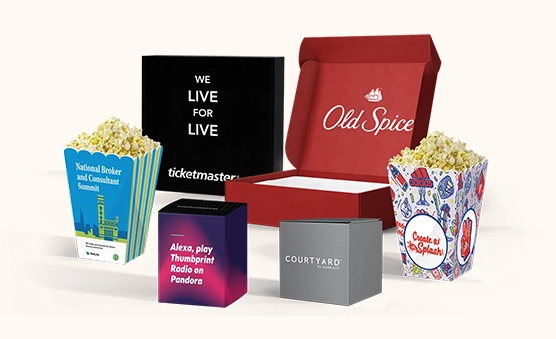


Answers to Help You Order with Confidence
Marketing Insert Cards can be planned for review requests, QR destinations, discounts, coupons, loyalty programs, referrals, or other approved customer communications. Several applications can use the same basic card construction while carrying different artwork. Define the intended customer action and quantity for each version when requesting your quote.
QR codes can be incorporated when the artwork and selected print configuration reproduce them appropriately. Identify what customers should receive after scanning, keep sufficient clear space around the code, and test the destination before artwork approval. Different destinations should be clearly assigned to their corresponding artwork versions.
Review-platform policies and applicable requirements should be checked before connecting an incentive with customer reviews. A safer production workflow is to treat review requests and promotional rewards as separate campaign functions unless the complete program has been reviewed. Supply the approved final wording for printing rather than relying on the printer to create promotional or review terms.
Multiple artwork versions may be possible depending on quantities, cardstock, print process, finishing, and production setup. Provide the quantity, artwork filename, campaign type, and QR or promotional destination for each version. This allows the project to be evaluated as an organized multi-design order.
Provide the card type, finished dimensions or package measurements, quantities, number of designs, cardstock preference, artwork files, printing requirements, finishes, QR destinations, promotional content, and delivery destination. If you need several card types under one campaign program, identify the quantity and purpose of every version.
Custom Boxes Inc is a leading manufacturer and supplier of custom packaging boxes tailored for every product and industry. From startups to global brands, we empower businesses across the USA with cost-effective, high-quality, fully personalized packaging solutions — crafted with precision, delivered with speed. Whether you need eco-friendly cardboard boxes, rigid luxury boxes, or branded retail-ready display packaging — we've got you covered with endless customization options, low MOQs, and lightning-fast turnarounds.