

Select dimensions in cm, mm, inches, ml, or oz and more — whatever fits your product.

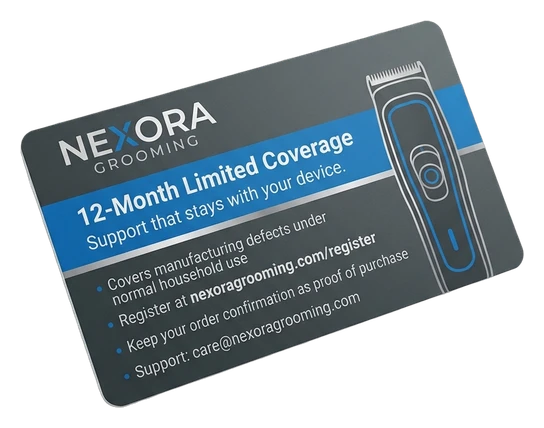
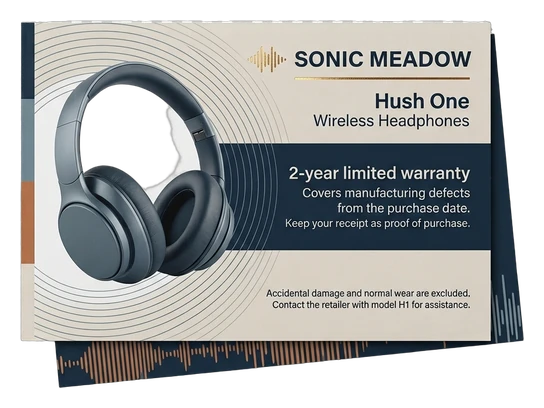
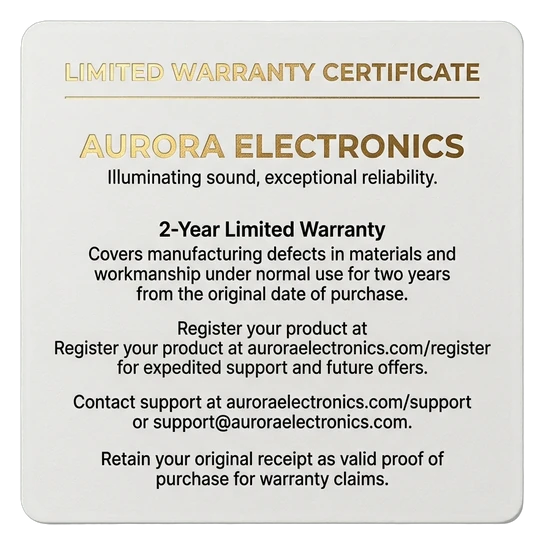
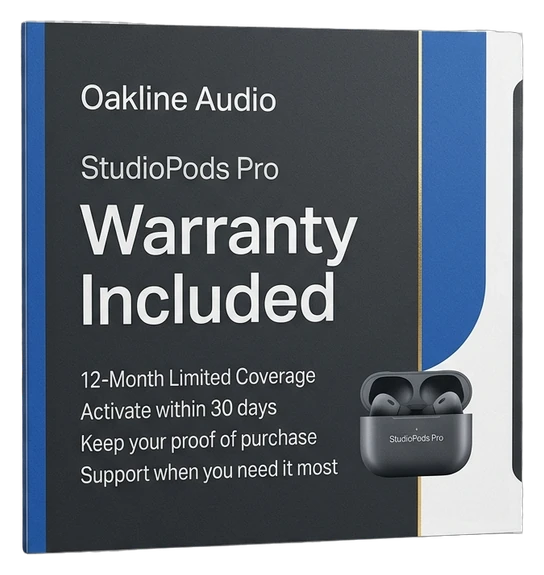
Custom warranty cards give customers a printed reference for approved warranty coverage, service procedures, registration information, support details, or digital warranty access. Plan the card around the actual warranty terms, product, package space, cardstock, artwork, and required versions so important information remains clear, readable, and connected to the correct product.

Select dimensions in cm, mm, inches, ml, or oz and more — whatever fits your product.

Choose the Stock, printing type, and enter your order quantity.

Upload your ready artwork — or just write “Need Design” and we'll handle it.

Fill in your name, contact number, and email for quick communication.

Solve a quick captcha and hit “Submit Quote” — it takes seconds!

Our expert will reach out ASAP with the best market rate from a top packaging provider.

After You Approve the Quote — Here's What Happens Next


Warranty Cards may summarize coverage, explain how a customer requests service, provide registration details, direct the customer to complete warranty terms, or combine several functions. Because warranty language can create legal obligations, start with approved content from the product owner or legal reviewer. Then design the card around that information instead of creating promotional promises first.
Decide what the card is intended to do before choosing its size or finish. A card may present the complete written warranty, provide a concise summary with a route to full terms, explain how to contact the warrantor, or support product registration. Those jobs can require different amounts of space. If the card itself contains the written warranty, provide the approved complete text rather than asking the printer to create coverage language. If it is only a summary, make sure the summary accurately reflects the governing warranty and directs customers to the complete terms where appropriate. Do not use phrases such as “lifetime warranty,” “full warranty,” “money-back guarantee,” or a specific number of years unless the responsible business has approved the meaning and conditions behind that statement.
The production file should use warranty information supplied by the warrantor. Depending on the product and applicable requirements, that may include who receives coverage, the product or components covered, exclusions, when coverage begins, how long it lasts, what the warrantor will do if a covered problem occurs, and what the customer must do to request service. Reserve enough space for important limitations or conditions. The design should not make an attractive headline prominent while pushing material exclusions into unreadably small text. If product models have different coverage, create separate artwork versions instead of using a generic warranty period across the range.
Some businesses use Warranty Cards to collect registration details or direct customers to a registration page. If registration is included, determine what information is requested and why before artwork is finalized. A QR code can lead to an online registration form, warranty portal, support page, or full warranty document. Printed fields may also be used for model numbers, serial numbers, purchase dates, retailers, or contact information. Do not state or imply that registration is required for warranty coverage unless that condition has been reviewed and is actually applicable. That relationship should come from approved business language, not a standard card template.
When customers need warranty service, the card should make the process easy to follow. Organize approved instructions in a practical sequence: identify the product, gather any required proof, contact the appropriate department or portal, submit the requested information, and follow the next approved step. Include only contact channels the warrantor actually supports. Verify any phone number, email address, mailing address, support URL, or QR destination before approval. For products sold through several retailers or markets, confirm whether the service process differs by region, seller, or product version.
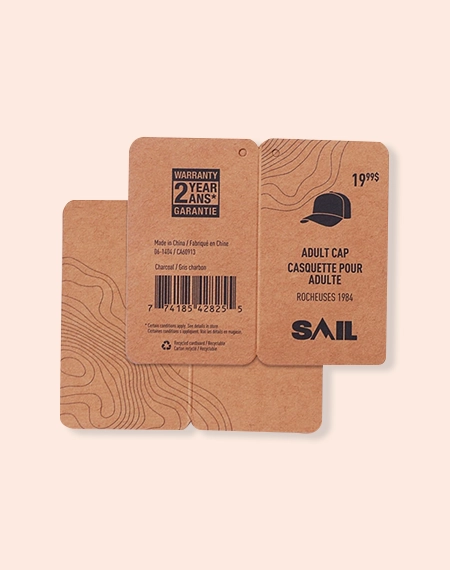
QR codes can connect a compact Warranty Card to longer terms, registration forms, claim portals, manuals, or support resources. The physical card should still identify what the QR code does. Use wording such as “View warranty terms,” “Register your product,” or “Start a warranty request” only when the destination performs that function.
Test every destination before production, confirm mobile access, and verify that each product version uses the correct link. If online warranty terms change, the business should control version history so the appropriate terms remain available for the relevant purchase.
Warranty content can become dense quickly. Choose dimensions after the approved wording is available rather than forcing the wording into a predetermined small card. If important terms, procedures, exclusions, or contact details become difficult to read, consider a larger card, two-sided layout, folded format, or a clear route to an approved complete warranty document. Do not solve the problem by reducing important text to an impractical size. Measure the usable area inside the finished package as well. The card should fit without bending against the product, accessories, inserts, or protective components. If customers may need to retain it, choose a practical format to keep.
Warranty Cards may be kept longer than promotional inserts, so handling and readability can matter more than decorative impact. Cardstock selection should consider stiffness, print clarity, surface feel, and whether information will be handwritten after printing. Custom Boxes Inc. reports cardstock and kraft among supported material routes. White and natural stocks can produce different color results, while coated and uncoated surfaces can affect appearance and writability. The exact stock, caliper, coating, and suitability should be confirmed for the project. If serial numbers, purchase dates, signatures, dealer details, or other information will be added by hand, identify that requirement before selecting a coating or lamination.
Warranty Cards often require stricter version control than general marketing inserts. Prepare a schedule showing the product or SKU, warranty version, artwork filename, quantity, language, region, QR destination, and any model-specific reference. If coverage terms change, do not automatically reuse older artwork. Confirm which warranty version applies to each production run. The same care is needed across countries because warranty obligations and mandatory language can differ by jurisdiction. Multi-language cards should also be reviewed for space and readability. Separate versions may be preferable when combining several languages would make important text difficult to read.
Custom Boxes Inc. reports digital, offset, and flexographic printing routes, along with CMYK, PMS or spot colors and selected finishing options across supported packaging work. The suitable production method should be confirmed according to cardstock, quantity, artwork versions, print coverage, and requested finish. Use the proof to verify product names, supplied warranty designation, coverage period, contact information, URLs, QR destinations, serial-number fields, version identifiers, and every supplied term before approval. A printing proof checks the artwork being produced; it does not determine whether the warranty itself is legally sufficient.
Send Custom Boxes Inc. your desired card dimensions or package measurements, quantity, number of product or warranty versions, approved warranty content, cardstock preference, printing requirements, requested finishes, QR destinations, artwork files, and delivery destination. If the format is undecided, explain whether the card will contain complete terms, summarize coverage, support registration, or guide customers toward service. Complete the form, email Quotes@Customboxesinc.Com, or call +1 833-565-0363.
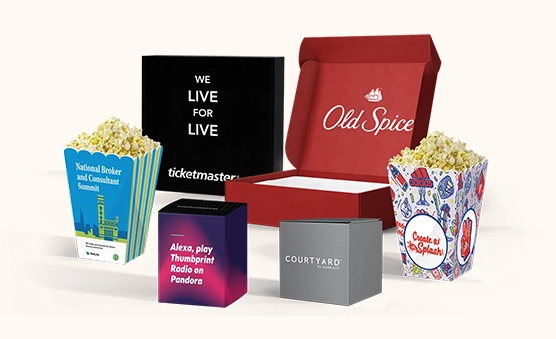


Answers to Help You Order with Confidence
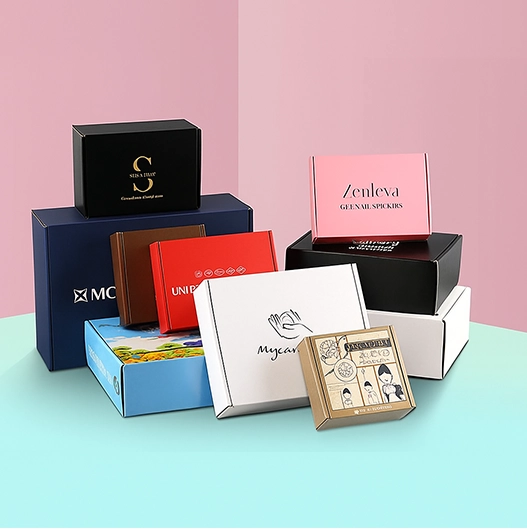
Warranty Cards can contain approved coverage information, warranty duration, covered products or components, exclusions, service procedures, contact details, registration information, QR codes, and other warranty-related content supplied by the warrantor. The exact requirements depend on the product, warranty, jurisdiction, and how the card will be used. Legally consequential warranty wording should be approved before printing.
Yes, a QR code can direct customers to complete warranty terms, registration, a warranty claim portal, product support, or another approved destination. Clearly explain what customers will find after scanning and verify every URL before artwork approval. Important QR functions should also be checked on the finished printed card.
The card can be designed with areas for serial numbers, model numbers, purchase dates, dealer information, or other supplied registration details. If those areas will be handwritten, the cardstock and surface treatment should be selected with writability in mind. Registration requirements themselves should come from the approved warranty program.
Yes. When warranty periods, covered components, service instructions, languages, territories, or QR destinations vary by product, separate artwork versions can help keep the information accurate. Provide the SKU, warranty version, quantity, and artwork file for each variation during quote planning.
Custom Boxes Inc. can produce and organize the printed card around the content you provide, but warranty coverage, exclusions, remedies, legal disclosures, and registration conditions should come from the warrantor or its appropriate legal reviewer. The printing proof can check that approved wording appears correctly; it does not establish the legal sufficiency of the warranty.
Custom Boxes Inc is a leading manufacturer and supplier of custom packaging boxes tailored for every product and industry. From startups to global brands, we empower businesses across the USA with cost-effective, high-quality, fully personalized packaging solutions — crafted with precision, delivered with speed. Whether you need eco-friendly cardboard boxes, rigid luxury boxes, or branded retail-ready display packaging — we've got you covered with endless customization options, low MOQs, and lightning-fast turnarounds.