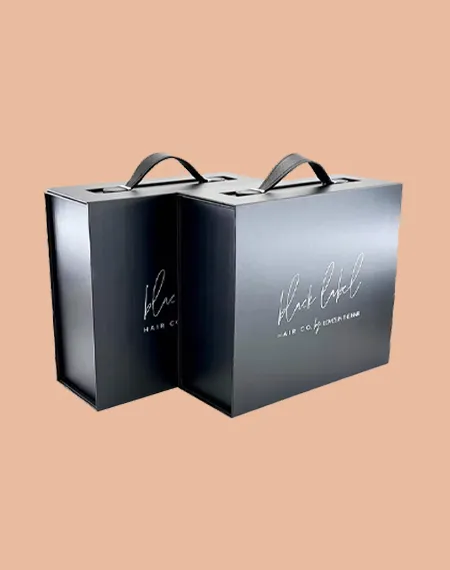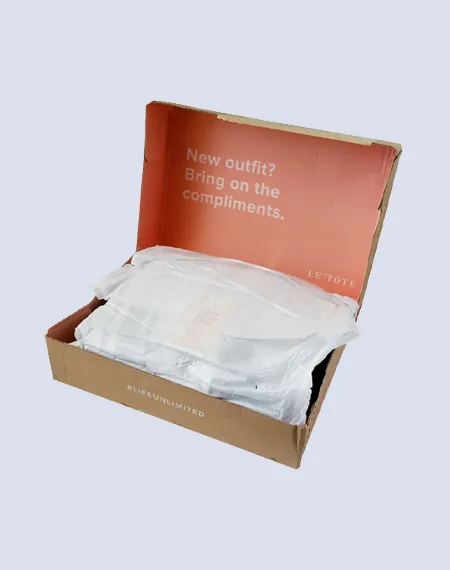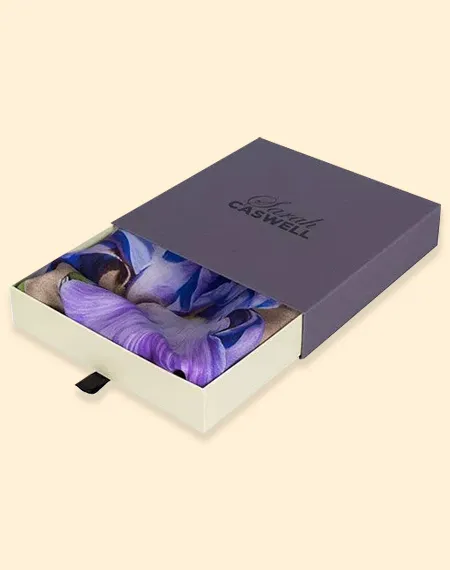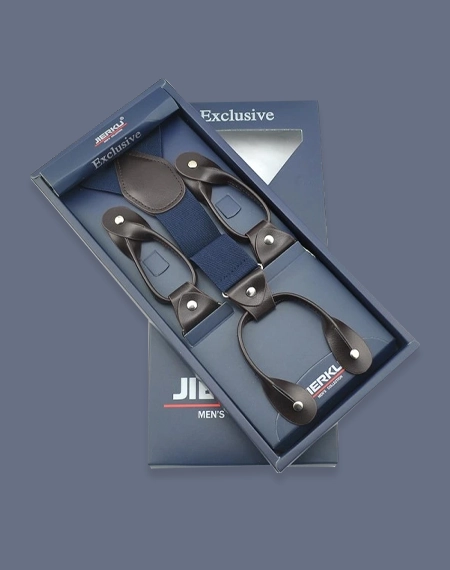


Select dimensions in cm, mm, inches, ml, or oz and more — whatever fits your product.



Custom socks boxes give hosiery brands, apparel retailers, subscription businesses, sports brands, and gift-set sellers a paper-based packaging route sized around single pairs or bundled socks. The key is to specify the product as it will actually be packed, including pair count, fold height, cuff thickness, display method, and whether a band, card, or box is preferred. Use the quote process to align the box structure, usable internal space, branding, and sales or shipping role before artwork is finalized.

Select dimensions in cm, mm, inches, ml, or oz and more — whatever fits your product.

Choose the Stock, printing type, and enter your order quantity.

Upload your ready artwork — or just write “Need Design” and we'll handle it.

Fill in your name, contact number, and email for quick communication.

Solve a quick captcha and hit “Submit Quote” — it takes seconds!

Our expert will reach out ASAP with the best market rate from a top packaging provider.

After You Approve the Quote — Here's What Happens Next


Custom socks boxes should start with the way the single pairs or bundled socks will actually be prepared for sale, storage, gifting, or delivery. For hosiery brands, apparel retailers, subscription businesses, sports brands, and gift-set sellers, the useful question is not simply whether a logo can be printed on a box. The first decision is how much usable internal space the packed product needs after folding, nesting, wrapping, or placing any paper-based support. Important inputs include pair count, fold height, cuff thickness, display method, and whether a band, card, or box is preferred. These details affect box depth, opening style, board choice, printed-panel layout, and how consistently the product can be packed. A box that is sized from an unprepared product can be misleading because the finished pack may be thicker, wider, or more fragile than the item measured flat. Before quoting, prepare one representative packed unit and measure the arrangement that production staff will actually use. That makes the dieline, artwork, and packing process easier to review together.
The main fit risks for socks include over-compression, distorted cuffs, loose bundles, and poor size/color identification. A closer fit can reduce unwanted movement and keep the presentation deliberate, but an overly tight cavity can create pressure on fabric, hardware, or shaped parts. Allow for the real fold, any protective tissue or paper wrap, product cards, and the way the customer removes the item. For multi-item sets, define whether each component needs its own zone or whether a single open cavity is acceptable. Use internal dimensions when discussing the usable space required by the product unless the final quotation states otherwise. If an existing box sample already packs well, share that sample or its confirmed internal measurements as a reference rather than estimating from outside dimensions.
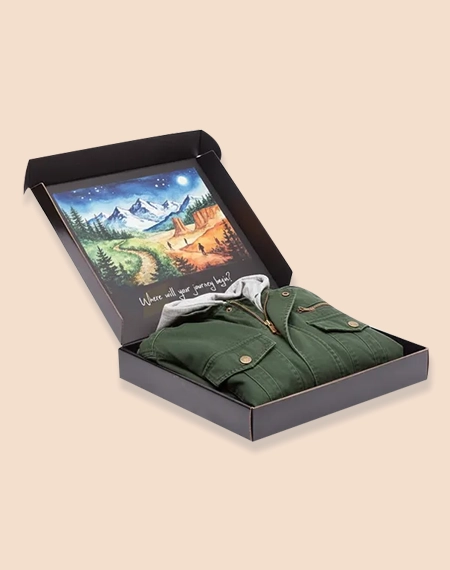
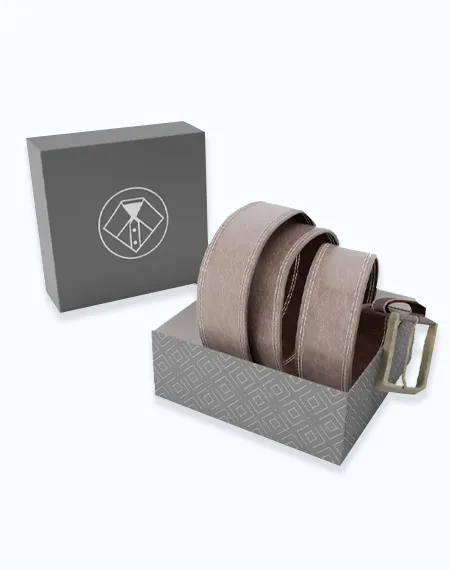
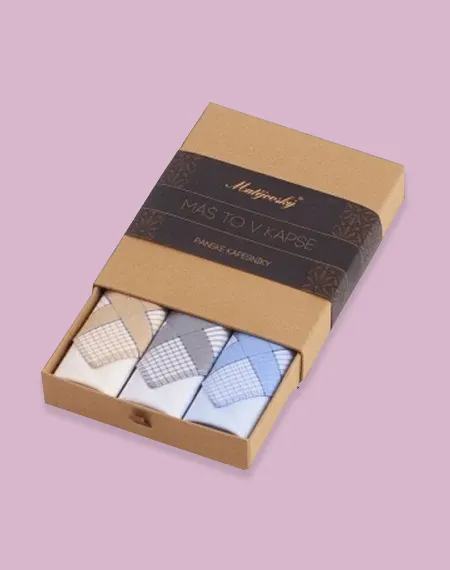
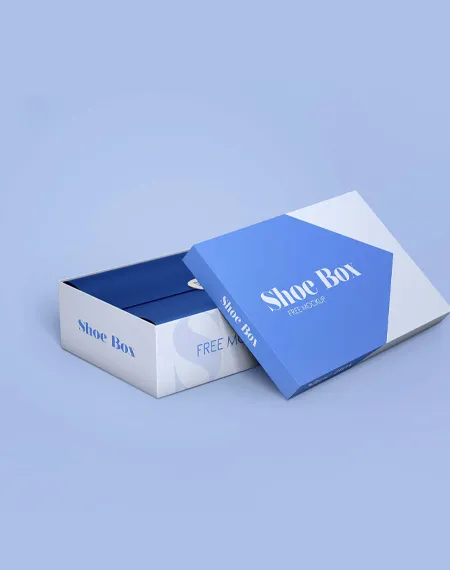
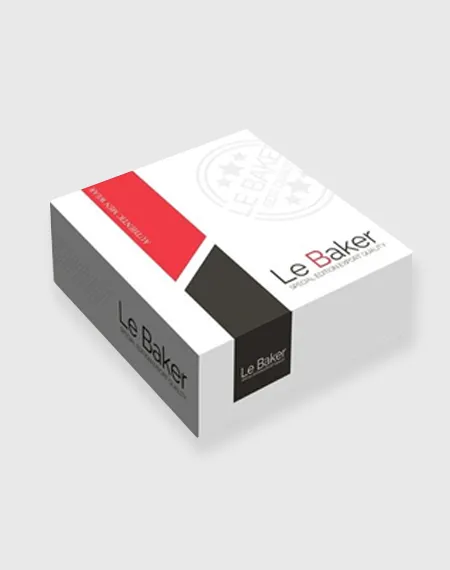
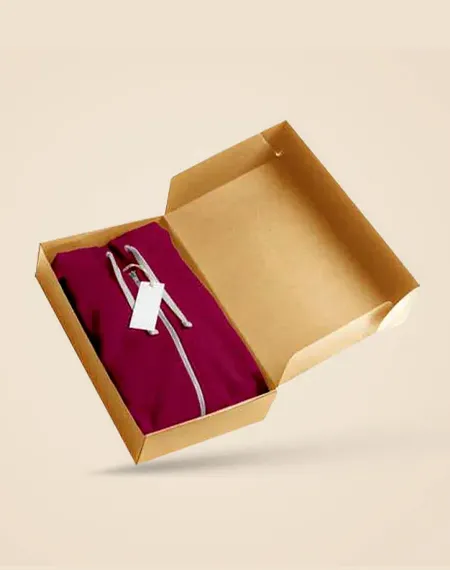
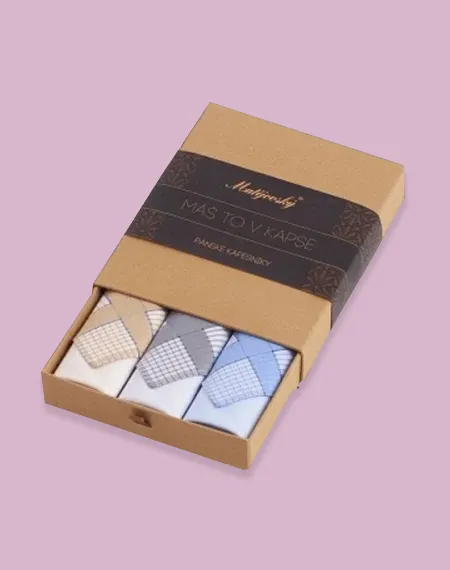
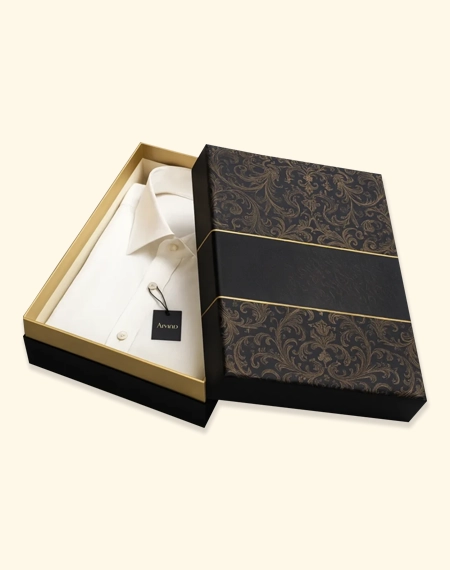
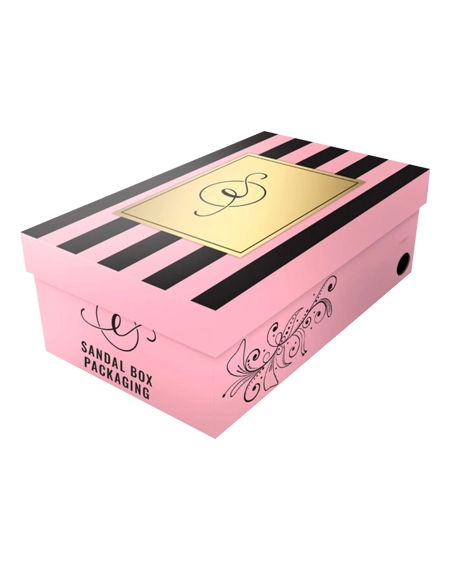
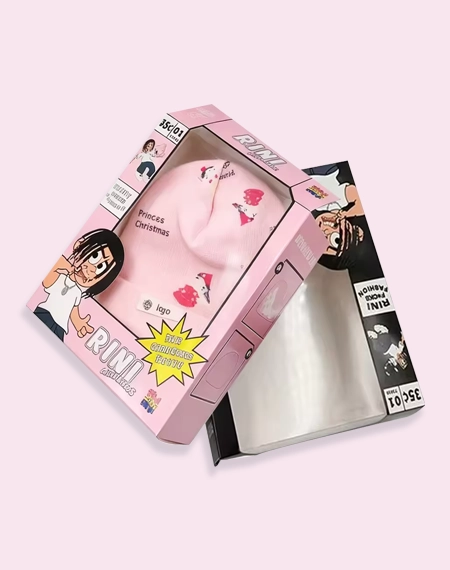
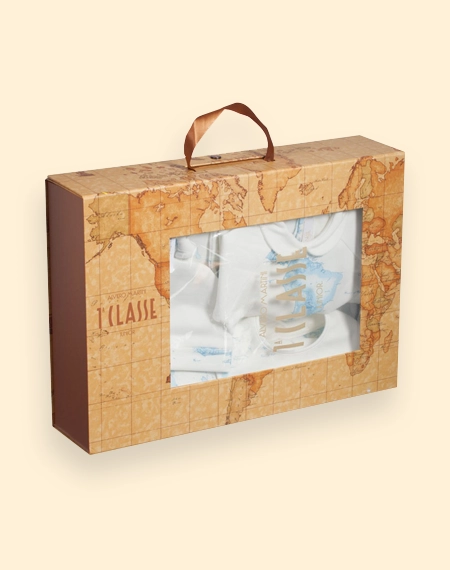
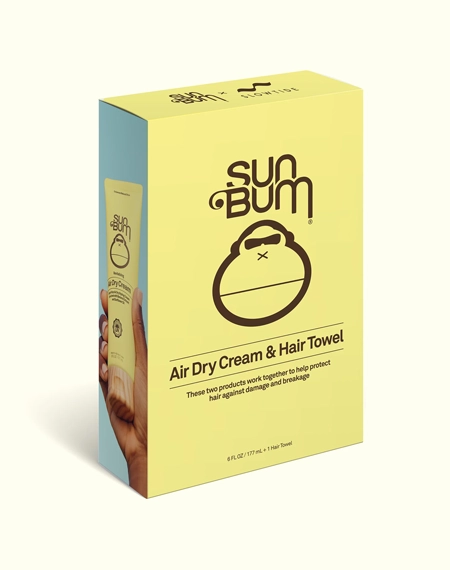
Useful structure choices depend on what the package must do after packing. small folding cartons for retail presentation; shallow mailer or gift boxes for multi-pair sets. A retail presentation box may only need to organize and display the product, while a parcel shipment may need a separate corrugated outer box or a mailer-style construction designed for distribution. Do not assume that a decorative paperboard box is automatically a shipping container. If the pack will be stacked in a stockroom, displayed on shelves, placed inside a larger master carton, or shipped one at a time, state that use during quoting. The opening method also matters: a removable lid can create a deliberate gift presentation; a tuck or locking flap may support faster packing; and a mailer-style opening can combine branding with a more shipment-oriented form. The suitable option depends on confirmed construction, order quantity, board, and use.
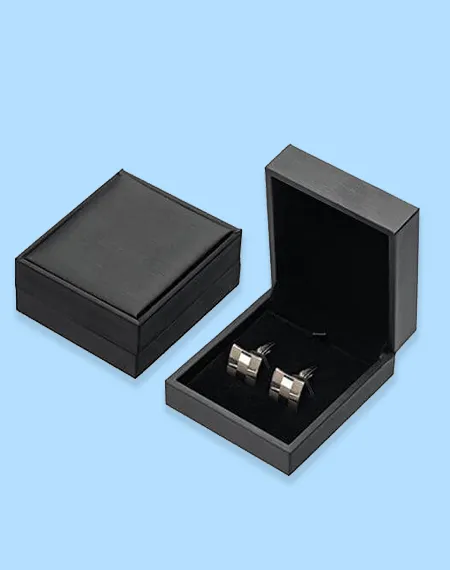
Custom Boxes Inc. supplies supported paper-based packaging, so the material discussion should stay tied to the actual function of the box. Folding-carton board can suit lighter retail packs where compact storage and printed graphics are priorities. Corrugated board can be considered when the package needs more structural depth or a shipping-oriented format. Rigid-style paperboard constructions can be evaluated for presentation-led packs where shape retention and a more substantial opening experience matter. The right stock and thickness depend on box dimensions, packed weight, stacking, closure, printed coverage, and distribution conditions. Material names alone do not establish moisture resistance, archival protection, sustainability performance, or any special certification. Those claims require configuration-specific evidence.
Artwork should be built on the approved dieline for the selected structure. For socks, typical information can include size range, fiber/care information, pattern/color code, and barcode or SKU placement. Place critical text where it remains readable after folds, closures, labels, or shipping marks are applied. Large brand elements can work across uninterrupted panels, while small product information needs enough contrast and clear space to remain legible. If the same box will serve multiple sizes or colorways, decide whether variable labels, stickers, handwriting areas, or separate printed versions will be used before the artwork is finalized. Finishes should support a specific design purpose rather than being added by default. When a finish, specialty effect, inside printing, or exact print process is important to the concept, include it in the quote request so availability and production implications can be confirmed for that construction.
A useful request identifies the product, packed dimensions, quantity, preferred box style if known, artwork status, and how the finished pack will be used. For socks packaging, also note pair count, fold height, cuff thickness, display method, and whether a band, card, or box is preferred. If the product comes in several sizes, define whether one box should cover a range or whether separate sizes are needed. That choice can affect fit, packing speed, tooling, printed versions, inventory complexity, and unit economics. Pricing should be evaluated from the confirmed configuration rather than from a nominal online 'from' price. Board, dimensions, print coverage, finish, structural complexity, quantity, inserts or dividers, proof or sample route, and delivery requirements can all change the quotation. Production timing should likewise be tied to the approved specification and artwork; it should not be assumed from another product page.
The approval stage should confirm both graphics and structure. Review the dieline for panel orientation, opening direction, glue or locking areas, and the location of important text. Confirm the packed product fits the intended cavity and can be inserted and removed without forcing the item or damaging the printed box. A digital proof can help check artwork placement, spelling, color references, and panel order, but it does not replace a physical fit check when the product shape or fold is uncertain. If a physical sample or prototype is available for the chosen configuration, use it to review assembly, loading, opening, and how the product presents. Keep final product claims, care instructions, barcodes, warnings, and legal or promotional text under the buyer's approval because those details relate to the goods being sold, not just to the package.
The best design is the one that makes the buyer's packing and selling process clearer. For retail, prioritize orderly presentation, readable product identification, and efficient replenishment. For e-commerce, consider whether the branded box also needs shipment-oriented protection or will sit inside another shipping container. For gifting, opening sequence, internal organization, and the visual relationship between the item and the box may deserve more attention. For wholesale programs, consistent labeling and master-carton planning may matter more than decorative features. These are different jobs even when the same socks is inside. Defining the use before artwork approval helps avoid paying for features that do not solve a real requirement.
Share the packed product dimensions, quantity, preferred structure, artwork status, and sales or shipping use with Custom Boxes Inc. Email Quotes@Customboxesinc.Com, call +1 833-565-0363, or complete the quote form so the team can review a suitable paper-based socks packaging configuration.


Answers to Help You Order with Confidence
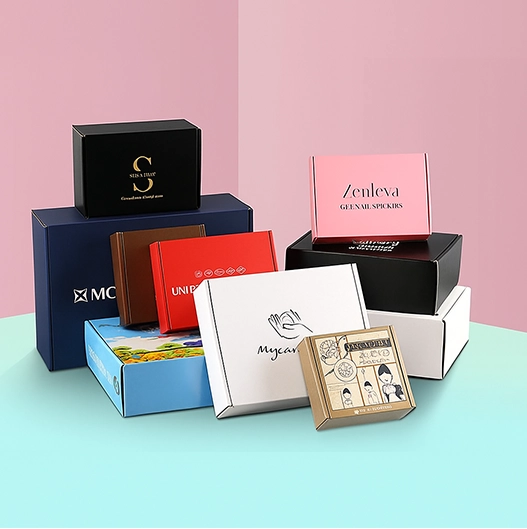
Measure the product in the packed arrangement you plan to use, not only the item laid flat. Include the real fold, any tissue or paper support, hardware, and the maximum height created by the packed product; the quote should then confirm whether dimensions are being treated as internal or external.
The best style depends on presentation, packing speed, storage, and whether the box must also support parcel distribution. small folding cartons for retail presentation. Share the intended sales and shipping route so the structure can be reviewed for that job rather than selected only for appearance.
Brand graphics can be planned on the printable panels of a supported box construction using the approved dieline. Provide your logo and artwork requirements during quoting so print coverage, inside or outside placement, and any requested finish can be confirmed for the actual configuration.
Send the packed dimensions, quantity, product type, preferred structure if known, artwork status, and how the package will be used. Also include the key fit details for this product, such as pair count, fold height, cuff thickness, display method, and whether a band, card, or box is preferred, because those inputs can change the depth, opening, and internal organization.
That depends on the selected construction and distribution method. A presentation carton is not automatically a parcel shipper, so tell the team whether units will be mailed individually, packed into a larger shipper, or used mainly for retail and gifting before the final structure is approved.
Custom Boxes Inc is a leading manufacturer and supplier of custom packaging boxes tailored for every product and industry. From startups to global brands, we empower businesses across the USA with cost-effective, high-quality, fully personalized packaging solutions — crafted with precision, delivered with speed. Whether you need eco-friendly cardboard boxes, rigid luxury boxes, or branded retail-ready display packaging — we've got you covered with endless customization options, low MOQs, and lightning-fast turnarounds.