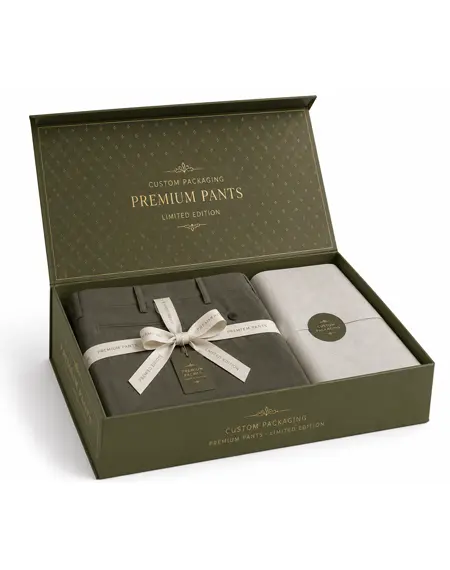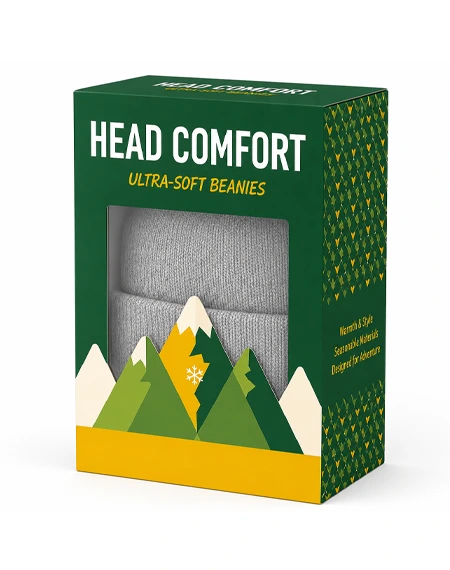


Select dimensions in cm, mm, inches, ml, or oz and more — whatever fits your product.

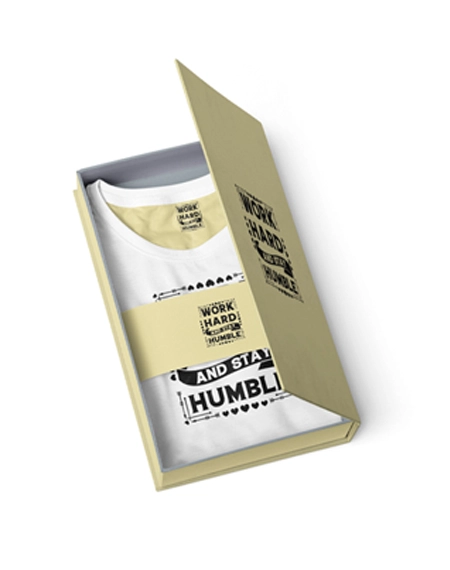
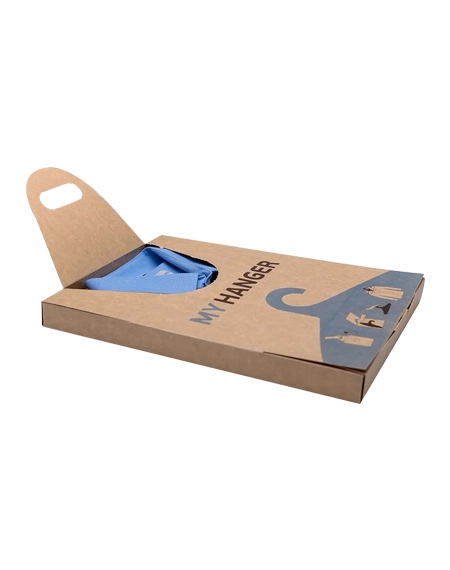
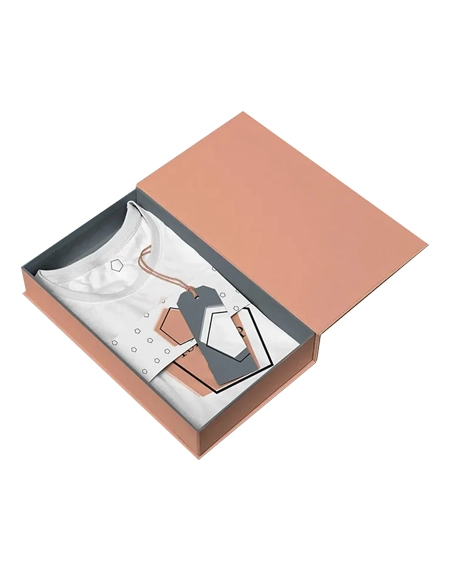
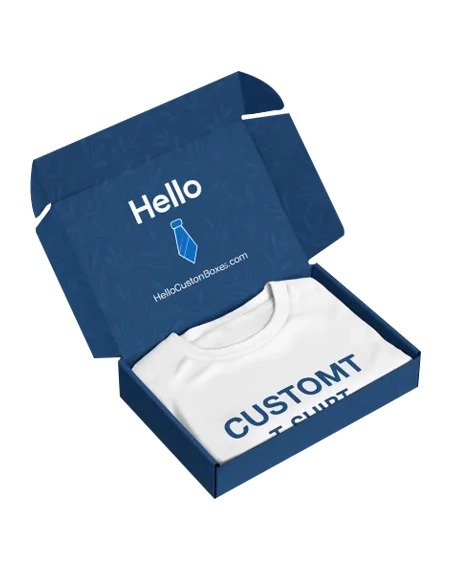
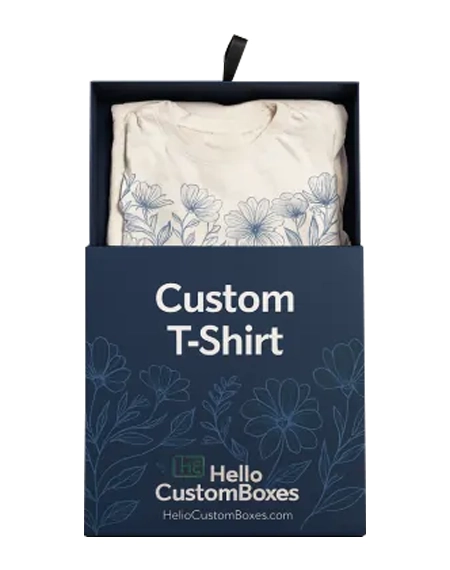
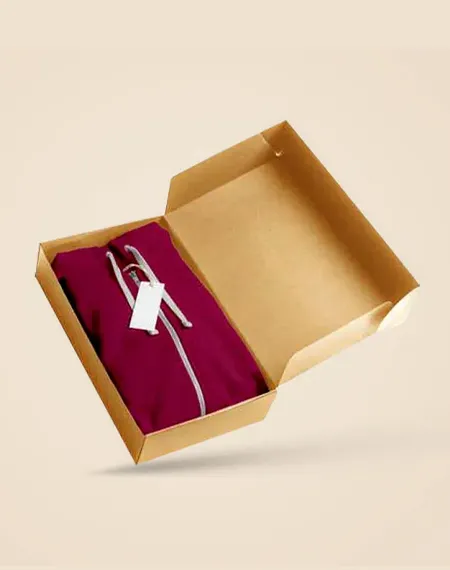
Custom T shirt packaging boxes organize folded or rolled tees for apparel brands, streetwear labels, merchandise programs, subscription services, boutiques, event sellers, and ecommerce retailers. They provide structured space for garment presentation, tissue, size labels, care cards, promotional inserts, and printed branding while helping products remain orderly during retail display, gifting, fulfillment, and customer handoff. Choose dimensions, board, structure, opening style, inserts, printing, finishes, and shipping configuration around the garment fold, fabric thickness, size range, accessory count, sales channel, and desired unboxing experience. A T-shirt-specific package can improve packing consistency, version identification, storage, and presentation without promising wrinkle-free arrival. Share garment samples, measurements, quantity, artwork status, and delivery needs with Custom Boxes Inc. to begin a tailored quotation.

Select dimensions in cm, mm, inches, ml, or oz and more — whatever fits your product.

Choose the Stock, printing type, and enter your order quantity.

Upload your ready artwork — or just write “Need Design” and we'll handle it.

Fill in your name, contact number, and email for quick communication.

Solve a quick captcha and hit “Submit Quote” — it takes seconds!

Our expert will reach out ASAP with the best market rate from a top packaging provider.

After You Approve the Quote — Here's What Happens Next


Custom T-shirt packaging serves folded crewnecks, graphic tees, performance shirts, promotional garments, band merchandise, limited-edition drops, and subscription apparel. Buyers include fashion labels, screen printers, fulfillment teams, corporate programs, creators, sports organizations, event sellers, and retailers. Retail programs usually prioritize compact display, visible branding, size identification, barcode placement, and fast restocking. Ecommerce programs place greater importance on packing efficiency, dimensional weight, moisture exposure, and the relationship between the presentation package and outer shipping protection. The central sizing challenge is that a shirt’s packed dimensions depend on fabric weight, garment size, fold pattern, rolling method, tissue, and included materials. One box may fit several sizes when the fold is controlled, but heavier fabrics or multi-shirt sets can change the required depth. A useful T-shirt box should hold the garment without excessive compression or empty space, keep promotional components organized, and support the intended retail, gifting, merchandise, or delivery experience.
White SBS paperboard suits T-shirt cartons that need smooth surfaces for detailed graphics, small text, photographs, and bright process color. Natural kraft provides a brown, fiber-visible appearance for streetwear, handmade, outdoor, or minimalist branding, although pale inks and fine reversed text reproduce differently on the base color. Folding boxboard can balance stiffness, printability, and manageable weight for standard retail cartons, depending on the grade and box span. Corrugated board is more appropriate for ecommerce mailers, subscription shipments, multi-shirt packs, or heavier merchandise sets that need additional rigidity. Rigid board may suit collector editions, influencer kits, luxury collaborations, or executive gifts when the added material, assembly, storage, and freight align with the product value. Stock selection should reflect folded footprint, package depth, garment weight, opening style, insert load, window area, stacking, and distribution. Thicker board may improve panel stiffness, but it also changes creases, closure resistance, assembly speed, and case volume. Confirm the exact board grade, caliper, coating, adhesive, and recycled-content documentation before approval.
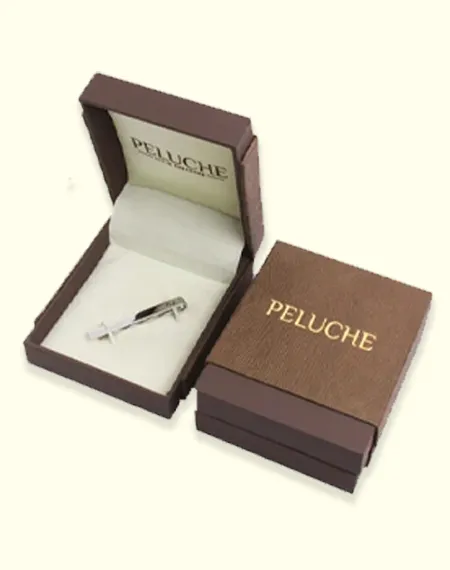
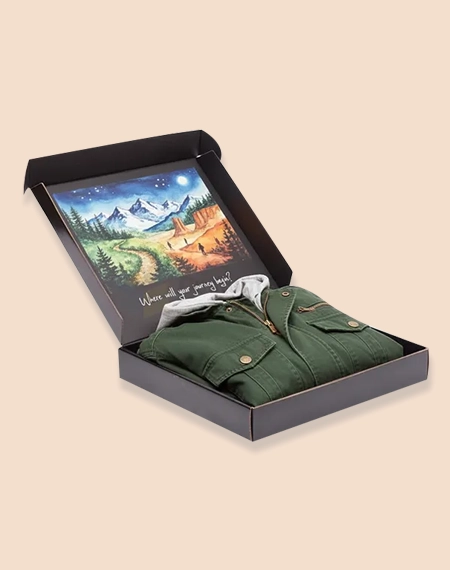
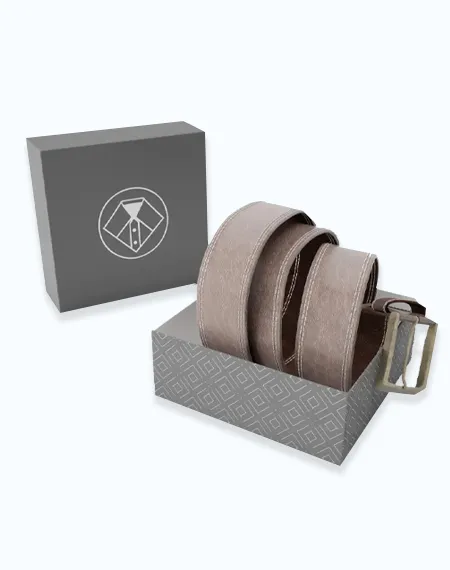
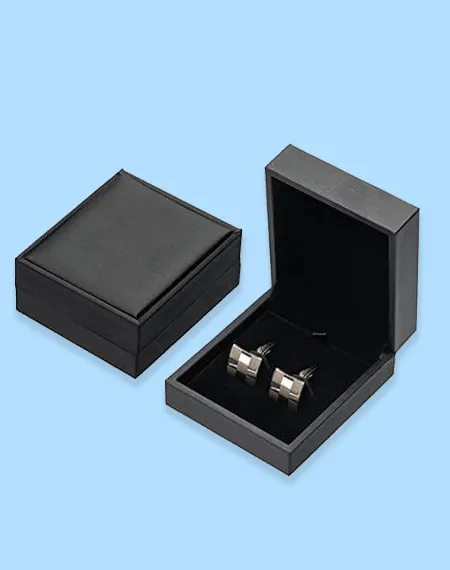
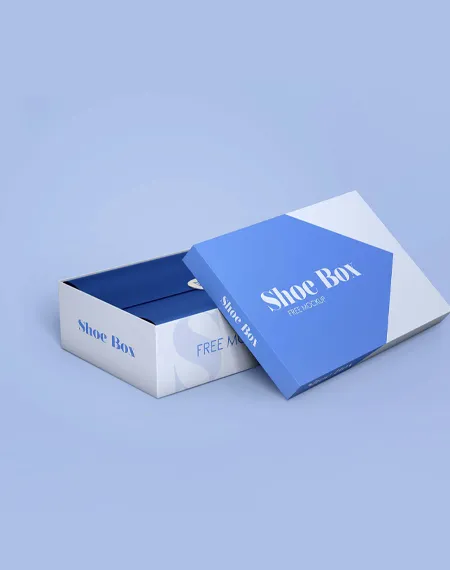
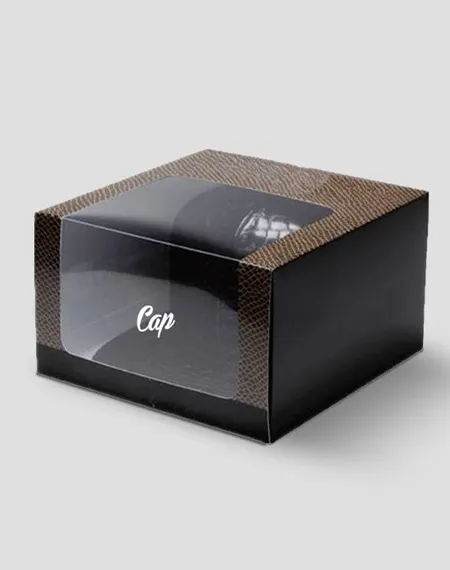
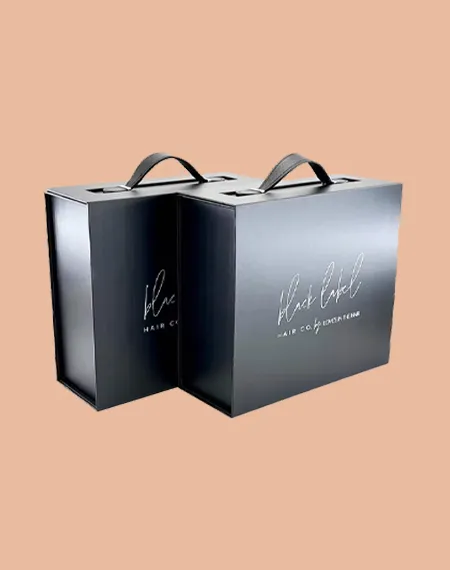
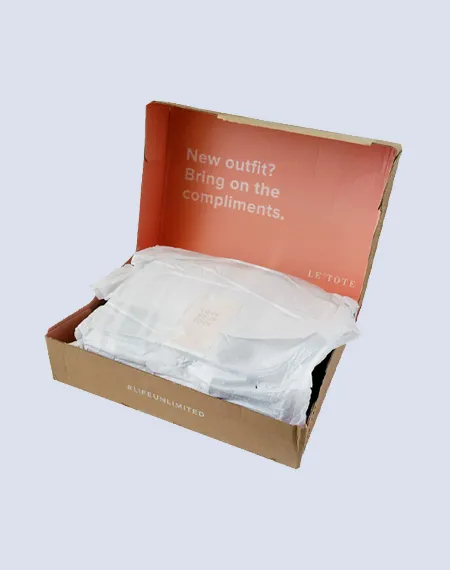
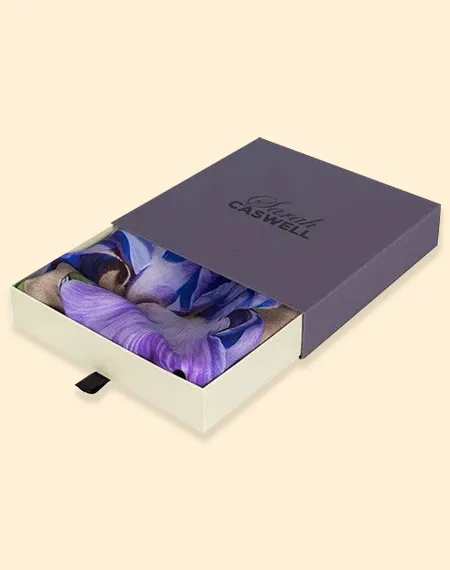
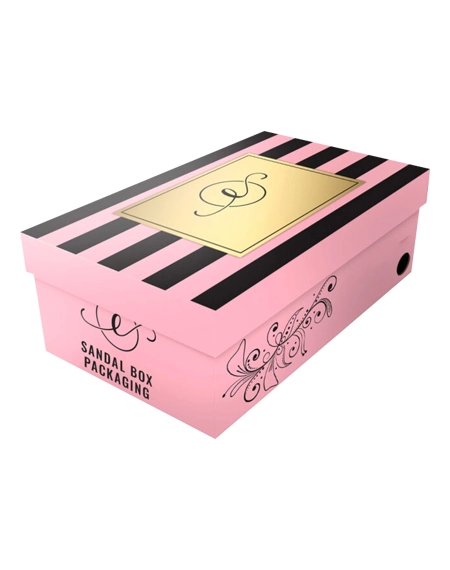
Two-piece lid-and-base boxes provide broad loading access and work well for gift sets, folded tees, tissue, and coordinated accessories. Folding cartons with tuck closures arrive flat and can suit retail programs where storage efficiency and fast assembly matter. Sleeve-and-tray formats create a controlled reveal, while paperboard sleeves or belly bands offer lighter branding around a folded, wrapped, or bagged shirt. Corrugated roll-end mailers are better suited to ecommerce distribution because their walls and closures provide more transit structure than lightweight presentation cartons. Rigid magnetic or drawer boxes may support premium drops or collectible merchandise, but they add material, assembly, freight, and storage. Paperboard frames, dividers, tissue, and insert cards can organize multiple garments or separate accessories. The structure should not press thick screen prints, embroidery, appliqués, buttons, or raised decoration. A retail carton is not automatically parcel-ready; shipping use should be evaluated around the complete packed product, delivery route, sealing method, and acceptable condition on arrival.
Offset printing suits larger T-shirt packaging runs that require detailed artwork, controlled brand colors, photographs, and consistency across sizes or collections. Digital printing can support shorter quantities, prototypes, seasonal drops, creator collaborations, personalized event boxes, or frequent artwork changes when the selected press and board fit the project. Flexographic printing may suit simplified graphics on corrugated mailers, while screen printing is generally reserved for specialty coverage on selected materials. CMYK reproduces photography, gradients, illustrations, and broad color ranges; PMS spot colors can define controlled brand elements under an approved production standard. White ink may improve contrast on kraft, dark, or colored stocks, but opacity and registration should be tested. Artwork can include logos, collection names, garment sizes, care references, barcodes, QR codes, social handles, return guidance, and campaign messaging. Use the approved dieline with adequate resolution, bleed, safe areas, prepared fonts, and separate layers for windows or finishes. Final appearance depends on substrate color, coating, ink system, press controls, and proof approval.
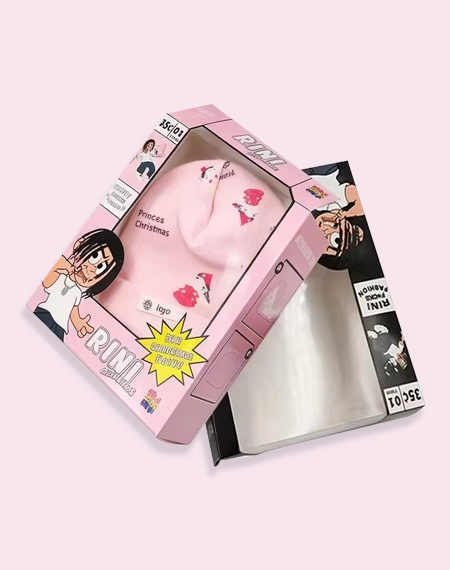
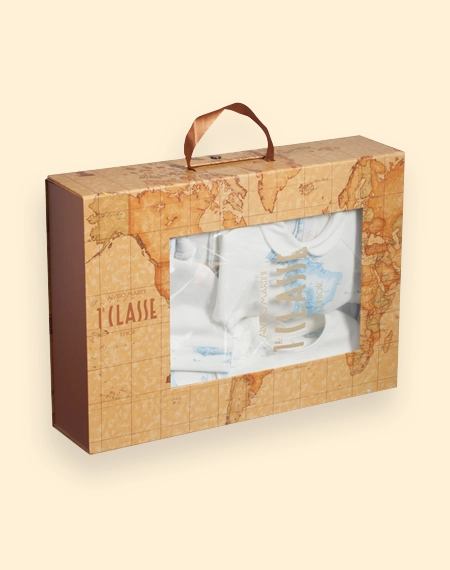
Matte coating can reduce glare and support restrained fashion branding, while gloss coating increases reflectivity and can intensify photography or saturated graphics. Aqueous coating may add scuff resistance on compatible paperboard. Soft-touch lamination creates tactile contrast for premium apparel drops, although fingerprints, writing performance, material separation, and cost should be reviewed. Foil stamping can highlight a logo, artist name, edition number, or collection mark, and embossing or debossing adds physical relief where the board and fold placement permit a clean impression. Spot UV creates selective shine over a suitable printed or laminated surface. Die-cut windows can reveal fabric color, artwork, or size labels but reduce printable area and expose garments to more handling. Tissue, belly bands, stickers, hang tags, thank-you cards, and printed interior panels can build a coordinated opening sequence. Select each enhancement after confirming the garment fold, package structure, packing time, shipping route, writing surface, and disposal expectations so decoration supports usability rather than adding unnecessary complexity.
Measure the T-shirt after folding or rolling it in the exact retail or fulfillment configuration, including tissue, boards, bands, tags, labels, cards, and protective wraps. Record the maximum packed length, width, depth, and weight for each relevant garment size, fabric weight, and decoration method. Cotton tees, heavyweight blanks, oversized cuts, embroidered shirts, and multi-garment bundles may require different depths even when their flat dimensions appear similar. Internal dimensions should provide loading and removal clearance without allowing excessive movement; external dimensions change with board caliper, folds, glue seams, lids, windows, and structural style. The approved dieline should identify cuts, creases, glue areas, locking tabs, windows, handles, bleed, safe zones, barcodes, and variable-data panels. Artwork must use that exact version because dimensional changes can move logos, edition numbers, or size information across folds. Digital proofs help confirm content and placement, while structural prototypes help evaluate garment fit, compression, tissue placement, closure behavior, stacking, and opening. Map shared structures, garment sizes, colorways, collaborations, sales channels, and quantities before production.
T-shirt boxes help protect folded garments from dust, rubbing, snagging, light compression, and uncontrolled movement during retail handling, gifting, or fulfillment. Performance depends on the garment fold, decoration, fabric sensitivity, board stiffness, closure, tissue, and outer shipping system. Thick screen prints, puff ink, embroidery, sequins, patches, and raised transfers may need extra clearance or protective layers. Deep boxes can allow shifting, while shallow cartons can press permanent creases into the fabric or decoration. Ecommerce orders should use an appropriately engineered corrugated mailer or outer shipper when parcel conditions create impact, moisture, puncture, or compression risks. Right-sizing can reduce unused board, tissue, void space, and freight volume while preserving practical loading. Paperboard, plastic windows, laminations, foils, magnets, ribbons, tissue, and foam may require separation before local recovery. Recycled content, certified fiber, recyclability, reduced-plastic, and other environmental claims need evidence for the complete specification. The FTC advises marketers to qualify recyclable claims when access to suitable recycling facilities is limited.
Prepare the quotation request with a folded or rolled garment sample, maximum packed dimensions, garment weight, size range, order quantity, number of artwork versions, preferred structure, board, printing, finishes, inserts, and delivery destination. Explain whether the packaging supports retail display, gifting, subscriptions, merchandise drops, influencer kits, or ecommerce shipping because the handling route affects structure and outer protection. Custom Boxes Inc. can review the submitted details and identify missing sizing, structural, or prepress information before approval. Confirm the dieline, garment orientation, material, color references, proof type, finish layers, pack-out sequence, and acceptance criteria. Quality checks may cover dimensions, cuts, creases, glue integrity, lid fit, closure function, insert placement, window alignment, print registration, barcode readability, version sorting, quantity, and final packing against the approved specification. Request your custom T-shirt packaging box quotation through the inquiry form, call (833) 565-0363, or email inquiry@customboxesinc.com with your garment measurements, artwork status, quantity, and destination.


Answers to Help You Order with Confidence
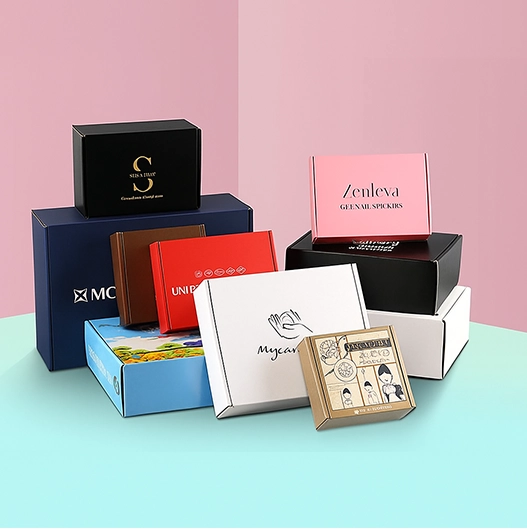
SBS paperboard and folding boxboard suit many printed retail cartons, while corrugated board is better for ecommerce mailers or heavier multi-shirt packs. Kraft provides a natural brown appearance, and rigid board may fit collectible or gift programs. Final selection should follow garment weight, box span, printing, finish, storage, and distribution requirements.
Fold the garment exactly as it will be packed, including tissue, boards, tags, cards, labels, and protective wraps. Measure the maximum length, width, depth, and weight. Check representative sizes and heavier fabrics because oversized cuts, embroidery, puff prints, and multi-shirt bundles can require more clearance than a standard lightweight tee.
Yes. Tissue, paperboard frames, dividers, insert cards, belly bands, stickers, and accessory compartments can be incorporated when the structure provides enough internal space. Each component affects packing time, garment pressure, disposal, and cost. Confirm the shirt fold, included items, desired opening sequence, and shipping route before approving the complete arrangement.
Provide production-ready artwork on the approved dieline using suitable vector or high-resolution files. Include bleed, safe areas, prepared fonts, linked images, color references, barcodes, QR codes, and separate finish layers. Verify collection names, garment sizes, collaboration credits, social handles, care references, and return information before approving each version.
Yes. A digital proof can confirm copy, artwork placement, colors, barcodes, and finish locations. A structural prototype or physical sample may be useful when garment fit, package depth, tissue placement, insert pressure, closure behavior, window position, stacking, or customer opening requires evaluation beyond a screen-based review.
Custom Boxes Inc is a leading manufacturer and supplier of custom packaging boxes tailored for every product and industry. From startups to global brands, we empower businesses across the USA with cost-effective, high-quality, fully personalized packaging solutions — crafted with precision, delivered with speed. Whether you need eco-friendly cardboard boxes, rigid luxury boxes, or branded retail-ready display packaging — we've got you covered with endless customization options, low MOQs, and lightning-fast turnarounds.