

Select dimensions in cm, mm, inches, ml, or oz and more — whatever fits your product.

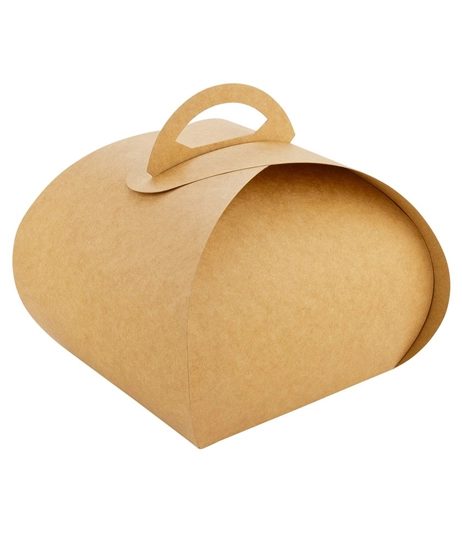
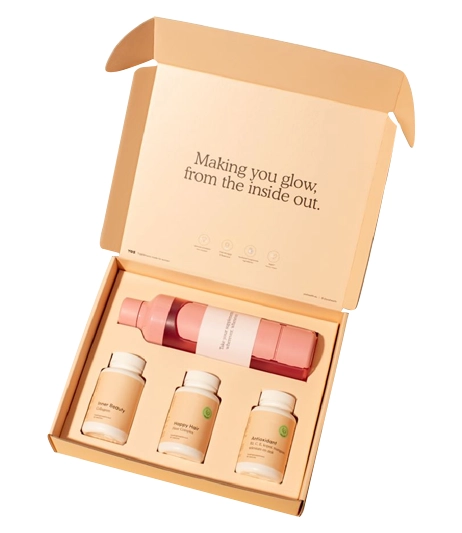
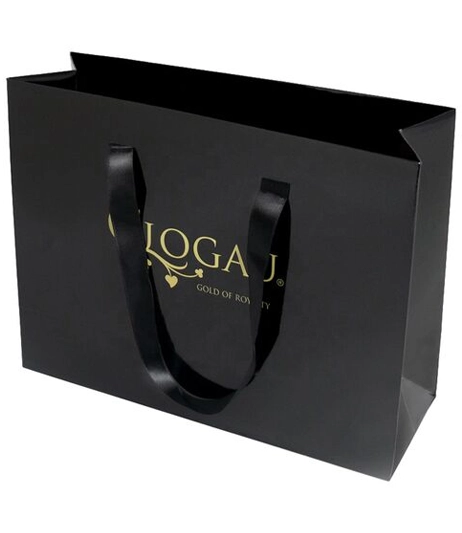
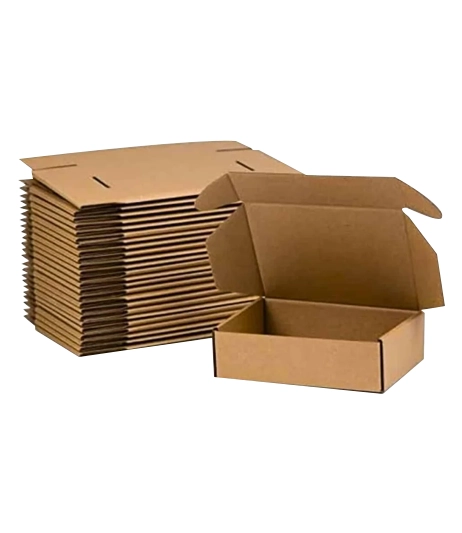
Custom kraft boxes give products a grounded, tactile presentation while leaving room for clear brand expression. At Custom Boxes Inc., we tailor the size, structure, printing, and finish to the way your product will be handled, displayed, gifted, or shipped. A kraft-based look can support a simple one-color mark, a fuller printed design, or a more considered unboxing experience without making the packaging feel overworked. Choose a box style that fits the item, then coordinate the artwork and dieline before production. Whether the need is retail packaging, subscription packing, event handouts, or a small product line, the right specification helps the material, message, and product work together.

Select dimensions in cm, mm, inches, ml, or oz and more — whatever fits your product.

Choose the Stock, printing type, and enter your order quantity.

Upload your ready artwork — or just write “Need Design” and we'll handle it.

Fill in your name, contact number, and email for quick communication.

Solve a quick captcha and hit “Submit Quote” — it takes seconds!

Our expert will reach out ASAP with the best market rate from a top packaging provider.

After You Approve the Quote — Here's What Happens Next


Kraft boxes work best when the material direction has a clear role in product presentation. Their recognizable, natural-looking surface can make a package feel direct, tactile, and considered before the customer reads a word of copy. That character can suit a simple logo, well-spaced type, or an illustrated panel without making the exterior feel overworked. The right solution begins by deciding what the box should communicate at the shelf, in a shipment, at an event, or in the customer's hands.
Begin with the item it will hold and the moment in which it will be opened. Consider product dimensions, weight, shape, and components that need to stay together. A small accessory, a set of samples, a folded garment, or a gift set may each need very different proportions. Defining the product fit early gives the structural choice a practical foundation and helps avoid a box that looks good in a mockup but feels awkward in use. Then decide what customers need to do with the package. A box handed across a retail counter may prioritize easy opening and visual clarity. A direct-to-customer order may benefit from an organized reveal. For a gift or event handout, the top panel, a ribbon detail, or how the box presents when carried may matter most. These decisions guide the balance between material character, construction, print, and finishing instead of treating kraft as a purely decorative preference.
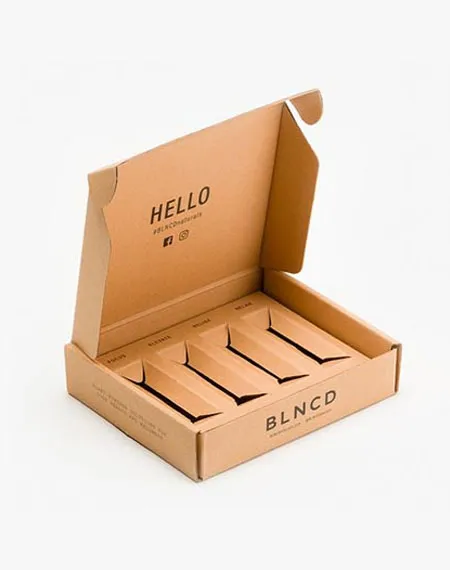
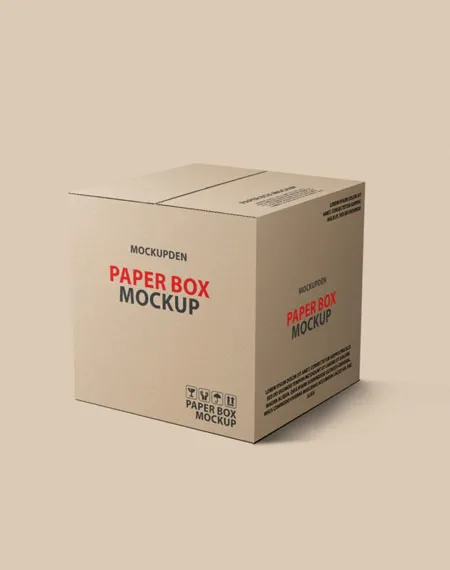
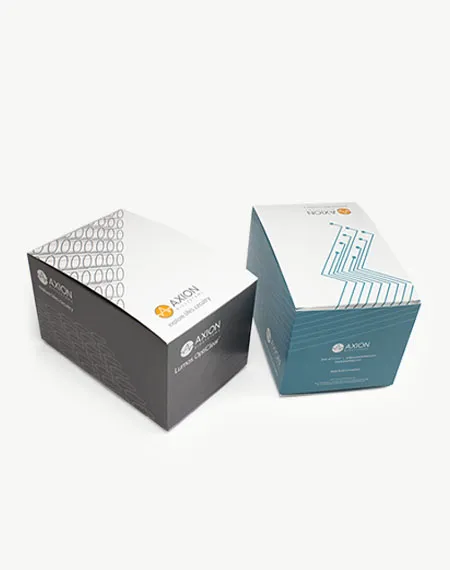
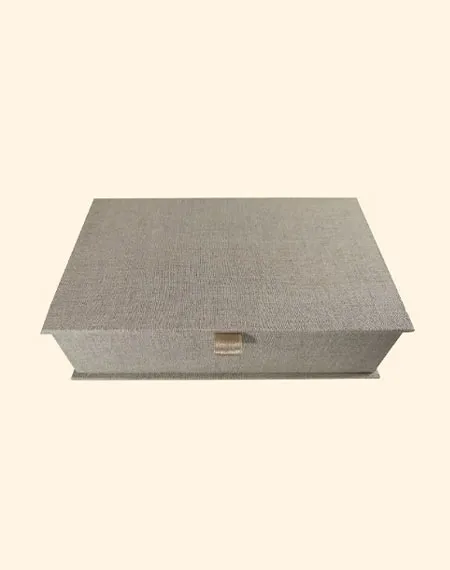
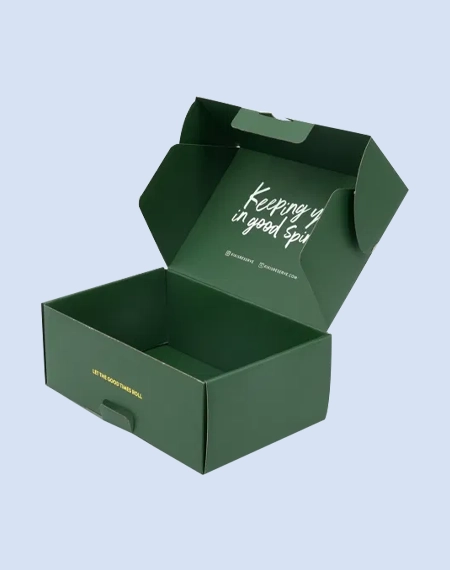
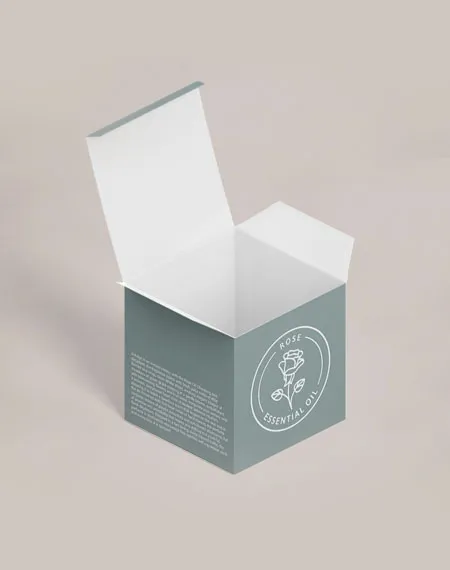
Kraft can be specified across several custom box directions, allowing the construction to follow the product instead of forcing the product into a standard format. Tuck-end cartons provide a familiar presentation for many retail goods. Sleeves can frame an inner tray or product pack. Display boxes bring the product forward at point of sale, while gable-style boxes introduce a built-in carrying form for suitable projects. Mailer-style structures are another option when the opening experience and shipping journey both matter.
Base the length, width, and depth on the packaged product, any wrapping, and any insert or divider being used. Even a small adjustment can affect how the item sits, how the panels look, and the open space inside. If the product needs more organization, board, paper-based, foam, cavity, or blister insert options can be considered according to the project. Product photos, samples, or accurate measurements make the structural conversation more specific.
Kraft is not a blank white canvas, and that is part of its appeal. Its surface character becomes a visible part of the design, so artwork should be built with the material in mind. First identify what a customer must notice: the brand name, product name, variant, instructions, or a simple point of distinction. Then establish a hierarchy that gives those elements enough space and lets the natural-looking background participate in the composition. A restrained design can use a single ink color, a bold mark, or carefully placed typography. A fuller layout can use CMYK printing or PMS/spot colors where the project calls for them. White ink may also be considered for appropriate kraft projects when stronger contrast is useful. The right print approach depends on the artwork, intended color treatment, quantity, and chosen structure, so it is best discussed alongside the full packaging brief rather than as an isolated production choice. Placement matters as much as print method. The front panel can carry the core message, while side panels support it with product details, a pattern, or a short brand story. Inside printing can extend the reveal when it has a clear role. Keep folds, seams, and opening areas in view while planning the layout. A supplied dieline, artwork check, and digital proof help align graphics with the actual panels before production.
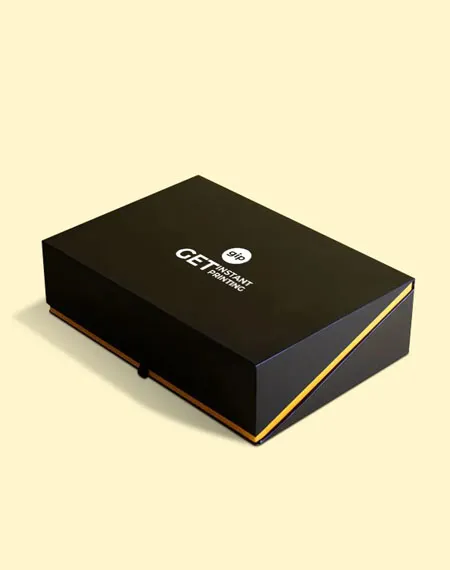
The kraft surface can stand on its own, but selected finishes can move the packaging toward a more polished or tactile direction. Matte, gloss, soft-touch, and aqueous coating choices can be evaluated where they suit the artwork and intended presentation. Foil stamping can draw attention to a logo or short phrase; embossing, debossing, spot UV, and raised effects create selective points of emphasis. Choose the details that reinforce the product and brand rather than adding every available option. Finish decisions should be made early enough to inform the artwork. A fine detail that works in a digital file may need to be simplified or repositioned for a particular finish, and a large foil area can call for a different visual balance than a printed one. Reviewing a proof keeps these choices connected to the actual structure and print plan.
Where the customer meets the product should influence the specification. In retail, the front panel, side visibility, and ease of handling may shape the design. For direct-to-customer orders, the opening sequence, the way an insert holds the item, and space for a short message may deserve more attention. For gifts, subscription packs, or event materials, the presentation can be built around the first reveal and how the package looks before it is opened. A single brand may use several kraft box formats across its range while keeping a consistent visual system. The same logo position, type treatment, or graphic pattern can appear on a small accessory box, a larger product carton, and a sleeve-and-tray combination. This creates recognition without requiring every product to share the same dimensions or construction. Keep existing dielines, artwork files, and approved proof details organized when future variants are planned to make later discussions more efficient.
A strong quote request gives the packaging team enough context to recommend a useful direction. Include the product type, dimensions and weight, how it will be presented, desired box style, quantity, and any insert, print, or finishing needs. Add the logo, colors, and artwork if you have them; if not, describe the visual direction and ask for design or artwork assistance. Identify whether the package is for retail, gifting, shipping, sampling, or an event, since that use changes the questions worth asking. At Custom Boxes Inc., the process can include custom sizing, structure selection, artwork checks, dieline support, and digital proofs before production. That coordination is particularly valuable for kraft packaging because the surface, structural panels, and printed elements need to work as one design. Rather than choosing a stock-looking box first and fitting the product around it, use the brief to define the product fit and brand experience together.
Praised for sustainability, strength, and natural style.


Answers to Help You Order with Confidence
Custom kraft boxes can be specified for retail products, gifts, subscription packs, samples, event handouts, and other product presentations. The appropriate structure depends on how the item will be packed, displayed, carried, or opened.
Yes. Custom length, width, and depth can be planned around your product, wrapping, inserts, and preferred presentation. Accurate product dimensions and photos help define a more useful specification.
Yes. Options can include digital or offset printing, CMYK, and PMS/spot colors according to the project. White ink may also be considered when stronger contrast is needed on an appropriate kraft design.
Yes. Depending on the product and design, inserts such as board, paper-based, foam, cavity, or blister options can be considered. Finishing choices may include matte, gloss, soft-touch, foil stamping, embossing, debossing, spot UV, raised effects, or aqueous coating.
Include the product type, dimensions, weight, desired box style, quantity, artwork, and any print, insert, or finish requirements. Also explain whether the packaging is for retail, gifting, shipping, sampling, or an event.
Custom Boxes Inc is a leading manufacturer and supplier of custom packaging boxes tailored for every product and industry. From startups to global brands, we empower businesses across the USA with cost-effective, high-quality, fully personalized packaging solutions — crafted with precision, delivered with speed. Whether you need eco-friendly cardboard boxes, rigid luxury boxes, or branded retail-ready display packaging — we've got you covered with endless customization options, low MOQs, and lightning-fast turnarounds.