

Select dimensions in cm, mm, inches, ml, or oz and more — whatever fits your product.

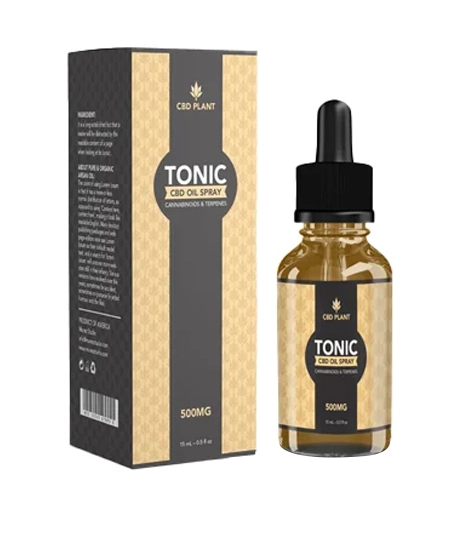
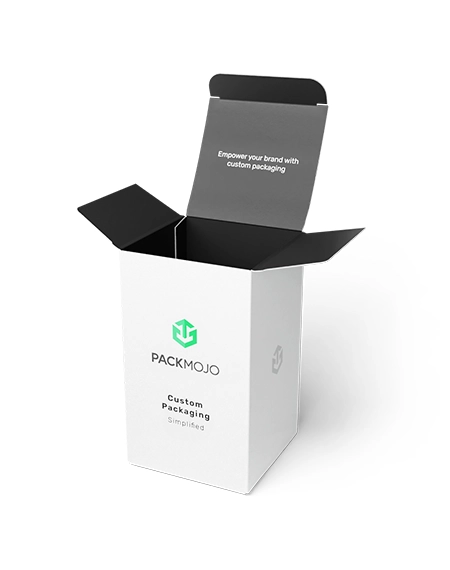
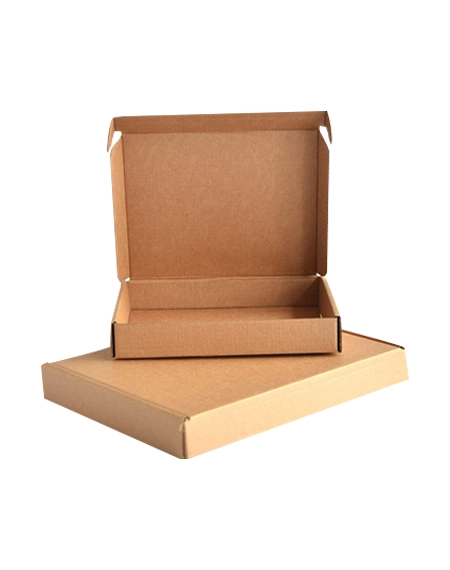
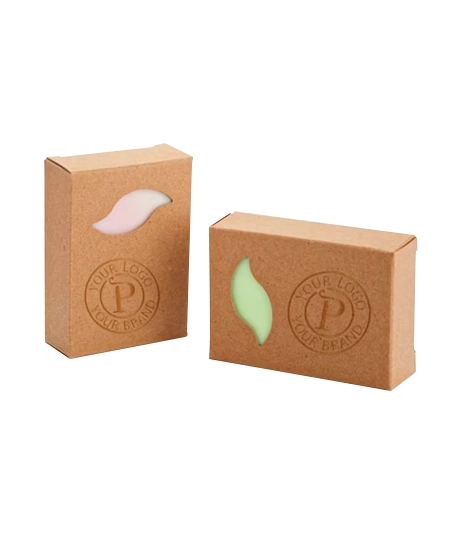
Packaging material shapes more than the outside of a box. It influences which structure fits the product, how the packaging presents, how artwork is approached, and which finishing details may suit the final direction. At Custom Boxes Inc., material selection can be planned alongside custom sizing, box style, print, inserts, and the intended customer experience. Options can include paperboard or cardstock, kraft, corrugated, rigid greyboard, and selected paper-based wraps according to the project. Start with the product, its intended use, and the visual direction you want to create. We can then help turn those needs into a material-and-structure brief that supports the complete packaging project.

Select dimensions in cm, mm, inches, ml, or oz and more — whatever fits your product.

Choose the Stock, printing type, and enter your order quantity.

Upload your ready artwork — or just write “Need Design” and we'll handle it.

Fill in your name, contact number, and email for quick communication.

Solve a quick captcha and hit “Submit Quote” — it takes seconds!

Our expert will reach out ASAP with the best market rate from a top packaging provider.

After You Approve the Quote — Here's What Happens Next


Material selection is one of the earliest decisions in a custom packaging project because it influences the structure, appearance, print approach, finish choices, and interior presentation that can be considered. The best material is not simply the one with the most familiar name; it is the one that makes sense for the product, the box style, and the moment a customer meets the package. At Custom Boxes Inc., we can discuss paperboard or cardstock, kraft, corrugated, rigid greyboard, and selected paper-based wrap directions as part of a complete custom box brief. The goal is to connect the material to the job it needs to do and the brand experience you want to create.
Start by defining what the package will contain and how it will be used. Consider the product’s dimensions, weight, shape, components, wrapping, and intended customer journey. Will the package be displayed in retail, delivered to a customer, given as a gift, used for samples, or part of a larger product set? The answer helps frame the material conversation alongside custom sizing, box structure, inserts, printing, and finishing. Next, identify the visual direction. Some projects call for a clean carton-style presentation, while others need a natural-looking kraft surface, a corrugated box direction, or a more structured rigid presentation. The material should be discussed with the design rather than after it. That way, the chosen surface, printed elements, and physical form can support each other from the beginning.
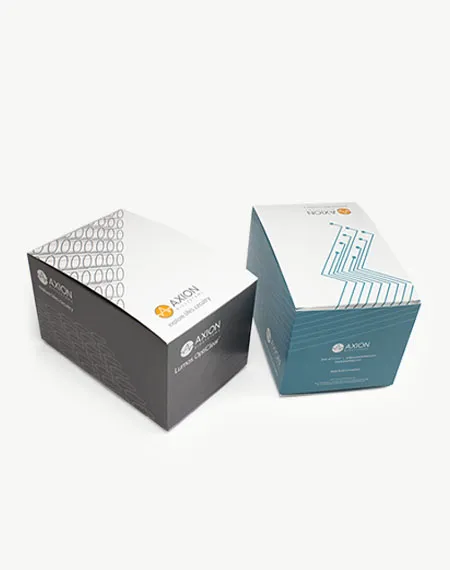
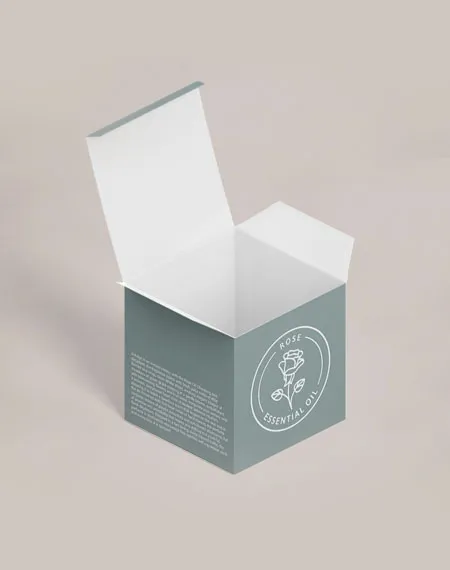
Paperboard and cardstock can be considered for many carton-style packaging projects. They can work with folding cartons, tuck-end structures, sleeves, display boxes, and other custom formats where panel layout and printed branding play an important role. The final material direction should be planned around the product, structure, visual brief, and quantity rather than assumed from a box style alone. A paperboard or cardstock project benefits from an early review of the real panels. The front, sides, top, and inside areas can each carry a different part of the brand story or product information. The dieline helps map those panels, folds, seams, and opening areas before artwork is finalized. This makes it easier to plan a carton that feels intentional from the first panel to the opening experience.
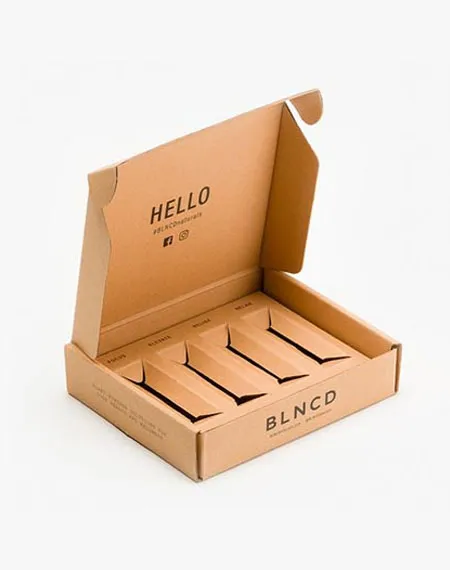
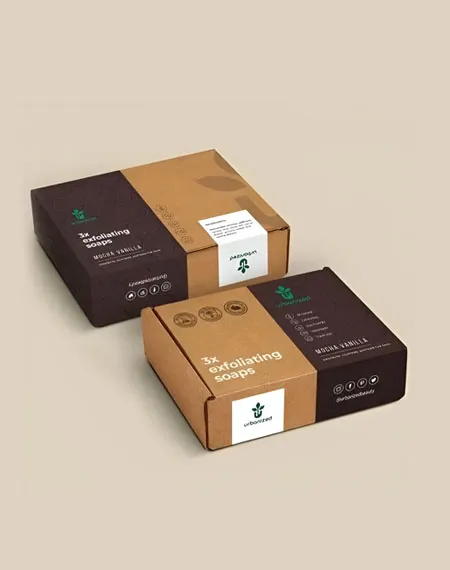
Kraft can bring a natural-looking, tactile material direction to a custom box project. It may suit a simple logo treatment, a restrained typographic layout, an illustrated design, or selected finishing details. The material becomes part of the visual composition, so artwork should be developed with the kraft surface in mind instead of treating it like a blank white background. Digital or offset printing, CMYK, and PMS/spot colors can be considered according to the project. White ink may also be considered for appropriate kraft designs when stronger contrast is useful. The right combination depends on the artwork, quantity, box structure, and desired presentation. A digital proof helps the team review the proposed print direction before production moves forward.
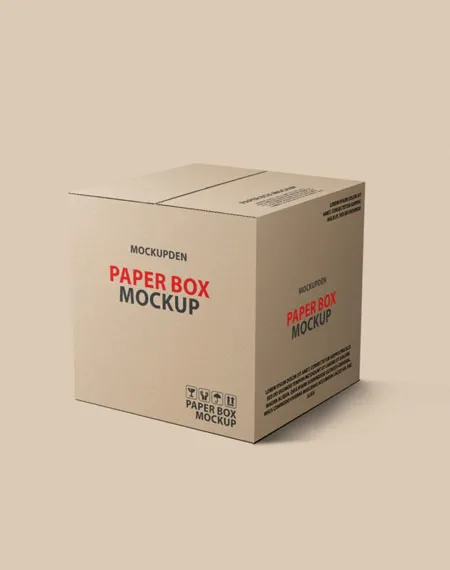
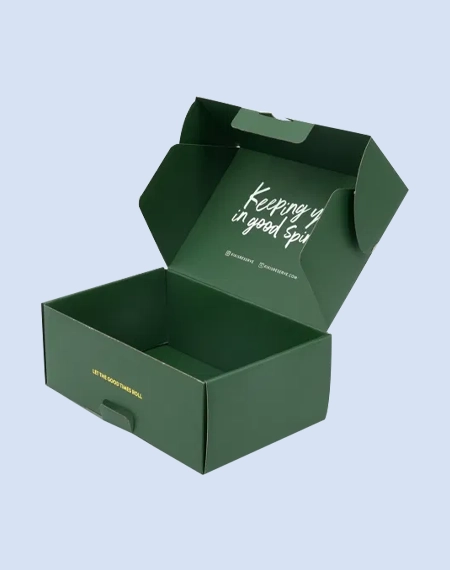
Corrugated material can be considered for branded mailers, outer boxes, display formats, and other product-packaging directions. The product, contents, handling journey, and intended opening or display experience should inform the structural conversation. Rather than choosing a generic corrugated format first, begin with accurate product measurements and then consider the box dimensions, opening method, interior layout, and exterior panels together. The same brand can use a consistent visual framework across corrugated formats while allowing each box to fit its own contents. A shared logo position, type treatment, or graphic pattern can connect different sizes or structures. Artwork checks, dieline support, and digital proofs help keep the visual system aligned with the real corrugated panels and openings.
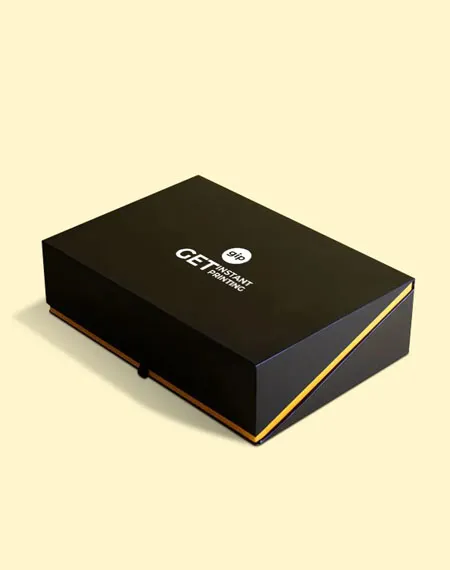
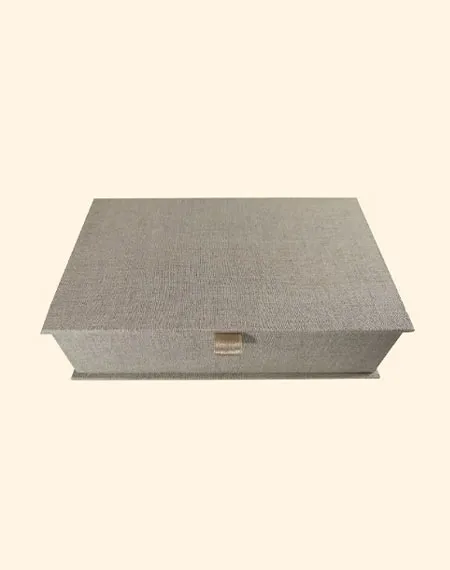
Rigid greyboard can be considered when the project calls for a more developed product presentation and a structure built around the unboxing experience. Rigid formats may include two-piece, magnetic, book-style, hinged-lid, clamshell, drawer, sleeve-and-tray, shoulder-neck, and other custom directions according to the project. Inserts, ribbons, and magnetic closures may also be considered when they suit the chosen structure and presentation. The outer wrap is a separate visual decision within a rigid packaging project. Smooth, linen, colored, pearlescent, textured, and foil-paper wrap directions can be considered alongside the artwork and intended finish. This gives the package a wider range of surface character before print and finishing details are added. The best choice is the one that supports the product, the opening sequence, and the brand’s visual direction without adding details that do not serve a purpose.
Material selection should guide the print and finish discussion. Digital and offset printing, CMYK, and PMS/spot colors can be considered according to the project. Metallic or white ink may also be considered for appropriate projects. Finishes such as matte, gloss, soft-touch, aqueous coating, foil stamping, embossing, debossing, spot UV, and raised effects can then be evaluated as part of the same visual plan. A finish should reinforce the design rather than compensate for an unclear material choice. For example, a logo, product name, or pattern may be the right place for a selective finish, while other panels remain simpler. Bringing these decisions into the artwork and proof stage helps keep the material surface, print treatment, and box construction connected.
A useful material discussion gives the packaging team enough context to make relevant recommendations. Include the product type, dimensions, weight, intended use, preferred box style, quantity, visual direction, and any printing, insert, or finishing requirements. Let the team know whether the package will be used for retail, gifting, delivery, samples, or another presentation. If you have product photos, samples, logos, color references, or existing packaging, include them.
Verified feedback from real packaging buyers.
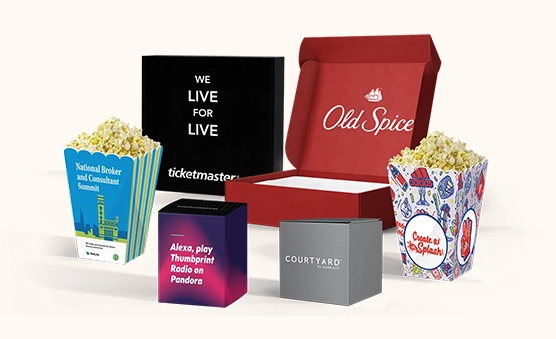


Answers to Help You Order with Confidence
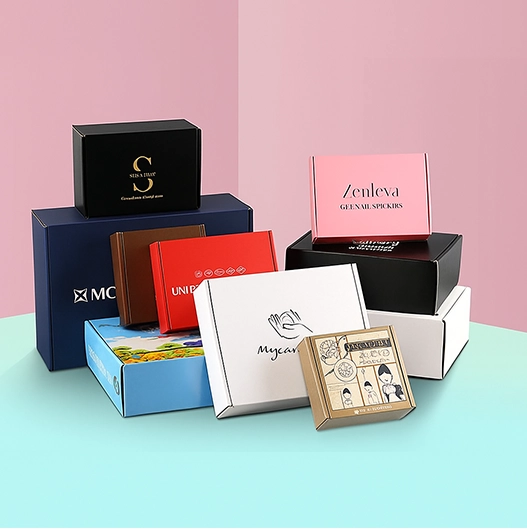
Options can include paperboard or cardstock, kraft, corrugated, rigid greyboard, and selected paper-based wraps according to the project. The appropriate direction depends on the product, box style, intended use, visual brief, and packaging requirements.
Start with the product dimensions, weight, shape, contents, intended journey, and the presentation you want to create. Then consider the preferred structure, artwork, inserts, print, and finishes as part of the same packaging brief.
Yes. Digital or offset printing, CMYK, PMS/spot colors, metallic or white ink, and selected finish options can be considered where appropriate for the project. Discussing material, artwork, and finishes together helps create a more coordinated final direction.
Yes. A consistent logo position, color framework, type treatment, or graphic pattern can be adapted across different material and box directions. The final approach should still be planned around each package’s structure and product requirements.
Include the product type, dimensions, weight, desired box style, quantity, visual direction, and any printing, insert, or finishing requirements. Product photos, samples, artwork, and references to existing packaging can also make the material discussion more specific.
Custom Boxes Inc is a leading manufacturer and supplier of custom packaging boxes tailored for every product and industry. From startups to global brands, we empower businesses across the USA with cost-effective, high-quality, fully personalized packaging solutions — crafted with precision, delivered with speed. Whether you need eco-friendly cardboard boxes, rigid luxury boxes, or branded retail-ready display packaging — we've got you covered with endless customization options, low MOQs, and lightning-fast turnarounds.