

Select dimensions in cm, mm, inches, ml, or oz and more — whatever fits your product.

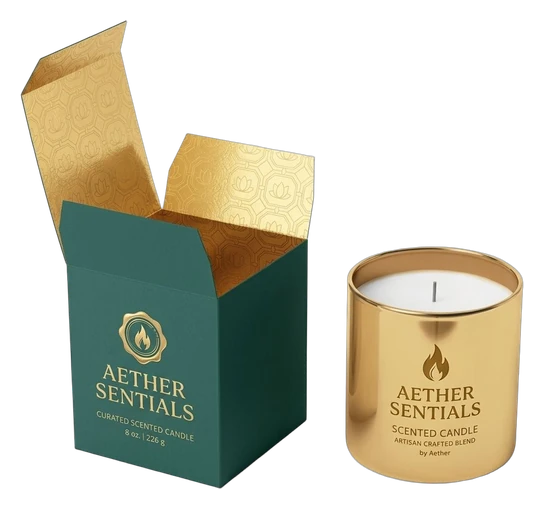
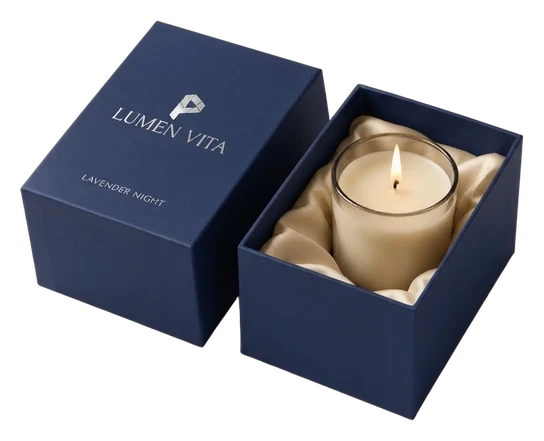
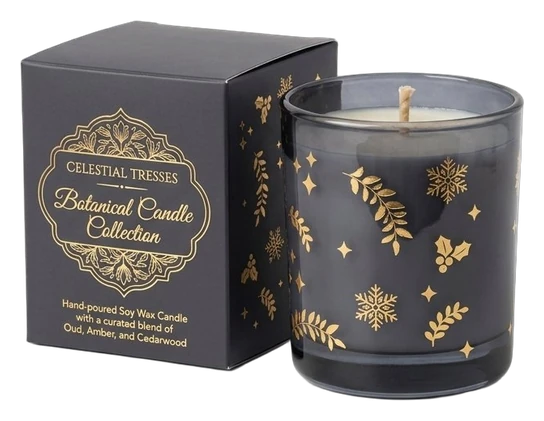
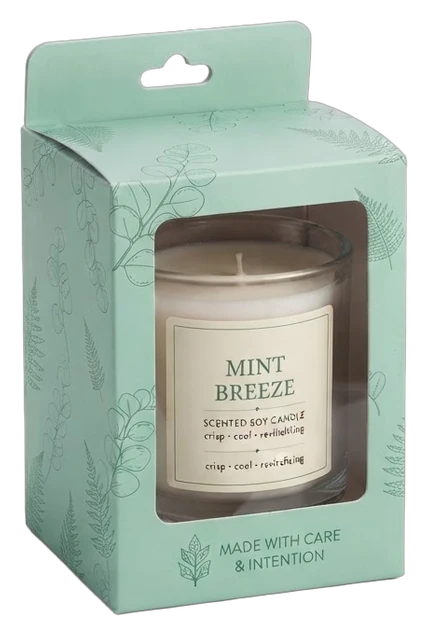
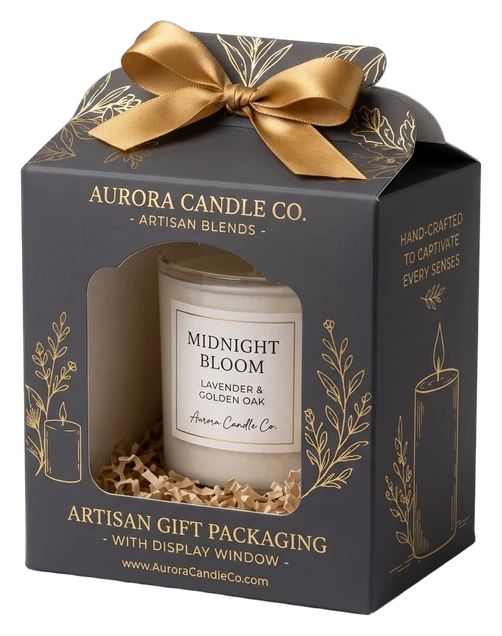
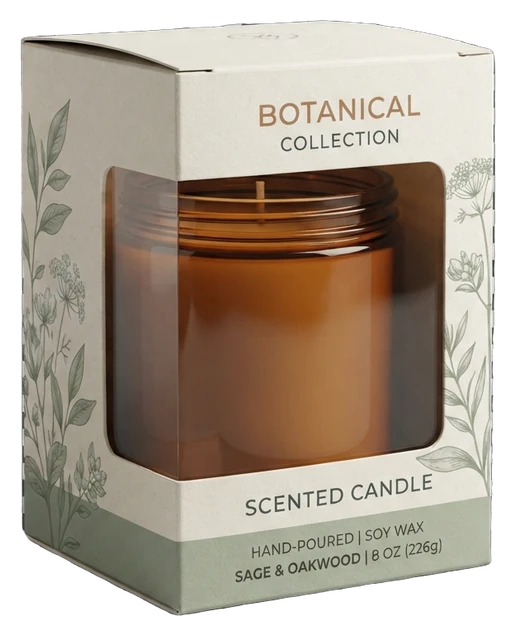
Custom candle boxes are paper-based cartons and presentation packs sized around finished candles, with room for the vessel, lid, and any supporting insert. They give your fragrance collection a recognizable identity while addressing loose fit, delicate surfaces, and packing needs. At Custom Boxes Inc., your candle dimensions and sales channel guide the structure, board, and artwork. Free design assistance and coordinated production help turn your packaging idea into a clear plan for launch or replenishment.

Select dimensions in cm, mm, inches, ml, or oz and more — whatever fits your product.

Choose the Stock, printing type, and enter your order quantity.

Upload your ready artwork — or just write “Need Design” and we'll handle it.

Fill in your name, contact number, and email for quick communication.

Solve a quick captcha and hit “Submit Quote” — it takes seconds!

Our expert will reach out ASAP with the best market rate from a top packaging provider.

After You Approve the Quote — Here's What Happens Next


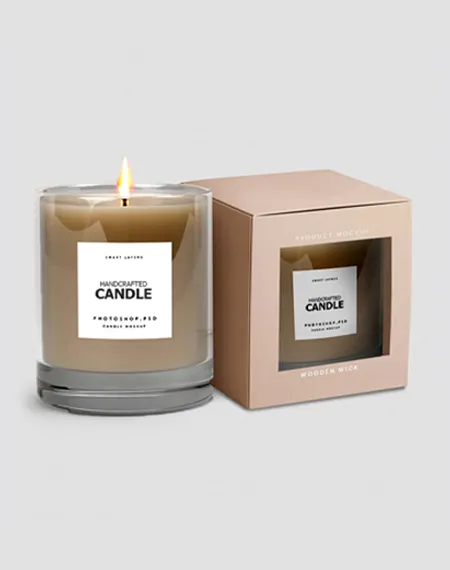
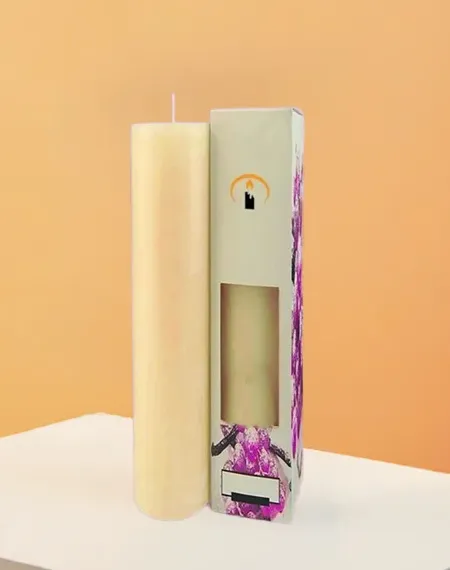
A candle box needs to hold the finished product comfortably and make the collection easy to recognize. A heavy glass tumbler, a painted ceramic vessel, and a pair of slender tapers each place different demands on the packaging. The right starting point is the candle you actually sell. Share the finished candle's dimensions and weight, its display requirements, and whether it travels inside a shipping carton. We use those details to develop custom candle packaging boxes with an appropriate opening, base support, interior layout, and print specification.
An 8 oz candle does not have one standard box size. Wax weight and vessel capacity cannot tell us the outside diameter, height, or lid overhang. Measure the widest part of the finished candle and its total height with the intended lid fitted. For square or irregular vessels, provide the maximum length and width as well. Include labels, wrapping, and accessories that affect the fit. We use these measurements to establish usable internal space and insert clearance. Changing the vessel supplier or lid later should trigger another fit check before reordering.
The contents determine where support is needed:
Custom candle boxes with inserts can hold products in a planned arrangement. Paperboard or corrugated supports should locate the candle without forcing pressure onto the wick, lid knob, or fragile rim. Allow enough access for comfortable removal.
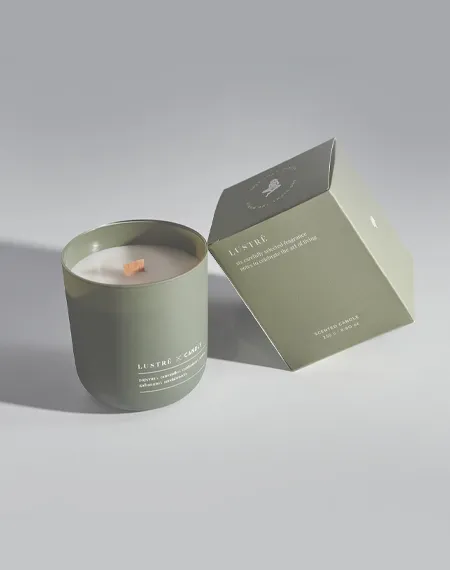
Printed paperboard suits many retail cartons, with a closure selected for the filled weight and packing method. A tuck closure, locking base, or glued bottom should be evaluated as part of the complete box. A thicker sheet alone does not establish the performance of its base. For luxury candle boxes, wrapped rigid board supports a substantial lid-and-base or hinged presentation. Corrugated construction serves shipping and protective packing applications. Brown kraft offers a different print surface from white board; its appearance alone does not establish recycled content. We help compare these choices against your presentation, handling, and budget. Discuss how the empty boxes will arrive: flat cartons need assembly time, while assembled presentation boxes occupy more storage space. Include those practical differences when comparing formats for your packing area.
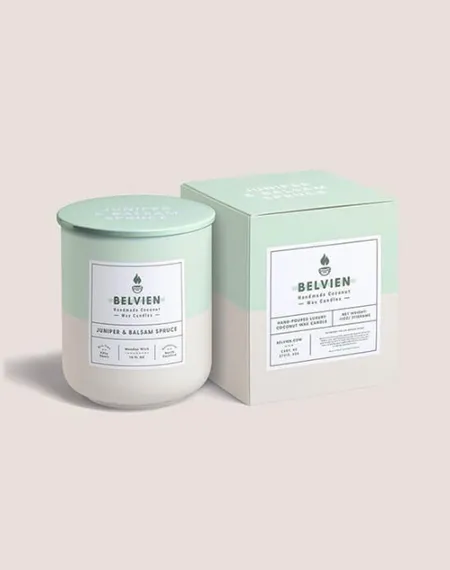
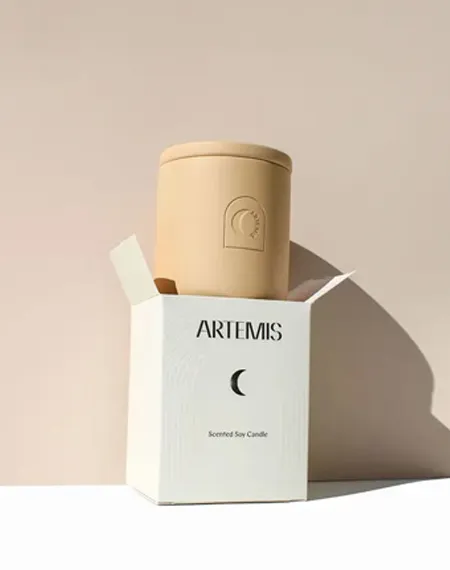
Custom printed candle boxes can identify the brand, fragrance, and collection before the customer opens the lid. Keep the scent name readable and use your supplied fragrance notes to explain the product. A consistent layout with a distinct accent color or illustration for each scent helps shoppers compare the range. Plan the side and bottom panels too. Reserve usable space for approved net contents, product identification, barcodes, and care or safety information. Free design assistance places your artwork across the dieline, checking orientation, folds, and text placement while keeping each fragrance version organized.
A restrained foil detail can emphasize your logo, while embossing adds a raised element to the printed surface. Matte, gloss, and selected soft-touch finishes create different visual and tactile effects. Review their suitability on the chosen board, especially around folds and areas handled during packing. A window can reveal vessel color or label design, provided its position aligns with the packed candle. Define the opening, any covering, and the support around it. Keep decorative effects clear of small text and barcodes, and compare printed colors against the actual jar or label when coordinating the collection.
For a candle duo, discovery set, or candle with accessories, plan the complete arrangement before sizing the outer box. Separate vessels so they cannot contact one another directly, and give heavier pieces appropriate support. Check that a lid, care card, or insert does not obstruct removal. A shared box format can support several collections when the contents remain compatible. If fragrance versions use the same vessel, retain the structural specification and change the approved artwork. Recheck the layout when the product count, lid, or accessory changes; similar branding does not make different contents interchangeable.
A retail candle carton may need a protective outer shipper. Custom candle shipping boxes require a complete arrangement of board, supports, cushioning, closure, and sealing suited to the packed order. Assess the filled package under relevant handling conditions before relying on it for customer shipments. Paper packaging is not temperature control. For warm routes, consider transit duration and exposure when planning finished candle shipments. An ordinary carton also does not establish an airtight fragrance barrier. For exposed wax or oily surfaces, confirm contact materials and any necessary inner protection against the actual candle formulation.
Your digital proof shows artwork placement and panel layout. Check the scent name, logo, barcode space, and buyer-approved care and warning copy before approval. We help position supplied information; the candle brand confirms that its wording and labeling arrangements meet applicable requirements. A physical sample, when arranged, helps assess fit, finish, opening, and packing. Confirm its availability, scope, and cost. Try inserting the finished candle, closing the box, and removing it again. This can reveal tight lid clearance, awkward finger access, or assembly steps that a screen proof cannot demonstrate.
Wholesale candle box pricing depends on structure, size, board, inserts, printing, finishes, and quantities per artwork version. Supported paperboard, kraft, and corrugated orders may start at 50 boxes; supported rigid formats may start at 25. Confirm the minimum for the selected configuration and each design. Share your required packaging arrival date alongside your launch or restock plans. Production follows payment, structure confirmation, and final artwork approval; transit is scheduled separately. Rigid, corrugated, and complex orders receive their own production plans. Identifying every scent version early helps coordinate approvals before the run begins.
Send Custom Boxes Inc. your finished candle measurements, weight, lid details, quantities, fragrance versions, and delivery requirements. We will help develop a box and insert direction with printing suited to your collection. Complete the quote form for pricing and free design guidance, or discuss your candle packaging with our team.


Answers to Help You Order with Confidence
Ounce weight or vessel capacity does not establish the finished candle's outside dimensions. Send the maximum diameter or length and width, total height with the lid fitted, and packed weight. We use those details to plan internal dimensions and any insert space.
Yes, share the vessel dimensions, lid style, weight, and how the candle will be sold or shipped. We can help compare retail cartons, rigid presentation boxes, and corrugated packing with suitable paper-based supports. The final recommendation considers the complete filled package, including any outer shipping protection.
Yes, approved artwork versions can use different fragrance names, colors, illustrations, and product details. Free design assistance helps place your branding consistently across the selected dieline. Provide the quantity for each version so minimums, pricing, and production requirements can be confirmed.
Supported paperboard, kraft, and corrugated configurations may begin at 50 boxes, while supported rigid formats may begin at 25. The exact minimum depends on your chosen structure, finish, and artwork version. Request pricing with your quantities per scent so the quote reflects the full collection.
Share your required arrival date and delivery ZIP code when requesting a quote. Production timing is confirmed after reviewing the structure, materials, finishes, artwork versions, and approval requirements, with transit planned separately. Rigid, corrugated, and complex projects follow their own confirmed schedules, so allow time for any sample review and your later candle packing.
Custom Boxes Inc is a leading manufacturer and supplier of custom packaging boxes tailored for every product and industry. From startups to global brands, we empower businesses across the USA with cost-effective, high-quality, fully personalized packaging solutions — crafted with precision, delivered with speed. Whether you need eco-friendly cardboard boxes, rigid luxury boxes, or branded retail-ready display packaging — we've got you covered with endless customization options, low MOQs, and lightning-fast turnarounds.