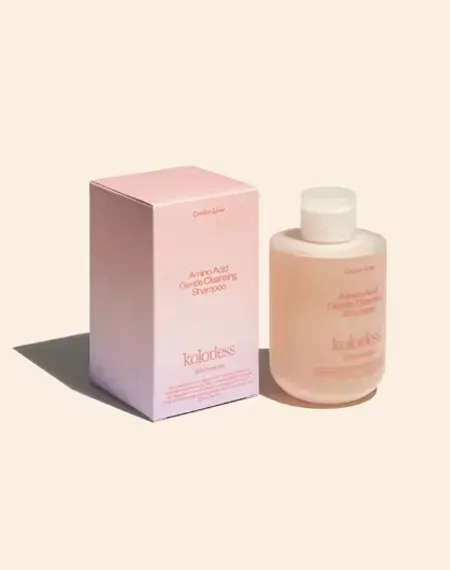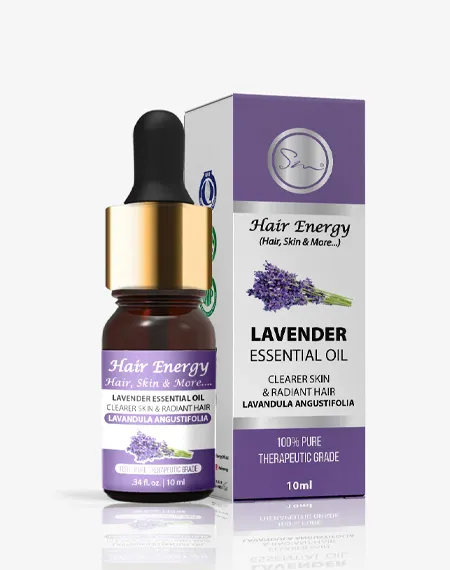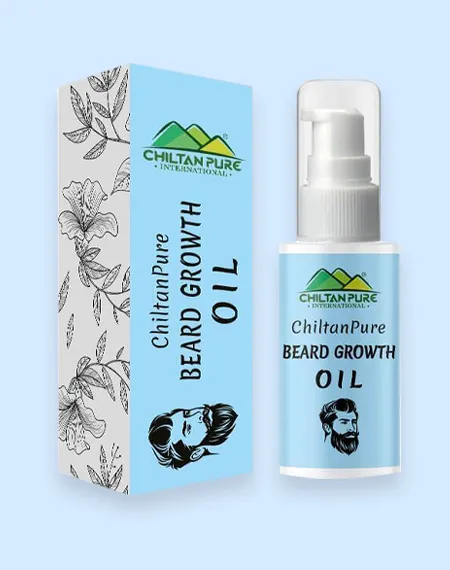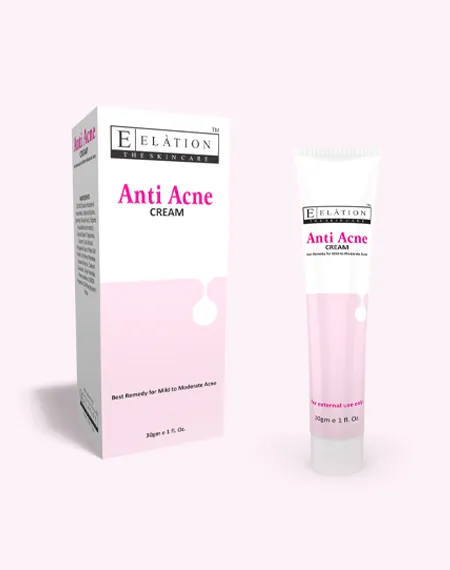


Select dimensions in cm, mm, inches, ml, or oz and more — whatever fits your product.

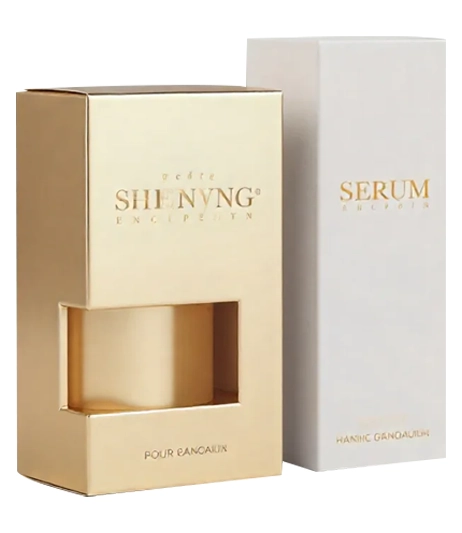
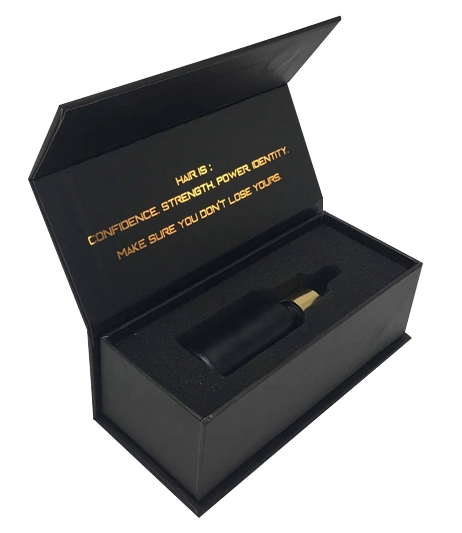
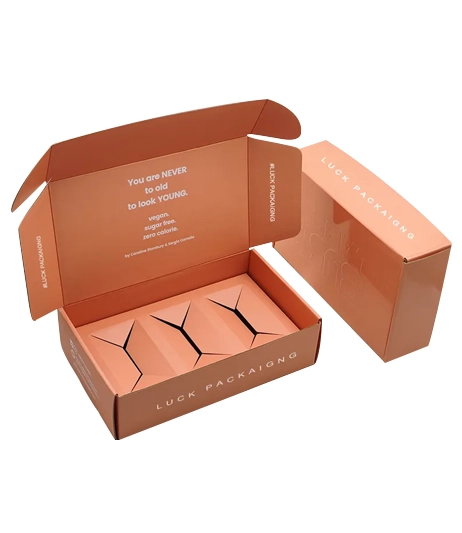
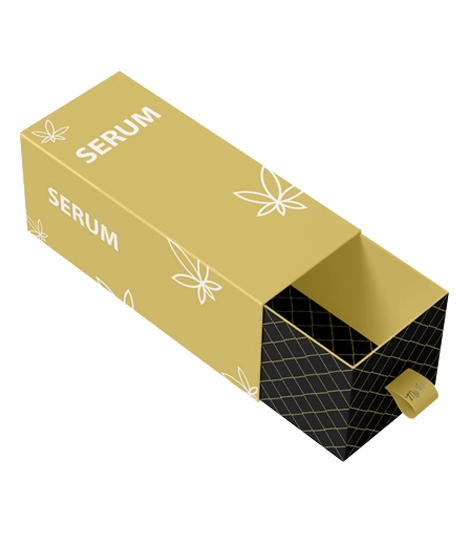
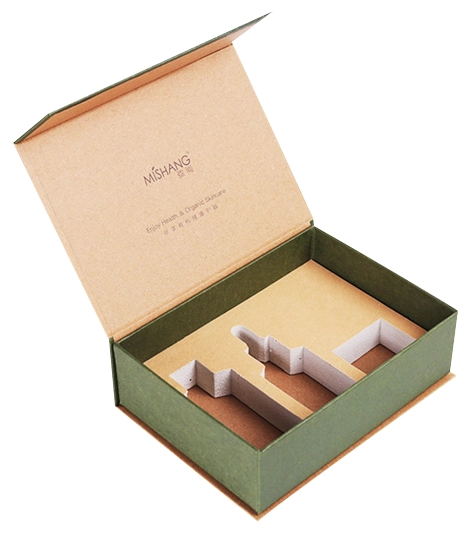
Custom serum boxes give skincare brands a structured way to present dropper bottles, pump containers, ampoules, and treatment vials while keeping graphics, product information, and bottle fit under control. A well-planned carton can reduce movement around fragile glass, provide organized space for directions and ingredient details, and create a recognizable shelf presence across face, hair, eye, lash, and beard serum lines. Choose dimensions, paperboard, opening style, printing, finishes, and inserts according to the container’s diameter, height, cap or dropper profile, weight, and sales channel. Custom Boxes Inc. can translate those details into a practical packaging specification that supports retail display, ecommerce presentation, launch kits, and coordinated product ranges without relying on oversized or generic stock cartons.

Select dimensions in cm, mm, inches, ml, or oz and more — whatever fits your product.

Choose the Stock, printing type, and enter your order quantity.

Upload your ready artwork — or just write “Need Design” and we'll handle it.

Fill in your name, contact number, and email for quick communication.

Solve a quick captcha and hit “Submit Quote” — it takes seconds!

Our expert will reach out ASAP with the best market rate from a top packaging provider.

After You Approve the Quote — Here's What Happens Next


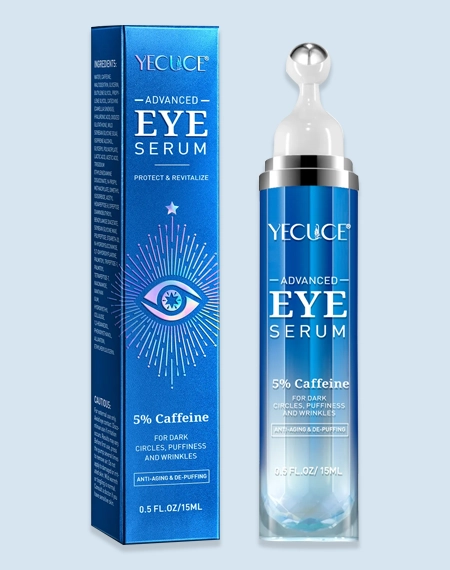
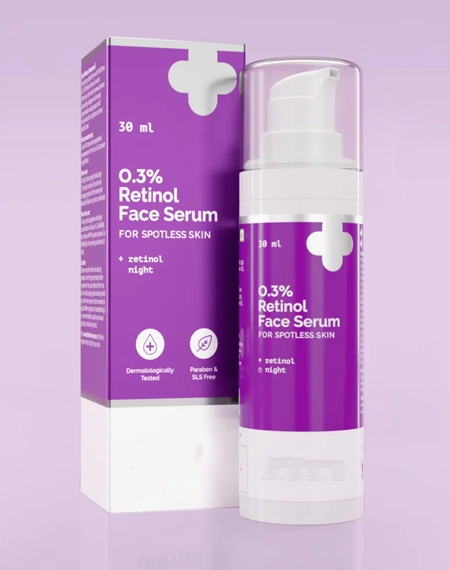
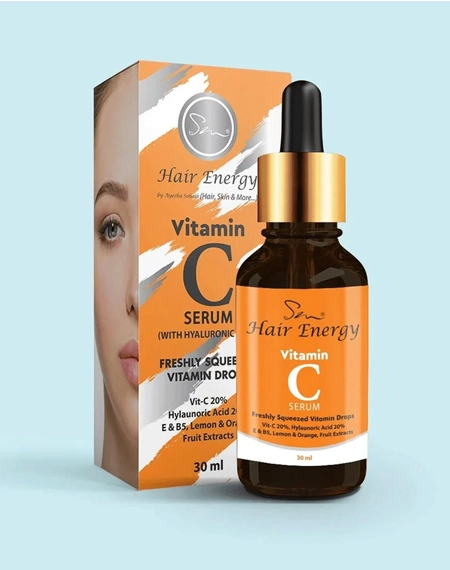
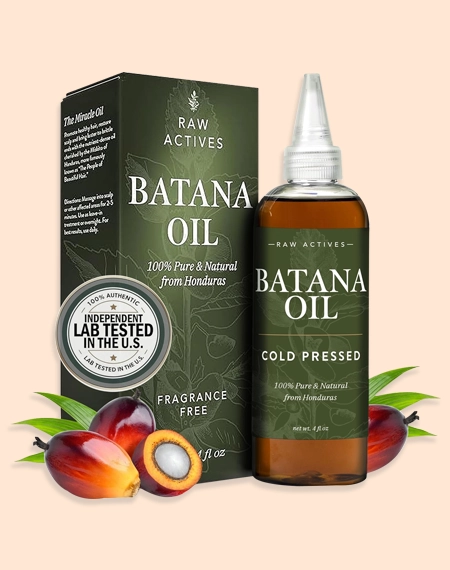
Custom serum boxes are secondary packages designed around small cosmetic containers such as glass dropper bottles, airless pumps, roll-ons, and treatment vials. They are purchased by independent skincare labels, cosmetic manufacturers, contract fillers, beauty retailers, subscription businesses, and agencies preparing product launches. In retail, the carton must present the formula clearly, distinguish variants, and reserve usable panels for required product information. For ecommerce, it should keep the bottle organized inside the presentation package while working with a separate shipping system when transit hazards require additional protection. Buyers usually compare bottle fit, board rigidity, print quality, closure security, insert design, shelf appearance, and unit economics. The central packaging problem is that serum containers are often narrow, tall, and vulnerable to movement, cap pressure, or glass contact. A product-specific structure helps stabilize the container, organize the information hierarchy, and keep every serum variant visually connected without forcing different bottles into one generic box.
SBS paperboard is a practical option when skincare packaging needs a smooth white surface, bright graphics, fine text, and a clean interior. Kraft paperboard supports a natural brown presentation, but its base color changes lighter inks and may require white ink beneath selected artwork. Folding boxboard can provide a balance of stiffness, lower weight, and printable outer surfaces, depending on the grade available for production. Corrugated material is usually more relevant to multipacks, ecommerce kits, or secondary shipping protection than to a single lightweight serum bottle. Rigid board may suit premium gift sets or high-value treatment collections, although it increases material use, assembled volume, and cost. Board selection should reflect carton span, bottle weight, glass fragility, closure design, insert load, and the amount of printable information required. A thicker stock can improve resistance to bowing or panel distortion, but thickness alone does not correct poor dimensions or weak locking features. Confirm the grade, caliper, coating, and print behavior during quotation because broad material names do not define one performance level.
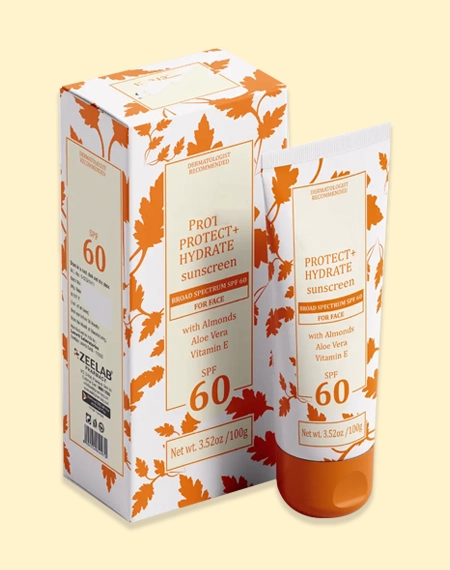
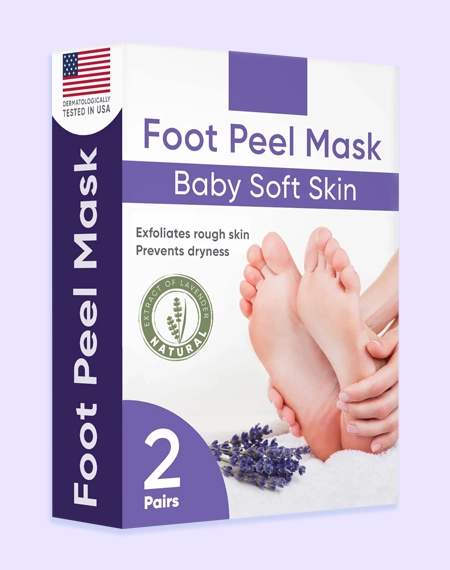
Straight tuck and reverse tuck cartons are common choices for individual serum bottles because they offer broad printable panels and efficient folding. A seal-end or auto-bottom structure may provide added base security for heavier glass containers, provided the closure is engineered for the actual load. Sleeve-and-tray formats can create a slower reveal for premium skincare, while two-piece or rigid presentation boxes suit gift sets and higher price positions. Window cutouts reveal the bottle, but they remove board area and can expose the container to light or handling, so placement requires care. Inserts made from paperboard, molded fiber, foam, or another verified material can control side movement and keep the dropper, pump, or cap away from carton walls. Finger notches and access clearances should let customers remove the bottle without pulling on delicate closures. Retail cartons may need tamper-evident seals or closure labels supplied separately. None of these formats automatically replaces a shipping carton, cushioning, or transit testing for ecommerce distribution.
Offset printing is well suited to larger runs that require detailed graphics, controlled ink coverage, and repeated artwork across multiple serum variants. Digital printing can support shorter quantities, prototypes, or versioned cartons when the chosen press and paperboard meet the design requirements. CMYK builds photographic imagery and broad color ranges, while PMS spot colors may be specified for controlled brand-color applications. Final appearance still depends on ink, substrate, coating, press conditions, and the approved production standard. White ink can improve selected colors on kraft or dark stocks, but opacity and registration should be evaluated before production. Fine ingredient text, directions, warnings, batch areas, barcodes, and net-content statements need adequate contrast and readable placement. FDA guidance requires specific information on cosmetic outer packaging, including product identity and net quantity on the principal display panel, when applicable. Artwork should follow the approved dieline with sufficient resolution, bleed, safe areas, and correctly prepared fonts. Regulatory review remains the brand owner’s responsibility.
Matte coating can reduce glare and support restrained clinical or minimalist branding, while gloss coating increases reflectivity and can strengthen photographic or color-rich designs. Soft-touch lamination adds a tactile surface for premium lines, although handling marks and scuff resistance should be evaluated on the selected film. Foil stamping can emphasize a logo, active-ingredient name, or product tier without covering every panel. Embossing or debossing creates physical relief, but fine typography and areas near folds may not reproduce as intended. Spot UV can introduce contrast over compatible printed or laminated surfaces. A die-cut window offers bottle visibility, yet it may reduce structural area and should not interfere with required labeling. Paperboard inserts can center narrow droppers, separate multipacks, or present a bottle and applicator together. Tamper-evident labels, closure seals, or tear features should be selected according to the product and compliance plan. Choose enhancements after structure, information hierarchy, and bottle fit are approved so decoration supports rather than complicates the package.
Begin with the filled container’s maximum diameter or width, body height, total height with the pump or dropper installed, closure projection, base shape, weight, and any protective overcap. Measure labels, collars, applicators, instruction leaflets, and inserts that must share the internal space. Internal carton dimensions should provide practical loading and removal clearance, while external dimensions will change with board thickness, folds, glued seams, and structural style. A dieline should identify cuts, creases, glue areas, dust flaps, locking tabs, bleed, safe zones, and panels reserved for regulatory or variable information. Artwork must be created on the approved version because even a small dimensional change can move text across a fold or reduce the principal display panel. Digital proofs help check content and placement; prototypes help evaluate bottle fit, closure behavior, shelf proportions, and insert access. Tolerances depend on the selected materials and process, so they should be defined in the approved specification. For product families, map shared structures, color coding, bottle changes, and artwork versions before production begins.
A folding carton can protect a serum bottle from surface abrasion, light handling, and direct shelf contact, but its performance depends on fit, board strength, closures, and the complete distribution system. Tall glass droppers need particular attention to side movement, base impact, cap clearance, and contact between multiple containers. Inserts or partitions can reduce movement, although unnecessary components add material and may complicate separation after use. For parcel delivery, evaluate the presentation carton together with the outer corrugated shipper, cushioning, pack orientation, and expected handling conditions. Coatings and laminations can improve scuff or moisture resistance, but some combinations may affect recyclability in local recovery systems. Right-sizing the carton can reduce empty volume and material while maintaining enough clearance for packing and removal. Recycled content or certified fiber may be considered only when the selected stock and supplier documentation support the claim. Avoid broad environmental promises; communicate material composition, removable components, disposal guidance, and any verified sourcing attributes for the specification.
Prepare the quote with the bottle dimensions, filled weight, container material, closure type, product quantity, number of variants, desired carton style, paperboard preference, insert needs, artwork status, and delivery destination. Include a physical sample or technical drawing when the dropper, pump, collar, or base shape affects the internal fit. Custom Boxes Inc. can review the submitted details, identify missing specifications, and develop the quotation around the proposed structure and decoration. Before production, confirm the dieline, artwork, color references, proof type, approved materials, pack-out method, and acceptance criteria. Quality checks may cover dimensions, cuts and creases, glued seams, closure function, insert fit, print registration, finish placement, barcode readability, quantity, and final packing against the approved specification. To start your custom serum packaging project, complete the inquiry form, call Custom Boxes Inc. at (833) 565-0363, or email inquiry@customboxesinc.com with your bottle details, target quantity, and preferred presentation.


Answers to Help You Order with Confidence
SBS paperboard works well for many individual serum cartons because it provides a smooth printable surface and clean interior. Kraft paperboard supports a natural presentation, while folding boxboard may balance stiffness and lower weight. The best choice depends on bottle weight, carton size, graphics, finish, and required structural performance.
Measure the filled bottle at its widest point and record the total height with the dropper or cap installed. Include collars, overcaps, labels, applicators, leaflets, and any insert that shares the package. Provide the container weight and preferred orientation so the internal fit, loading clearance, and closure can be evaluated together.
Yes, inserts can help center narrow glass bottles, reduce side movement, and separate multiple components. Paperboard, molded fiber, foam, or another suitable material may be considered according to bottle weight, fragility, surface sensitivity, and presentation goals. The insert should also provide enough finger access for removal without stressing the pump, cap, or dropper.
Provide vector artwork or high-resolution files placed on the approved dieline, with bleed, safe areas, fonts, and images prepared for production. Identify CMYK builds, PMS references, white ink, foil, embossing, or spot finishes clearly. Fine text, barcodes, ingredients, directions, warnings, and variable areas should receive a separate prepress and regulatory review.
Yes, proofing should occur before production approval. A digital proof can confirm content, panel placement, spelling, colors specified in the artwork, and finish locations. A structural prototype or physical sample may be appropriate when bottle fit, carton opening, insert performance, color appearance, or special finishing requires evaluation beyond a screen-based review.
Custom Boxes Inc is a leading manufacturer and supplier of custom packaging boxes tailored for every product and industry. From startups to global brands, we empower businesses across the USA with cost-effective, high-quality, fully personalized packaging solutions — crafted with precision, delivered with speed. Whether you need eco-friendly cardboard boxes, rigid luxury boxes, or branded retail-ready display packaging — we've got you covered with endless customization options, low MOQs, and lightning-fast turnarounds.