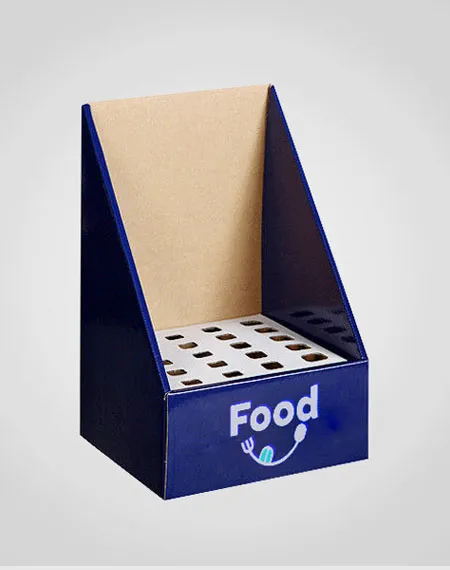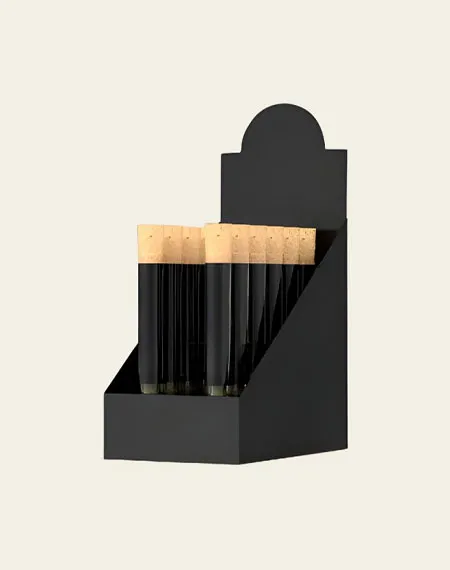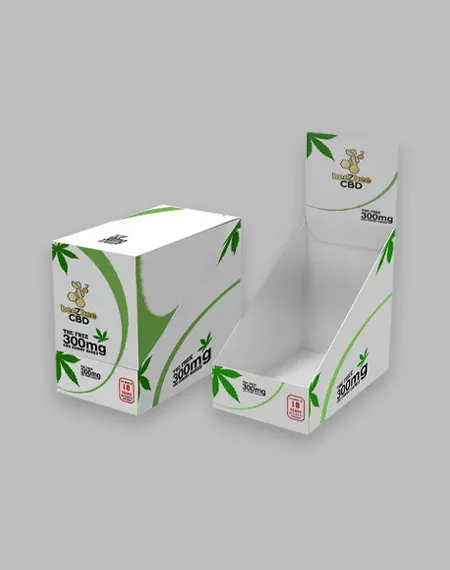


Select dimensions in cm, mm, inches, ml, or oz and more — whatever fits your product.

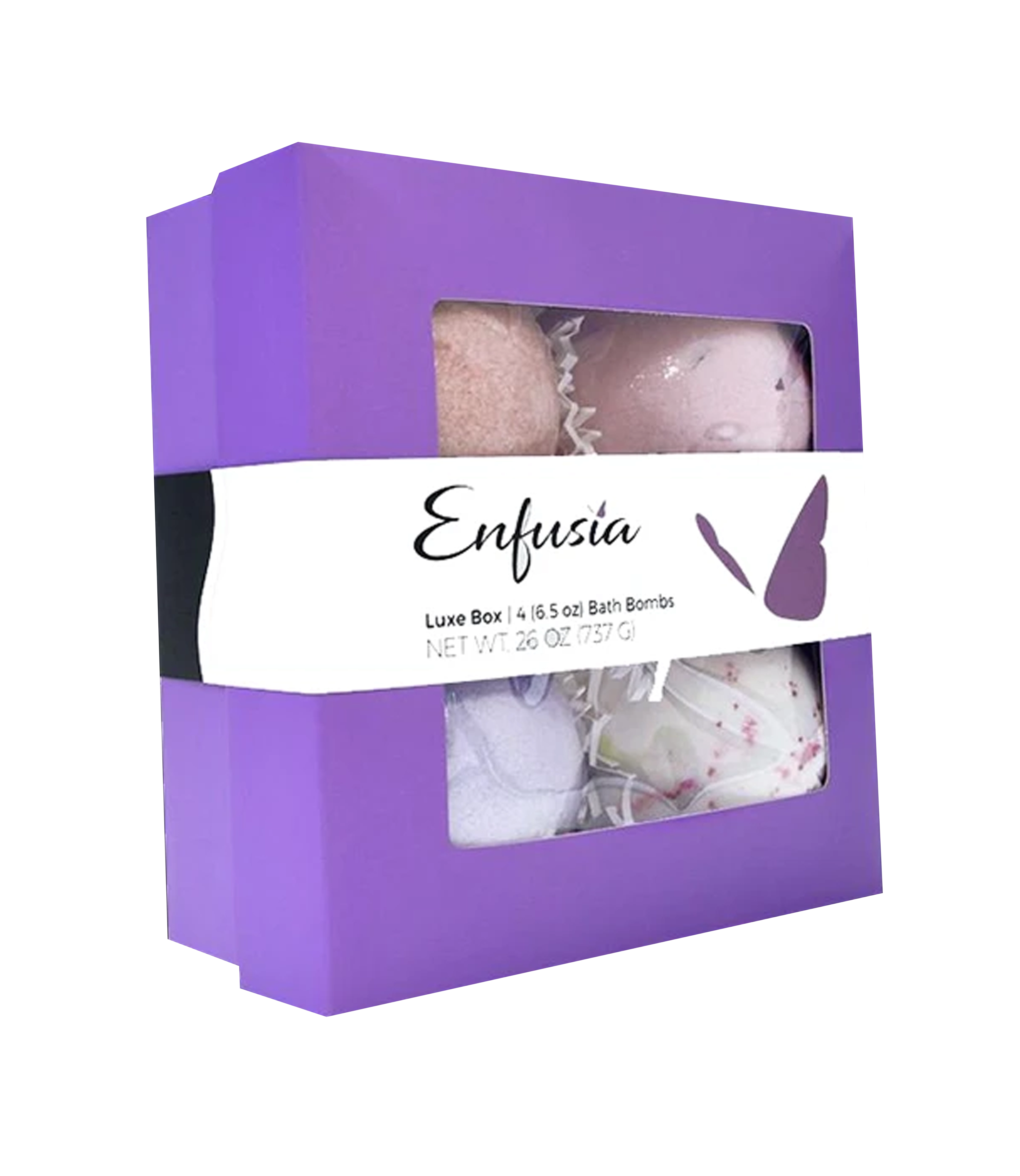
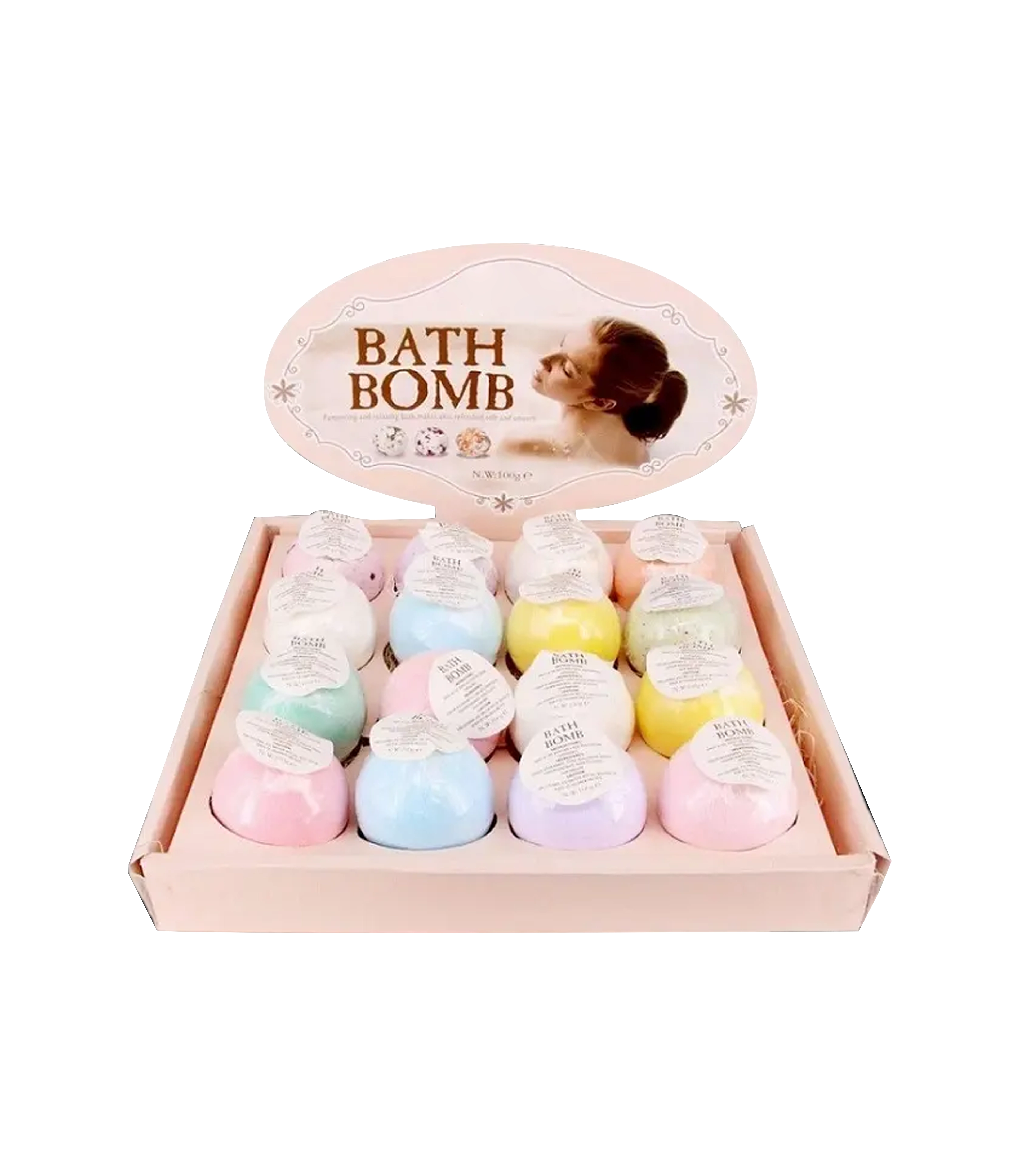
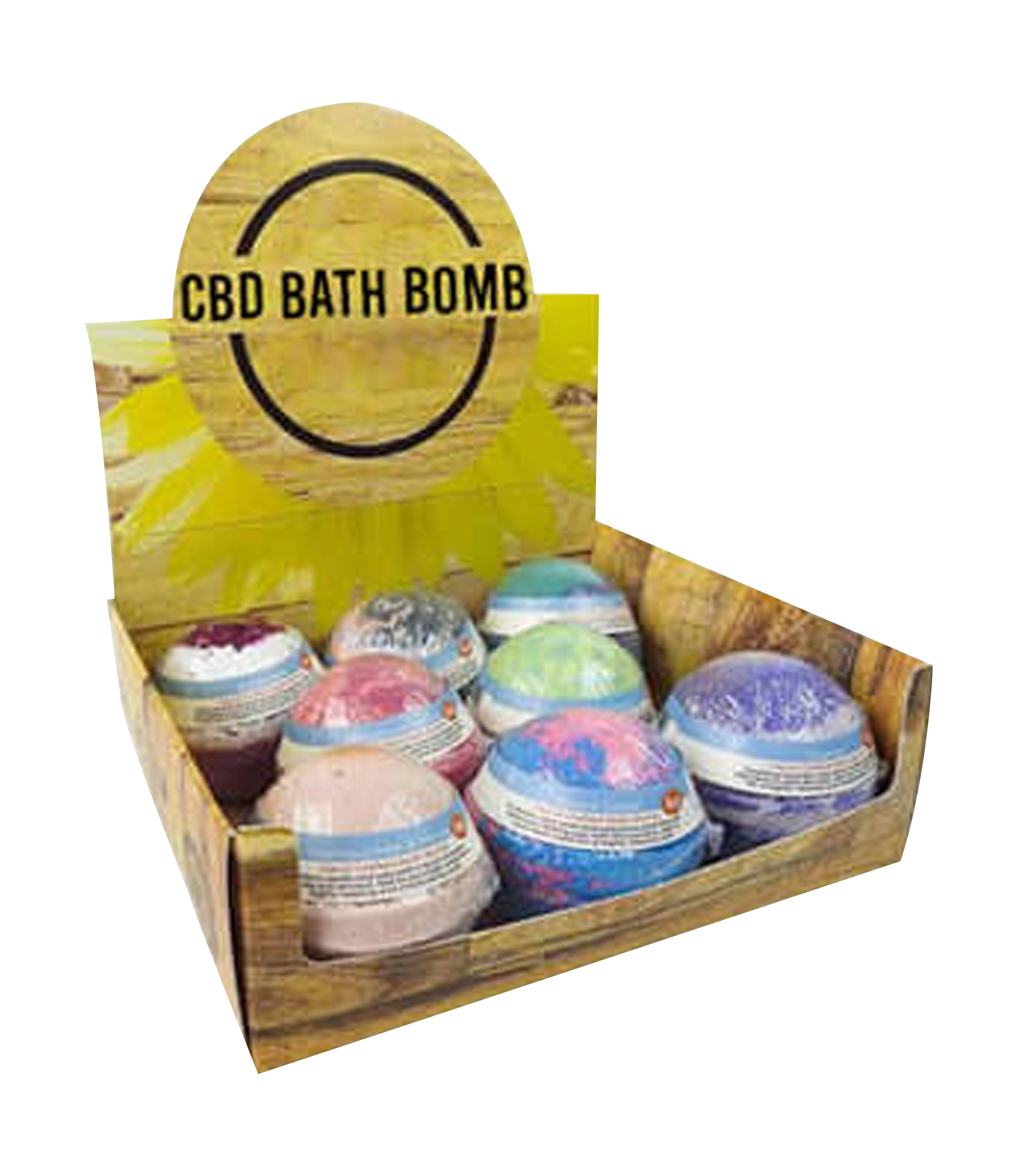
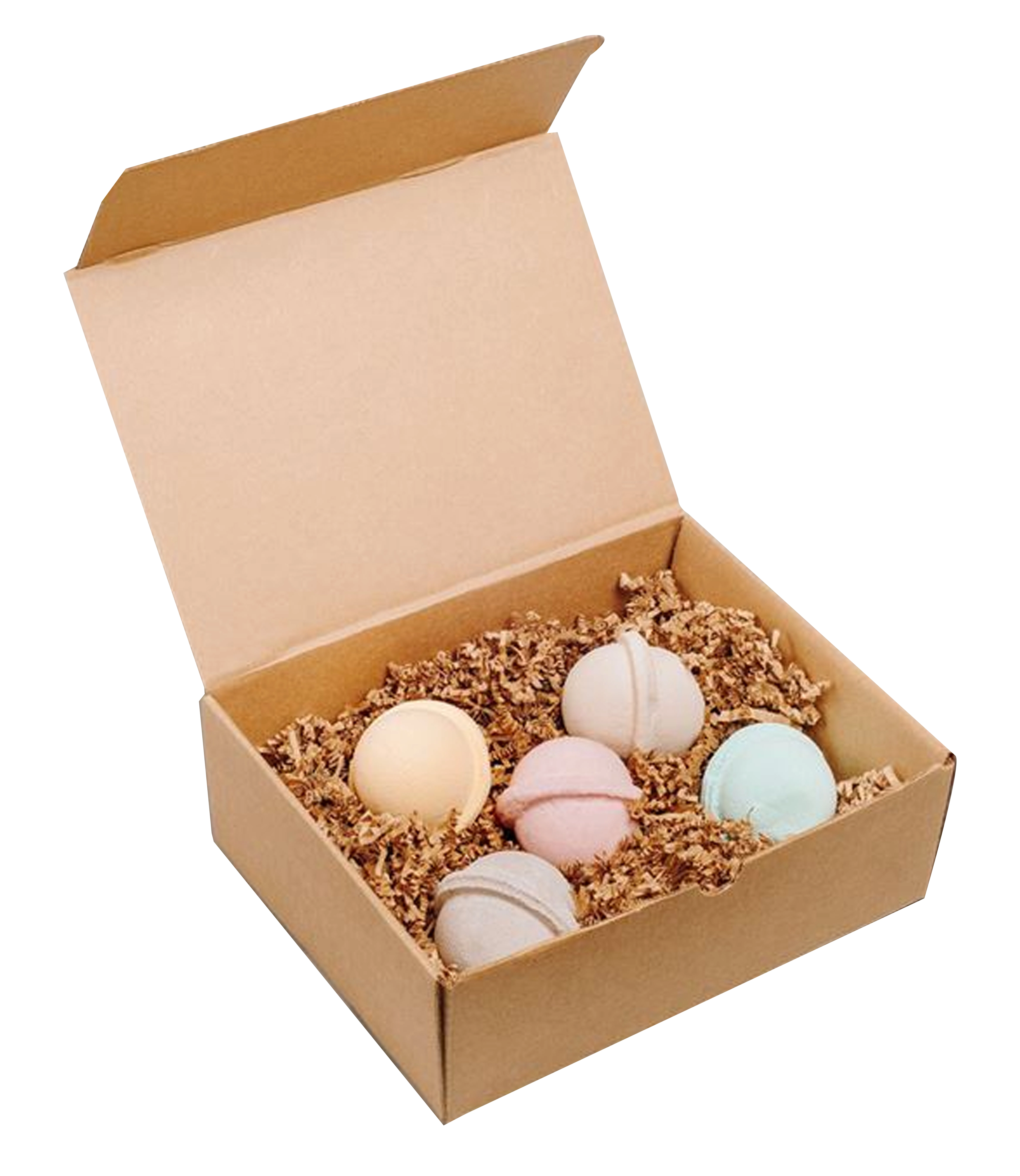

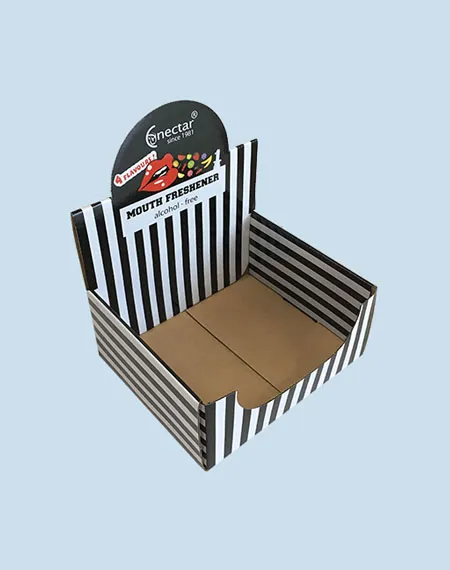
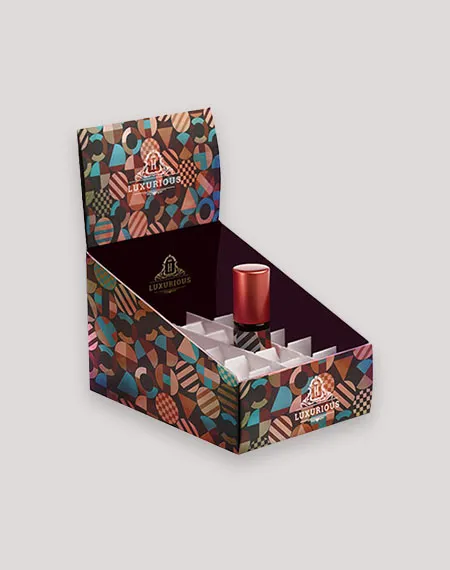
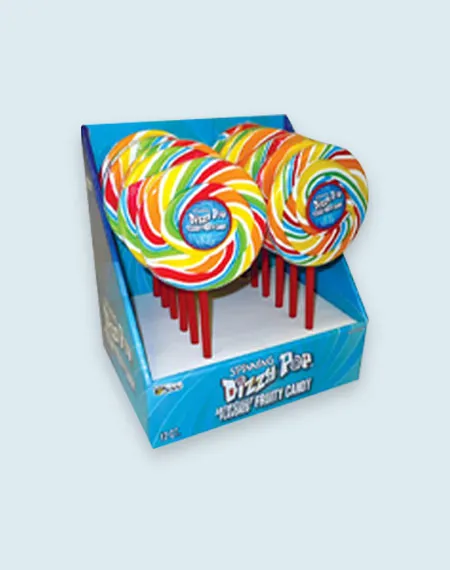
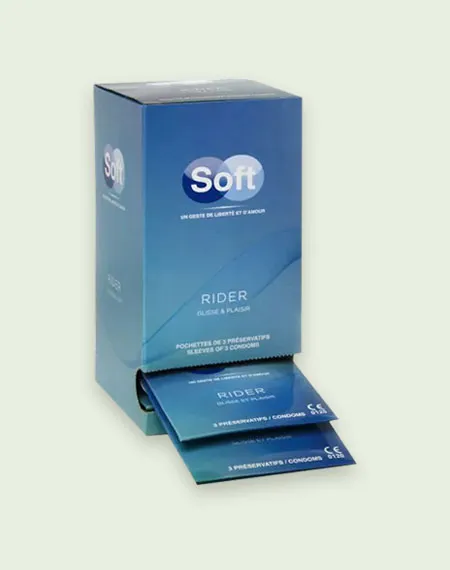
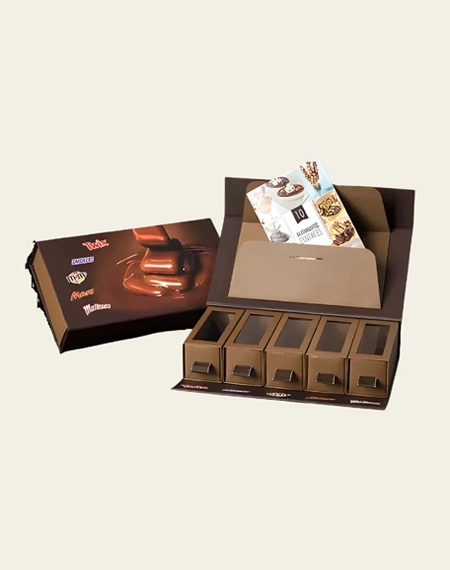
Custom bath bomb display boxes organize individually wrapped, sleeved, or boxed bath bombs at counters, shelves, spa receptions, markets, and promotional displays. They help shoppers compare colors, scents, shapes, ingredients, and collection themes while keeping each unit accessible for selection and giving the brand a visible header, tray front, and side-panel presence. Build the display around product diameter, weight, wrapper style, unit count, shelf footprint, replenishment method, and sales channel. Custom Boxes Inc. can translate those inputs into a countertop tray, shelf-ready display, gravity-fed format, tiered presentation, or shipping-and-display system that supports cleaner stocking without claiming the carton alone controls humidity, fragrance, or product shelf life.

Select dimensions in cm, mm, inches, ml, or oz and more — whatever fits your product.

Choose the Stock, printing type, and enter your order quantity.

Upload your ready artwork — or just write “Need Design” and we'll handle it.

Fill in your name, contact number, and email for quick communication.

Solve a quick captcha and hit “Submit Quote” — it takes seconds!

Our expert will reach out ASAP with the best market rate from a top packaging provider.

After You Approve the Quote — Here's What Happens Next


Bath bomb displays work hardest at the moment a shopper pauses, compares fragrances, and reaches for one product without disturbing the rest. Independent bath brands, spas, beauty retailers, gift shops, pharmacies, hotels, subscription companies, market vendors, and wholesale programs use countertop or shelf displays to present single units and coordinated collections. The display should clarify whether shoppers are choosing by scent, color, ingredient story, mood, size, or price. A tall header may carry the brand and collection promise, while tray fronts and dividers identify variants close to the products. Open access can improve browsing, but exposed units face more handling, dust, powder transfer, and humidity. Individually wrapped, sleeved, or boxed bath bombs usually give the display a cleaner operating boundary than loose products. The most useful structure balances visibility, replenishment, product restraint, label readability, and the retailer’s available footprint rather than maximizing decorative area.
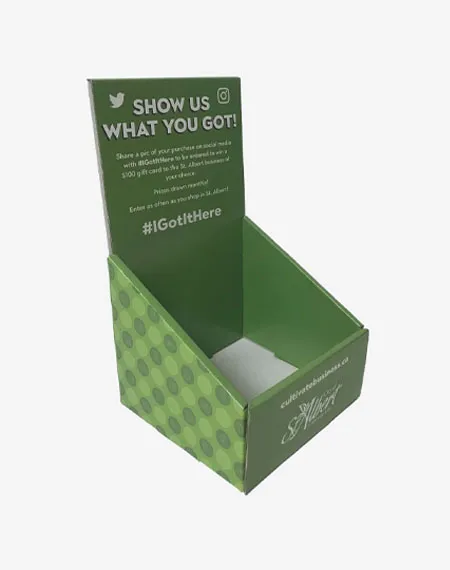
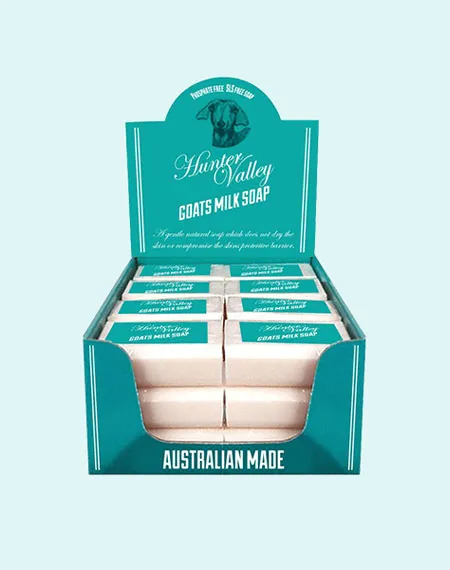
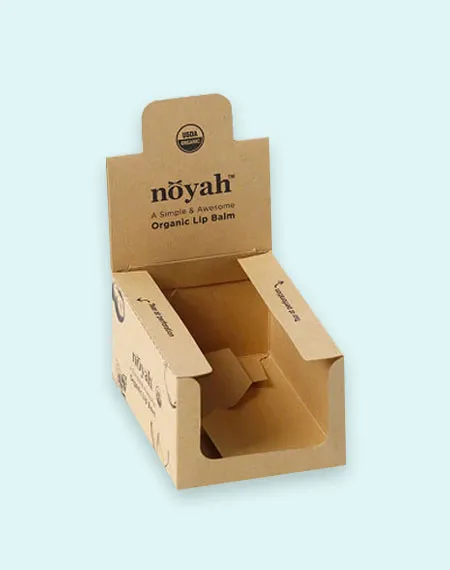
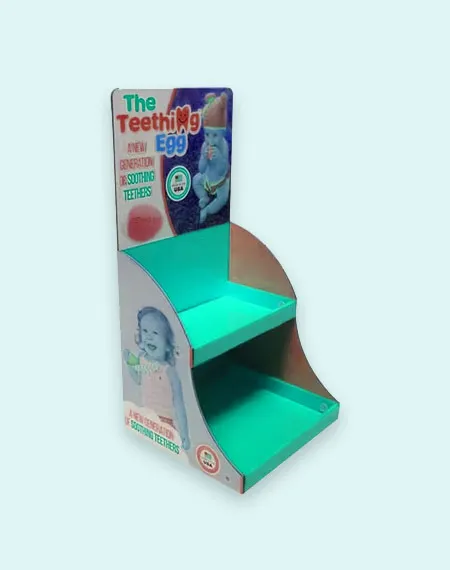
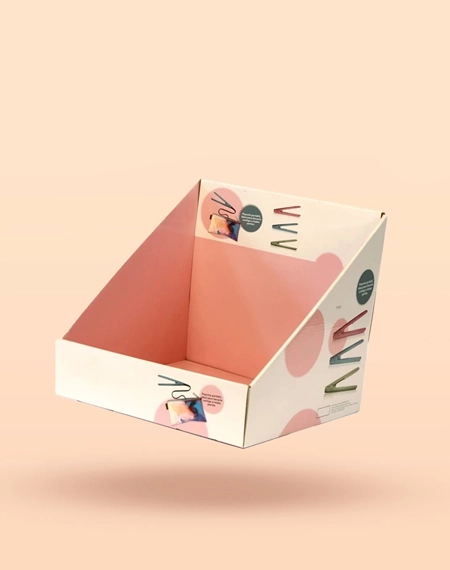
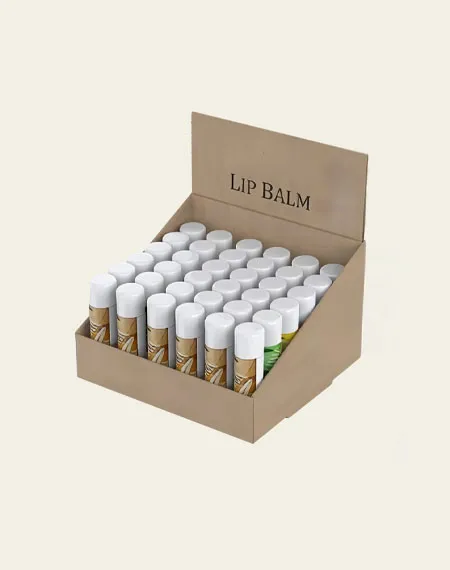
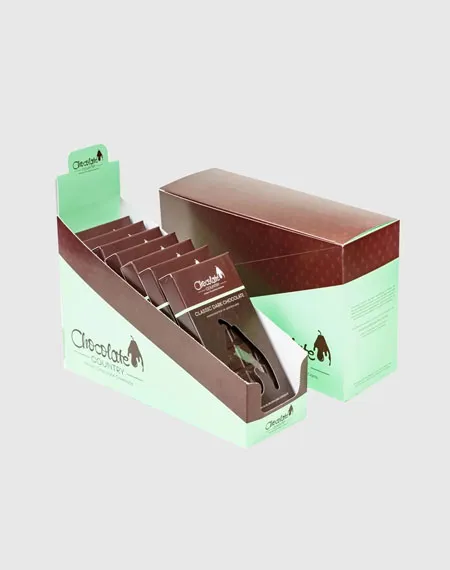
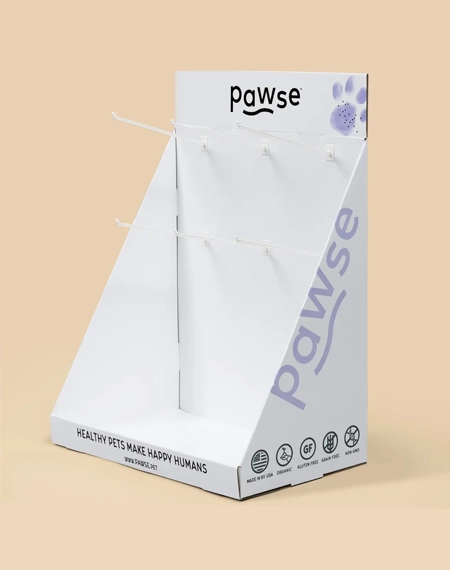
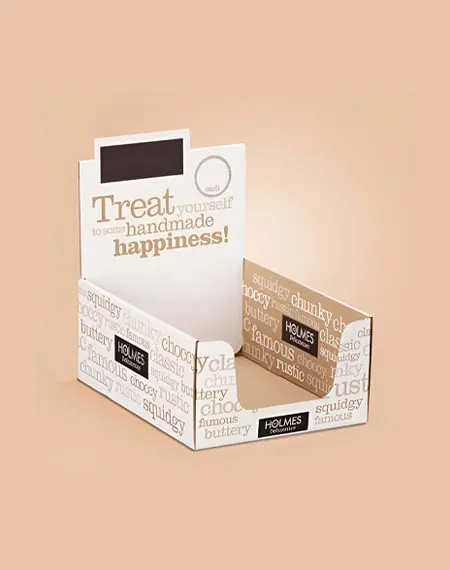
A counter tray suits checkout areas, spa desks, craft markets, and small collections where customers pick products directly from the front. Tiered or stepped displays raise rear rows above front products, improving sightlines when several scents share a limited footprint. Gravity-fed designs can simplify replenishment, although spherical or irregular bath bombs may roll, jam, or load unevenly unless wrappers, sleeves, rails, and openings are engineered together. Shelf-ready displays can travel inside an outer case and open for merchandising, reducing handling between warehouse and store. Each opening must allow fingers to lift a bath bomb without scraping its wrapper or pulling neighboring units forward. The base should carry the total product weight without bowing, while the header should remain stable after repeated restocking. Structure should follow actual store behavior: who stocks the display, where it sits, how often it is touched, and whether remaining inventory must stay orderly as units sell.
Plan the display from a complete unit map rather than one bath bomb diameter. Measure each wrapped, sleeved, or boxed unit at its maximum length, width, depth, and weight, including labels, seals, knots, botanical projections, and wrapper seams. Record the number of scents, facings per scent, units behind each facing, refill quantity, shelf width, counter depth, and maximum display height. For spheres or domes, document how the unit rests and whether it can rotate. For mixed shapes, determine whether shared compartments remain practical or whether dedicated dividers are needed. The dieline should identify the tray, header, side walls, glue areas, locks, perforations, tear-away panels, divider slots, bleed, safe zones, barcodes, and retailer labels. Artwork must match the approved display configuration because changing from twelve units to twenty-four can alter header proportions, variant spacing, and load. A structural prototype can reveal removal clearance, row visibility, rolling, powder buildup, refill access, stability, and case packing before production. Version maps should separate permanent brand elements from seasonal scents, limited collections, and retailer exclusives.
Board selection begins with filled display weight, span, handling frequency, humidity exposure, wrapper condition, and whether the unit touches the display directly. SBS paperboard supports bright color, fine scent names, and a clean cosmetic presentation for compact countertop trays. Natural kraft provides a fiber-visible appearance, but pale inks and small reversed type reproduce differently on the brown surface. Folding boxboard can balance stiffness and printability for lighter displays when the grade and panel geometry suit the load. Microflute corrugated board offers greater edge and panel support for wider trays, heavier assortments, shelf-ready cases, or displays that travel through distribution. Powder, oils, colorants, and humid store conditions can stain or weaken unsuitable surfaces, yet an outer display should not be described as moisture-proof or fragrance-preserving without evidence for the complete product system. Coatings, liners, windows, adhesives, and recycled-content claims must be verified for the exact specification. If unwrapped bath bombs contact the display, the product owner should evaluate material compatibility, cleanliness, migration, labeling, and product stability before approval.
Bath bomb shoppers often choose visually before reading every ingredient, so the display must translate color and scent into a fast, understandable system. Keep the brand, collection name, and primary promise on the header; place scent names, color keys, price cues, or product benefits close to the corresponding rows. Reserve lower panels for barcodes, refill codes, retailer information, or promotional calls to action. Offset printing can support larger repeated programs with controlled color and detailed cosmetic copy, while digital printing can support shorter seasonal assortments, market tests, retailer exclusives, and frequent scent changes. CMYK reproduces photography, gradients, and botanical illustrations; spot colors can anchor important brand cues under an approved production standard. Artwork must preserve legibility around folds, divider slots, perforations, and product openings. When the display itself is the outer retail package, required cosmetic information needs appropriate panel space; claims must remain truthful, and drug-like treatment or prevention claims can change the product’s regulatory status.
Finishes should help shoppers browse and help staff maintain the display, not compete with the bath bombs themselves. Matte coating can reduce glare across soft spa palettes and dense scent information, while gloss can intensify bright color systems and seasonal graphics. Aqueous coating may add light scuff resistance on compatible board, but powder, oils, moisture, and repeated handling still require evaluation. Spot UV, foil stamping, embossing, or debossing can highlight the brand header, collection name, or limited-edition cue when they remain clear of folds and perforations. Die-cut openings can expose more product color, yet they also remove structural area and may increase handling or dust exposure. Removable dividers, front lips, tiered platforms, header extensions, sample-card pockets, QR codes, and refill labels can add useful retail function. Choose enhancements according to shelf distance, shopper reach, staff replenishment, cleaning routines, and disposal expectations. A restrained feature set communicates bath and wellness positioning more effectively than stacking every decorative process onto one display.
A display carton protects organization and presentation; it does not replace the wrapper, sleeve, film, jar, or individual carton responsible for controlling direct contact, humidity, contamination, and product stability. Bath bombs can chip, crumble, shed powder, transfer color, absorb moisture, or lose surface detail when handling and environmental conditions exceed the packaging system’s limits. Dividers and shaped cavities can reduce rolling and collision, while adequate base support helps prevent bowing under multi-unit loads. Right-sizing can reduce unnecessary board and case space while keeping enough clearance for stocking and removal. Windows, coatings, laminations, foils, adhesives, and mixed-material components may affect local recycling. Environmental statements should identify the specific verified attribute rather than describing the entire display as universally eco-friendly. Cosmetic label claims must be truthful and not misleading, and therapeutic claims can cause a product marketed as a cosmetic to be regulated as a drug.
Begin the quotation with representative packaged bath bombs, maximum dimensions, unit weight, product count, scent count, display location, shelf footprint, refill method, preferred structure, board, printing, finishes, and delivery destination. Explain whether the display arrives flat, preassembled, loaded inside a shipping case, or converted from shelf-ready packaging. Custom Boxes Inc. can review the retail routine and translate it into proposed dimensions, divider logic, header proportions, dieline, and proofing steps. Before production, approve the product orientation, load, material, artwork hierarchy, color references, perforations, divider positions, case pack, version quantities, and acceptance criteria. Quality checks may cover dimensions, base stability, header alignment, glue integrity, tear-away operation, divider fit, print registration, barcode readability, version sorting, quantity, and protective packing. Request your custom bath bomb display box quotation through the inquiry form, call (833) 565-0363, or email inquiry@customboxesinc.com with samples, display requirements, quantity, artwork status, and launch destination.


Answers to Help You Order with Confidence
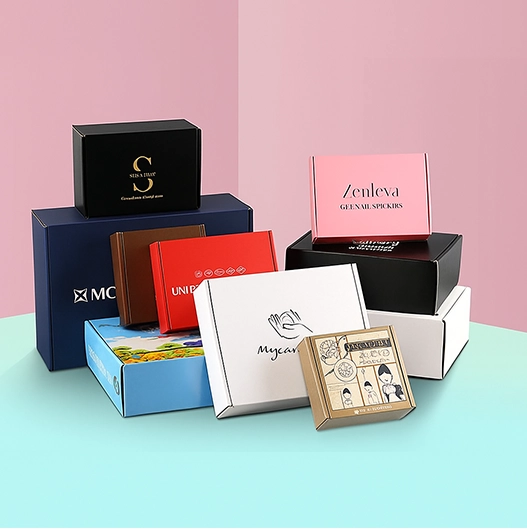
Counter trays suit compact collections and impulse areas, while tiered displays improve visibility across several rows. Shelf-ready cases can reduce handling between shipping and merchandising, and gravity-fed formats may support repeated access when product shape permits. The correct structure depends on unit count, wrapper style, weight, footprint, refill routine, and store environment.
Measure each fully wrapped, sleeved, or boxed unit at its maximum dimensions and weight. Record seams, labels, knots, botanical projections, and how round products naturally rest. Then define facings, units per row, scent count, shelf footprint, finger access, and refill quantity so the display supports both stocking and customer removal.
They can be designed for direct product contact only after the product owner evaluates material compatibility, cleanliness, color or oil transfer, humidity, product stability, and labeling responsibilities. Individually wrapped, sleeved, or boxed units usually create a clearer handling boundary and can reduce powder transfer, customer contact, and cross-scent contamination within an open retail display.
Display artwork commonly organizes the brand, collection, scent families, product identity, price cues, retailer information, barcodes, and refill codes. When the display is also the outer consumer package, required cosmetic information needs adequate panel space and conspicuous placement. The brand should review ingredients, net quantity, business details, warnings, directions, and claims before approval.
Yes. A digital proof can confirm artwork, scent hierarchy, barcodes, retailer labels, and finish layers. A structural prototype can test product fit, row visibility, removal clearance, divider spacing, base stability, header balance, tear-away operation, replenishment, and case packing. Confirm available sampling methods, revision limits, costs, and schedules during quotation.
Custom Boxes Inc is a leading manufacturer and supplier of custom packaging boxes tailored for every product and industry. From startups to global brands, we empower businesses across the USA with cost-effective, high-quality, fully personalized packaging solutions — crafted with precision, delivered with speed. Whether you need eco-friendly cardboard boxes, rigid luxury boxes, or branded retail-ready display packaging — we've got you covered with endless customization options, low MOQs, and lightning-fast turnarounds.