

Select dimensions in cm, mm, inches, ml, or oz and more — whatever fits your product.

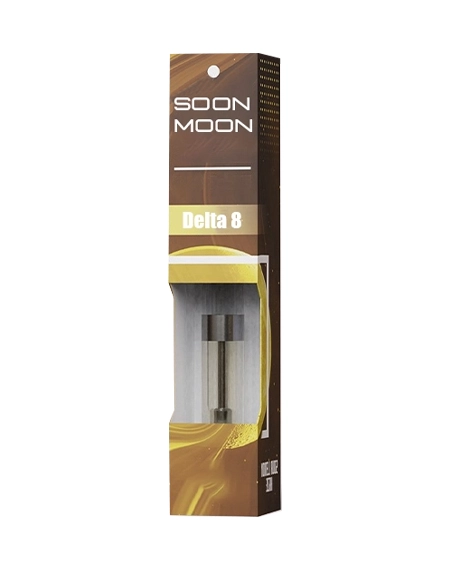
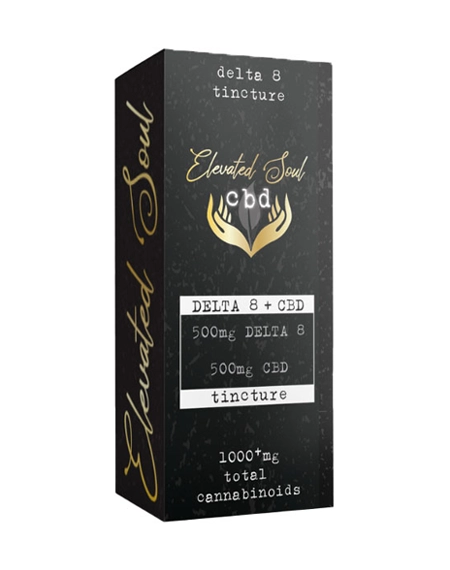
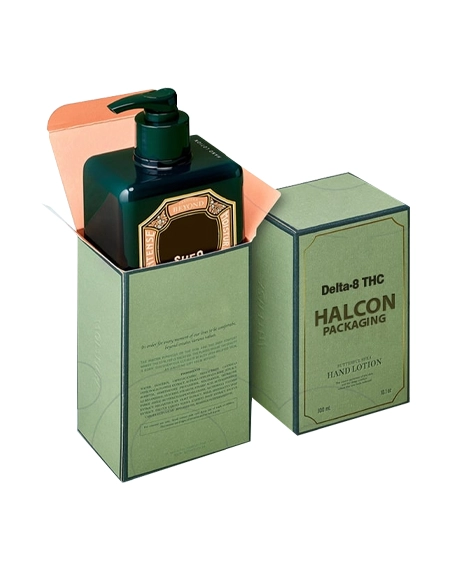
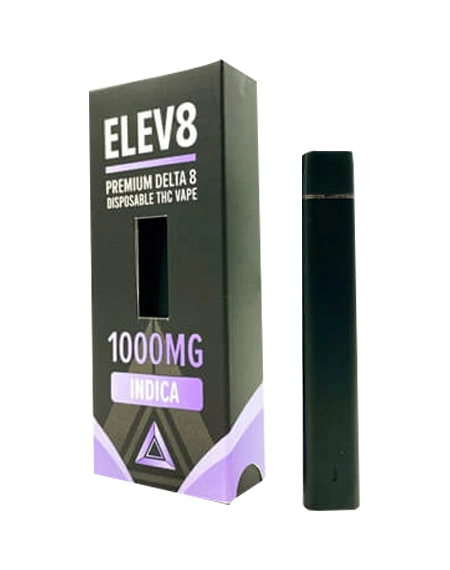
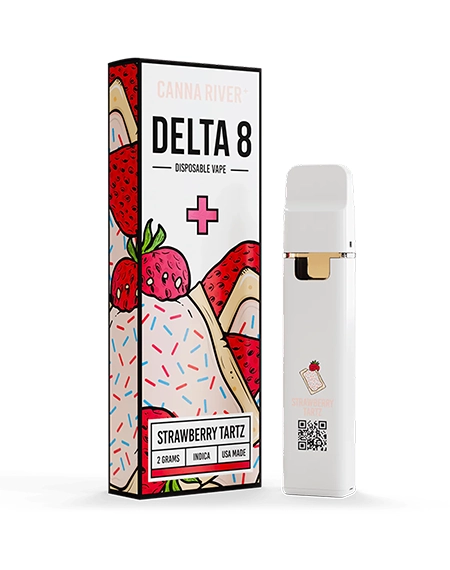
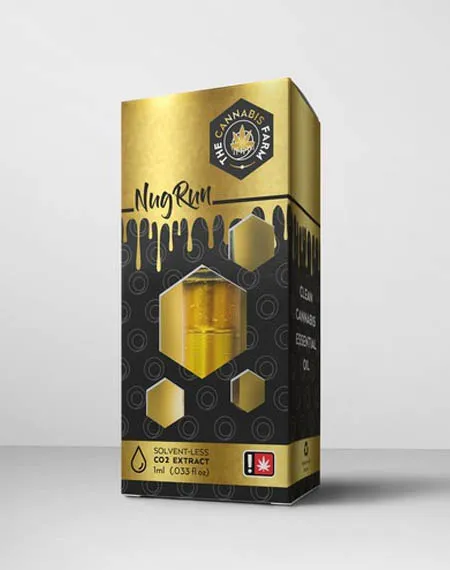
Custom Delta 8 boxes are printed outer cartons that hold sealed products in place and give essential information room to be read. Each format needs a different fit, from a capped tincture bottle to a cartridge in its protective container. Custom Boxes Inc. helps you match the board, structure, paper inserts, and artwork to your product and intended market. Get free design assistance, USA manufacturing, and a production plan built around your required arrival date. We supply empty packaging for products authorized for their intended market.

Select dimensions in cm, mm, inches, ml, or oz and more — whatever fits your product.

Choose the Stock, printing type, and enter your order quantity.

Upload your ready artwork — or just write “Need Design” and we'll handle it.

Fill in your name, contact number, and email for quick communication.

Solve a quick captcha and hit “Submit Quote” — it takes seconds!

Our expert will reach out ASAP with the best market rate from a top packaging provider.

After You Approve the Quote — Here's What Happens Next


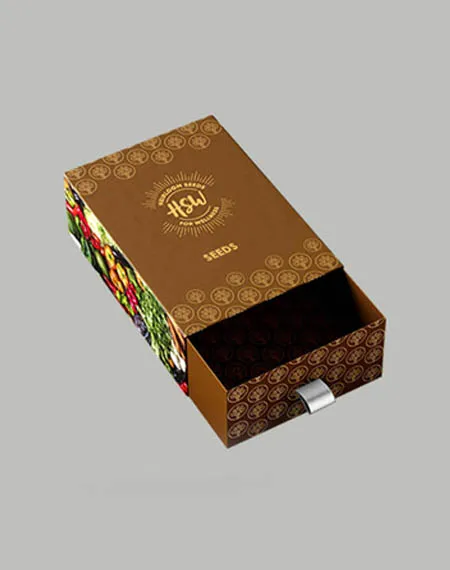
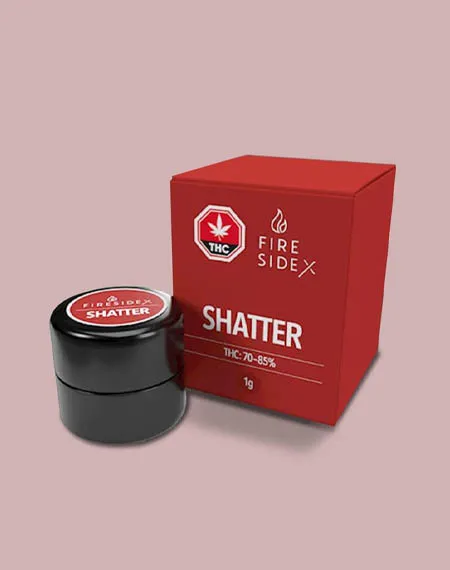
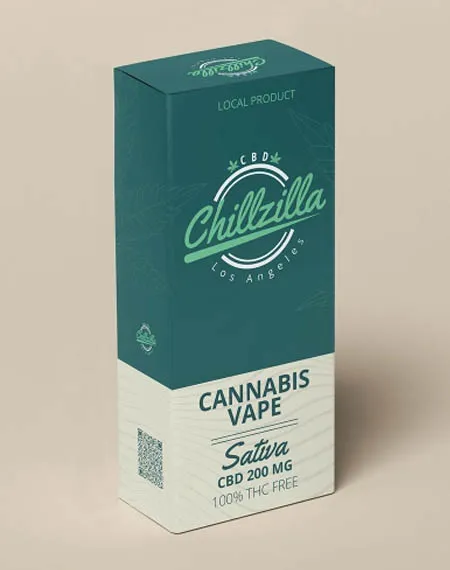
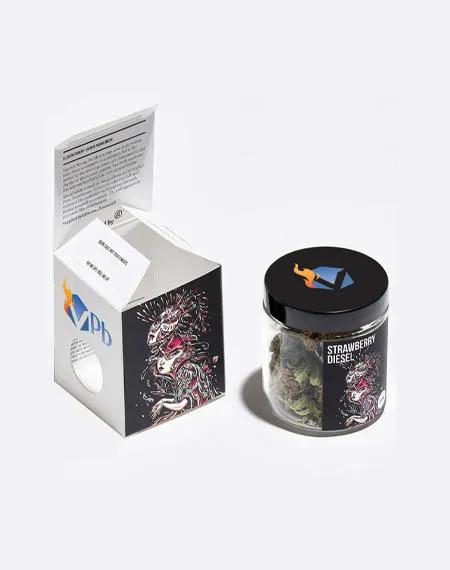
A bottle with a tall dropper, a narrow cartridge, and a sealed pouch need different carton dimensions and support. Their information panels also need different amounts of space. Custom Delta 8 packaging boxes work best when those requirements are considered together, before a box style or decorative finish is chosen.
Start with the complete primary package: the container, closure, protective components, and anything supplied alongside it. We use those details to develop the outer carton around the actual contents. Your team supplies the approved product information and confirms the markets where the product may be sold.
| Product format | What the carton must accommodate | Possible starting structure |
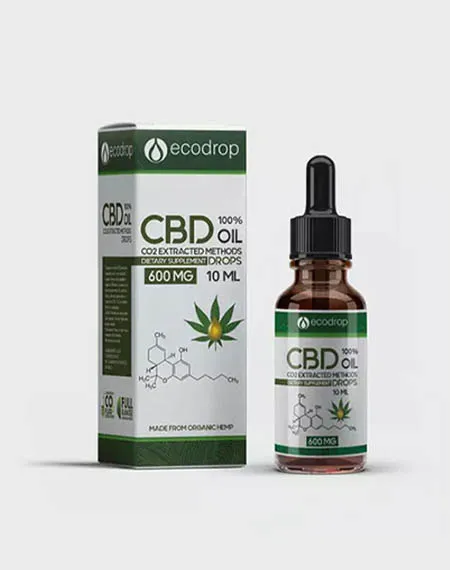
| Tincture bottles and jars | Filled weight, shoulder shape, cap diameter, and closure clearance. | Tuck carton with a fitted paperboard support. |
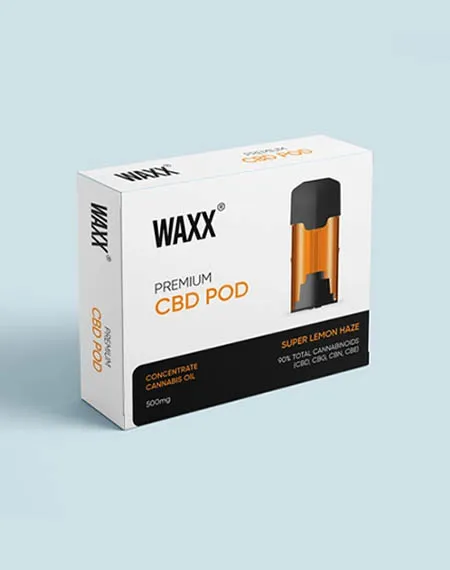
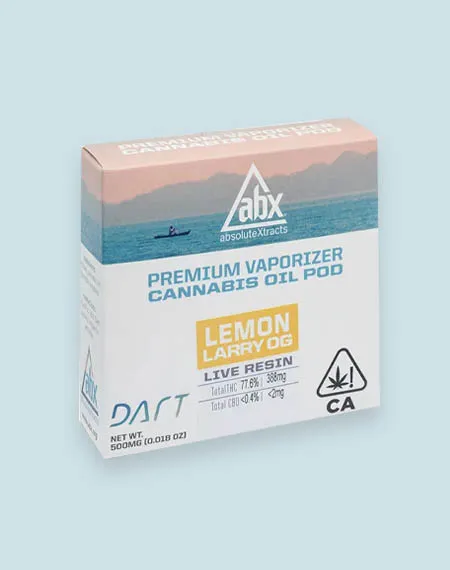
| Cartridges and disposable devices | Protective caps, mouthpieces, device controls, and removal space. | Narrow carton with a shaped paper insert. |
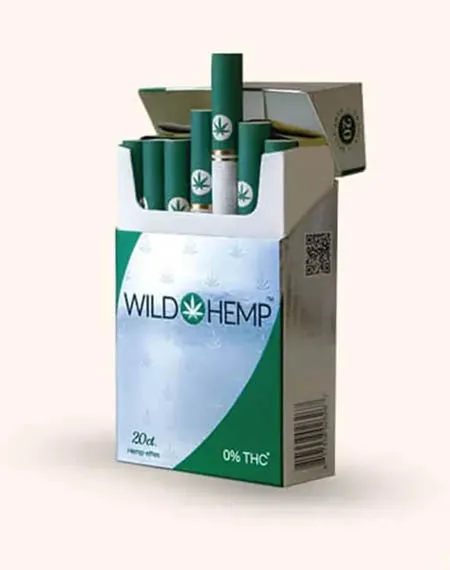
| Sealed pre-roll tubes | Tube length, end caps, pack count, and stable orientation. | Rectangular carton with dividers for multiple tubes. |
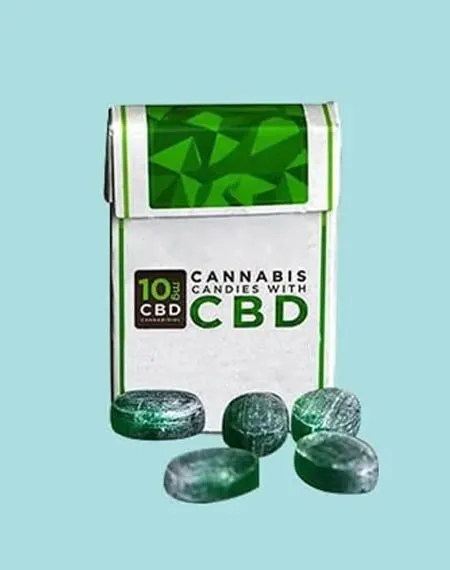
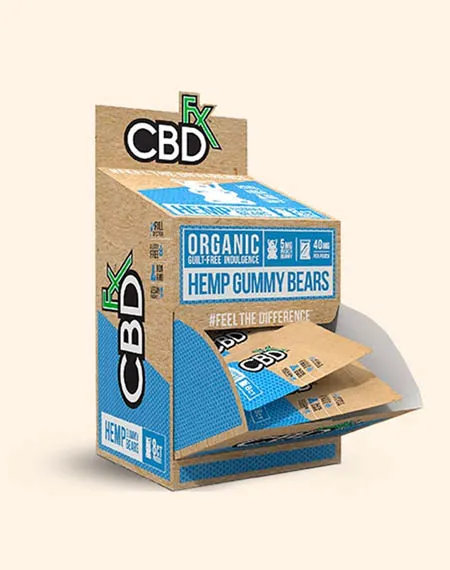
| Sealed edible or capsule packs | The complete closed container, its label, and required outer information. | Folding carton sized around the authorized primary pack. |
These are starting points, not fixed specifications. A sleeve and tray may suit an organized multipack, while an auto-bottom carton may help with a heavier container. The final choice depends on the contents, packing method, and required closure system.
For Delta 8 cartridge boxes, measure the assembled package with protective caps fitted. For bottle cartons, include the closure and any projecting dropper bulb. A volume such as 30 milliliters describes capacity, not the dimensions needed to design a box.
Share maximum length, width, height, filled weight, and measurement units. We then consider usable interior space, board thickness, and the room required for loading and removal. Paperboard inserts should support stable surfaces without pressing on mouthpieces, buttons, or closures. A fit sample is useful when a small clearance could affect handling.
White SBS paperboard provides a smooth base for detailed artwork and readable information panels. Kraft paperboard creates a different appearance, but light colors and small reversed text need careful contrast planning. We can discuss white ink or a clearer panel treatment where the selected stock and print process support it.
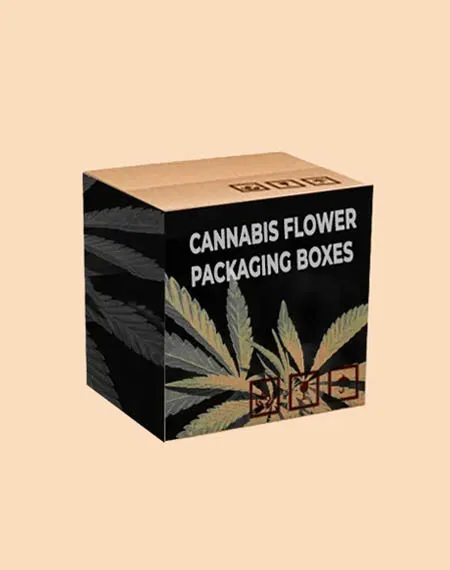
Corrugated construction can add support for multipacks or an outer shipping package. Rigid board may suit an organized presentation set, with separate transit protection considered where needed. Board grade, panel span, insert design, and filled weight matter together; thickness alone does not establish protective performance.
Custom printed Delta 8 boxes need a deliberate information layout. Reserve the required text area before adding decorative elements, so later revisions do not force warnings into folds or leave important details crowded beside the logo. Keep the product identity clear; a general hemp description should not obscure that the contents contain Delta 8 THC.
Provide the wording approved for your exact product and destination. Depending on the applicable requirements, the layout may need:
A QR code can link to the appropriate testing record when that arrangement is required or useful. Check the destination, batch association, printed contrast, and scanning space. A QR code does not replace mandatory printed information or establish product approval.
Use a recognizable logo, restrained graphics, and clear product distinctions. Avoid artwork that imitates ordinary candy or snack brands or is designed to appeal to children. FDA and FTC enforcement has specifically addressed confusing copycat Delta 8 food packaging.
Digital or offset printing can be considered around quantity, artwork versions, and stock. Matte, gloss, foil, embossing, and spot UV offer different effects where compatible. Keep reflective finishes away from critical text and scanning areas, and leave a suitable surface wherever batch information will be applied later.
A tuck flap, glued end, or tear strip does not establish child resistance. Tamper evidence and child resistance address different requirements. Where a child-resistant package is required, use a verified system appropriate to the product and jurisdiction, and confirm which structural changes its documentation permits.
The outer carton also does not replace a leakproof closure, a suitable food-contact barrier, or a primary container intended to control odor and exposure. Tell us about existing seals and closures so the box and insert can accommodate them without interfering with their function.
For wholesale Delta 8 boxes, specify quantities by artwork version as well as the overall total. Different product sizes or destination text may require separate layouts. Compare materials, inserts, print coverage, and finishes on the same specification to understand what changes the price.
Low minimum options can support smaller packaging programs, with the applicable quantity confirmed for your structure. Keep the approved dieline and artwork version with the reorder record. Confirm current product and labeling requirements before repeating an earlier run. Free USA shipping covers your empty packaging order; production and transit timing are confirmed separately.
Send your sealed container dimensions, filled weight, quantity, intended market, and required arrival date. Custom Boxes Inc. will help you work through fit, material, and artwork options. Complete the quote form, email Quotes@Customboxesinc.Com, or call +1 833-565-0363 for a packaging consultation and a quote based on your project.


Answers to Help You Order with Confidence
Standard folding cartons are not automatically child-resistant. A child-resistant claim needs evidence for the complete packaging system under the applicable requirements, and a tamper seal is not equivalent. Tell us about your verified primary packaging or required system so we can assess the appropriate outer carton scope.
A shared structure may work when the container fit and information space remain suitable. Each product and destination version still needs its own approved text, artwork assignment, and quantity. Confirm current requirements before reusing a design; one carton layout does not establish nationwide authorization for the contents.
A standard paperboard carton is not a leakproof or airtight container. Those functions depend on appropriate primary packaging and closures, while the outer box and inserts help organize and support the sealed contents. Share any seal, temperature, or exposure requirements before the structure is selected.
Yes. Share photographs or measurements of the complete sealed product and the branding assets you have. Free design assistance can help develop a suitable dieline and arrange your supplied, approved text for proofing. Physical sample options, where needed, are quoted and scheduled for the project.
Eligible standard paperboard projects can start at 50 boxes, with minimums confirmed for the structure, finishes, and design splits. Eligible straightforward orders may have a 4–6 business day production window after payment and final artwork and structural approval. More complex formats require a project schedule, and transit time is additional. Include your quantity and required arrival date for confirmation.
Custom Boxes Inc is a leading manufacturer and supplier of custom packaging boxes tailored for every product and industry. From startups to global brands, we empower businesses across the USA with cost-effective, high-quality, fully personalized packaging solutions — crafted with precision, delivered with speed. Whether you need eco-friendly cardboard boxes, rigid luxury boxes, or branded retail-ready display packaging — we've got you covered with endless customization options, low MOQs, and lightning-fast turnarounds.