

Select dimensions in cm, mm, inches, ml, or oz and more — whatever fits your product.

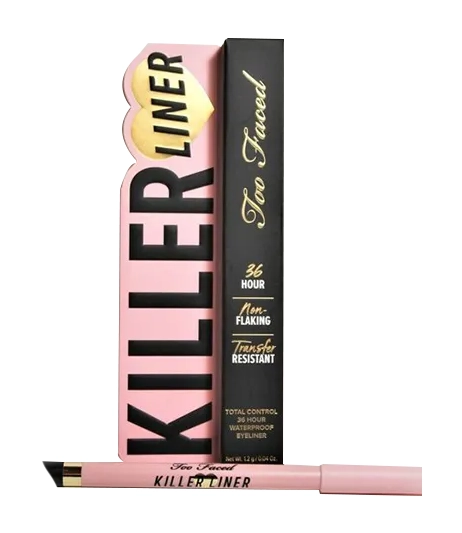
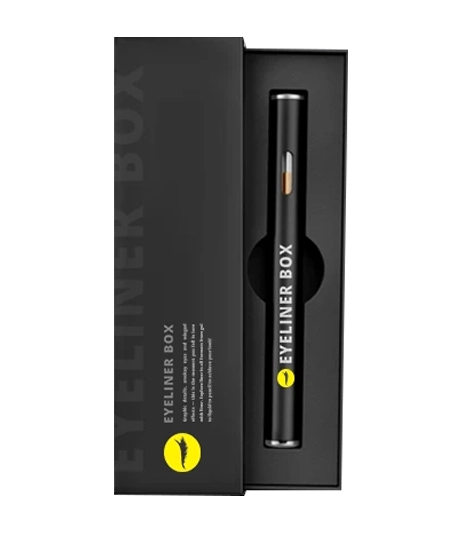
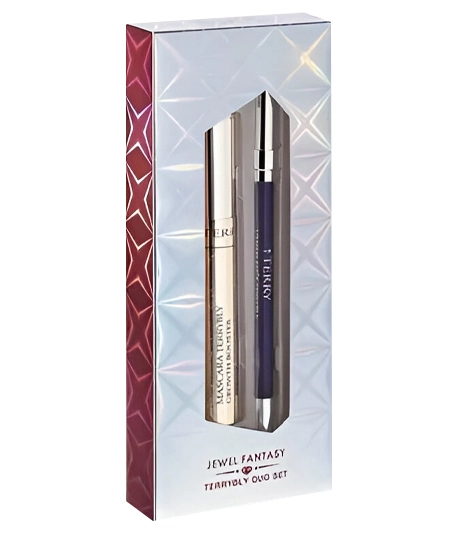
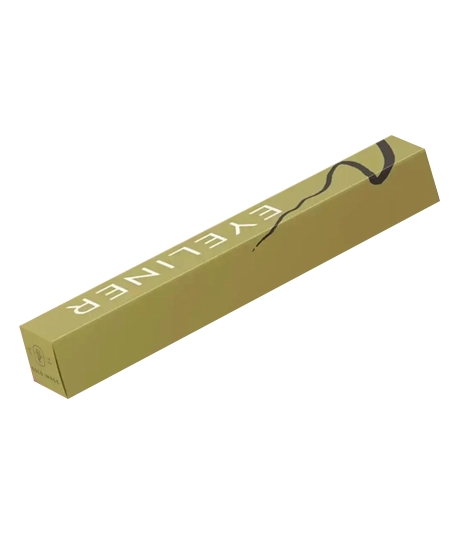

Custom eyeliner boxes give slim pencils, felt-tip pens, liquid liners, gel pots, and multi-item sets a paper-based secondary package built around actual product dimensions. Custom Boxes Inc. helps buyers coordinate fit, structure, printed panels, artwork versions, and supported finishes while keeping the primary cosmetic container separate from the box order. Share your packed dimensions, quantity, artwork status, and retail use to begin.

Select dimensions in cm, mm, inches, ml, or oz and more — whatever fits your product.

Choose the Stock, printing type, and enter your order quantity.

Upload your ready artwork — or just write “Need Design” and we'll handle it.

Fill in your name, contact number, and email for quick communication.

Solve a quick captcha and hit “Submit Quote” — it takes seconds!

Our expert will reach out ASAP with the best market rate from a top packaging provider.

After You Approve the Quote — Here's What Happens Next


An eyeliner carton has a narrow footprint, but the specification still has to account for the complete product inside. Start with the actual primary container, cap, applicator, brush, outer wrap, and any item that must travel with it. A pencil, felt-tip pen, liquid liner tube, and gel pot create different fit, loading, and panel-layout problems. Custom Boxes Inc. supplies the empty paper-based secondary packaging, not the eyeliner formula or its plastic, glass, jar, or metal primary container.
Use the product in its packed condition rather than a nominal volume or marketing size. Record its maximum length, width, depth or diameter, any cap or brush projection, and the orientation in which it will enter the carton. The useful internal dimensions must allow loading and removal without turning the box into a loose sleeve.
For slim pencils and pens, excessive clearance can let the item shift. Too little clearance can make packing slow or place pressure on caps and tips. For liquid eyeliner, note the closure shape and any wider collar. For a gel pot, include the lid and any separate brush only if both are packed together. A paperboard insert or divider can be considered when a supported paper-based component is needed to organize a wider set.
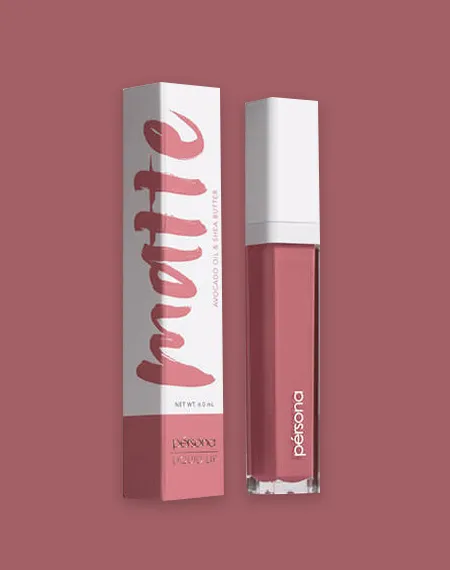
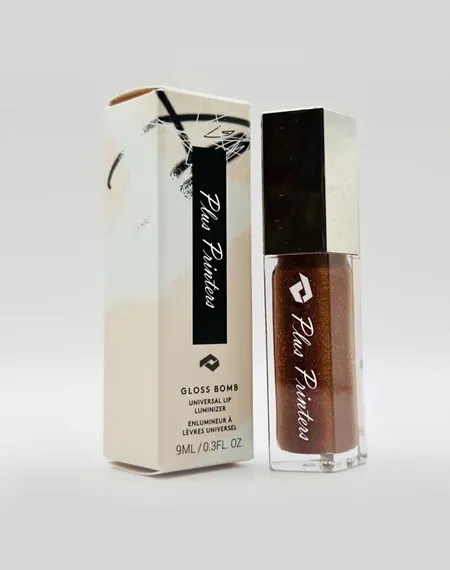
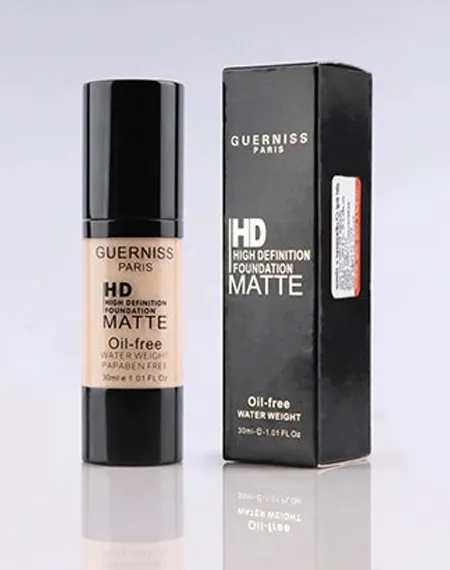
A folding carton is often a practical starting point for a single slim eyeliner because it provides printable panels around a small product. Straight tuck end and reverse tuck end cartons use different flap directions, so artwork orientation and the preferred loading side should be resolved from the actual dieline. The closure is a retail carton closure, not proof of tamper evidence, leak prevention, or parcel-shipping performance.
For multi-item sets, a sleeve, drawer-style box, two-piece format, or rigid presentation format may be considered when the supported project calls for a different opening experience. Each changes the packing sequence, usable space, removal method, and storage volume. Confirm that the products can be loaded, presented, and removed as intended.
Use the product format to identify the fit questions that matter most:
These decisions give the box a job beyond simply being small cosmetic packaging.
Eyeliner packaging often has limited printable width, so artwork hierarchy matters. Decide which panel is the principal retail-facing panel, then allocate space for the product identity, shade or finish name, net quantity, brand marks, barcode or other code, directions, ingredients, warnings, business information, and batch or version fields when they apply.
FDA cosmetic-labeling rules can place required information on an outer carton. The responsible cosmetic brand supplies and approves the statements that apply to its product. Custom Boxes Inc. can help organize the supported dieline and artwork area, but printing a carton does not certify a formula, substantiate a cosmetic claim, or transfer regulatory responsibility to the packaging supplier.
When a shade family uses the same structural size, control artwork versions carefully. A clear shade identifier, SKU, barcode, and revision record can reduce mix-ups during ordering and packing. Confirm quantities for each artwork version rather than treating several shades as one undifferentiated run.
Paperboard selection should balance stiffness, fold behavior, print surface, and the demands of the packed eyeliner. Solid bleached paperboard, folding boxboard, kraft-appearance stock, or another supported paper-based construction can behave differently even at similar quoted thicknesses. Do not assume an exact caliper, recycled content, or environmental property until the selected material specification is confirmed.
Printing and finishing choices should follow the stock and production route. Full-color artwork, a named spot color, foil, embossing, debossing, matte or gloss treatments, and other effects may be considered where compatible with the approved substrate and job. On a slim carton, use special effects deliberately so readable product information and scanning areas remain clear. If exact brand color matters, approve it with the chosen stock and finish. A screen color or Pantone reference is a target, not proof of an identical result on every material. Digital proofs can check layout, spelling, panel orientation, and versions; a physical sample can help when fit, opening, color appearance, or finish feel needs hands-on evaluation.
An eyeliner box may be designed for shelf presentation, e-commerce fulfillment inside another package, or inclusion in a larger beauty set. Those are different jobs. A slim folding carton is not automatically a shipping container. If the finished eyeliner carton will travel through parcel distribution, evaluate the outer shipper and complete pack separately.
Shelf-facing artwork, a hanging feature, a window, or an insert can also change the dieline and the remaining board around cut areas. Confirm these options for the supported configuration rather than adding them as assumptions. The same applies to moisture-resistant coatings: cosmetic secondary packaging does not prevent every leak from a primary container.
A useful inquiry does not require a finished engineering specification. Share the eyeliner format, packed dimensions, quantity, target arrival date, and any existing dieline or artwork. Also note the number of shades or artwork versions, preferred box style if known, retail display needs, and whether a paperboard insert is part of the brief.
Custom Boxes Inc. offers free design assistance for supported projects, including help organizing dielines and supplied artwork. Minimum quantities, physical samples, available stocks, finishing routes, production timing, manufacturing origin, and shipping terms should be confirmed for the chosen configuration. If you are uncertain about the structure, send the product dimensions and intended use so the team can help define a starting specification.
Custom Boxes Inc. can help turn your product dimensions, retail needs, artwork, and quantity into a clearer eyeliner-box specification. Email Quotes@Customboxesinc.Com, call +1 833-565-0363, or complete the website quote form with your product details and target timing. Include the number of artwork versions and any existing dieline or sample so the team can review the supported options for your project.
Beauty brands trust us


Answers to Help You Order with Confidence
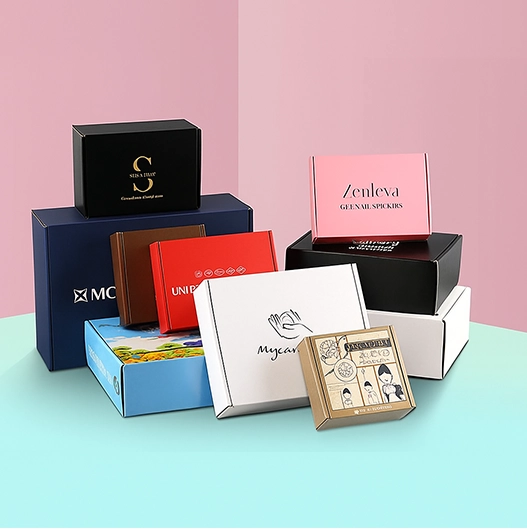
Measure the eyeliner in its packed condition, including the primary container, cap, applicator, brush, and any component that will share the carton. Provide the maximum dimensions and the orientation you expect during packing. If you already have a dieline or sample, include it with the quote request.
Yes, when the physical primary containers share the same usable dimensions and the approved carton structure can remain unchanged. Treat each shade or formula version as a separate artwork record, and confirm the quantity needed for each version before production.
A supported paperboard insert or divider can be considered when several components need organized presentation or reduced movement. The insert should be designed around the actual product arrangement, lifting space, and removal sequence. Foam inserts are outside the current company scope.
Printing and finishing options depend on the selected paperboard and production route. Full-color printing, spot colors, foil, embossing, debossing, matte, gloss, and other treatments may be considered where supported and compatible. Confirm the final stock, process, and approval method with the quote.
No. A printed secondary carton does not certify the cosmetic formula, replace the brand's labeling responsibilities, or guarantee that a primary tube, bottle, or jar cannot leak. The responsible brand supplies approved product information and should evaluate the complete pack for its intended use.
Custom Boxes Inc is a leading manufacturer and supplier of custom packaging boxes tailored for every product and industry. From startups to global brands, we empower businesses across the USA with cost-effective, high-quality, fully personalized packaging solutions — crafted with precision, delivered with speed. Whether you need eco-friendly cardboard boxes, rigid luxury boxes, or branded retail-ready display packaging — we've got you covered with endless customization options, low MOQs, and lightning-fast turnarounds.