

Select dimensions in cm, mm, inches, ml, or oz and more — whatever fits your product.

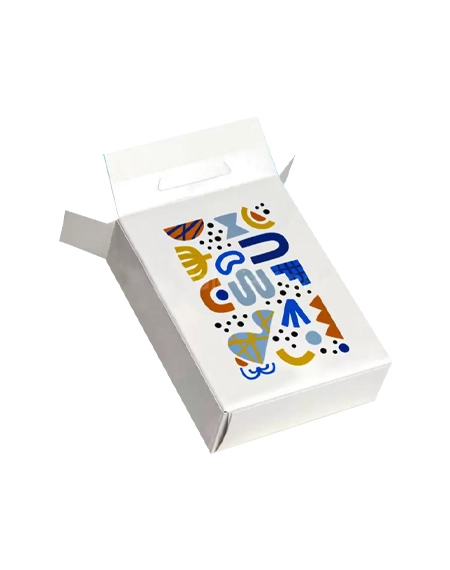
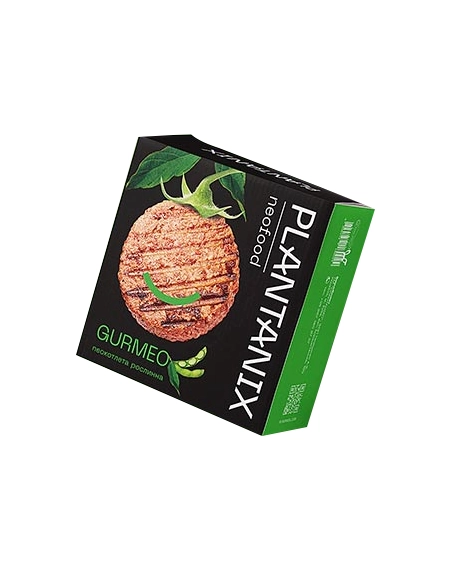
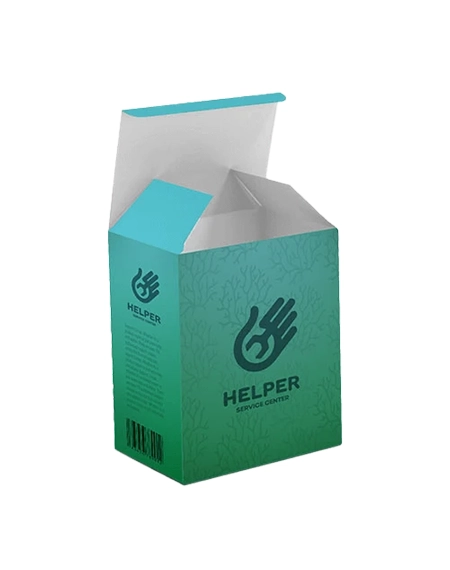
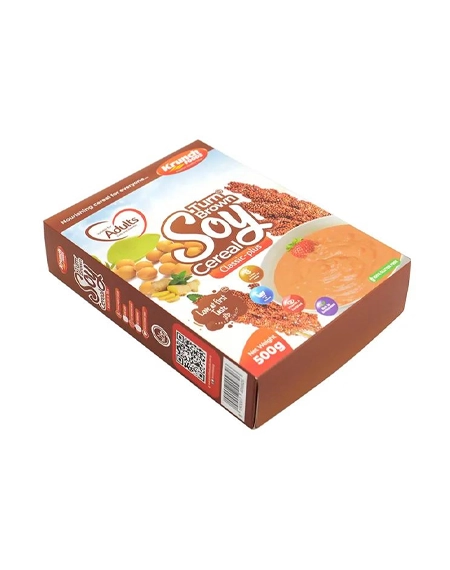
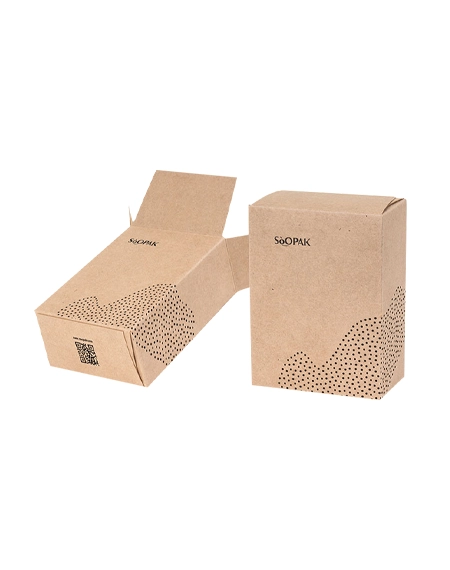
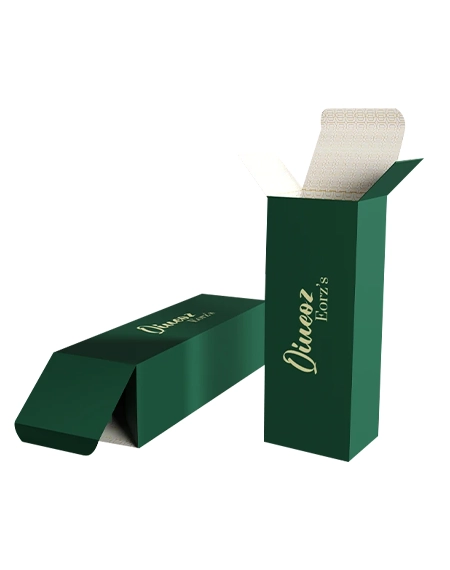
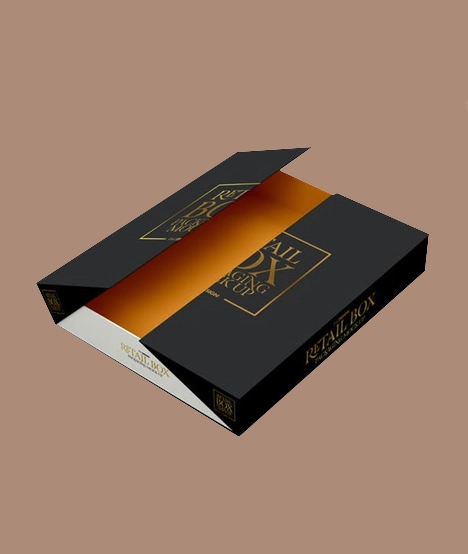
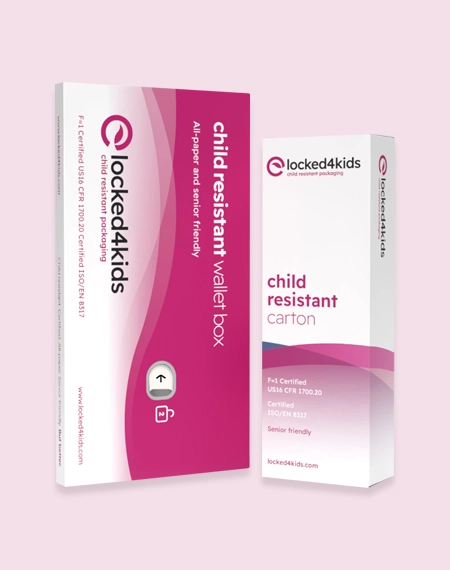
Custom seal end boxes are folding cartons designed for products that are loaded once and closed with adhesive at one or both ends. Food brands, pharmaceutical packers, cosmetics companies, household-goods manufacturers, hardware suppliers, and other retail businesses use them when repeat opening is unnecessary and consistent closure matters during storage, case packing, and shelf handling. Size, board, glue area, flap geometry, filling direction, line speed, product weight, coding zones, and distribution conditions shape the final carton. Custom Boxes Inc. can help translate those inputs into a structure, dieline, proofing plan, and quotation that supports manual, semi-automatic, or automated pack-out without claiming that glued paperboard alone creates regulatory tamper resistance or parcel-shipping protection.

Select dimensions in cm, mm, inches, ml, or oz and more — whatever fits your product.

Choose the Stock, printing type, and enter your order quantity.

Upload your ready artwork — or just write “Need Design” and we'll handle it.

Fill in your name, contact number, and email for quick communication.

Solve a quick captcha and hit “Submit Quote” — it takes seconds!

Our expert will reach out ASAP with the best market rate from a top packaging provider.

After You Approve the Quote — Here's What Happens Next


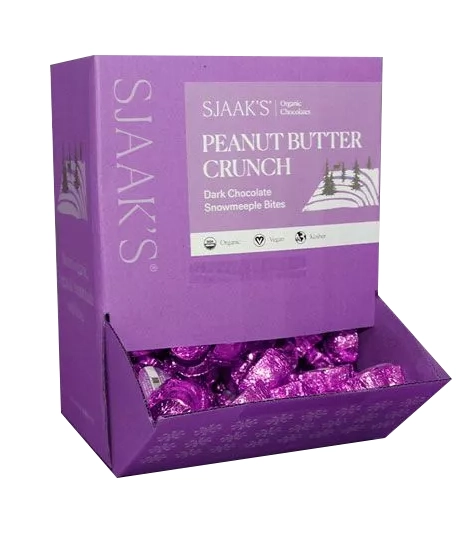
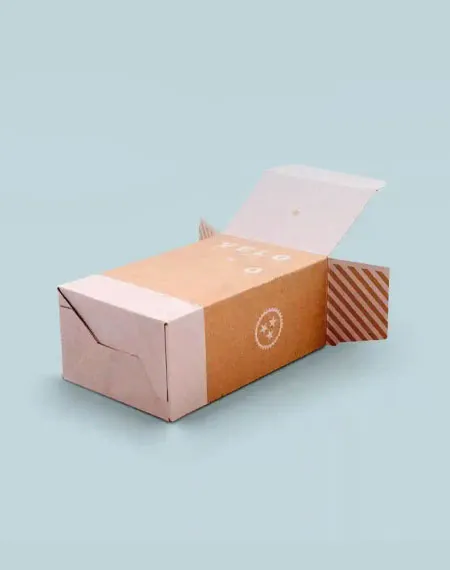
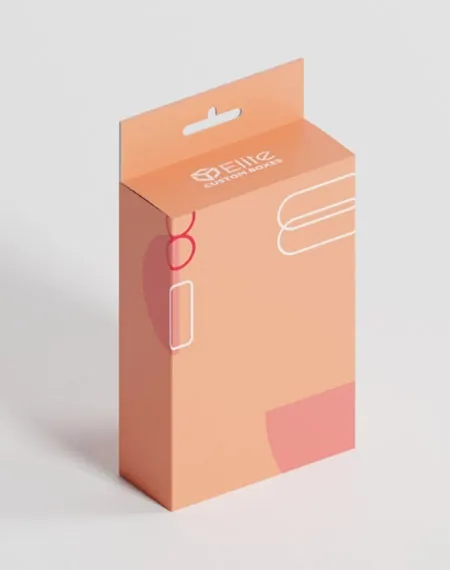
Seal end cartons suit products that are inserted once, closed with adhesive, and opened by breaking or tearing the package rather than repeatedly tucking a flap. Common applications include dry foods in primary liners, confectionery, frozen or refrigerated goods in suitable inner packaging, cosmetics, personal-care items, supplements, household products, small parts, and selected healthcare products. The structure becomes especially useful when packers need consistent end closure, a rectangular case pack, broad printable panels, or compatibility with semi-automatic and automated cartoning equipment. It is less suitable when shoppers must inspect, reopen, or frequently reclose the carton. Buyers should define whether one end arrives preglued and the second is sealed after loading, or whether both ends are closed during the packing process. Product orientation, filling direction, glue method, coding position, and inspection access should be agreed before artwork begins. A seal end box is a production decision as much as a merchandising choice.
White SBS paperboard supports fine graphics, small instructions, barcodes, and clean retail presentation for many seal end cartons. Natural kraft creates a fiber-visible appearance but changes color reproduction and may require a contrast strategy for pale inks or reverse text. Folding boxboard and recycled paperboard can suit selected applications when the verified grade provides enough stiffness, fold endurance, printability, and glue compatibility. Microflute corrugated board may be considered for heavier products, wider spans, or distribution-focused formats, although it changes dimensions, scoring, print methods, and line setup. Board choice should reflect packed weight, carton length, panel span, grain direction, end-flap overlap, adhesive type, filling speed, compression, temperature, humidity, and storage duration. Coatings and laminates can alter surface energy and may interfere with adhesive wetting when glue areas are not properly masked or specified. Food-contact use requires configuration-specific review of paperboard, coatings, inks, adhesives, and intended conditions. Do not describe a board as food-safe, pharmaceutical-grade, recyclable, or sustainable without evidence for the exact finished construction.
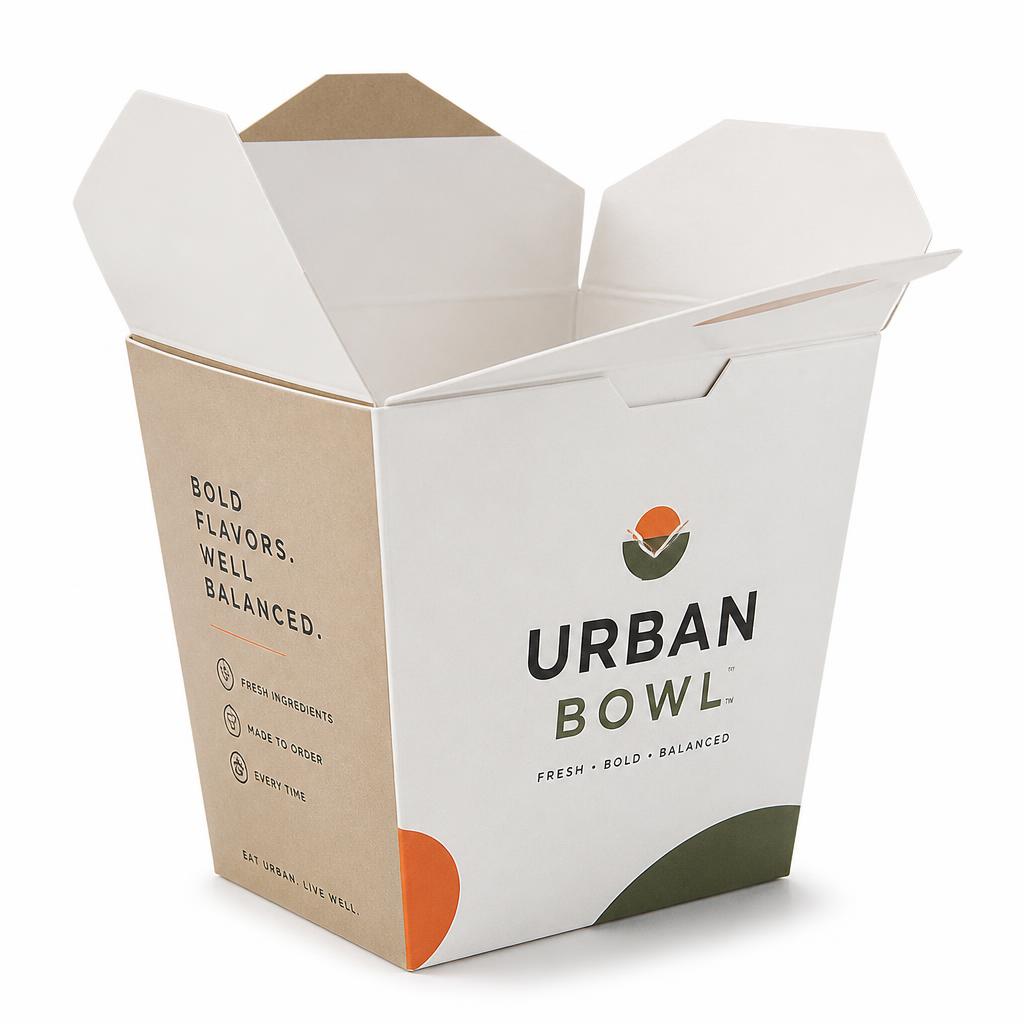
Seal end construction depends on how the flaps overlap, where adhesive is applied, and which direction the product enters the carton. A common workflow uses a preglued side seam, opens the flat carton into a tube, loads the product, and seals one or both end-flap assemblies. Major flaps, minor flaps, dust flaps, glue tabs, compression time, and adhesive pattern must work together. Too little overlap can reduce bonding area; excessive glue can squeeze into the carton, mark equipment, or contact the product package. Heavy, granular, or free-moving products may require inserts, liners, bottom support, or a different structure. The closure should remain square enough for case packing and should not interfere with date coding, barcode scanning, inspection, or shelf presentation. Glued ends can provide visible opening damage, but FDA guidance states that paperboard cartons sealed only by gluing their end flaps do not automatically meet tamper-resistant packaging requirements for covered OTC drugs. Regulatory claims require complete-system evidence.
Seal end cartons often carry dense operational information because broad panels remain visible after sealing. Artwork may include product identity, variant, ingredients, directions, warnings, lot fields, expiration or best-by coding, barcodes, case marks, and retailer data. Offset printing can support longer programs requiring fine copy and controlled color, while digital printing can support prototypes, shorter quantities, regional versions, and frequent artwork changes. Flexography may suit selected corrugated or high-volume applications. The approved artwork must protect glue zones, scores, flap overlaps, coding areas, camera-inspection marks, and machine-readable symbols. Ink, varnish, laminate, or coating inside an adhesive area can weaken bonding if the system was not designed around that surface. Barcodes should sit on smooth, accessible panels with adequate contrast and quiet zones, away from folds or glue distortion. For multi-SKU programs, create a version matrix covering carton size, artwork code, language, regulatory copy, lot field, barcode, quantity, and destination. Printing cannot correct an undersized compliance panel or incorrect sealing sequence.
Functional additions should support the packing line before they support decoration. Tear strips can guide opening, perforations can create dispensing or access panels, and reclosure tabs can serve products that remain in the carton after first opening. Windows reveal the primary package but reduce board area and may complicate glue, light exposure, case strength, or recycling. Inserts can center bottles, pouches, tubes, hardware, or grouped components while preventing load from pressing fragile closures. Matte, gloss, aqueous, lamination, foil, embossing, debossing, and spot UV can differentiate the brand, but every enhancement changes surface behavior, scoring, rub resistance, production steps, or recovery. Keep finishes outside adhesive zones unless the tested system specifically allows them. Security labels, serialized seals, or distinctive tear features may add opening evidence, yet they must not be represented as regulatory tamper resistance without applicable validation. Choose features according to line speed, sealing equipment, opening method, case packing, shelf use, information needs, and the customer’s disposal environment.
Dimensioning begins with the packed product and the way it enters the carton. Record maximum length, width, depth, weight, center of gravity, closures, projections, primary wraps, accessories, inserts, and allowable movement. Then document whether loading is horizontal or vertical, which end is preglued, which end receives adhesive after filling, and what equipment grips or compresses the carton. Internal dimensions must provide loading clearance; external dimensions change with board caliper, fold allowances, flap overlap, side seam, and manufacturing tolerances. The production dieline should identify cuts, scores, glue tabs, major and minor flaps, adhesive exclusion zones, compression areas, perforations, windows, coding panels, bleed, safe areas, and machine direction. A digital proof can confirm copy and placement, but a structural sample is needed to assess erection, filling, flap sequence, glue access, squareness, compression time, opening, and case pack. Machine trials may be necessary when existing cartoners, hot-melt systems, cold-glue systems, code printers, or inspection cameras have limits. Acceptance criteria should define dimensions, bond placement, closure appearance, and permitted variation before tooling is released.
Seal end performance should be judged across the filled package, packing line, case load, distribution route, and retail environment. Useful checks include carton squareness, adhesive location, fiber tear, flap lift, end bulging, compression, product movement, coding readability, and opening behavior. Temperature and humidity can influence paperboard, coatings, adhesive set, and bond strength, while dust, oils, frozen surfaces, or condensation may interfere with sealing. A retail carton is not automatically a parcel shipper; ecommerce use may require corrugated outer packaging, cushioning, and distribution testing. ISTA advises selecting tests according to the packaged product and distribution environment rather than relying on trial and error alone. For food uses, the regulatory status of every reasonably migrating packaging component must match its intended conditions. Sustainability claims also require construction-level evidence: paperboard, laminate, window film, adhesive, ink, and product residue can affect recovery. Right-sizing, reliable closure, lower damage, efficient case packing, and controlled version counts often provide more meaningful improvements than an unsupported environmental claim.
Prepare the quotation request with product samples or drawings, packed dimensions, weight, order quantity, carton orientation, filling method, line speed, adhesive preference, coding requirements, retailer needs, materials, printing, finishes, inserts, and delivery destination. Identify whether the carton will be erected and sealed manually, semi-automatically, or on existing machinery, and share equipment specifications when available. Custom Boxes Inc. can review the brief, identify missing structural or prepress decisions, and organize the proposed dieline and proofing path. Before production, approve the board, dimensions, flap sequence, glue zones, artwork, color references, variable versions, prototype method, case pack, and acceptance criteria. Quality checks may cover cuts, scores, dimensions, side seams, adhesive placement, fiber tear, end closure, squareness, print registration, codes, barcodes, version separation, quantity, and packing. Request your custom seal end box quote through the inquiry form, call (833) 565-0363, or email inquiry@customboxesinc.com with the product, packing-line, quantity, artwork, and destination details.


Answers to Help You Order with Confidence
Seal end cartons suit products packed once and closed for retail or distribution, including dry foods in liners, cosmetics, supplements, household goods, hardware, small parts, and selected healthcare items. Suitability depends on product weight, filling direction, adhesive access, required opening behavior, compliance needs, and whether the carton must run through existing equipment.
Tuck cartons use flaps intended to open and close without permanent adhesive, while seal end cartons use glued end-flap assemblies for a more fixed, one-time closure. Seal end formats can support consistent case packing and line operation, but they are less convenient when customers need repeated access or reclosure.
Not automatically. A glued carton may show visible opening damage, but the complete package must satisfy any applicable regulatory standard and labeling requirement. FDA guidance states that paperboard cartons sealed only by gluing end flaps do not meet tamper-resistant requirements for covered over-the-counter drugs. Obtain qualified review for regulated products.
Provide maximum packed length, width, depth, weight, product orientation, closures, projections, inserts, and allowable movement. Also identify the filling direction, preglued end, final sealing end, adhesive method, line speed, compression area, coding equipment, and case-pack limits. Existing cartoner or gluer specifications should accompany the request when available.
Yes, depending on the available sampling workflow. A digital proof can confirm artwork, codes, barcodes, and glue exclusions. A structural sample can evaluate erection, product loading, flap sequence, adhesive access, closure, squareness, and case packing. Machine trials may be appropriate when fixed equipment, speeds, sensors, or compression settings affect performance.
Custom Boxes Inc is a leading manufacturer and supplier of custom packaging boxes tailored for every product and industry. From startups to global brands, we empower businesses across the USA with cost-effective, high-quality, fully personalized packaging solutions — crafted with precision, delivered with speed. Whether you need eco-friendly cardboard boxes, rigid luxury boxes, or branded retail-ready display packaging — we've got you covered with endless customization options, low MOQs, and lightning-fast turnarounds.