

Select dimensions in cm, mm, inches, ml, or oz and more — whatever fits your product.

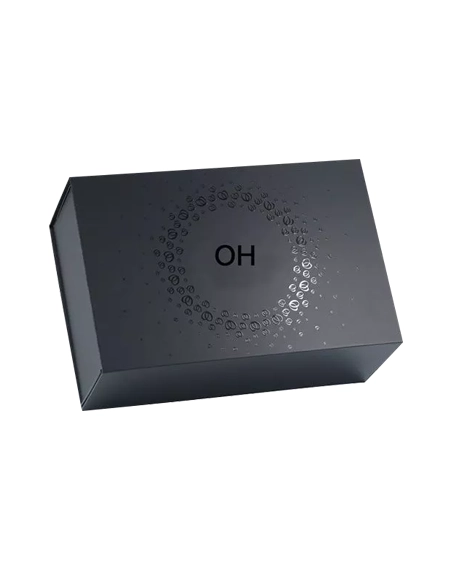
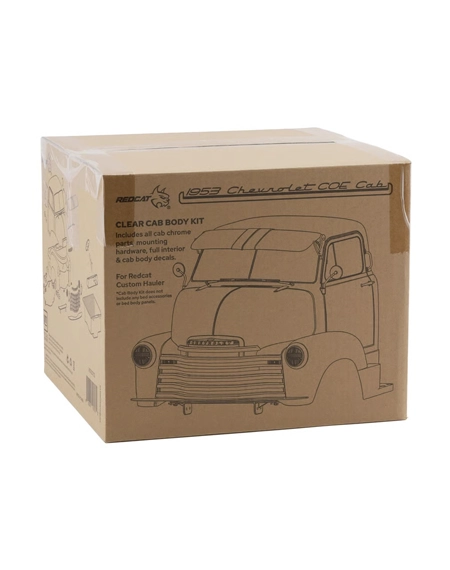
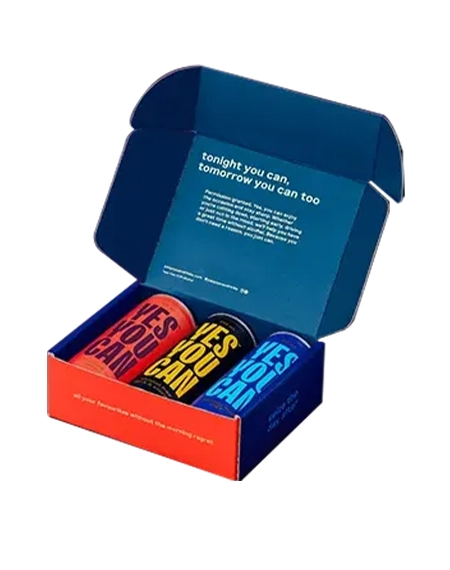
Custom shipping boxes are packaging planned around the product, its route, and the way it must be packed before delivery. They give businesses a more considered alternative to generic cartons by bringing dimensions, material direction, internal organization, printing, and essential information into one specification. When an order must move through fulfillment, storage, handling, transit, receiving, and customer arrival, the box needs to do more than simply contain the item. It should be appropriate for the product’s weight, shape, accessories, and intended sales channel. Custom Boxes Inc. can help develop custom shipping boxes for ecommerce orders, multi-item shipments, retail replenishment, and promotional kits, with sizing and presentation choices that support practical packing and brand visibility.

Select dimensions in cm, mm, inches, ml, or oz and more — whatever fits your product.

Choose the Stock, printing type, and enter your order quantity.

Upload your ready artwork — or just write “Need Design” and we'll handle it.

Fill in your name, contact number, and email for quick communication.

Solve a quick captcha and hit “Submit Quote” — it takes seconds!

Our expert will reach out ASAP with the best market rate from a top packaging provider.

After You Approve the Quote — Here's What Happens Next


Custom shipping boxes are more than a container used at the end of the packing process. They bring product dimensions, shipping conditions, packing requirements, and brand presentation into one specification. When a package must move through storage, fulfillment, transit, receiving, and customer delivery, each of those stages can affect the appropriate size, material, closure, panel layout, and internal organization. That is why a shipping box should be selected around the item and its distribution route rather than chosen only for outward appearance. Custom Boxes Inc. can help businesses develop custom shipping boxes that account for what is being sent, how it will be packed, what information needs to travel with it, and how the package should represent the brand on arrival.
The most useful shipping-box decision begins with the product. Record the item’s length, width, height, weight, fragility, orientation, and any components that need to be packed with it. Then consider how the order will move: whether it will be handled as an individual ecommerce shipment, a multi-item package, a retail replenishment order, or a promotional kit. These details influence the dimensions, material direction, internal arrangement, and the type of closure that should be considered. They also affect the amount of usable space needed for inserts, dividers, manuals, or other supporting contents. Starting with a clear delivery context avoids treating a product’s transport needs as an afterthought once the box design has already been chosen.
Custom sizing helps create a box that is proportioned around what will travel inside it. A clear dimension plan considers not only the product but also protective spacing, accessories, internal components, product orientation, and how the item will be placed into the package. For a single product, the aim may be a compact format with an organized presentation. For a multi-item order, the outer dimensions may need to make room for several pieces while giving each one a defined place. The final size should also account for the selected board and the intended use of the shipping box. These decisions help build a more practical foundation for packing, product information, artwork, and delivery preparation.
Material and structure should reflect the product, the route, and the desired presentation. Custom Boxes Inc. lists corrugated, kraft, cardstock, rigid, and other paper-based packaging options, each with a different balance of structure, surface character, printing potential, and appearance. Corrugated material can be considered for shipping-oriented applications, while other material choices may suit particular product or presentation needs. The key is to evaluate the item’s weight, dimensions, delivery conditions, print coverage, and the role the box will play after it is received. A shipping box can be primarily functional, but it can also carry brand information and support a considered customer experience. Selecting its material with those combined needs in mind produces a more suitable specification than choosing by looks alone.
A shipping box needs to work for the people packing and receiving it as well as the customer opening it. Think through product storage, pick-and-pack steps, the way items are placed inside, closure behavior, labeling needs, outer-panel information, and how the package will be handled at each stage. An ecommerce order may need a simple, repeatable packing format. A wholesale or retail shipment may need a box that is easy for staff to identify and manage. A kit may need an internal arrangement that keeps several parts organized. By describing these operational requirements early, businesses can compare box sizes, material directions, and internal features based on the actual workflow. The result is a more purposeful shipping format that does not force fulfillment decisions to be made around an unsuitable carton.
Custom shipping boxes can still be a visible part of the brand experience. The outer panels can be planned for a logo, product name, handling information, color system, campaign artwork, or other content that customers and receiving teams need to see. Custom Boxes Inc. lists digital and offset printing, as well as CMYK and PMS color workflows, for appropriate projects. The selected process should be considered in relation to the material, quantity, print coverage, artwork, and color expectations. Interior printing, inserts, or other selected details can add support where they improve organization or presentation. The goal is not to overload the shipping box with decoration; it is to make the package informative, recognizable, and consistent with the product it delivers.
Artwork should be organized around the actual shipping-box structure. Before a design is finalized, review the box dimensions, panel allocation, folds, closure areas, print coverage, product information, and any contents that affect the internal layout. That allows the logo, text, instructions, imagery, barcode, or other details to sit in appropriate locations rather than competing with structural features. If several products or order types will use related shipping boxes, identify what remains consistent across the range and what changes by SKU. Custom Boxes Inc. states that artwork and design assistance is available when support is needed. Combining dimensions, dieline, artwork, and operational requirements early gives the project a clearer direction before the order moves toward production.
A strong quote request includes more than the box dimensions alone. Share the product size and weight, expected quantity, intended shipping or sales channel, material preferences, contents that need organizing, artwork status, print requirements, finish choices, and delivery location. If you are not sure which structure or size is appropriate, describe how the product will be packed and how it will reach the customer. This information helps compare custom shipping box options according to the real product and fulfillment needs. The objective is a shipping package that supports the route, communicates the brand clearly, and fits the way your business prepares orders.
Ready to plan shipping packaging around your product and delivery requirements? Send Custom Boxes Inc. your product dimensions, quantity, intended use, material preferences, artwork, and delivery location through the quote form. If your specifications are not yet final, include the product details and how the order will be packed so suitable options can be discussed. For direct assistance, email Quotes@Customboxesinc.Com or call +1 833-565-0363.
Verified feedback from real packaging buyers.
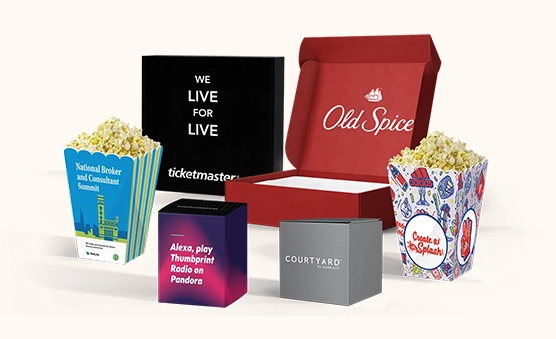


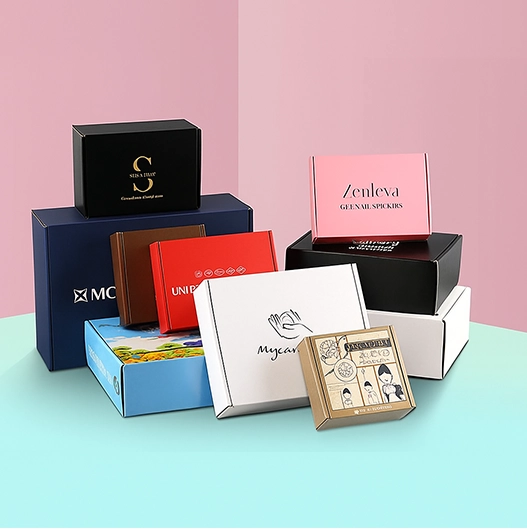
Custom shipping boxes are used for ecommerce orders, multi-item deliveries, retail replenishment, promotional kits, and other products that need packaging planned around their delivery route. They can combine product fit, shipping-oriented structure, essential information, and branded presentation in one package.
Pricing depends on the box dimensions, material, quantity, printing, finish choices, internal features, and delivery requirements. Submit your product details and expected order quantity to Custom Boxes Inc. for a quote based on the actual shipping-box specification.
Yes. A custom shipping box can be planned around your product’s length, width, height, weight, accessories, and required internal spacing. Providing accurate measurements helps determine a more suitable size and layout for packing the order.
Corrugated material can be considered for shipping-oriented applications, while kraft, cardstock, rigid, and other paper-based options may suit particular product or presentation needs. The right choice depends on the item, delivery conditions, desired box structure, print coverage, and presentation goals.
Yes. Custom shipping boxes can be planned for logos, product names, instructions, barcodes, handling information, color systems, and campaign artwork. Share your design files and required information so the artwork can be reviewed against the final box layout.
Custom Boxes Inc is a leading manufacturer and supplier of custom packaging boxes tailored for every product and industry. From startups to global brands, we empower businesses across the USA with cost-effective, high-quality, fully personalized packaging solutions — crafted with precision, delivered with speed. Whether you need eco-friendly cardboard boxes, rigid luxury boxes, or branded retail-ready display packaging — we've got you covered with endless customization options, low MOQs, and lightning-fast turnarounds.