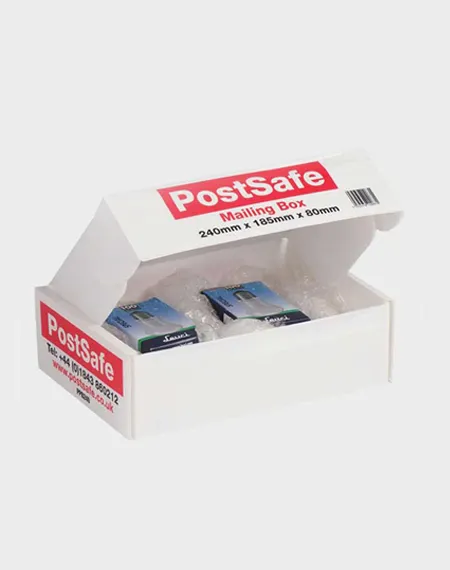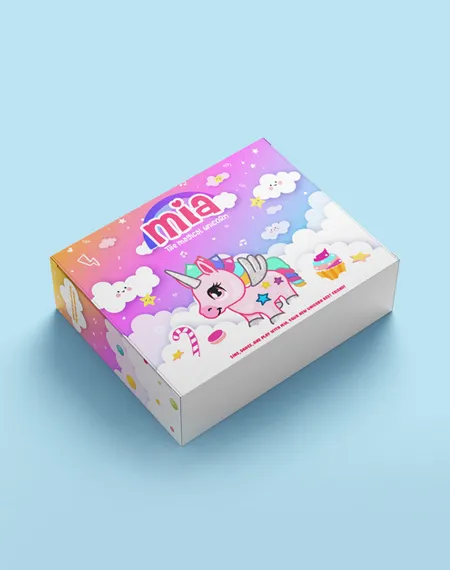


Select dimensions in cm, mm, inches, ml, or oz and more — whatever fits your product.


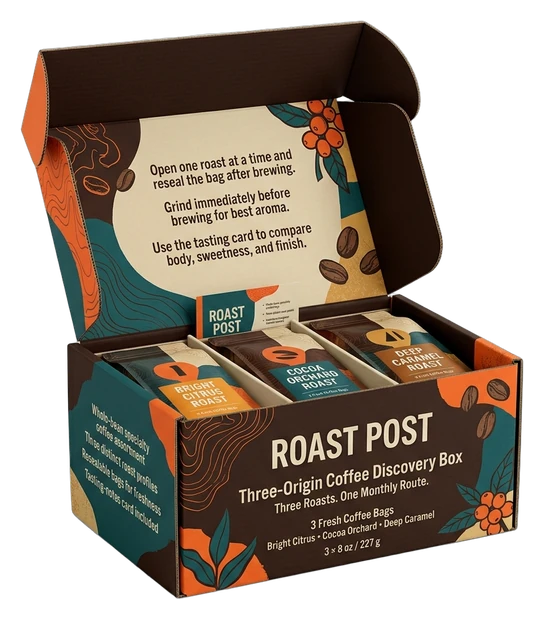
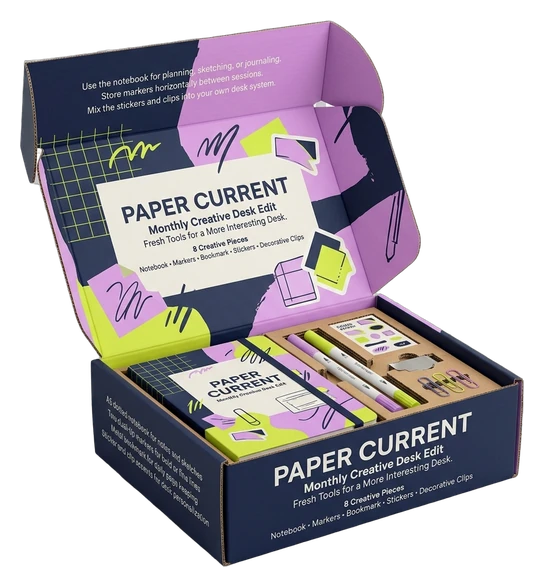
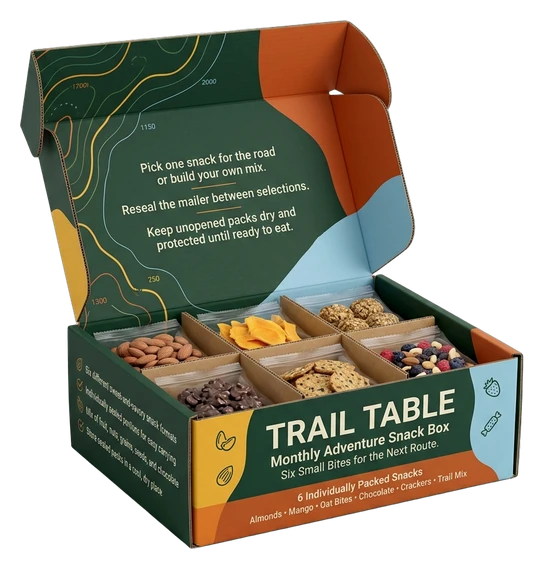
Custom subscription boxes are planned for recurring product deliveries where packaging has to work repeatedly across fulfillment, shipping, presentation, and changing product assortments. Build the box around your packed products, delivery cycle, inserts, artwork versions, and shipping method so each recurring order remains practical to pack while presenting your brand consistently.

Select dimensions in cm, mm, inches, ml, or oz and more — whatever fits your product.

Choose the Stock, printing type, and enter your order quantity.

Upload your ready artwork — or just write “Need Design” and we'll handle it.

Fill in your name, contact number, and email for quick communication.

Solve a quick captcha and hit “Submit Quote” — it takes seconds!

Our expert will reach out ASAP with the best market rate from a top packaging provider.

After You Approve the Quote — Here's What Happens Next


A subscription box has a different job from packaging used for a single product shipment. The outer dimensions may need to remain consistent while the products, quantities, artwork, inserts, themes, or promotional messages change from one cycle to another. Start by understanding what remains fixed and what changes each shipment. That distinction affects the box structure, interior space, artwork system, packing workflow, inventory planning, and recurring production schedule.
Measure the actual products that can appear in the box rather than sizing around one representative item. Record the length, width, depth, and packed weight of each product, including its primary packaging, caps, pumps, jars, pouches, accessories, or other projections. Then consider the combinations customers may receive. A beauty subscription containing several small cartons creates a different interior arrangement from a book club, snack box, apparel program, hobby kit, pet-product subscription, or mixed lifestyle box.
If the product assortment changes each month, identify the largest realistic configuration instead of assuming every cycle will occupy the same volume.
Recurring programs often benefit operationally from keeping a manageable number of box sizes, but one universal size is not automatically the best choice. An oversized box can create unused space, require additional filler, increase material use, and affect shipping economics. A box sized too tightly around one month's assortment may not accommodate a larger future combination. Compare the common product configurations and determine whether one box, two standardized sizes, or product-specific formats make more sense. The right decision should balance product fit, fulfillment simplicity, freight considerations, and presentation. Do not resize the box for appearance alone without reviewing how the changed dimensions affect the complete packed shipment.
A corrugated mailer can be suitable for many recurring ecommerce programs when the package itself needs to travel through parcel distribution. Other subscription concepts may use a folding carton, presentation box, or rigid format inside a separate shipping outer.
Keep those roles distinct.
If the branded subscription box will travel directly through the carrier network, its complete packed configuration needs to be evaluated for the expected distribution environment. A visually premium presentation box does not automatically become an appropriate parcel shipper. If a presentation box travels inside a separately suitable shipping carton, the inner box can focus more heavily on organization and presentation while the outer handles the transport role.
Subscription boxes frequently contain more than one item, so the interior deserves the same attention as the outside. Loose products may need crinkle paper, tissue, dividers, partitions, trays, board inserts, foam inserts, sleeves, mini cartons, or another supported arrangement depending on their shape, weight, fragility, and desired presentation. Do not use a decorative insert simply because it looks good in an empty mockup. Consider how quickly fulfillment staff can place every item, whether products contact each other, how much movement remains after packing, and whether the insert still works when the monthly assortment changes. For changing assortments, a flexible interior may sometimes be more useful than a highly product-specific insert. For stable subscription kits, a fitted arrangement can create more controlled positioning.
A subscription program can involve hundreds or thousands of similar packing actions across recurring fulfillment cycles. Small inefficiencies can therefore become meaningful operational problems. Consider how the box is supplied, stored, erected, filled, checked, closed, labeled, and moved into shipping. A structure that looks impressive but takes unnecessary time to assemble may create additional labor during larger fulfillment runs. If a fulfillment partner or 3PL handles the subscription, obtain its packing requirements before finalizing the structure. Confirm usable workbench space, barcode or shipping-label areas, packing sequence, storage limitations, and any dimension constraints relevant to the operation. The packaging should support the real fulfillment process rather than forcing the operation to adapt to an artwork concept.
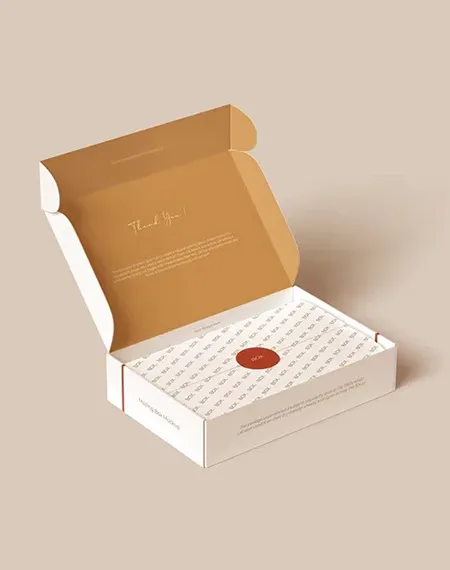
Subscription packaging provides several customer-facing surfaces because the recipient normally opens the box deliberately rather than discarding it immediately. Exterior artwork can establish recognition before opening, while inside-lid or interior-panel printing can carry a welcome message, campaign theme, product introduction, instructions, or another useful communication. The interior does not need to repeat the outside design. Use each surface for a specific purpose. If the subscription changes seasonally, consider whether the core exterior branding should remain consistent while interior artwork, inserts, cards, sleeves, or other components change more frequently. This can make artwork planning easier while still allowing individual deliveries to feel distinct.
Recurring subscriptions create version-control challenges that ordinary one-time packaging orders may not have. Prepare a schedule that identifies each cycle, artwork filename, quantity, box size, product assortment, insert version, shipping destination, and required delivery date. If seasonal or limited-edition artwork is involved, record when each version should stop being used. Do not rely on filenames such as “final,” “new final,” or “latest.” Use a clear version system so the approved box for one month is not accidentally produced for another. Use the proof to confirm artwork, product references, dates, promotional wording, QR destinations, inside/outside orientation, and campaign-specific details before production.
Printed cards and interior components can help customers understand what is included and what to do next. Depending on the program, the box may include Product Insert Cards, Care Instruction Cards, Thank You Cards, Marketing Insert Cards, Warranty Cards, Social Media Cards, or other relevant printed components. These pieces should work together rather than delivering six competing calls to action. For example, the box interior might establish the monthly theme while one product card explains the assortment and one QR-supported insert connects customers to additional information. Keep the communication hierarchy simple enough that important information remains easy to find.
Material selection should reflect the packed configuration rather than the word “subscription.” Custom Boxes Inc. reports paperboard, cardstock, kraft, corrugated, and rigid packaging routes across supported projects, with reported corrugated options including E, B, F, and micro-flute constructions. The appropriate material for a particular Subscription Box should still be confirmed from product weight, dimensions, structure, distribution conditions, and presentation requirements. Do not select a flute or board thickness solely because another subscription brand uses it. A lightweight beauty assortment and a heavier collection of bottles create different packaging demands. Likewise, a material description alone does not prove drop, compression, vibration, or stacking performance.
Custom Boxes Inc. reports digital, offset, and flexographic routes, along with CMYK, PMS or spot colors, white ink on kraft, inside printing, and selected finishes across supported packaging projects. The most suitable route for Custom Subscription Boxes depends on quantity, material, number of designs, print coverage, artwork-change frequency, color requirements, and finishing. A recurring program that changes artwork frequently may need different production planning from one that reorders the same design throughout the year. Finishes such as lamination, foil, embossing, debossing, or other supported treatments should serve a clear presentation goal and be confirmed for compatibility with the selected structure and production route.
Subscription packaging should be evaluated across the recurring program rather than only the first production run. Cost drivers can include box dimensions, material, quantity, printing coverage, interior printing, number of artwork versions, inserts, finishing, tooling, assembly requirements, packing, freight, and storage. Larger quantities may improve unit economics on suitable routes, but purchasing too far ahead can create excess inventory when artwork, product assortment, subscriber count, or box dimensions change. Consider how many cycles of packaging you want to hold and how quickly future requirements may change. A realistic reorder plan can be more useful than buying the maximum quantity solely to reduce the first quoted unit price.
Recurring deliveries create fixed operational dates. Work backward from the required packing date rather than only the customer delivery date. Allow time for specification confirmation, artwork approval, production, transit to your fulfillment location, incoming inspection, packing, and final parcel delivery. If artwork or product assortments change each month, establish an internal deadline for final files and box specifications. Late product changes can affect inserts, box size, proofs, production scheduling, and the entire fulfillment calendar. Production and transit should always be treated as separate stages.
Send Custom Boxes Inc. your product dimensions, packed weights, expected recurring quantities, preferred box dimensions if known, shipping method, fulfillment setup, artwork versions, interior printing requirements, insert needs, and delivery destination. If your assortment changes each cycle, provide representative configurations so the packaging can be planned around the recurring program rather than one shipment. Complete the form, email Quotes@Customboxesinc.Com, or call +1 833-565-0363.


Answers to Help You Order with Confidence
Subscription boxes can be planned for many recurring product assortments, including beauty, apparel, books, gifts, food products, accessories, pet items, hobby products, and mixed kits where the selected packaging is suitable for the actual contents. Box structure and material should be chosen from the dimensions, packed weight, fragility, arrangement, shipping role, and applicable product requirements.
A consistent size can simplify purchasing and fulfillment when changing product assortments still fit appropriately, but one universal size is not always efficient. Compare representative monthly configurations before standardizing the box. Some programs may benefit from two or more recurring sizes rather than forcing every shipment into one oversized format.
Multi-design and recurring artwork workflows may be possible depending on the selected material, print route, quantities, and production schedule. Identify every artwork version and quantity when requesting a quote. Monthly or seasonal changes should also be coordinated with proofing and production deadlines so the correct packaging reaches fulfillment before each packing cycle.
Provide representative product dimensions and weights, expected quantity per cycle, desired box size if known, shipping method, fulfillment process, number of artwork versions, printing requirements, inserts, delivery destination, and required packing dates. If the assortment changes, include several realistic product combinations so the box can be evaluated as a recurring packaging program.
Custom Boxes Inc is a leading manufacturer and supplier of custom packaging boxes tailored for every product and industry. From startups to global brands, we empower businesses across the USA with cost-effective, high-quality, fully personalized packaging solutions — crafted with precision, delivered with speed. Whether you need eco-friendly cardboard boxes, rigid luxury boxes, or branded retail-ready display packaging — we've got you covered with endless customization options, low MOQs, and lightning-fast turnarounds.