


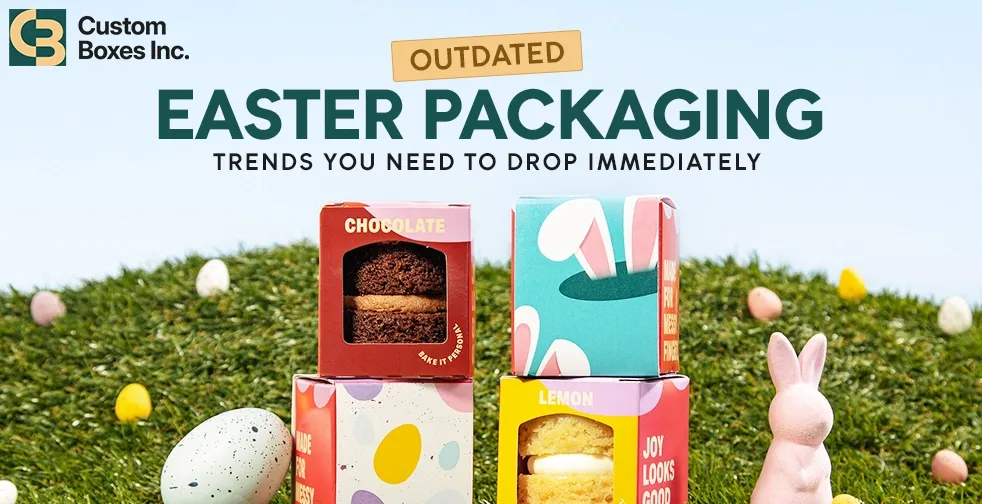
Easter is a wonderful time when you see pastels everywhere, chocolate bunnies lined up on shelves, and gift baskets bursting with treats. But here’s the uncomfortable truth: some brands don’t think about using outdated Easter packaging trends.
Understand the scenario: when brands use outdated packaging for Easter, their products won’t sell, their reputation gets damaged, and customers move to competitors.
This blog post highlights old easter packaging trends that you should drop immediately.
Outdated Easter Packaging Trends
Plastic Easter Grass
Plastic grass has to be the most outdated and hated easter packaging trend brands are still using. Parents hate cleaning it up. Kids eat it by accident. And the planet? Don't even get started.
All this starts when traditional Easter baskets use plastic or synthetic materials, which are hard to recycle. According to research by The Recycling Partnership, 78% of U.S. consumers consult product labels for recycling information to ensure proper disposal.
Rather than using plastic-included materials, use kraft paper or any other material that can be easily recycled. Minimalist baskets are trending nowadays; hence, they can be used on this Easter.
The Oversized Plastic Basket
A bright pink or yellow basket costs little but ends up with recycling issues when easter is gone. Complex packaging is considered a reputational and financial risk, especially for those brands whose target audience is eco-conscious.
Brands often use plastic baskets as “value” offerings, but they don’t have an idea how it would impact their brand. Customers are looking for eco-friendly options rather than spending their precious money on non-recyclable packaging.
A reusable wicker, seagrass, or fabric basket costs a little more upfront but communicates something entirely different. And only those brands’ packaging this Easter that win are the ones whose packaging becomes part of the gift itself.
Multilayer Foil-and-Plastic Candy Wrapping
No doubt, Easter egg wrappers look festive and shiny, but most of them are layered composites of foil and plastic, and they are hard to recycle. In the past, plastic pouches layered with foil or PET/PE were easy to recycle, but now it has become difficult.
In the candy and confectionery industry, multi-layer foil and plastic packaging is still in use, but the pressure to not use it is increasing. Due to rising concerns over using plastic packaging, new regulations and consumer demand are making changes slowly.
And those brands that are not making changes to their packaging will eventually lose customers’ trust this Easter, especially eco-conscious customers.
Generic Cartoon Characters on Everything
Design intelligence should also be considered, and it is a must to come up with something unique. If your Easter packaging has a clip-art bunny in a bowtie or a generic chick hatching from a clip-art egg, you are following others who will not work.
AI is everywhere, and with the help of AI, you can easily generate countless templates, cultural provenance, and authentic storytelling. So, think beyond just using generic cartoon characters on every packaging box.
Which Easter Packaging will win this year? uses tactile finishes, genuine illustration, and visual identities that feel considered. Combine templates with them wisely.
Vague Greenwashing Claims
Eco-friendly, green, or sustainable, if your Easter packaging has one or all of these words without any real substance, you are damaging your customers’ trust. The whole focus has completely shifted from just using these old-school words.
Customers and authorities not only want to see these words on packaging, but they also want real practices that your brand should include in packaging. ‘
Millennials and Gen Z have become remarkably good at spotting hollow sustainability claims. Those who earn loyalty during any holiday make a good customer base.
Ending Remarks!
Easter holiday packaging is at a genuine inflection point. The trends that defined the holiday aisle for the past 20 years are being rejected by consumers who are more informed and more discerning.
Packaging is no longer just a cost. It is a strategic priority, and companies that understand these shifts now will be better positioned to stay compliant, protect their brand, and meet demand.
Easter 2026 is right around the corner. The question isn't whether these changes are coming. It's whether your packaging is ready for them.