

Select dimensions in cm, mm, inches, ml, or oz and more — whatever fits your product.

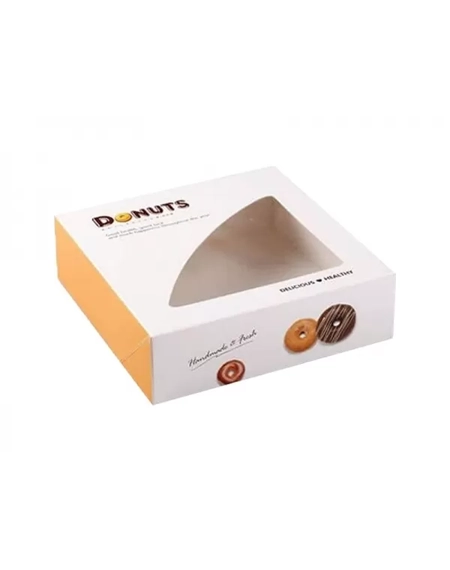
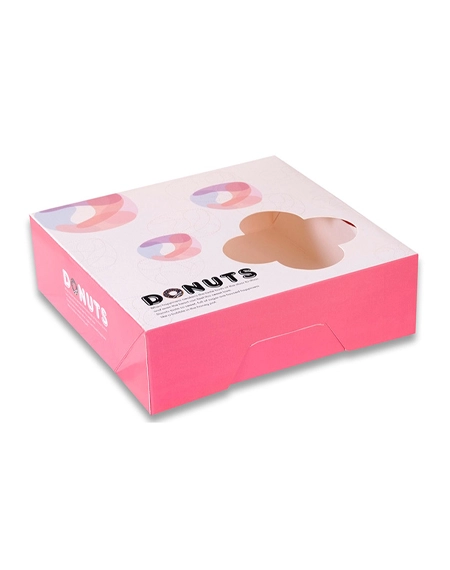
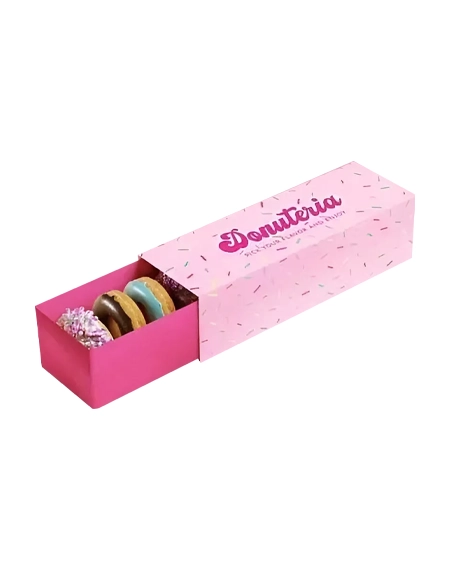
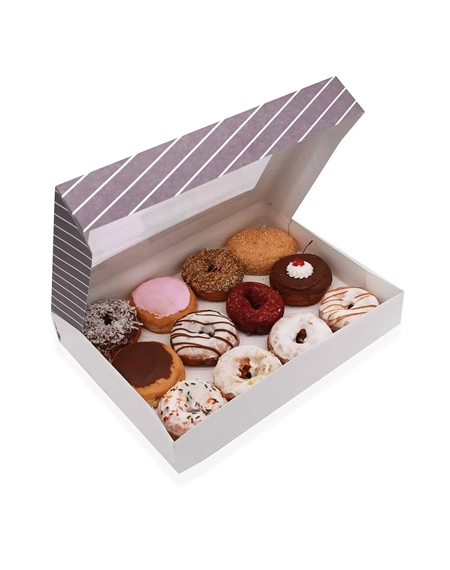
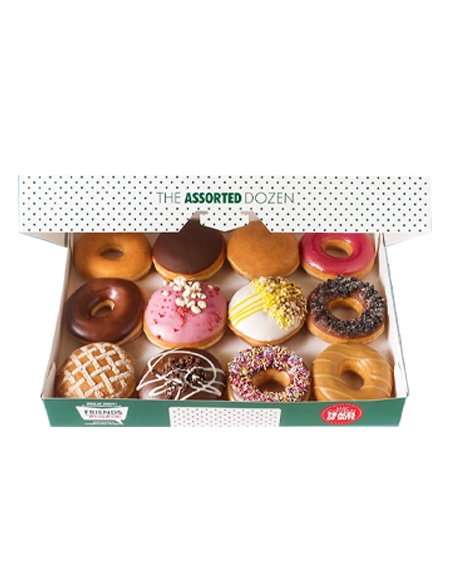
Custom donut boxes package single donuts, half-dozens, assorted dozens, mini donuts, and specialty pastries for bakeries, cafés, food trucks, grocery departments, caterers, and delivery businesses. They provide structured space for glazing, toppings, fillings, and branded presentation while helping products remain arranged during display, pickup, local transport, or event service. Customize the carton around donut diameter, height, count, arrangement, grease exposure, and handling route. Suitable board, window placement, dividers, printing, and closure design can improve visibility, packing consistency, and order identification without crowding delicate toppings. Share product measurements, quantity, artwork status, and delivery needs with Custom Boxes Inc. to receive a project-specific quotation and specification guidance.

Select dimensions in cm, mm, inches, ml, or oz and more — whatever fits your product.

Choose the Stock, printing type, and enter your order quantity.

Upload your ready artwork — or just write “Need Design” and we'll handle it.

Fill in your name, contact number, and email for quick communication.

Solve a quick captcha and hit “Submit Quote” — it takes seconds!

Our expert will reach out ASAP with the best market rate from a top packaging provider.

After You Approve the Quote — Here's What Happens Next


Custom donut packaging supports individual donuts, multi-count assortments, donut holes, filled varieties, mini pastries, and promotional bakery sets. Independent bakeries, café chains, grocery bakeries, caterers, hotels, event suppliers, and delivery-focused brands use these boxes for counter display, pickup, gifting, and local transport. Buyers usually compare pack count, internal height, grease management, window visibility, stacking strength, assembly speed, and printable branding space. The main problem is maintaining an orderly arrangement without letting icing, glaze, sprinkles, or filled surfaces rub against walls or neighboring products. Boxes that are too deep can allow sliding, while low lids may touch decorations. Dividers, trays, and correctly placed openings can improve separation and customer access. Retail cartons should also present flavor, quantity, allergen, storage, and order information clearly. For delivery, the bakery box may need added outer protection based on route, temperature, and handling conditions. A product-specific layout helps staff pack orders consistently during busy service periods.
SBS paperboard provides a smooth white surface for detailed graphics, small text, and bright process color. Natural kraft creates a brown, fiber-visible appearance that suits simpler artwork, although pale inks and photographs reproduce differently on the uncoated base. Folding boxboard can balance rigidity, printability, and relatively low weight for small or medium packs. Corrugated board may be more appropriate for large assortments, catering orders, or delivery-focused packages where the span and filled weight require greater stiffness. Material selection should account for donut count, box footprint, window size, divider load, grease exposure, stacking, and carrying method. A heavier caliper can reduce panel bowing, but it changes creases, locking tabs, folding effort, storage volume, and cost. Direct-contact components, coatings, adhesives, and window films must be suitable for their intended food-contact conditions. Where the box is not verified for direct contact, place donuts on an appropriate liner, tray, or barrier. Confirm the exact stock and contact arrangement before production approval.
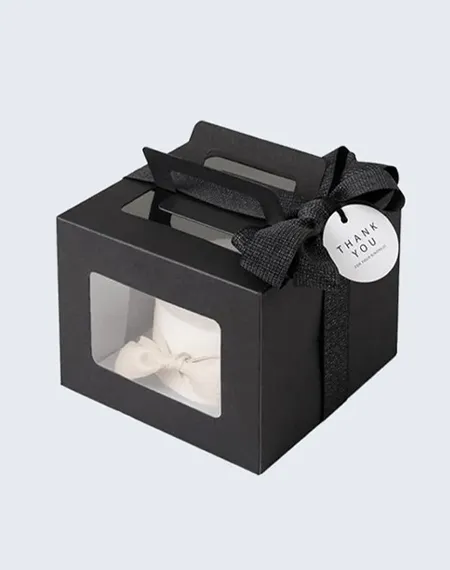
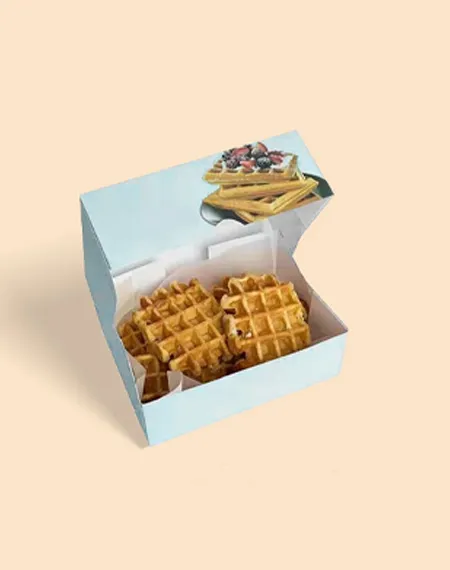
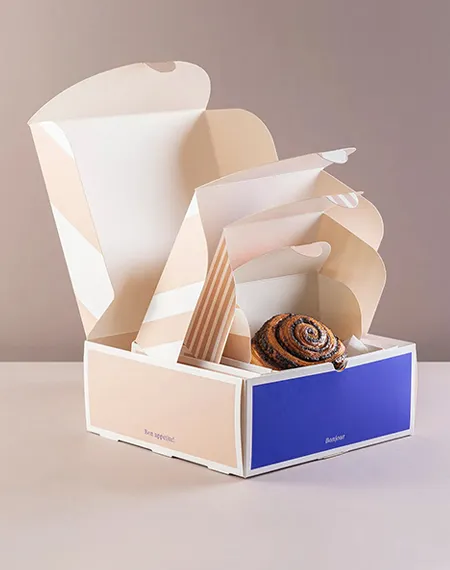
Tuck-top bakery cartons are practical for many half-dozen and dozen packs because they store flat and provide broad panels for branding. One-piece mailer-style boxes add hinged lids and front locks, making them useful for pickup or local delivery when engineered for the filled weight. Two-piece base-and-lid formats simplify top-down loading and gift presentation, while gable boxes add carrying handles for lighter assortments. Die-cut windows reveal product variety but remove structural and printable area. Paperboard dividers, trays, or cells can keep donuts separated, reduce topping contact, and maintain an intentional arrangement. The cavity height must account for raised icing, fillings, decorative pieces, and liners. Openings should allow staff to load and customers to remove products without squeezing soft sides. Retail boxes need stable stacking and visible order labels. Courier shipments may require a corrugated outer carton, cushioning, temperature control, and route-specific handling procedures beyond the presentation box.
Offset printing suits larger donut-box runs that need detailed illustrations, repeated brand colors, and consistent artwork across several pack sizes or locations. Digital printing can support shorter quantities, prototypes, seasonal promotions, and event-specific versions when the selected press and paperboard fit the design. Flexographic printing may suit simplified graphics on corrugated packaging, while screen printing is generally reserved for specialty coverage rather than information-dense retail panels. CMYK builds photographs and broad color ranges; PMS spot colors can specify controlled brand elements under an approved production standard. White ink may improve contrast on kraft or colored stocks, but opacity and registration should be tested. Artwork should include the bakery identity, product count, flavor or assortment details, handling guidance, allergen information when applicable, barcode, and order-label area. Use the approved dieline with adequate resolution, bleed, safe areas, prepared fonts, and clearly separated finish layers. Final color depends on substrate, coating, ink, press controls, and the approved proof.
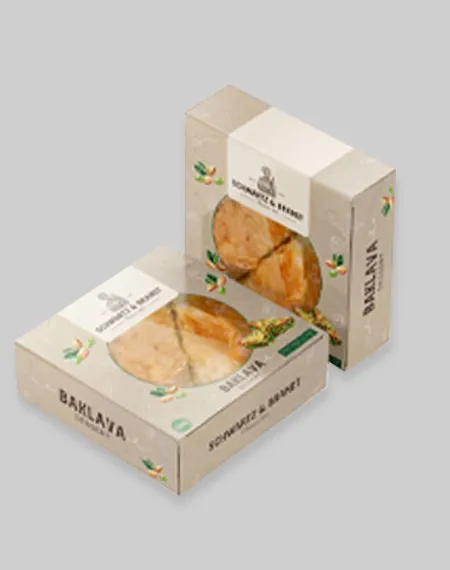
Matte coating can reduce glare and support restrained bakery branding, while gloss coating increases reflectivity and can strengthen colorful product photography. Aqueous coating may provide light scuff resistance on compatible paperboard, but grease and moisture performance must be evaluated for the intended use. Foil stamping can emphasize a logo or seasonal message, and embossing or debossing adds physical relief when the board and fold placement permit it. Spot UV creates selective shine over suitable printed or laminated surfaces. Die-cut windows improve visibility, although they reduce enclosure, printable area, and some panel strength. Vent openings may help release heat or condensation in specific packing situations, but their need depends on the product and route. Dividers and trays separate flavors, protect toppings, and organize assortments. Handles, locking tabs, and tear features should be engineered around the box weight and customer use. Choose enhancements after dimensions, food-contact arrangement, packing speed, stacking, and delivery conditions are approved.
Measure each finished donut at its maximum diameter or width, total height, and approximate weight, including icing, toppings, liners, and decorative pieces. Record the desired count, row arrangement, flavor separation, and whether products may vary between batches. Internal dimensions should allow practical loading and removal without excessive sliding; external dimensions change with board caliper, folds, seams, handles, windows, and structural style. The approved dieline should identify cuts, creases, glue areas, locking tabs, vents, windows, bleed, safe zones, and panels reserved for labels or food information. Artwork must use that exact version because dimension changes can shift copy, barcodes, or window edges across folds. Digital proofs help confirm content and placement, while structural prototypes help evaluate fit, lid clearance, divider performance, stacking, assembly, and removal. Production tolerances depend on material, machinery, and box construction, so acceptance criteria should follow the approved specification. For product ranges, map shared footprints, height differences, assortment counts, artwork versions, and location-specific labels before production begins.
Donut boxes help protect icing, glaze, sprinkles, and soft surfaces from dust, incidental contact, and movement during counter service or local transport. Performance depends on the board, base stiffness, closure, divider layout, product temperature, and how the box is carried. Warm products can create condensation, while oils, fillings, and glazes may stain or soften unsuitable paper, coatings, adhesives, or window areas. Use an appropriate liner, tray, or verified barrier when direct contact or grease exposure requires it. Large assortments need stable bases and internal separation to prevent crushing or topping transfer. For delivery, combine the retail carton with outer protection and handling controls suited to the route. Right-sizing reduces empty volume and material while preserving loading clearance. Claims involving recycled content, certified fiber, recyclability, compostability, or food contact require documentation for the exact board, coating, adhesive, film, and intended conditions. Removable components should be separated where practical.
Begin the quotation request with donut dimensions, pack count, filled weight, assortment layout, box quantity, preferred structure, material, printing, windows, dividers, and delivery destination. Share product samples, photographs, or drawings when raised toppings, unusual shapes, liners, or batch variation affect fit. Custom Boxes Inc. can review the submitted information, identify missing specifications, and prepare a proposed configuration and quotation. Before production, confirm the dieline, artwork, color references, food-contact arrangement, materials, proof type, packing method, and acceptance criteria. Quality checks may cover dimensions, cuts, creases, locks, glue integrity, base stiffness, divider fit, window alignment, print registration, finish placement, barcode readability, quantity, and final packing. After approval, production and inspection proceed according to the accepted specification before delivery arrangements are completed. Request your custom donut box quote through the inquiry form, call (833) 565-0363, or email inquiry@customboxesinc.com with your project details.



Answers to Help You Order with Confidence
Common options include SBS paperboard, kraft paperboard, folding boxboard, and corrugated board for heavier or larger packs. The right choice depends on donut count, box span, filled weight, window size, grease exposure, printing needs, and delivery conditions. Confirm any direct-contact components or liners for their intended food-contact use before production.
Measure each finished donut at its widest point and total height, including icing, toppings, liners, or decorative pieces. Also provide the desired pack count, row arrangement, approximate filled weight, and expected size variation. These details help determine internal clearance, divider layout, lid height, box footprint, and practical loading access.
Yes, windows, dividers, trays, and handles can be incorporated when the structure supports them. Windows improve visibility but reduce board area, while dividers separate toppings and flavors. Handles must be engineered around the complete filled weight. A structural prototype may be useful when several features interact or the package will be carried.
Provide production-ready artwork on the approved dieline in a suitable vector or high-resolution format. Include bleed, safe areas, prepared fonts, linked images, color references, barcodes, order-label zones, and separate layers for windows or finishes. Review product counts, assortment names, allergen information, handling instructions, and bakery details before approving the final proof.
Yes, a digital proof can confirm copy, panel placement, color references, barcode position, window locations, and finish layers before approval. A structural prototype or physical sample may be appropriate when donut fit, divider performance, lid clearance, stacking, grease exposure, or carrying strength requires evaluation beyond a screen-based review.
Custom Boxes Inc is a leading manufacturer and supplier of custom packaging boxes tailored for every product and industry. From startups to global brands, we empower businesses across the USA with cost-effective, high-quality, fully personalized packaging solutions — crafted with precision, delivered with speed. Whether you need eco-friendly cardboard boxes, rigid luxury boxes, or branded retail-ready display packaging — we've got you covered with endless customization options, low MOQs, and lightning-fast turnarounds.