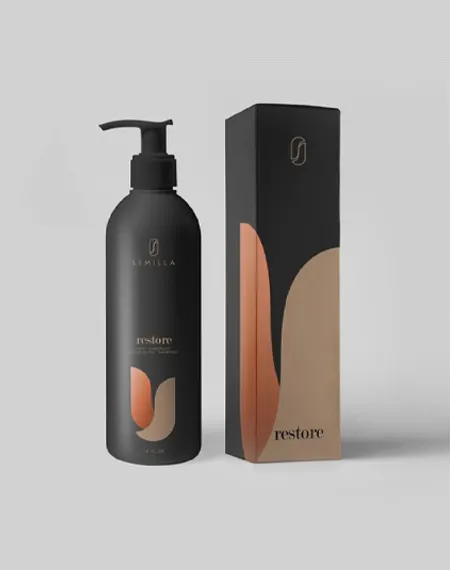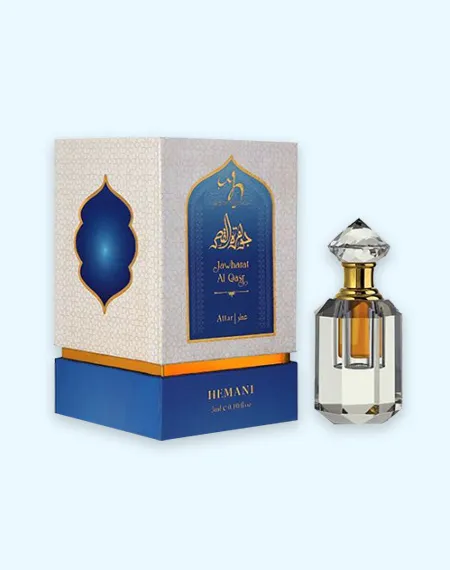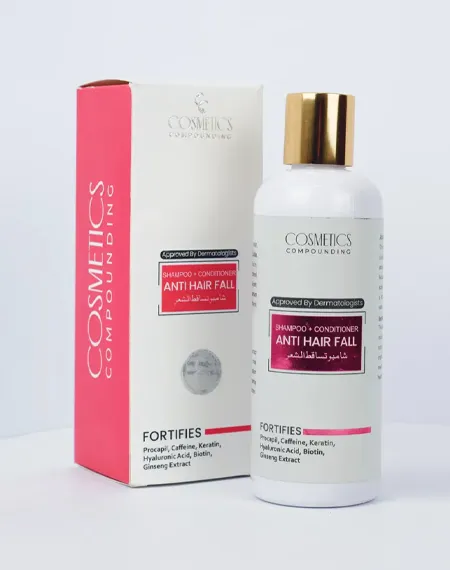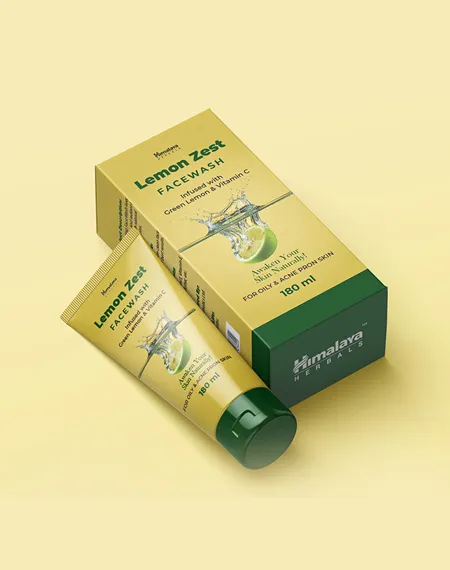


Select dimensions in cm, mm, inches, ml, or oz and more — whatever fits your product.

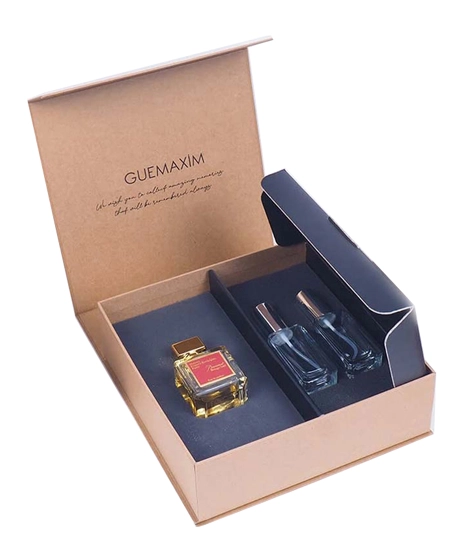
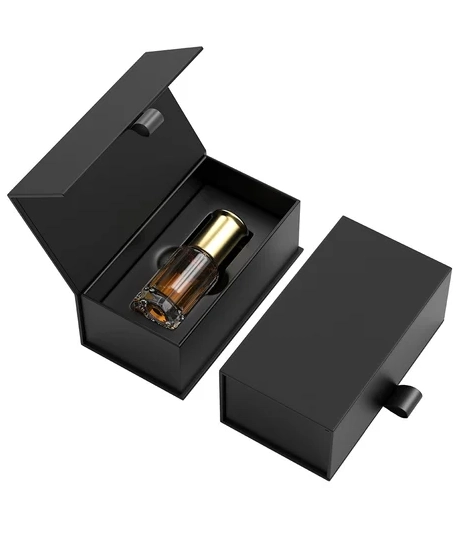
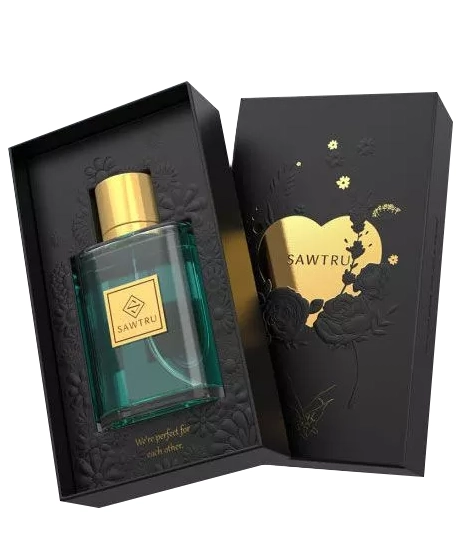
Custom perfume sampler boxes organize miniature spray vials, dabber samples, rollerballs, and small fragrance bottles into guided discovery experiences for niche perfumers, beauty retailers, subscription services, hotels, events, gifting programs, and direct-to-consumer launches. They help customers compare scent families, follow testing sequences, identify each formula, and store samples between wears. Customize the vial count, insert geometry, box structure, opening sequence, scent map, printing, finishes, cards, vouchers, and shipping system around the actual containers and campaign. Custom Boxes Inc. can translate those details into a fitted discovery kit that supports presentation, version control, and fulfillment without claiming the carton prevents leakage or controls fragrance stability. Share samples, quantities, artwork status, and delivery requirements to begin.

Select dimensions in cm, mm, inches, ml, or oz and more — whatever fits your product.

Choose the Stock, printing type, and enter your order quantity.

Upload your ready artwork — or just write “Need Design” and we'll handle it.

Fill in your name, contact number, and email for quick communication.

Solve a quick captcha and hit “Submit Quote” — it takes seconds!

Our expert will reach out ASAP with the best market rate from a top packaging provider.

After You Approve the Quote — Here's What Happens Next


Perfume sampler packaging serves fragrance houses, indie perfumers, private-label brands, beauty retailers, subscription companies, hotels, wedding programs, influencers, and promotional teams introducing customers to several scents before a full-size purchase. The package should do more than hold vials. It should establish a testing order, identify scent families, explain concentration or usage, and give customers a practical place to return samples between wears. A discovery set may contain one house collection, a seasonal edit, a personalized selection, or a voucher-based program linked to a later bottle purchase. Buyers therefore need to define the sampling objective, vial count, scent sequence, sales channel, gift position, and follow-up action before choosing materials or decoration. Clear navigation reduces confusion when miniature labels are difficult to read, while an organized insert keeps every sample associated with the correct name, number, or card. The carton should support discovery, education, storage, and reorder behavior as one connected experience.
White SBS paperboard supports fine typography, delicate gradients, fragrance illustrations, and accurate visual separation across compact discovery sets. Natural kraft creates a fiber-visible appearance for botanical, artisan, or minimalist brands, although pale inks and small reversed text may need a contrast strategy. Folding boxboard can balance stiffness, printability, and lower weight for flat-packed sampler cartons. Rigid board can create a keepsake presentation for premium launches, gifting, or voucher programs, but it increases material, assembly, storage, and freight. Microflute corrugated board is better suited to subscription mailers, press kits, or outer shipping systems that need additional panel support. Material selection should follow vial count, glass weight, insert span, box depth, opening method, print requirements, and delivery route. Coatings, wraps, adhesives, foams, films, ribbons, and magnets can change gluing, recovery, and storage behavior. Any cosmetic-contact or environmental claim requires evidence for the exact construction, supplier documentation, and intended use rather than a generic material description.
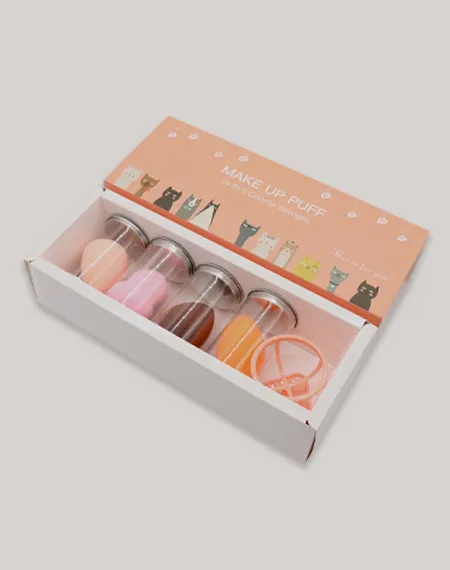
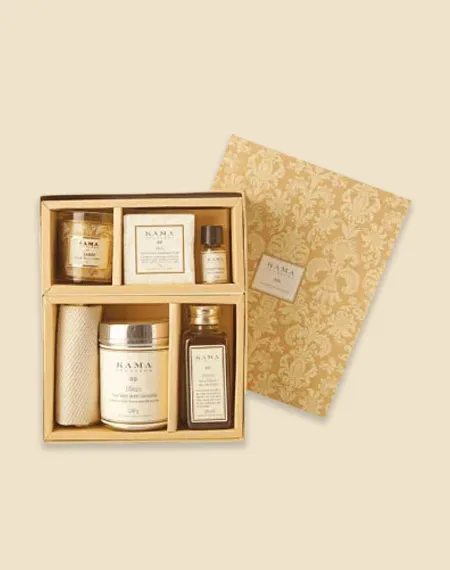
A compact folding carton with a die-cut paperboard insert can present several spray vials while storing flat before assembly. Sleeve-and-tray formats create a controlled reveal and keep scent names aligned with cavities. Drawer boxes support repeated opening during multi-day testing, while book-style rigid boxes provide space for notes, instructions, vouchers, and storytelling beside the samples. Accordion folders or carded vial systems can reduce depth for mailings and promotional distribution. Subscription kits may use a compact corrugated mailer with a removable presentation tray. The insert must match vial diameter, cap shape, atomizer height, label location, and removal method. Cavities should hold stable container surfaces without pressing spray pumps, crimp collars, caps, or fragile glass edges. A scent card may sit above the vials, beneath a lid, or inside a pocket, depending on the intended opening sequence. Retail presentation packaging is not automatically suitable for parcel shipment; fragrance orders may require separate compliant secondary containment and sturdy outer packaging.
Discovery packaging must help customers remember which fragrance they wore, when they wore it, and what they noticed. A numbered or named sequence can connect each vial cavity to a scent card, blotter guide, QR destination, or voucher. Families may be organized by floral, woody, fresh, amber, gourmand, season, concentration, or collection theme, but the hierarchy should remain understandable without relying only on color. Offset printing supports larger coordinated programs with fine copy and controlled repeated colors. Digital printing can support launch quantities, personalized selections, retailer editions, subscriptions, and frequent assortment changes. CMYK reproduces photography, illustration, and gradients, while spot colors can anchor permanent brand cues under an approved production standard. Compact copy needs adequate contrast, safe spacing, and consistent naming across the vial, insert, carton, card, and ecommerce listing. Artwork should reserve areas for product identity, net quantity, ingredients, business information, warnings, batch details, and barcodes where applicable. FDA does not preapprove cosmetic labeling.
Perfume sampler boxes benefit from restraint because miniature vials, scent names, and storytelling already compete for attention. Matte or soft-touch surfaces can support quiet luxury positioning, while gloss can intensify color and photography. Foil stamping may highlight a fragrance house, collection name, voucher, or numbered edition. Embossing and debossing add relief when the board, wrap, insert, and score locations permit a clean impression. Spot UV can create selective contrast over compatible printed surfaces. Ribbons, pull tabs, card pockets, blotter holders, and magnetic closures can shape the discovery ritual, but each component adds assembly, storage, freight, and recovery considerations. Transparent windows reveal vial colors or labels but reduce printable area and may expose the set to more light. A refill voucher or promotional code should remain separate from required cosmetic information and easy to validate operationally. Choose one dominant tactile or visual idea, then protect vial access, scent navigation, barcode scanning, and repeated opening throughout the design.
Begin with production vials or representative samples rather than nominal milliliter capacity. Measure maximum body diameter, overall height, cap width, atomizer projection, crimp collar, label thickness, base shape, filled weight, and any protective sleeve. Record whether each container is glass, plastic, a spray vial, dabber, rollerball, or miniature bottle. Then define vial count, row arrangement, display angle, scent order, finger access, card thickness, voucher size, ribbon path, and allowable movement. Internal dimensions should permit loading and removal without pressing pumps or allowing vials to collide. External dimensions change with board caliper, rigid wraps, hinges, drawers, inserts, magnets, and tolerances. The approved dieline should identify cuts, creases, glue areas, cavities, pockets, windows, bleed, safe zones, barcodes, and variable fields. Digital proofs confirm content and scent order, while structural prototypes test fit, removal, box balance, opening sequence, storage, and pack-out. Build a version matrix for collection, vial size, concentration, language, retailer, voucher, barcode, quantity, and revision before production.
The primary vial, closure, crimp, pump, and label manage fragrance containment; the sampler box organizes those containers and protects them from abrasion, collision, crushing, dust, and presentation disorder. Inserts should stabilize vial bodies without loading caps, atomizers, or glass necks. A leaking sample can stain paperboard, soften adhesives, damage neighboring labels, and confuse the scent sequence, so closure integrity and secondary containment require separate review. Alcohol-based perfume may be regulated as hazardous material during transportation. USPS states that perfume is restricted in the mailstream and requires specific domestic transport, packaging, marking, and quantity controls. The decorative discovery box should therefore sit inside a shipment system developed for the actual formula, receptacles, carrier, destination, and service. Right-sizing can reduce empty space and material while keeping removal practical. Recyclable, recycled-content, certified-fiber, reusable, and reduced-plastic claims need evidence for the complete construction, including insert, wrap, laminate, magnets, ribbon, and shipping components.
Prepare the quotation with physical vials, maximum dimensions, filled weights, container materials, closure types, vial count, scent sequence, target quantity, sales channel, box preference, insert concept, cards, vouchers, printing, finishes, and delivery destination. Explain whether the set supports retail discovery, ecommerce sampling, subscriptions, gifting, press outreach, hotels, weddings, or full-size conversion. Custom Boxes Inc. can review the packaging brief, identify missing structural or prepress decisions, and organize a proposed dieline and proofing path. Before production, approve vial orientation, cavity fit, material, opening sequence, artwork, scent order, cosmetic information, barcode data, voucher rules, proof type, version quantities, case pack, and acceptance criteria. Quality checks may address dimensions, insert registration, cavity fit, closure function, print alignment, foil placement, barcode readability, scent version sorting, counts, and protective packing. Request your custom perfume sampler box quote through the inquiry form, call (833) 565-0363, or email inquiry@customboxesinc.com with the project details.


Answers to Help You Order with Confidence
Folding cartons with paperboard inserts suit compact and volume-sensitive programs, while sleeve-and-tray or drawer boxes support repeated opening during testing. Rigid book-style boxes provide more room for storytelling, cards, and vouchers. The correct format depends on vial count, presentation level, fulfillment route, storage expectations, and budget.
Measure maximum body diameter, total height, cap width, atomizer projection, crimp collar, label thickness, base shape, and filled weight. Identify the container material and removal method. For complete sets, also define vial count, row order, finger access, card thickness, display angle, and allowable movement before design.
Yes. Cards can explain fragrance notes, testing order, concentration, application, and full-size options. Voucher pockets or printed codes can support later purchases when the promotion is operationally defined. The insert and box should reserve space without pressing vials, hiding required information, or disrupting the opening sequence.
Applicable information may include product identity, net quantity, ingredient declaration, business name and address, warnings, and other statements required for the exact product and market. FDA regulates cosmetic labeling but does not preapprove labels. The fragrance brand should complete qualified regulatory review before approving miniature containers, cards, and outer packaging.
The presentation box can be part of the shipment, but it may not satisfy transportation requirements by itself. Alcohol-based perfume can be regulated as hazardous material. The shipper must review the formula, receptacles, quantities, carrier, destination, secondary containment, cushioning, outer packaging, markings, and authorized service before dispatch.
Custom Boxes Inc is a leading manufacturer and supplier of custom packaging boxes tailored for every product and industry. From startups to global brands, we empower businesses across the USA with cost-effective, high-quality, fully personalized packaging solutions — crafted with precision, delivered with speed. Whether you need eco-friendly cardboard boxes, rigid luxury boxes, or branded retail-ready display packaging — we've got you covered with endless customization options, low MOQs, and lightning-fast turnarounds.