

Select dimensions in cm, mm, inches, ml, or oz and more — whatever fits your product.

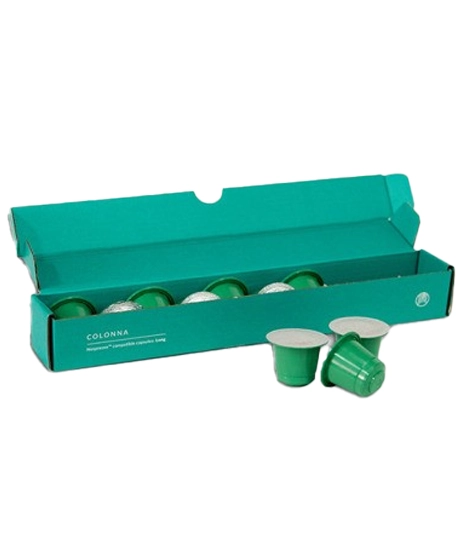
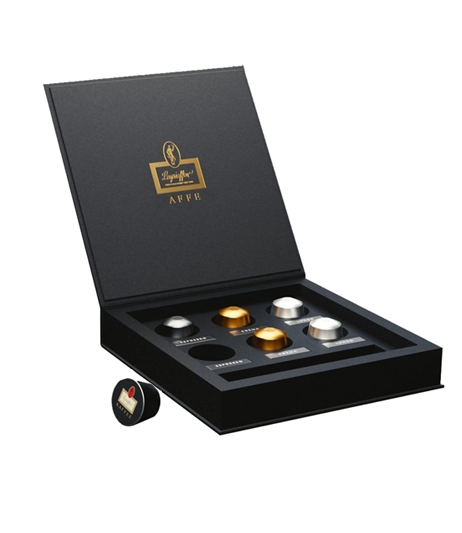
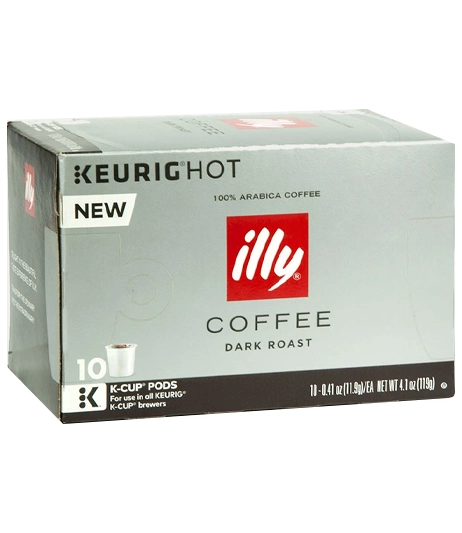
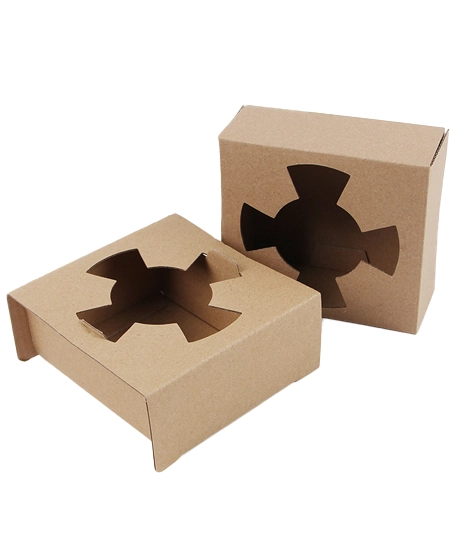
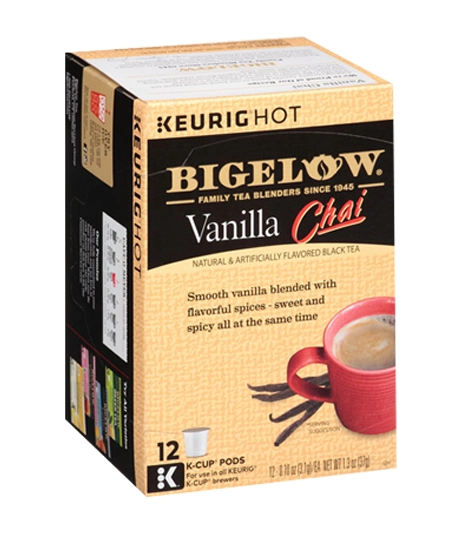
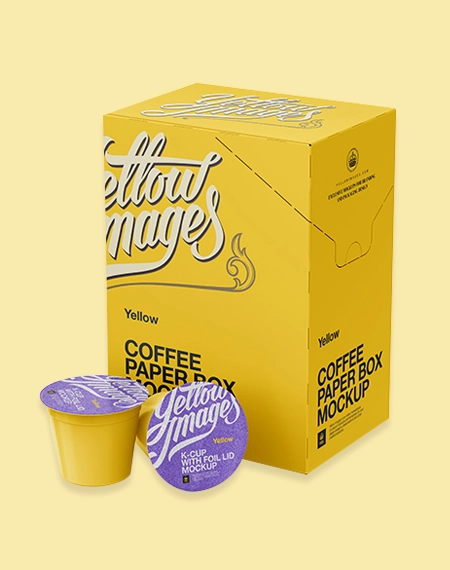
Custom coffee pod boxes organize single-serve capsules for roasters, private-label coffee brands, cafés, retailers, hotels, offices, and subscription programs. These folding cartons or presentation boxes can hold one pod format, assorted flavors, tasting sets, or larger replenishment packs while providing dedicated panels for roast details, brewing guidance, compatibility information, and brand graphics. Customize the box around capsule diameter, rim profile, pack count, arrangement, and distribution channel rather than relying on a generic cavity. Structural dividers, dispensing openings, color-coded variants, and properly planned information panels can improve packing consistency and product selection. Share pod samples, measurements, artwork status, quantity, and desired opening style so Custom Boxes Inc. can prepare a practical quotation.

Select dimensions in cm, mm, inches, ml, or oz and more — whatever fits your product.

Choose the Stock, printing type, and enter your order quantity.

Upload your ready artwork — or just write “Need Design” and we'll handle it.

Fill in your name, contact number, and email for quick communication.

Solve a quick captcha and hit “Submit Quote” — it takes seconds!

Our expert will reach out ASAP with the best market rate from a top packaging provider.

After You Approve the Quote — Here's What Happens Next


Coffee pod boxes are secondary packages that group sealed single-serve capsules into retail, hospitality, office, sampler, and subscription quantities. Coffee roasters, private-label brands, co-packers, cafés, grocery suppliers, hotels, and promotional buyers use them to present one roast or several flavor variants in an organized format. A carton may support K-Cup-style pods, Nespresso-compatible capsules, soft pods, or proprietary formats, but the internal layout must follow the actual capsule geometry and machine-compatibility claim. Retail buyers prioritize shelf communication, count visibility, barcode placement, and stable stacking. Ecommerce programs also need the presentation box to work with an outer shipping carton when parcel handling requires additional protection. The main packaging challenge is preventing capsules from rolling, nesting incorrectly, or rubbing while keeping the pack efficient to fill and easy to use. A product-specific structure can separate varieties, guide removal, and preserve a consistent arrangement from packing through customer use.
SBS paperboard suits coffee pod cartons that need a smooth white surface, detailed roast imagery, fine text, and strong color contrast. Natural kraft provides a brown, fiber-visible appearance for simpler graphics, although pale inks and photographs reproduce differently unless the artwork accounts for the substrate. Folding boxboard can balance stiffness, printability, and lower weight for individual retail packs, depending on the available grade. Corrugated board is more appropriate for large counts, subscription assortments, display-ready packs, or outer shipping protection than for every small capsule carton. Stock selection should reflect capsule count, total weight, panel span, divider load, opening style, and stacking conditions. A heavier caliper can reduce bowing, yet it also changes creases, locks, glue areas, and shipping weight. Uncoated papers may show scuffing, coffee dust, or handling more readily; coated surfaces usually support sharper graphics but can complicate the desired natural look. Confirm the exact grade, caliper, coating, and food-contact arrangement because the box normally surrounds already sealed pods rather than directly containing coffee.
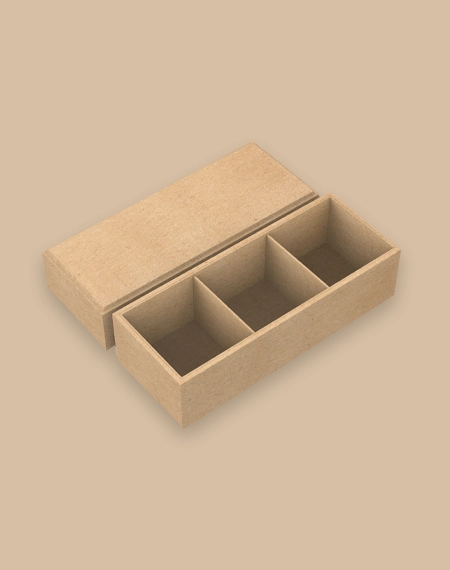
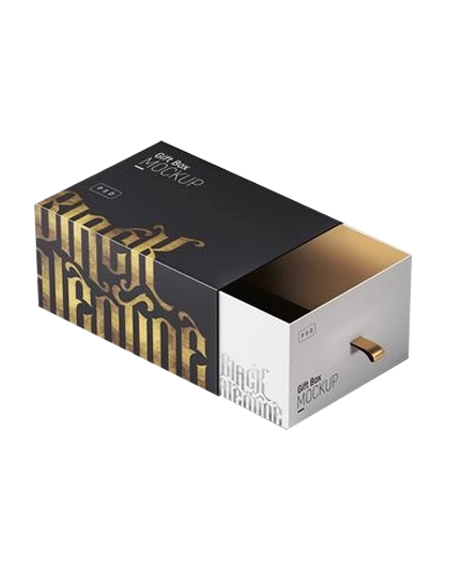
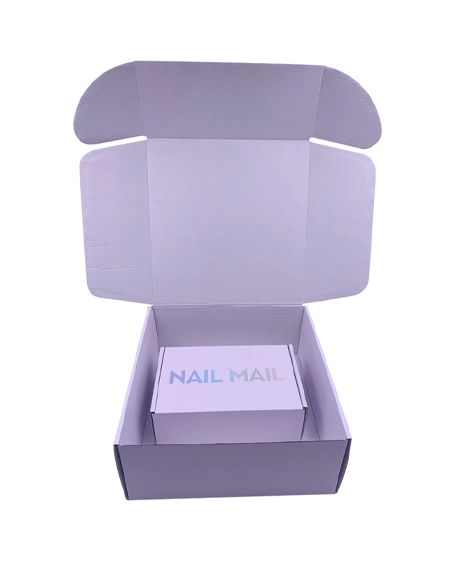
Straight-tuck and reverse-tuck cartons work for compact pod counts because they ship flat, offer broad printable panels, and close through familiar end flaps. Auto-bottom or seal-end cartons can add base support for heavier multipacks when engineered around the filled weight. Sleeve-and-tray formats create a controlled reveal, while dispenser boxes allow repeated access through a perforated or die-cut opening. Display cartons can convert into counter or shelf presentation, and mailer-style corrugated boxes may suit subscriptions or mixed tasting kits. Internal paperboard dividers, grids, or die-cut holders keep capsules in rows, separate flavors, and reduce movement. The cavity must account for cup diameter, rim width, height, lid surface, and nesting behavior; pods that look similar may not share identical dimensions. Openings should let customers remove capsules without bending foil lids or crushing sidewalls. Retail structures need barcode and labeling space, while ecommerce packaging may require a separate shipper, cushioning, or stronger board after distribution testing.
Offset printing suits larger coffee pod runs that require detailed illustrations, consistent versioning, and repeated color across several roast or flavor cartons. Digital printing can support shorter quantities, test launches, seasonal assortments, or frequent artwork changes when the press and stock fit the design. Flexographic printing may be appropriate for selected corrugated or high-volume applications, while screen printing is generally reserved for specialty coverage rather than dense retail information. CMYK builds photographs and broad color ranges; PMS spot colors can define controlled brand elements under an approved production standard. White ink may improve contrast on kraft or dark stocks, but opacity and registration should be tested. Artwork should distinguish roast, flavor, caffeine status, pod count, machine compatibility, brewing directions, barcodes, date or lot areas, and any required food information without crowding panels. Use the approved dieline, sufficient image resolution, bleed, safe areas, and prepared fonts. The coffee brand remains responsible for validating labeling, compatibility, claims, and regulatory content before production.
Matte coating can reduce glare and support restrained specialty-coffee branding, while gloss coating increases reflectivity and can strengthen illustrated flavor cues. Aqueous coating may add light scuff resistance on compatible paperboard. Soft-touch lamination creates a tactile finish for gift or premium assortments, although handling marks and component separation should be evaluated. Foil stamping can emphasize a logo, origin, roast name, or limited-edition detail without covering the entire carton. Embossing or debossing adds relief where the board, artwork, and fold placement allow a clean impression. Spot UV creates selective contrast over a suitable printed or laminated surface. Die-cut windows can reveal capsule colors or variety arrangements, but they reduce printable area and enclosure. Paperboard grids, trays, and dividers organize pods, while tear strips or perforated dispenser openings can simplify repeated access. Hang tabs may support peg display for light packs when structurally tested. Select enhancements only after pod fit, labeling space, packing speed, and retail handling are resolved.
Measure the actual capsule at its maximum cup diameter, rim diameter, total height, lid projection, base shape, and filled weight. Record the pod count, row arrangement, flavor sequence, and whether capsules may nest, rotate, or sit in individual cavities. Include dividers, trays, information cards, sachets, or promotional components that share the box. Internal dimensions should provide practical loading and removal clearance, while external dimensions change with board caliper, folds, glued seams, and structural style. The production dieline should identify cuts, creases, glue areas, dust flaps, locking tabs, perforations, windows, bleed, safe zones, and panels reserved for required information. Artwork must use the approved version because a small layout change can shift compatibility copy, barcodes, or flavor coding across a fold. Digital proofs help check content and placement; structural prototypes help evaluate fit, dispensing, stacking, and customer access. Tolerances depend on materials, machinery, and construction, so acceptance criteria should follow the selected specification. Map shared structures and version-specific artwork before producing multiple roasts, flavors, or pack counts.
The sealed coffee pod or capsule is the primary package that manages direct product containment; the outer paperboard box mainly organizes, presents, and protects those units from handling damage. A close-fitting carton and properly designed dividers can reduce rolling, lid abrasion, rim deformation, and mixed-variety disorder. Larger packs need attention to stacking load, panel bowing, closure security, and the way capsules transfer weight through internal grids. Ecommerce orders should pair the retail carton with an outer shipper and cushioning suited to the route rather than assuming a folding carton is parcel-ready. Right-sizing can reduce empty volume, board use, and freight space while preserving practical loading and removal. Paperboard dividers may simplify material separation when they use compatible components, but windows, laminations, metallic decorations, adhesives, and mixed-material inserts can change local recovery options. Recycled content, certified fiber, recyclability, compostability, and other environmental claims require documentation for the exact specification and intended market.
Prepare the quotation request with capsule samples or drawings, maximum dimensions, filled weight, pod count, arrangement, machine-compatibility wording, number of flavors, preferred box style, paperboard, printing, finishes, and delivery destination. Note whether the carton needs dividers, a dispenser opening, a retail window, date coding, or separate information panels. Custom Boxes Inc. can review the submitted details, identify missing specifications, and develop a proposed configuration for approval. Before production, confirm the dieline, artwork, color references, materials, proof type, pack-out method, and acceptance criteria. Quality checks may cover dimensions, cuts and creases, glued seams, closures, perforations, divider fit, capsule removal, print registration, finish placement, barcode readability, quantity, and final packing against the approved specification. Request your custom coffee pod box quote through the inquiry form, call (833) 565-0363, or email inquiry@customboxesinc.com with your pack count, target quantity, and artwork status.
Trusted by roasters across America.



Answers to Help You Order with Confidence
Common options include SBS paperboard, kraft paperboard, folding boxboard, and corrugated board for larger packs. The best choice depends on capsule count, filled weight, panel span, print requirements, opening style, and distribution conditions. Because the capsules are already sealed, the outer carton typically serves organization, presentation, and handling protection rather than direct coffee containment.
Measure the actual capsule at its widest rim, cup diameter, total height, lid projection, and filled weight. Also provide the pack count, row arrangement, and whether capsules nest or rotate. Include any divider, tray, card, or promotional component so the internal dimensions allow practical packing, removal, and dispensing.
Yes, paperboard grids, dividers, trays, and perforated dispenser panels can organize capsules and simplify access. The structure should be planned around pod diameter, rim width, lid sensitivity, pack count, and customer use. A prototype may be helpful when the box must dispense smoothly while keeping the remaining capsules aligned.
Provide production-ready artwork on the approved dieline using suitable vector or high-resolution files. Include bleed, safe areas, prepared fonts, linked images, color references, barcodes, date-code zones, and separate finish layers. Machine-compatibility wording, roast names, pod counts, brewing instructions, and required food information should be reviewed before approval.
Yes, a digital proof can confirm copy, panel placement, color references, compatibility statements, barcodes, and finish locations before production approval. A structural prototype or physical sample may be appropriate when capsule fit, divider performance, dispensing, stacking, or board appearance requires evaluation beyond a screen-based proof. Confirm available proofing options during quotation.
Custom Boxes Inc is a leading manufacturer and supplier of custom packaging boxes tailored for every product and industry. From startups to global brands, we empower businesses across the USA with cost-effective, high-quality, fully personalized packaging solutions — crafted with precision, delivered with speed. Whether you need eco-friendly cardboard boxes, rigid luxury boxes, or branded retail-ready display packaging — we've got you covered with endless customization options, low MOQs, and lightning-fast turnarounds.