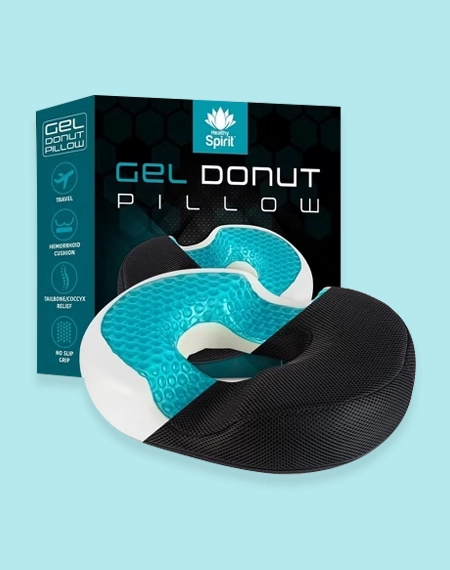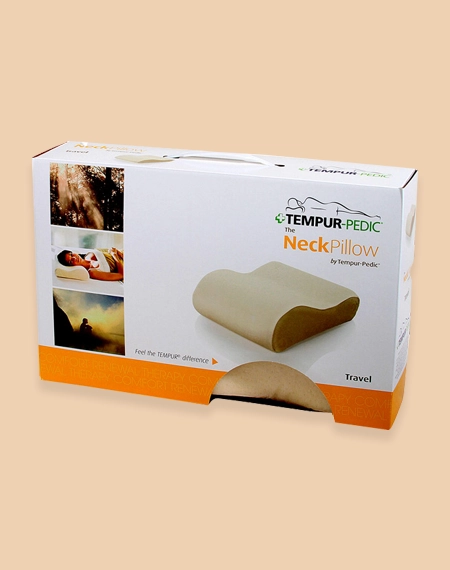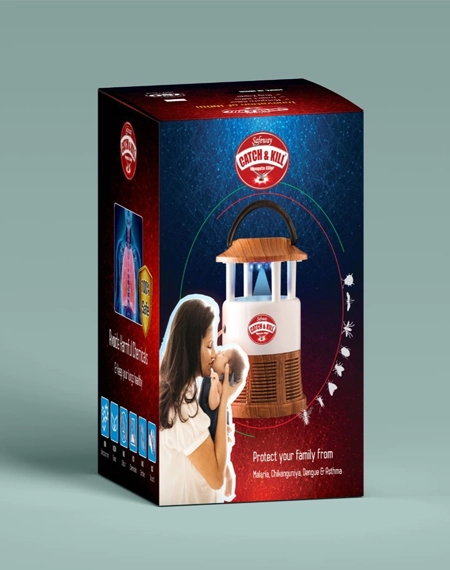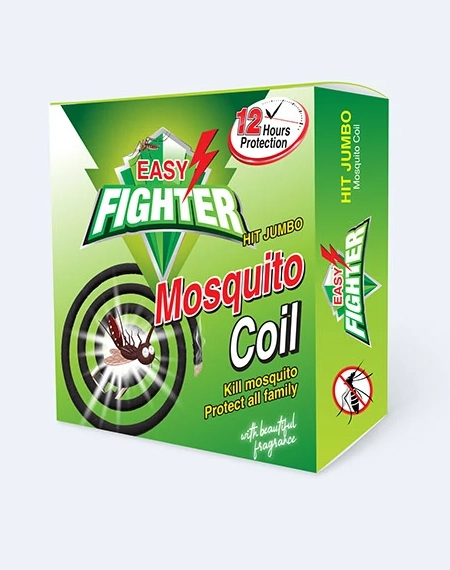


Select dimensions in cm, mm, inches, ml, or oz and more — whatever fits your product.

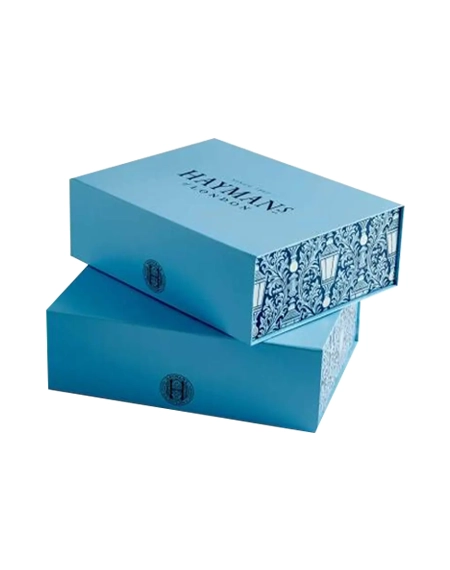
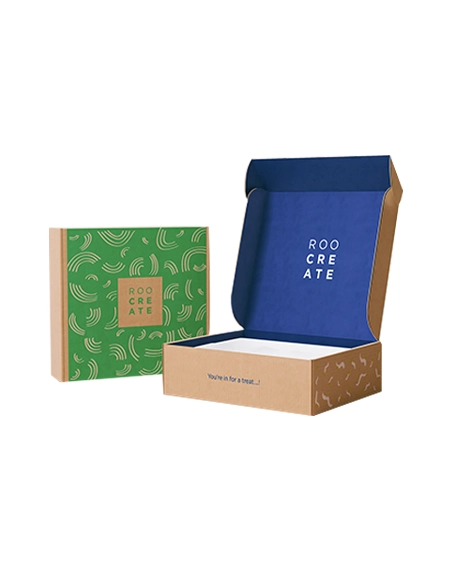
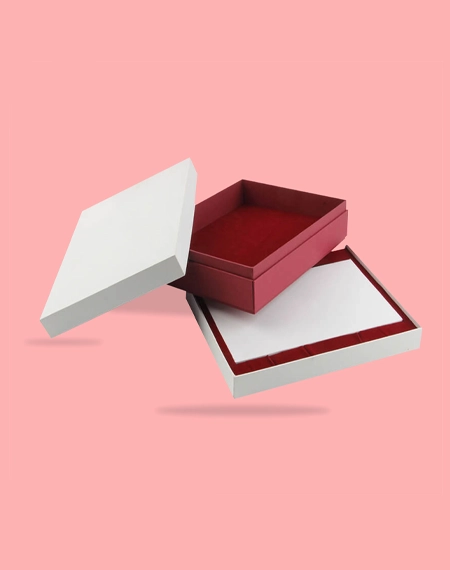
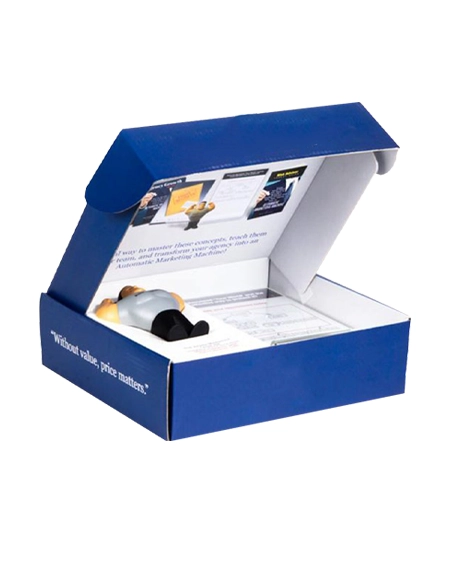
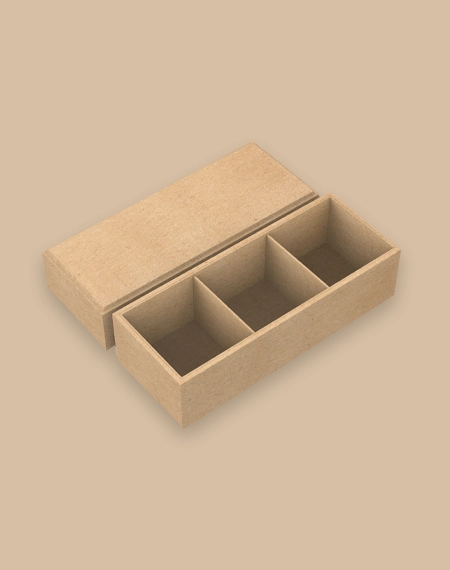
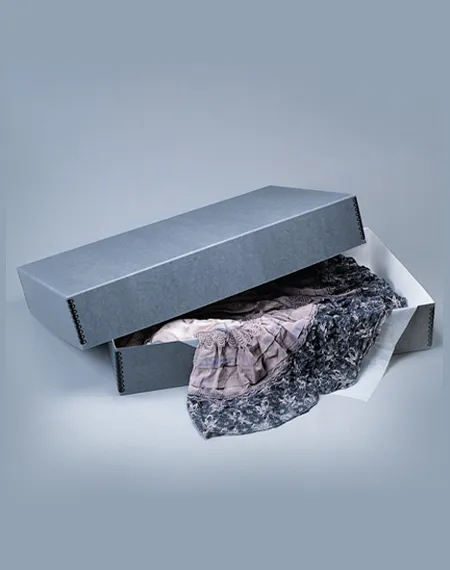
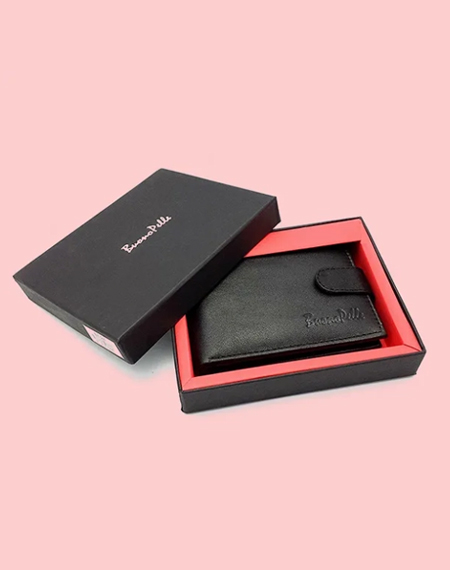
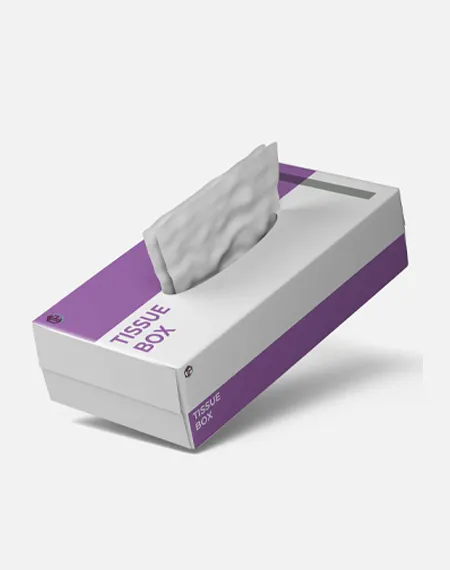
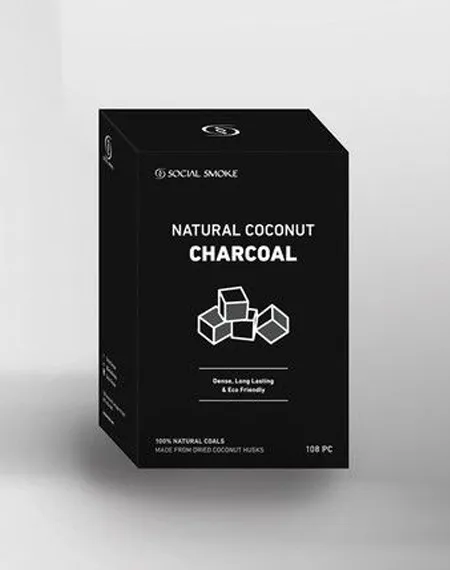
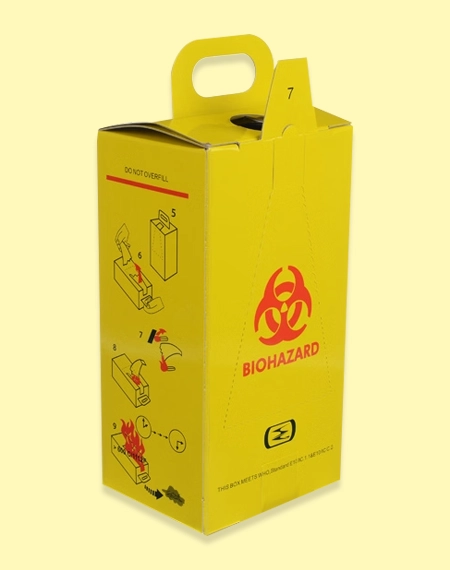
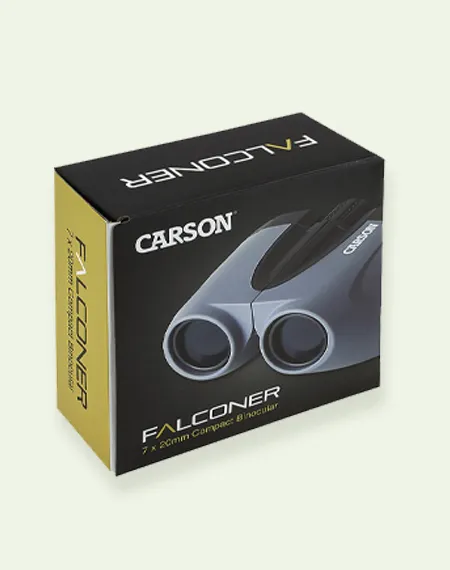
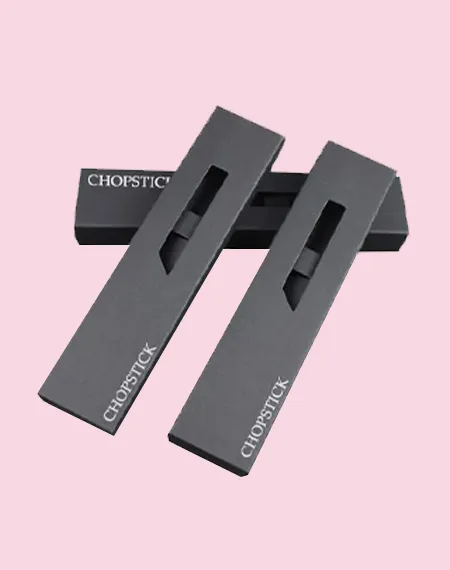
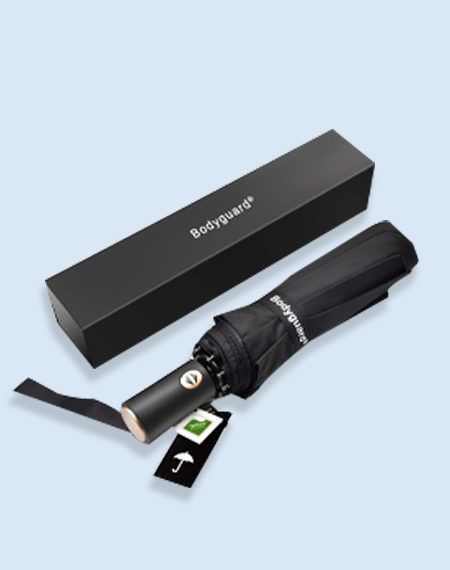
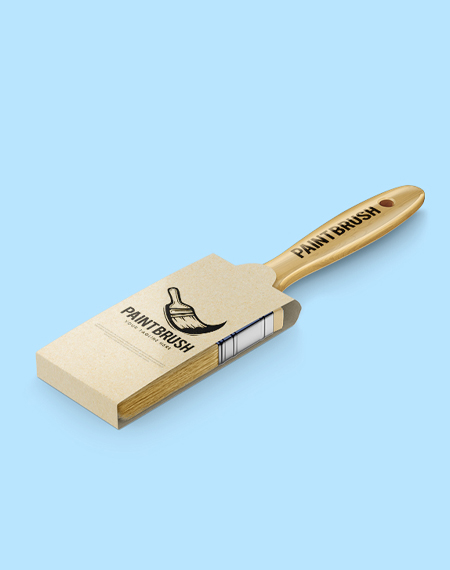
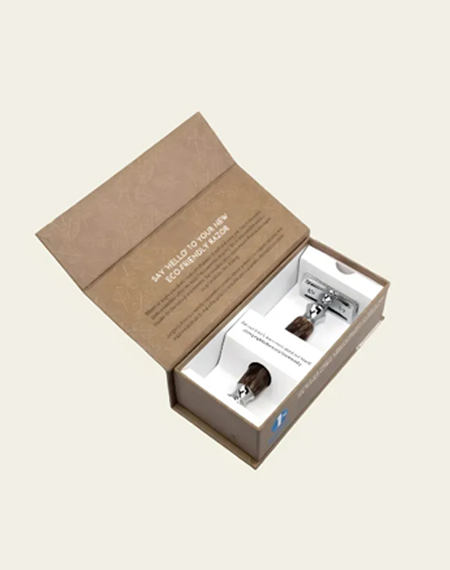
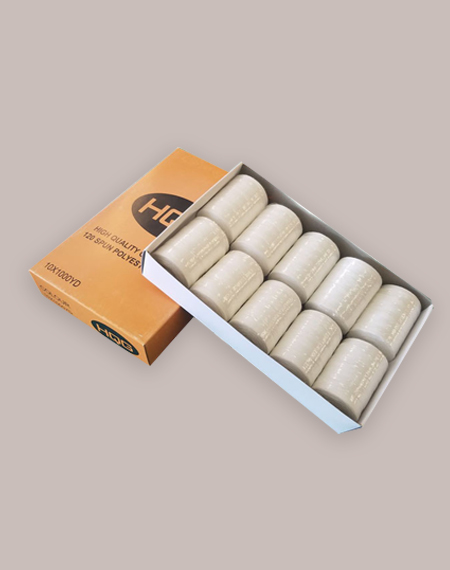
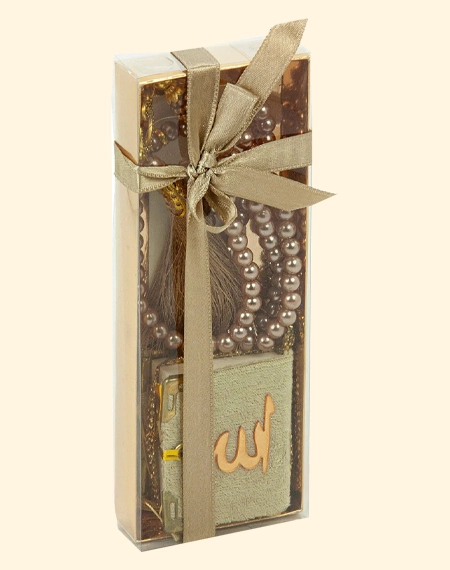
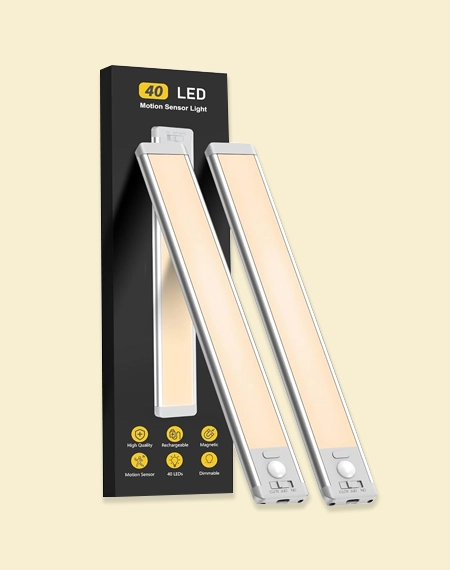
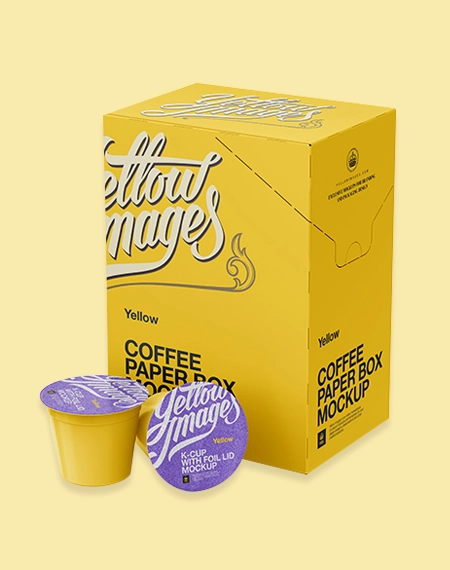
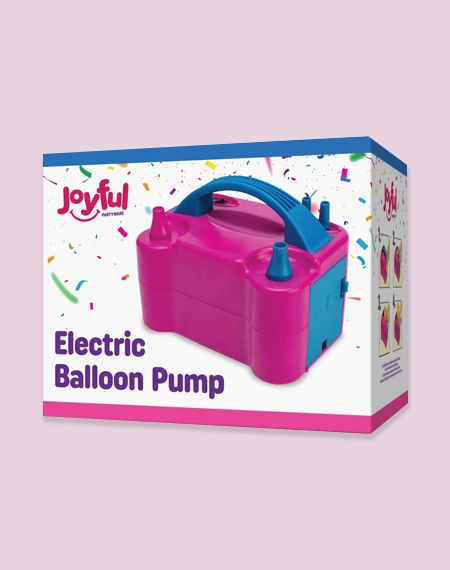
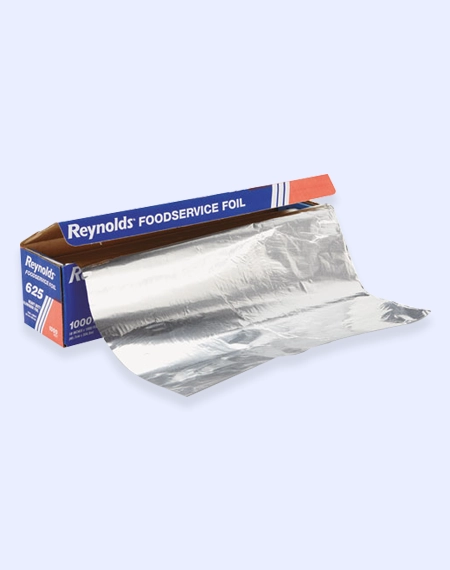
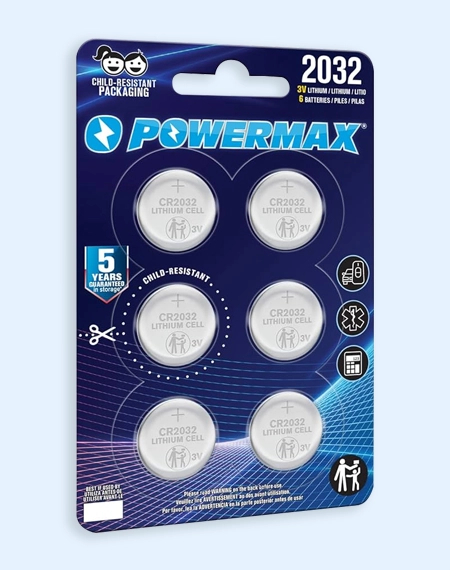
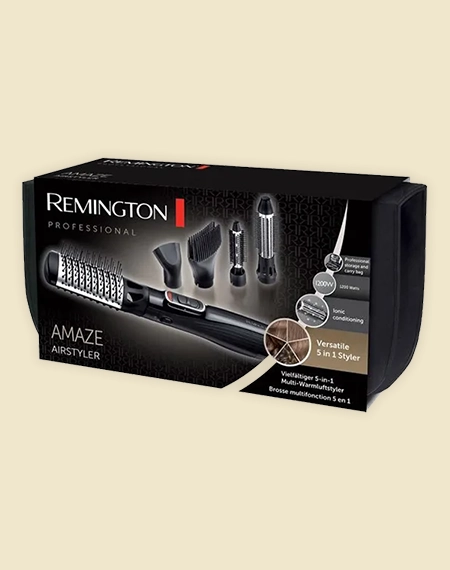
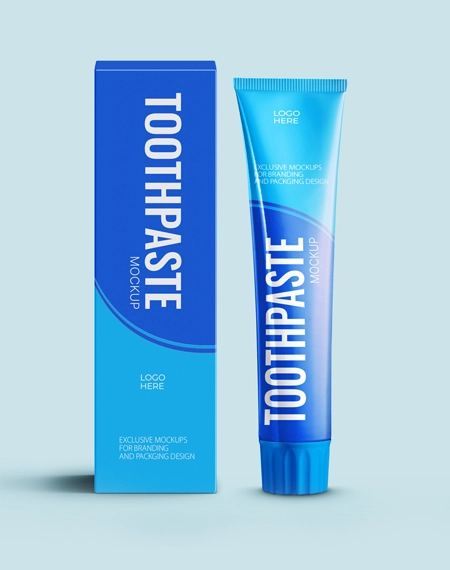
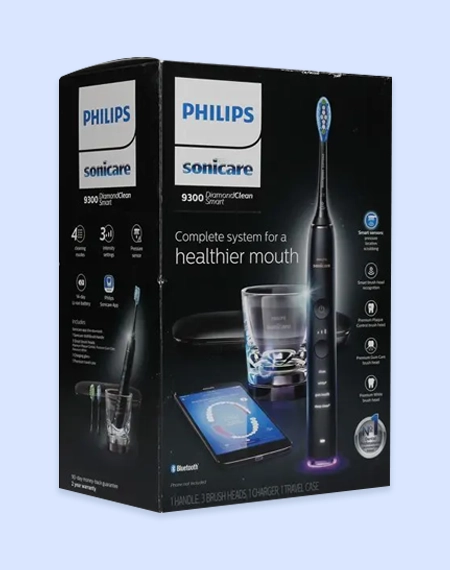
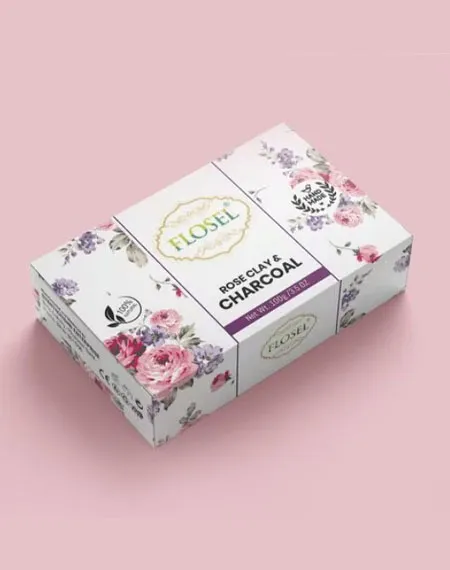
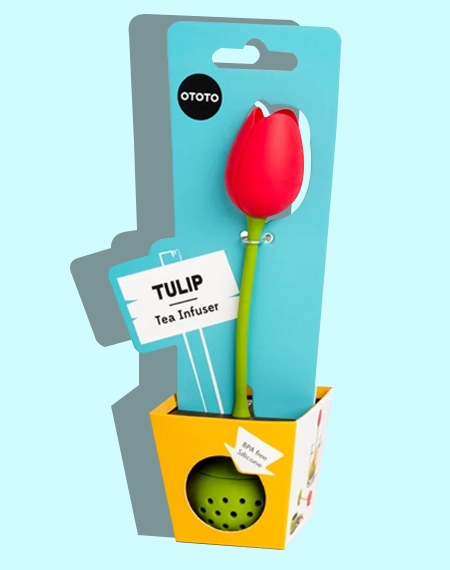
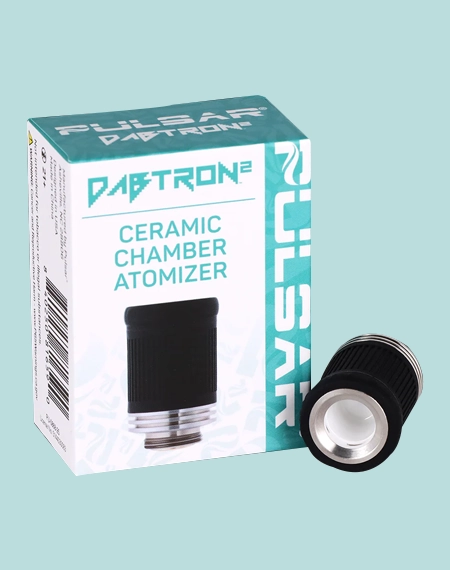
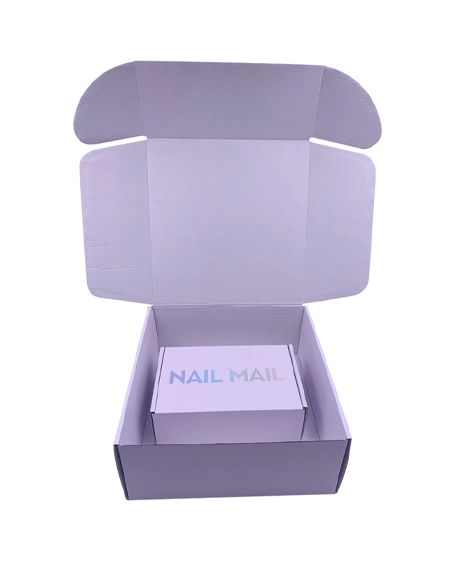
Custom size boxes are packaging developed around the exact dimensions, structure, and presentation needs of the product inside. They help businesses avoid the awkward fit, wasted-looking space, and inconsistent product experience that often come with off-the-shelf packaging. By defining the box around your item, you can align its measurements with the selected style, material, artwork, and intended sales channel. Whether the package is for retail display, ecommerce shipping, a multi-piece set, or gifting, custom sized boxes give the project a more deliberate foundation. Custom Boxes Inc. can help turn product measurements and brand requirements into packaging that looks organized, communicates clearly, and supports the way customers receive and open the product.

Select dimensions in cm, mm, inches, ml, or oz and more — whatever fits your product.

Choose the Stock, printing type, and enter your order quantity.

Upload your ready artwork — or just write “Need Design” and we'll handle it.

Fill in your name, contact number, and email for quick communication.

Solve a quick captcha and hit “Submit Quote” — it takes seconds!

Our expert will reach out ASAP with the best market rate from a top packaging provider.

After You Approve the Quote — Here's What Happens Next


Custom size boxes begin with the product rather than a stock carton. When packaging is too large, too narrow, or poorly proportioned, it can leave the contents looking unorganized, make presentation feel less considered, and complicate packing or delivery. A box developed around the actual dimensions of the item gives you a clearer starting point for structure, material, printing, internal organization, and customer experience. That can matter for a single retail product, a multi-piece set, an ecommerce order, or a presentation-led gift. Custom Boxes Inc. can help businesses move from product measurements and packaging goals to a box specification that fits how the product will be stored, sold, delivered, and opened.
A useful custom box specification starts with accurate information about the item inside. Measure the length, width, height, weight, orientation, and any parts that affect how it should sit in the package. Then consider accessories, manuals, cables, inserts, dividers, protective clearance, and the opening sequence. These details determine more than the outer dimensions. They influence whether the box needs a snug cavity, extra headroom, a specific closure, or a layout that keeps separate components organized. Beginning with the product also makes it easier to avoid a package that feels oversized or asks customers to work through unnecessary filler before reaching the item.
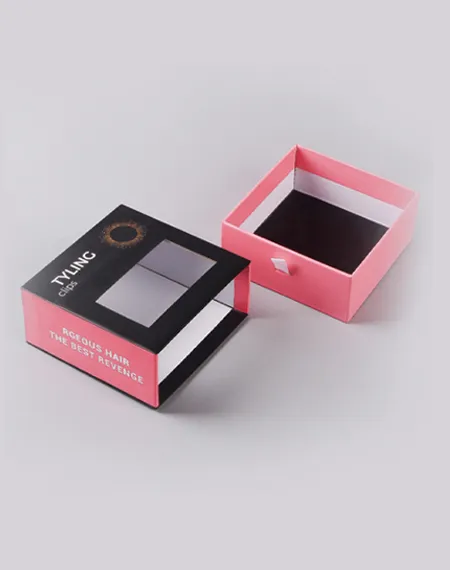
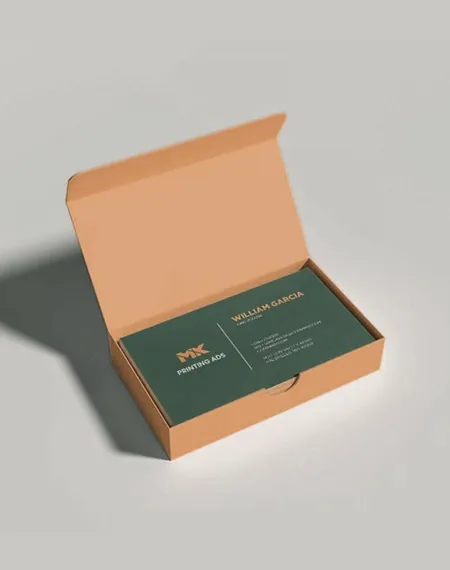
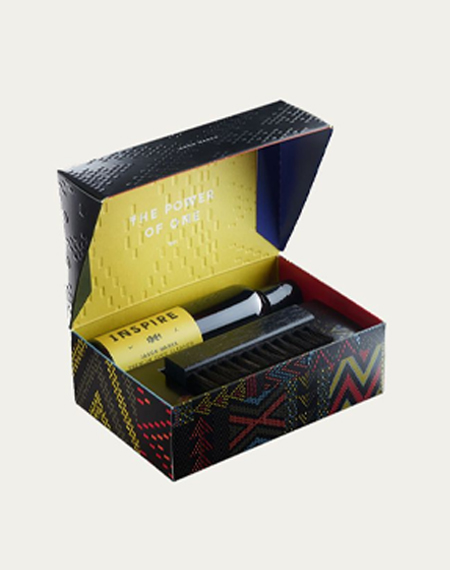
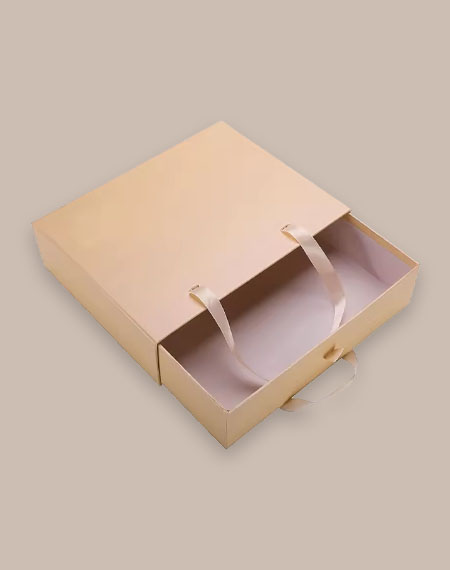
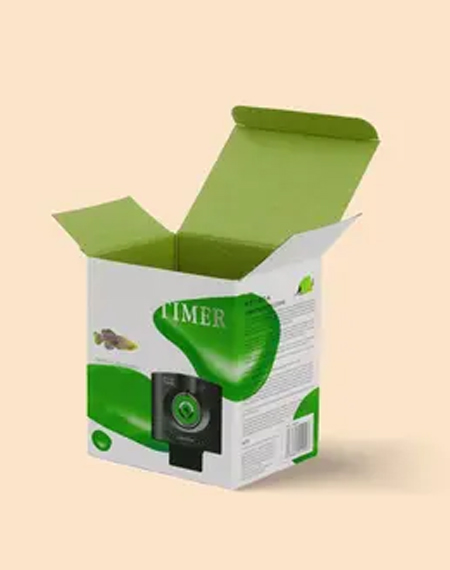
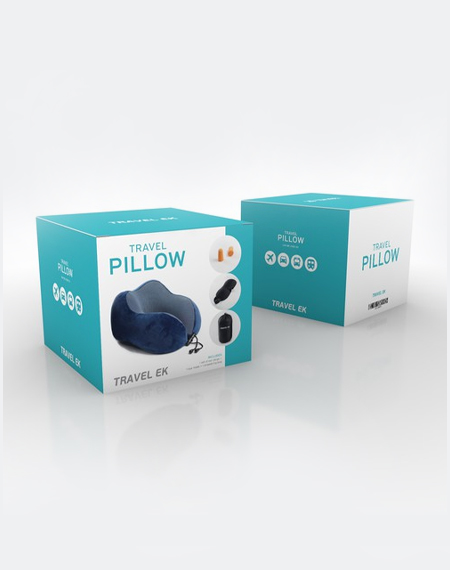
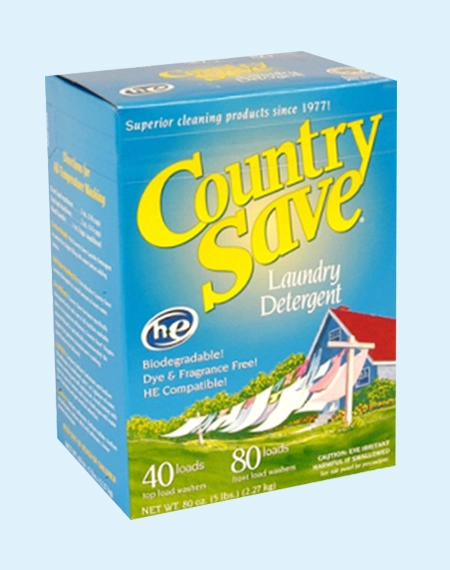
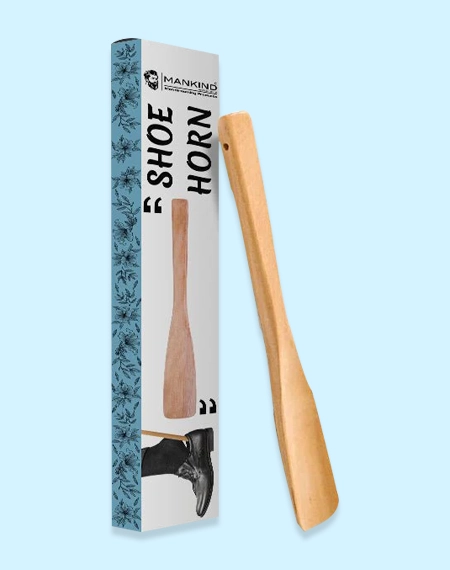
The dimensions and the box style should be chosen together. A folding carton can suit many retail products that need clear front-panel communication and a compact footprint. A mailer can provide a self-contained format for ecommerce deliveries and curated kits. Sleeve, tuck-end, display, and gable structures create different options for opening, visibility, and handling, while a more substantial rigid format can make sense when the box contributes strongly to the reveal. The right style is not simply the one with the most features. It is the format that gives the product suitable support, allows the intended information to be displayed clearly, and makes sense for the way the package will move through storage, delivery, retail, or gifting.
Custom sizing affects what customers see and feel before they open the package. A well-proportioned box can make the product feel intentional instead of lost inside a larger container. It can also create a more logical place for inserts, compartments, or supporting materials when the product comes with several components. For retail, the size and panel proportions influence shelf presence, product information, and how the packaging sits beside related items. For ecommerce, they influence packing efficiency and the opening experience on arrival. The goal is not to make every box as small as possible; it is to set dimensions that account for the product, its presentation, the selected material, the closure, and the use case as one coordinated decision.
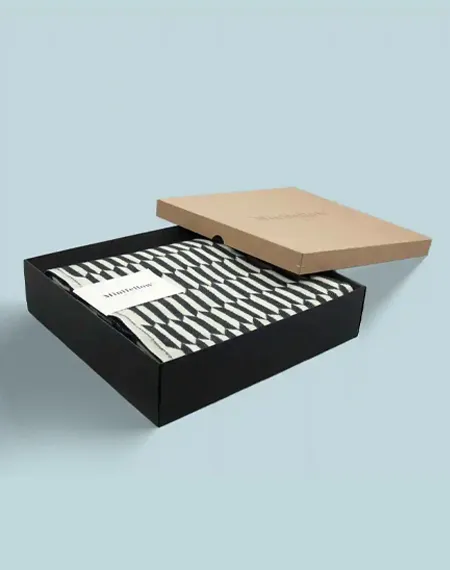
Material selection should support the final dimensions and the role of the packaging. Custom Boxes Inc. lists paper-based options including kraft, corrugated, rigid, cardstock, and other paper-based materials, each with a different surface character, structure, print appearance, and presentation potential. A smooth paperboard-style surface can suit retail artwork, while kraft can create a more natural visual direction. Corrugated material can be considered for shipping-oriented or mailer applications, and rigid packaging can support a more substantial presentation. The most useful choice depends on product weight, box structure, delivery conditions, print coverage, finishing preferences, and the feeling the package should create. Defining size before material—or material before size—without considering the other can produce a box that is less practical than intended.
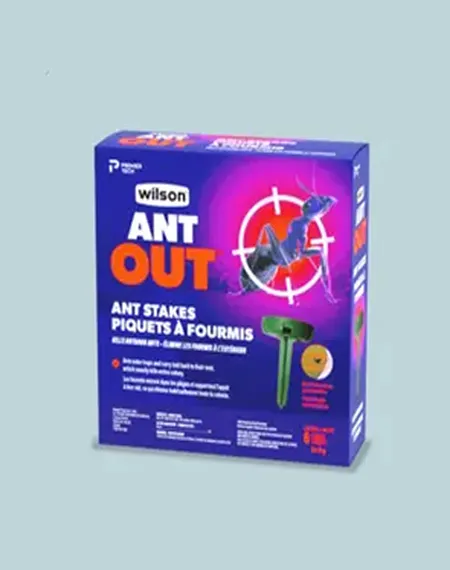
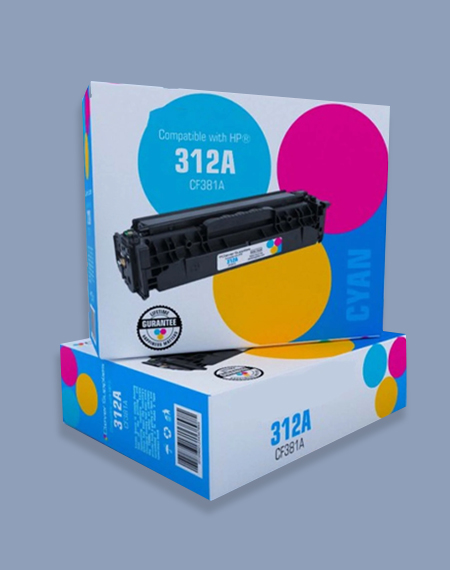
A custom size box should provide more than physical fit; it should give the artwork enough usable space to work. Once dimensions and structure are settled, the front, side, back, and interior panels can be organized around the most important information. That may include a logo, product name, variant details, directions, imagery, barcodes, or supporting brand messages. Custom Boxes Inc. lists digital and offset printing, together with CMYK and PMS color workflows, for appropriate projects. The selected approach should match the material, quantity, artwork, and color expectations rather than be treated as a default choice. Planning the print area early helps keep essential information readable and prevents the design from having to compete with folds, cut lines, or closure panels.
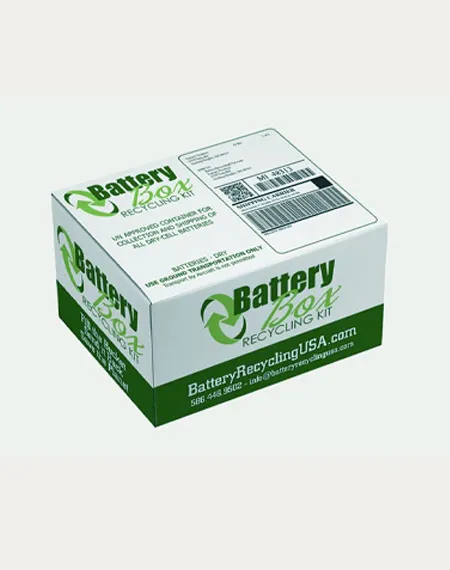
Custom box dimensions need to work beyond the final product reveal. Think through how the finished packaging will be stored, picked, packed, shipped, received, displayed, and opened. A retail box may need a compact, stackable profile and a visible front panel. An ecommerce package may need an appropriate closure and organized internal layout. A gift or presentation box may give more importance to the opening sequence, inserts, or selected finishing details. These contexts can influence the final size, board choice, and form of the package. By describing the full journey in your quote request, you make it easier to compare custom size box options based on the product’s real use, not only on a set of measurements.
Before artwork is placed on a dieline, gather the information that shapes the box: product dimensions, weight, components, desired style, quantity, material preference, printing needs, finish choices, and delivery location. If several products share one range, identify which dimensions, colors, and design elements stay the same and which change by SKU. That gives the project a clearer structure from the beginning. Custom Boxes Inc. states that design assistance is available when support is needed with packaging development. Reviewing dimensions, panel allocation, logo placement, colors, required product information, and the relationship between graphics and folds before approval helps establish a more usable packaging direction for the full order.
Ready to plan packaging around the product instead of adapting the product to a stock box? Share your product dimensions, quantity, preferred style, material ideas, artwork status, and delivery details through the quote form. If you are still deciding on the final size or structure, explain what you are packaging and how the box will be used. Custom Boxes Inc. can help you compare suitable options before moving toward production. For direct assistance, email Quotes@Customboxesinc.Com or call +1 833-565-0363.
Verified feedback from real packaging buyers.
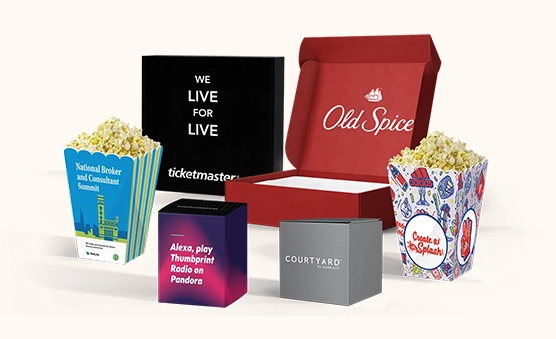


Answers to Help You Order with Confidence
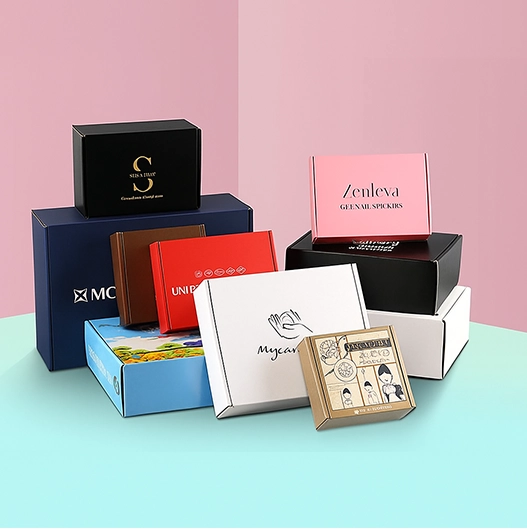
Yes. Custom size boxes can be developed around the product’s length, width, height, weight, and required clearance. Share details about any accessories, inserts, manuals, or components so the size and internal arrangement can be considered together.
Provide the product’s length, width, and height, along with its weight and preferred orientation inside the package. It also helps to mention any add-ons, protective space, closure needs, or items that must sit beside the product.
The right material depends on the product, selected box style, print design, delivery conditions, and presentation goals. Kraft, corrugated, cardstock, rigid, and other paper-based options can each create a different balance of structure, surface character, and visual impact.
Yes. Once the box dimensions and structure are established, artwork can be planned around the available panels. Logo placement, product information, brand colors, imagery, and finishing preferences should be reviewed with the actual box layout in mind.
Custom Boxes Inc. provides nationwide shipping across the United States. Delivery timing depends on the final box specification, quantity, production requirements, and destination, so include your location and project details when requesting a quote.
Custom Boxes Inc is a leading manufacturer and supplier of custom packaging boxes tailored for every product and industry. From startups to global brands, we empower businesses across the USA with cost-effective, high-quality, fully personalized packaging solutions — crafted with precision, delivered with speed. Whether you need eco-friendly cardboard boxes, rigid luxury boxes, or branded retail-ready display packaging — we've got you covered with endless customization options, low MOQs, and lightning-fast turnarounds.