

Select dimensions in cm, mm, inches, ml, or oz and more — whatever fits your product.

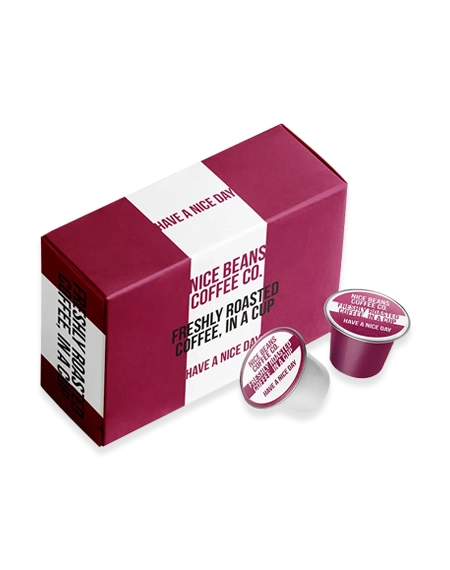
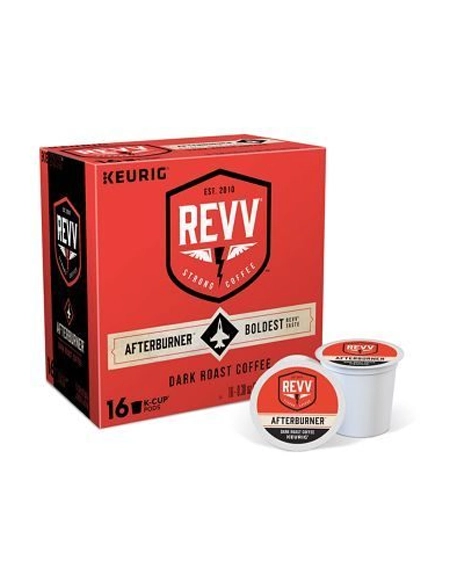
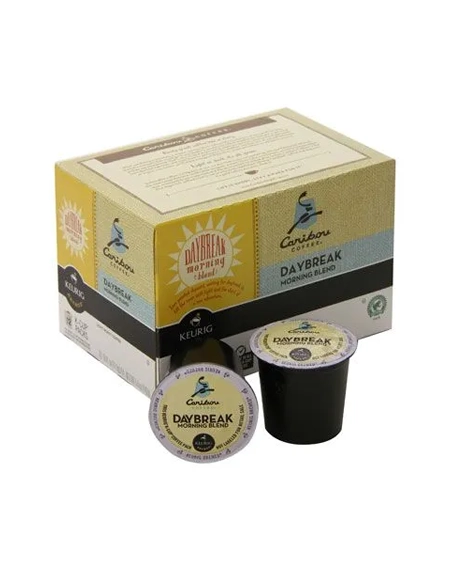
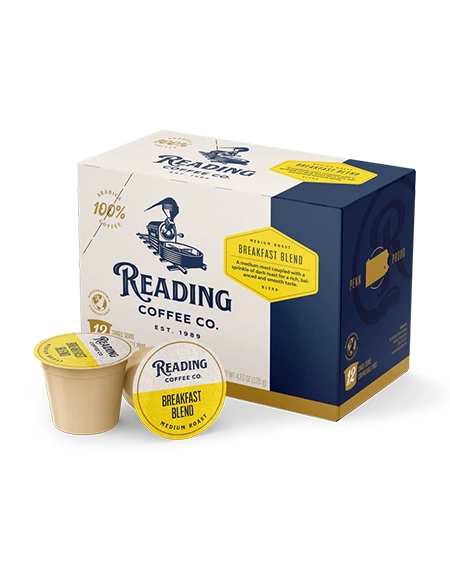
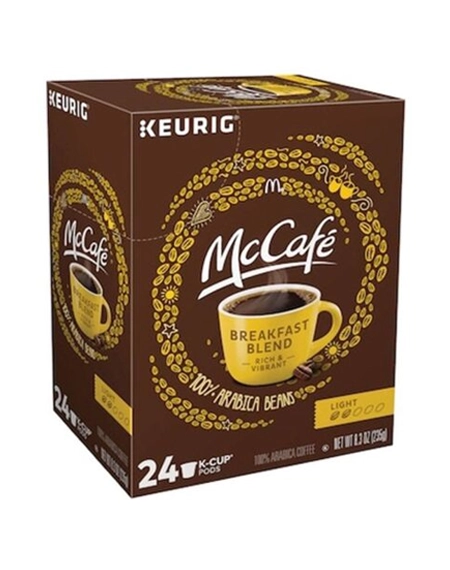
Custom K Cup boxes turn sealed single-serve coffee pods into clear retail, subscription, office, hospitality, and sampler programs. Rather than acting as the coffee’s aroma barrier, the outer carton organizes pod counts, protects cup rims and foil lids, and gives roasters space for roast level, flavor, compatibility, brewing guidance, ingredients, barcodes, and brand storytelling.
Build each format around the actual pod dimensions, count, row arrangement, dispensing method, shelf orientation, and shipping route. Custom Boxes Inc. can translate those inputs into a fitted carton, insert, or display-ready system that supports faster packing and easier flavor recognition. Share physical samples, quantity, artwork status, and destination requirements to begin a tailored quotation.

Select dimensions in cm, mm, inches, ml, or oz and more — whatever fits your product.

Choose the Stock, printing type, and enter your order quantity.

Upload your ready artwork — or just write “Need Design” and we'll handle it.

Fill in your name, contact number, and email for quick communication.

Solve a quick captcha and hit “Submit Quote” — it takes seconds!

Our expert will reach out ASAP with the best market rate from a top packaging provider.

After You Approve the Quote — Here's What Happens Next


Custom K Cup boxes serve roasters, private-label coffee companies, grocery brands, hotels, offices, subscription businesses, gift sellers, and foodservice distributors that need sealed pods presented as one understandable product family. The buyer’s first questions are rarely about foil stamping; they are usually roast, flavor, caffeine level, pod count, brewer compatibility, price, and whether the assortment suits everyday use or sampling. Packaging should therefore guide recognition before decoration. Clear front-panel hierarchy helps shoppers identify the brand and product, while side and rear panels can explain roast character, beverage preparation, ingredients, allergen information, recycling directions, and reorder paths. The carton also needs to keep pod rims and foil lids from rubbing against one another during case packing, shelf replenishment, or subscription fulfillment. Because K-Cup® is branded terminology used by Keurig, unlicensed brands should confirm trademark and compatibility wording before publication. That review protects both clarity and credibility.
White SBS paperboard supports bright process color, fine nutrition text, small compatibility statements, and clean interior presentation for retail coffee-pod cartons. Natural kraft creates a warmer, fiber-visible appearance for craft-roaster or organic-positioned brands, although pale inks and small reversed type reproduce differently on the brown surface. Folding boxboard can balance stiffness and lower weight for standard pod counts when the grade and carton span are appropriate. Microflute corrugated board becomes more useful for subscription mailers, office assortments, club packs, or display-ready cases that face greater compression and handling. Stock selection should follow pod count, row length, box depth, window area, perforations, dispenser opening, stacking pattern, and packing equipment rather than a generic premium label. The sealed pod is normally the coffee’s primary barrier, so the outer carton should not be credited with preserving aroma or extending shelf life unless the complete system has supporting evidence. Food-contact status, recycled content, certification, and recyclability claims require verification for the exact board, coatings, inks, adhesives, windows, and intended market.
A six-pod sampler, twelve-pod retail carton, twenty-four-pod office pack, and forty-eight-pod subscription case create different structural problems even when every capsule shares one footprint. Small assortments can use straight-tuck, reverse-tuck, sleeve-and-tray, or compact two-piece boxes that present each flavor deliberately. Larger counts may benefit from seal-end or auto-bottom cartons, row dividers, removable trays, dispensing perforations, or corrugated cases that stabilize repeated layers. A counter display can open into a merchandising tray, while a hospitality carton may prioritize rapid replenishment and clear decaf separation. Windows show capsule colors or foil lids, but they reduce printable area and may complicate recycling. The design must keep pod rims from bearing concentrated loads and should avoid abrasion against foil lids, seals, or printed compatibility marks. For direct-to-consumer shipments, the retail carton may still require a corrugated outer shipper, cushioning, or void control. Structure follows count architecture, access pattern, and channel—not appearance alone.
Coffee-pod packaging carries a dense decision set: brand, roast level, origin, blend, flavor, caffeine status, beverage type, pod count, compatibility, and preparation guidance. The strongest artwork gives those facts a reading order rather than treating every panel as an advertising surface. A family system might keep the logo, pod count, and compatibility statement fixed while changing a roast band, flavor illustration, or origin marker. Offset printing supports longer programs requiring fine food-label copy and controlled spot colors; digital printing supports shorter launches, regional versions, samplers, and seasonal flavors. CMYK can reproduce photography and origin imagery, while PMS colors can stabilize important brand cues under an approved production standard. Small barcodes, QR codes, brewing icons, and reverse text require adequate contrast, resolution, quiet zones, and safe placement away from folds. The food brand remains responsible for reviewing identity, net quantity, ingredients, allergens, nutrition information, claims, and manufacturer or distributor details before approval.
Finishing should reinforce the coffee offer instead of competing with flavor navigation or required information. A matte coating can reduce glare across dense panels and support craft, organic, or premium positioning, while gloss can intensify photography and bold mass-retail graphics. Aqueous coating may provide light scuff resistance on compatible board, but its performance should be evaluated against packing, warehousing, and repeated shelf handling. Foil stamping can distinguish a reserve roast, gift assortment, or anniversary edition; embossing, debossing, and spot UV can create quieter tactile or reflective cues. Die-cut windows work best when capsule colors contribute to flavor recognition, yet they remove board and introduce another component. Perforated dispensers, tear strips, reclosure tabs, handles, interior printing, recipe cards, and loyalty QR codes can add function when the service environment justifies them. Choose one dominant presentation idea, protect the information hierarchy, and verify every finish against the exact board and recovery claim.
Begin with a representative sealed pod, not a nominal diameter copied from a catalog. Measure maximum rim diameter, body diameter, overall height, foil-lid projection, taper, weight, and any compatibility mark that must remain visible. Then define count, row and column arrangement, capsule orientation, divider thickness, finger access, dispenser direction, and whether mixed flavors follow a fixed sequence. Internal dimensions should provide loading clearance without allowing rims or lids to collide; external dimensions change with board caliper, folds, glue seams, trays, and corrugated flutes. The dieline should identify cuts, creases, glue areas, insert locks, perforations, windows, tear features, bleed, safe zones, barcodes, date fields, and regulatory panels. Artwork must use the approved version because changing a six-count carton into a twelve-count format alters panel proportions and can disrupt the visual system. Digital proofs confirm content; structural prototypes reveal loading speed, row stability, dispensing, closure behavior, shelf footprint, and case-pack efficiency before production.
The sealed capsule, its lidding, filter, and internal barrier system protect the coffee itself; the carton primarily organizes units and shields pods from crushing, puncture, abrasion, dust, and handling. That distinction matters because competitors often credit paperboard with aroma retention or shelf-life extension without evidence for the complete package. Pod rims and foil lids should avoid concentrated compression, while dividers or trays should prevent repeated movement through case packing, pallet handling, and home delivery. Boxes intended for office or hospitality use also need predictable opening, refill access, and flavor separation after the first pod is removed. Right-sizing can reduce unused board and shipping volume, but thin panels or oversized perforations may weaken stacking. Recycled-content, certified-fiber, recyclable, compostable, and reduced-plastic statements require documentation for the exact carton, window, coating, adhesive, pod system, and destination market. Keurig’s own consumer guidance tells customers to check locally because pod recyclability is not universal, illustrating why disposal instructions should remain qualified.
Start the quotation with physical pod samples, maximum dimensions, sealed weight, count, flavor assortment, row plan, sales channel, carton style, board preference, printing, finishes, and delivery destination. Also identify whether the pack is a sampler, grocery carton, office dispenser, hospitality refill, subscription shipment, or club-size case. Custom Boxes Inc. can review the pack map and convert it into proposed dimensions, structure, insert logic, and a production dieline for approval. Confirm trademark wording, compatibility language, food-label copy, barcode data, date fields, disposal claims, color references, proof type, and version quantities before production. Quality checks may cover board identity, finished dimensions, row fit, divider locks, perforations, closure, print registration, barcode scanning, version sorting, case count, and final packing. Request your custom K Cup box quote through the inquiry form, call (833) 565-0363, or email inquiry@customboxesinc.com with samples, counts, artwork status, and target launch requirements.


Answers to Help You Order with Confidence
SBS paperboard suits detailed retail graphics, while kraft supports a natural appearance and folding boxboard can balance stiffness with lower weight. Microflute corrugated board is useful for subscription mailers, larger counts, or display-ready cases. Final selection should follow pod count, carton span, perforations, stacking, printing, and distribution conditions.
Measure a representative sealed pod at its maximum rim diameter, body diameter, total height, and weight. Record the foil-lid projection, taper, compatibility marks, and acceptable contact surfaces. Then define the pod count, row arrangement, orientation, divider thickness, finger access, and dispensing direction for the intended package.
Yes. A carton can include a perforated opening, removable panel, reclosure tab, or convertible display tray when the structure and board support repeated access. The design should preserve row stability after pods are removed, keep flavor labels visible, and maintain enough panel strength for packing, shipment, and counter use.
Common panels identify the brand, coffee type, roast, flavor, caffeine status, pod count, compatibility, preparation guidance, ingredients, allergens, net quantity, nutrition information, barcode, and manufacturer or distributor. Exact requirements depend on the product and market, so the food brand should complete regulatory review before approving artwork.
Yes. A digital proof can confirm copy, roast hierarchy, flavor versions, barcodes, and finish placement. A structural prototype can test pod rows, insert locks, finger access, dispenser openings, closure behavior, shelf footprint, and case packing. Confirm which proof and sampling options are available when requesting the quotation.
Custom Boxes Inc is a leading manufacturer and supplier of custom packaging boxes tailored for every product and industry. From startups to global brands, we empower businesses across the USA with cost-effective, high-quality, fully personalized packaging solutions — crafted with precision, delivered with speed. Whether you need eco-friendly cardboard boxes, rigid luxury boxes, or branded retail-ready display packaging — we've got you covered with endless customization options, low MOQs, and lightning-fast turnarounds.