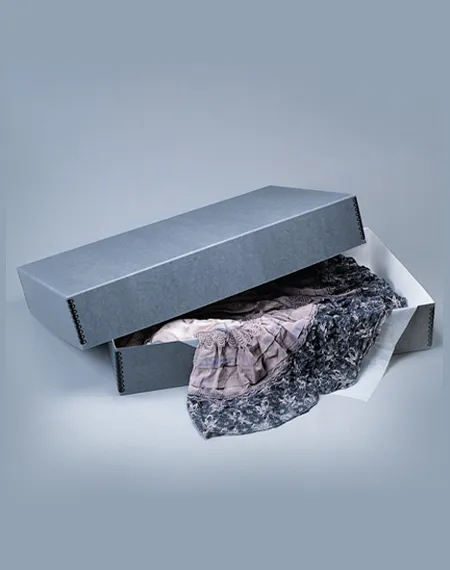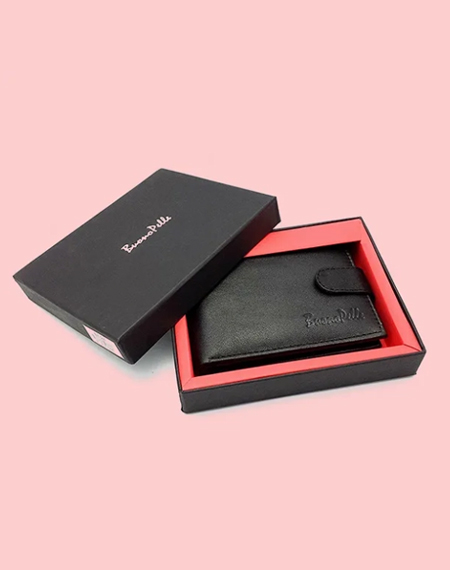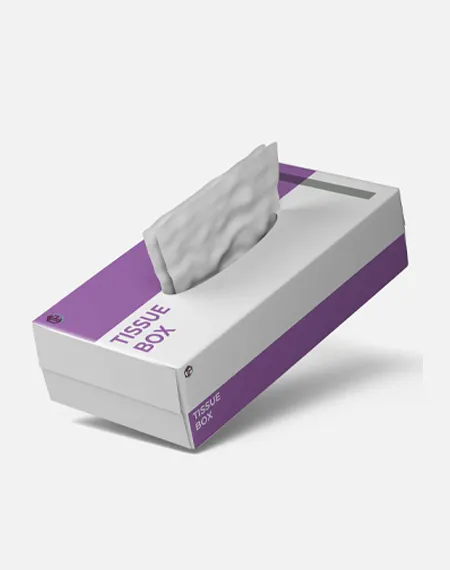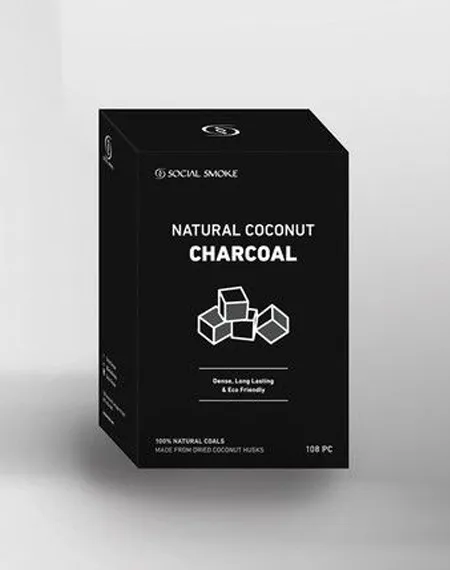


Select dimensions in cm, mm, inches, ml, or oz and more — whatever fits your product.

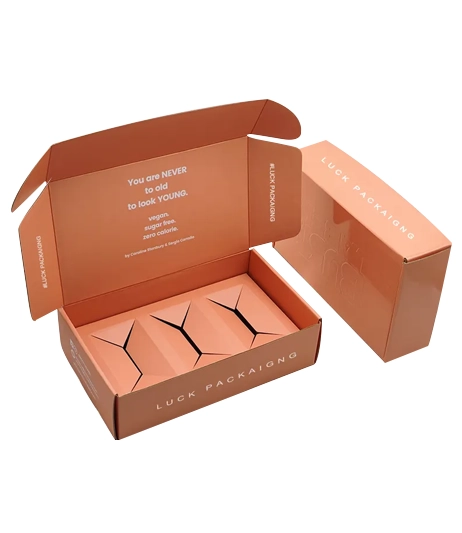
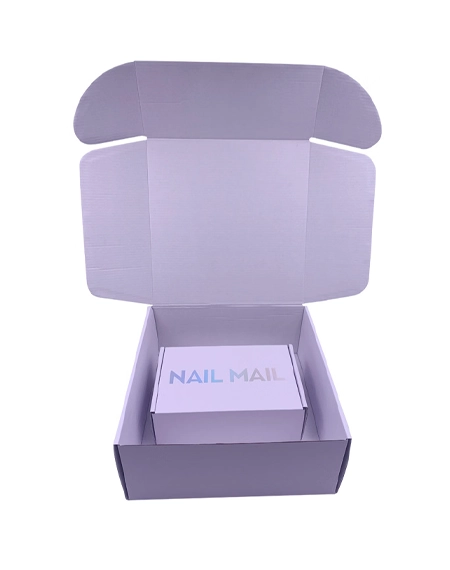
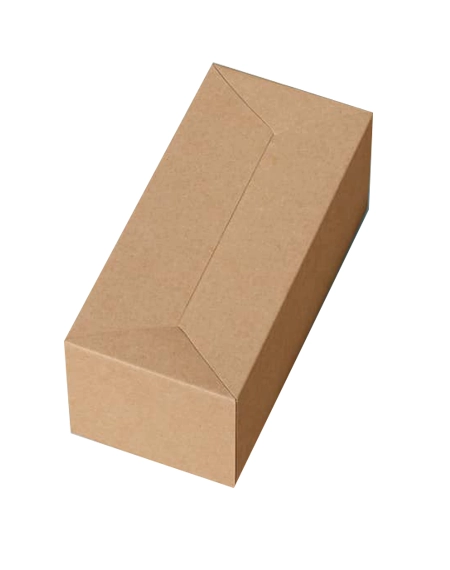
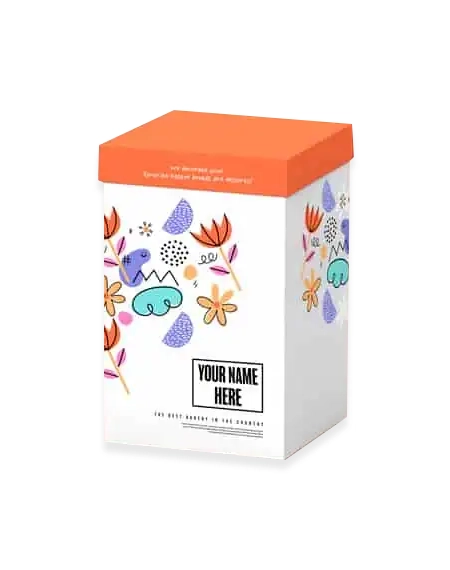
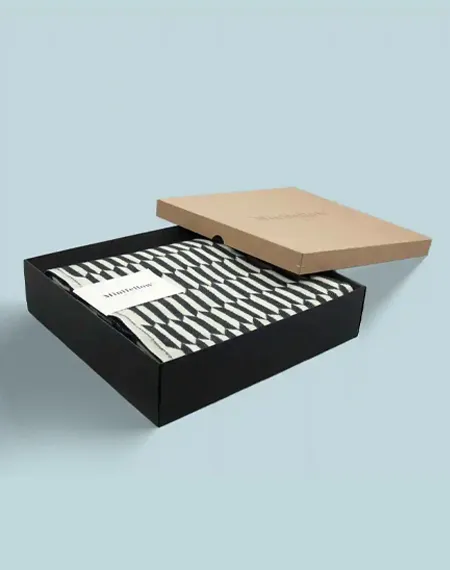
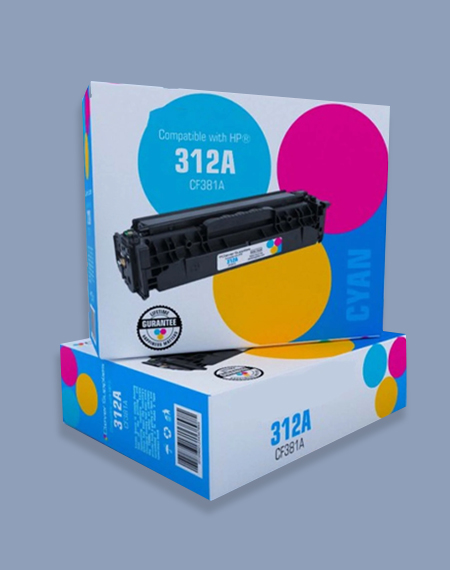
Custom folding cartons turn a product’s size, brand details, and opening method into one coordinated package. At Custom Boxes Inc., we can tailor the carton dimensions, structure, printing, materials, and finish around the way your item will be displayed, handled, gifted, or shipped. A well-planned folding carton gives each panel a purpose, from a clear front-facing product message to supporting information on the sides and an intentional opening experience. Share the product measurements, quantity, artwork, and intended use, and we can help you develop a carton specification that fits the item and gives the packaging a cohesive, brand-led presentation from the start.

Select dimensions in cm, mm, inches, ml, or oz and more — whatever fits your product.

Choose the Stock, printing type, and enter your order quantity.

Upload your ready artwork — or just write “Need Design” and we'll handle it.

Fill in your name, contact number, and email for quick communication.

Solve a quick captcha and hit “Submit Quote” — it takes seconds!

Our expert will reach out ASAP with the best market rate from a top packaging provider.

After You Approve the Quote — Here's What Happens Next


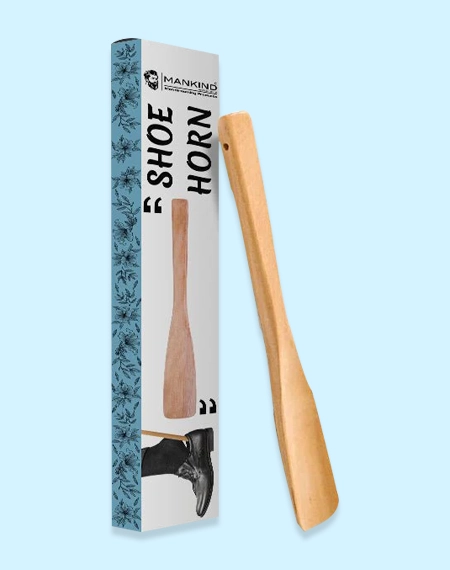
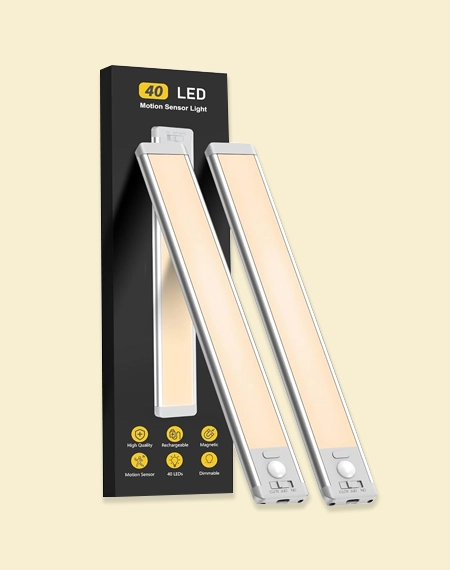
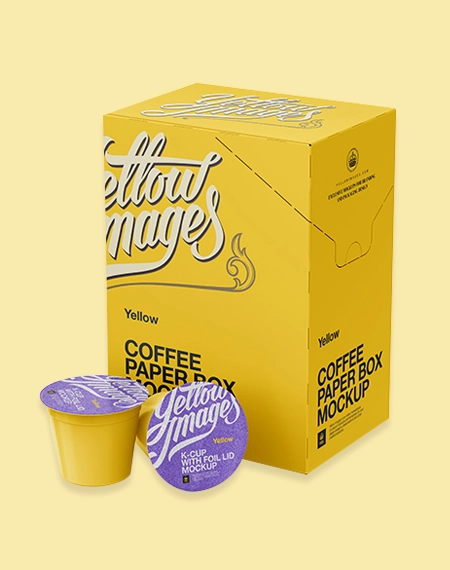
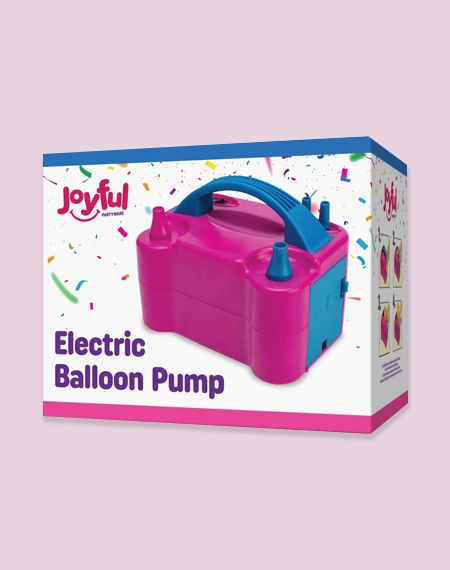
A folding carton is most useful when its size, panels, opening style, and artwork are planned together. Instead of treating the carton as a blank container, build it around the product and the information a customer should see first. The front, side, top, and inside panels can each contribute to a clear, brand-led presentation, while the folded structure determines how those panels meet and how the product is accessed. Custom folding cartons give a project room to balance practical product fit with a visual system that works for retail, gifting, sampling, direct-to-customer orders, or another planned customer moment.
Start by identifying what the carton needs to do. It may introduce a product on a shelf, hold a set of components, create a giftable presentation, or give a shipped item an organized outer layer. The intended use shapes the decisions that follow: which panel should lead, what information needs to remain visible, how the carton should open, and whether the interior needs to hold the product in a defined arrangement. Then collect the product details. Include accurate length, width, depth, weight, shape, wrapping, and accessories. A small accessory, a folded product, a multipiece set, or a product with an irregular profile may each need a different carton proportion and opening direction. Defining these requirements before artwork begins makes it easier to choose a structure that supports the packed product rather than adapting the product to a generic carton.
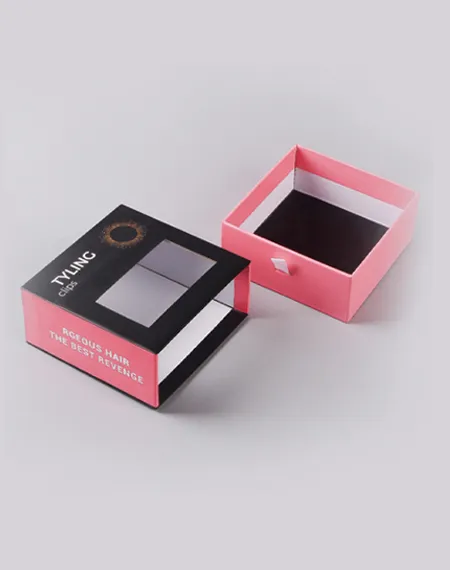
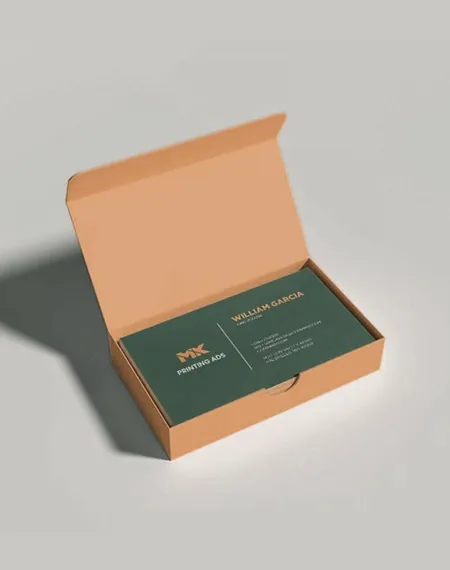
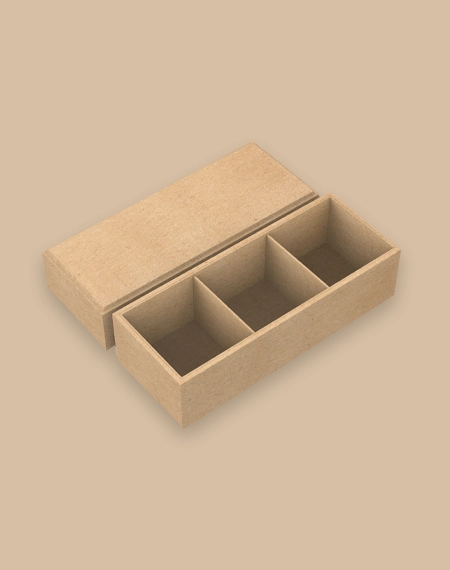
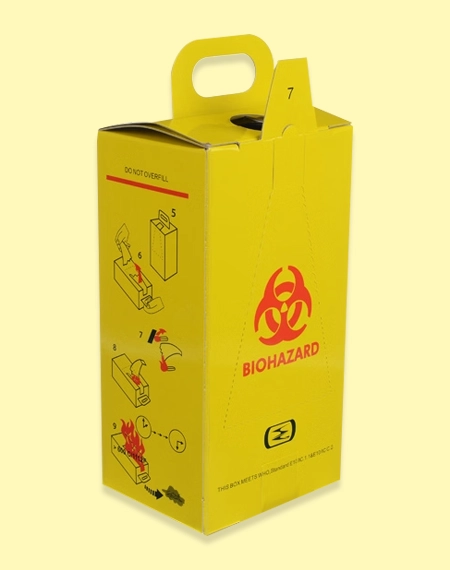
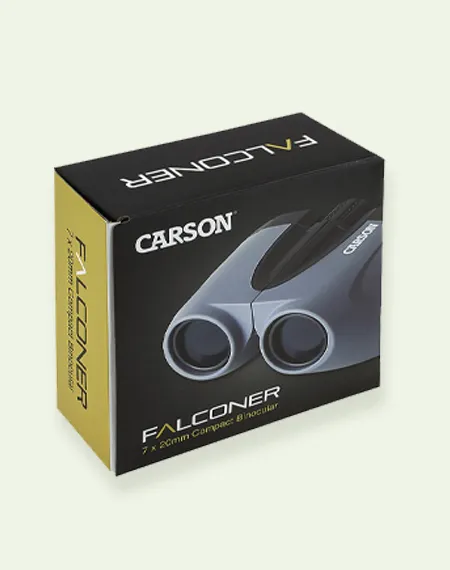
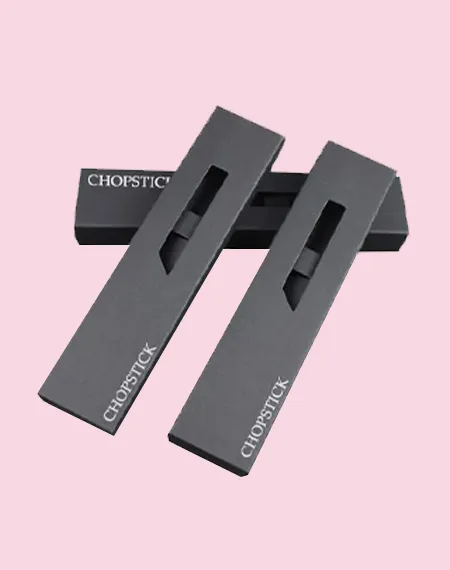
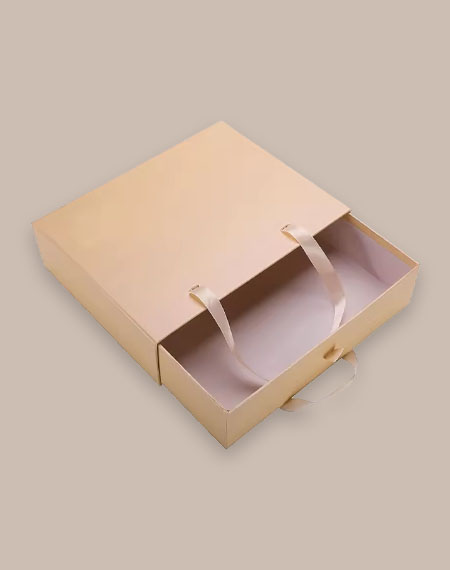
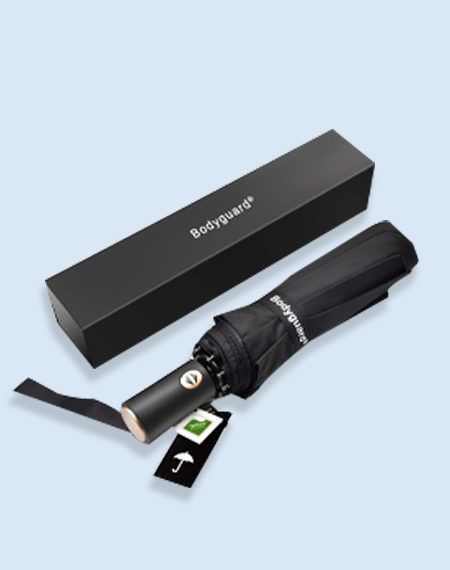
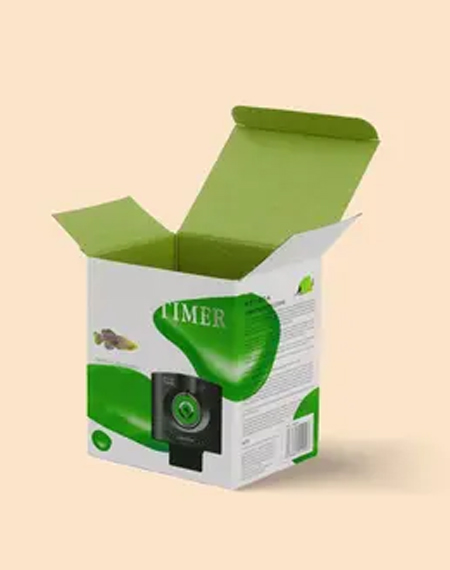
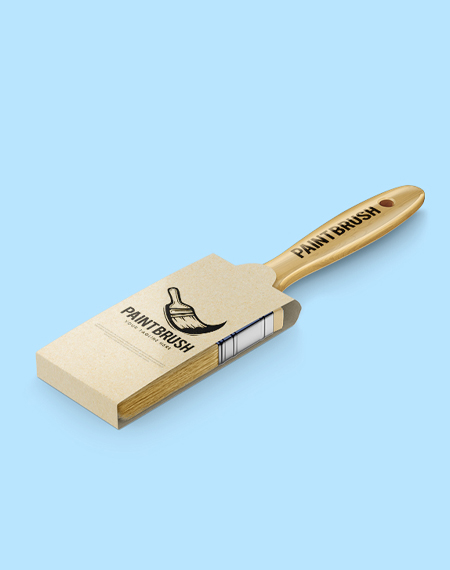
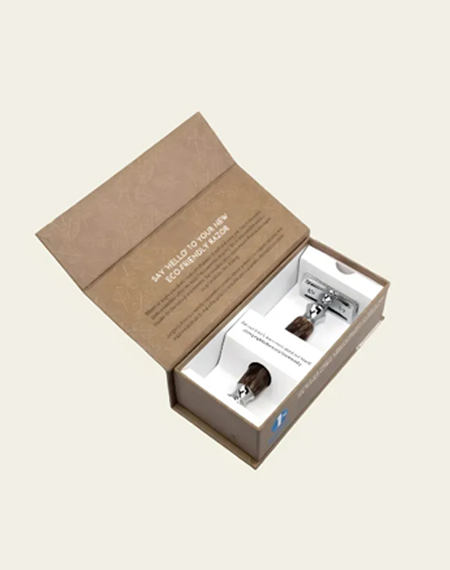
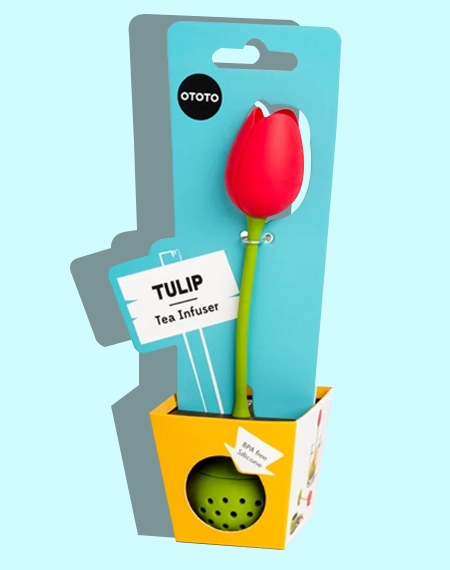
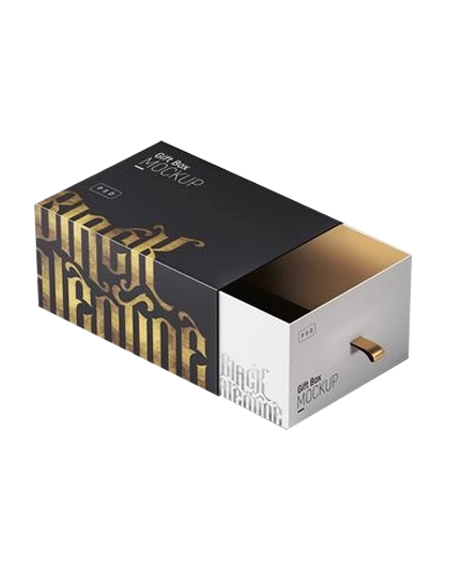
Custom length, width, and depth can be planned around the product, its wrapping, and any insert or divider. Even modest changes can alter how the item sits inside, how much space remains around it, and how the printed panels are proportioned. The right size should allow the product, carton structure, and desired presentation to work together. Folding cartons can be developed in several styles depending on the project. Tuck-end styles can provide a familiar opening direction. Sleeves can create a branded outer layer around an inner tray or product pack. Display-style structures can support a product-facing presentation, and gable-style cartons provide a built-in carrying form for suitable uses. A packaging discussion should also consider how the closure, folds, and opening areas affect the customer experience and the artwork placement. If the product needs more internal organization, insert options such as board, paper-based, foam, cavity, or blister formats can be considered according to the project. Product samples, photographs, or a clear packing layout help turn this from a general idea into a specific structural brief.
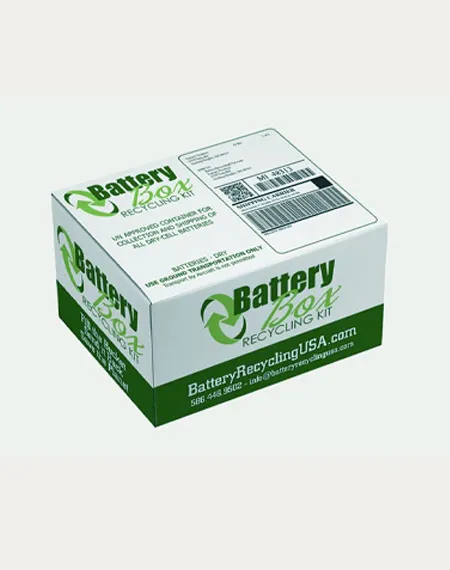
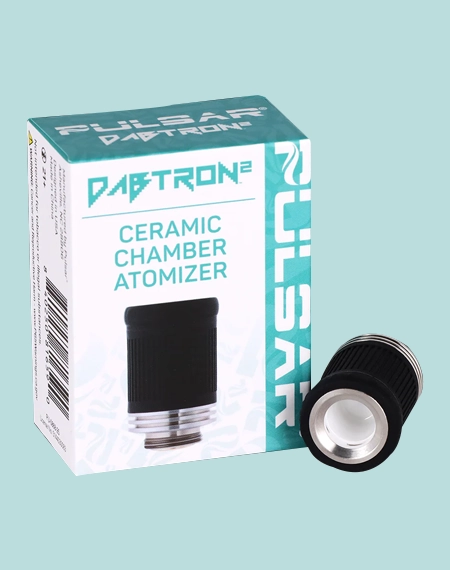
A dieline is not just a production reference; it is the map for the carton’s complete visual layout. It shows the panels, folds, seams, and opening areas that influence where typography, color, logos, and product information should go. Using the dieline early helps the design team avoid placing important details across a fold or too close to a closure area. It also gives every panel a purpose before the artwork becomes complex. Begin with a content hierarchy. Decide what a customer should notice first, then assign the product name, brand, variant, instructions, or supporting message to the most appropriate panels. The front can establish the core message, while sides and back panels can carry detail without competing for attention. A top panel can matter in stacked presentation, and inside printing can add to the reveal when it has a clear purpose. An artwork check and digital proof give the team a chance to review the proposed design in relation to the actual carton structure before production.
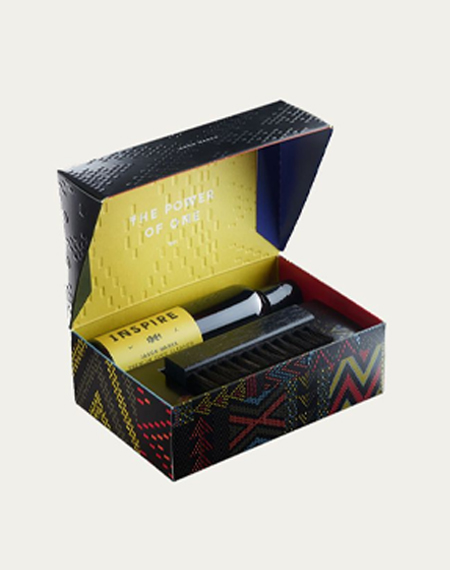
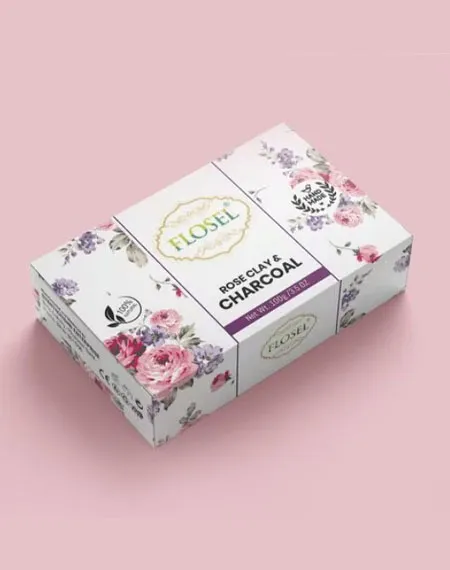
Printing is part of the folding-carton specification, not a final decorative layer. Digital and offset printing, CMYK, and PMS/spot color options can be considered according to the artwork, quantity, material direction, and structure. White ink may also be considered where it suits the design and chosen material. The useful print choice is the one that supports the intended hierarchy and visual treatment rather than adding complexity without a role. A restrained system may rely on a simple color block, logo, and well-spaced type. A fuller design may use illustration, patterned panels, or a distinct product-color system. Either direction can work when it stays consistent across the real carton panels. Make sure folds, seams, and closure areas remain part of the conversation as the layout evolves. This creates a more coordinated result than treating a carton as a flat front label with incidental side panels.
Paperboard or cardstock can be evaluated for many folding-carton directions, while kraft and other paper-based options may also suit the project and visual brief. Material should be discussed alongside product fit, printing, and the intended presentation, since each choice affects the overall look and feel of the carton. Finish choices can add selective emphasis to the artwork. Matte, gloss, soft-touch, and aqueous coating may be considered where they suit the project. Foil stamping, embossing, debossing, spot UV, and raised effects can draw attention to a logo, title, pattern, or other controlled detail. Rather than applying every available option, select the details that reinforce the product and brand. Reviewing the artwork and proof with these choices in mind keeps the final carton direction cohesive.
Folding cartons can support a consistent packaging system across different product sizes, variants, or presentations. A common logo position, type treatment, color framework, or graphic pattern can connect the range while each carton retains its own product-fit dimensions. Product names, variants, or illustrations can then differentiate individual packs without making the overall brand feel fragmented. Keep approved dielines, artwork files, and proof details organized as the range develops. Those references can make later carton discussions more efficient and give new products a clear visual starting point. Consistency does not require identical cartons; it provides a framework that lets each product have the structure, panels, and presentation it needs.
A detailed quote request helps the packaging team recommend a useful direction. Include the product type, dimensions, weight, intended use, desired carton style, quantity, artwork, and any insert, print, material, or finishing requirements. Explain whether the carton will be displayed, gifted, shipped, sampled, or used in another customer-facing setting. If you already have logos, colors, or design files, include them; if not, describe the visual direction and ask for artwork or design assistance.
Verified feedback from real packaging buyers.


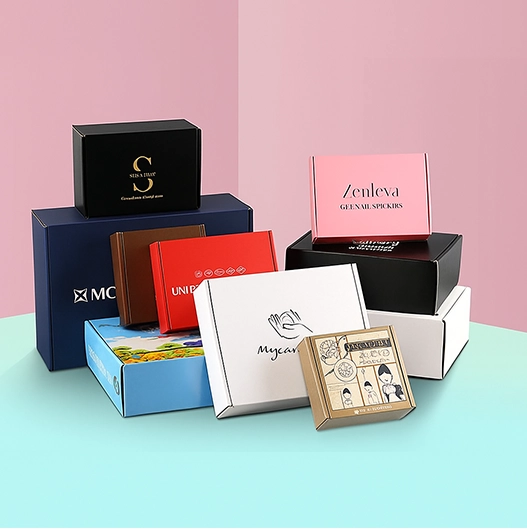
Answers to Help You Order with Confidence
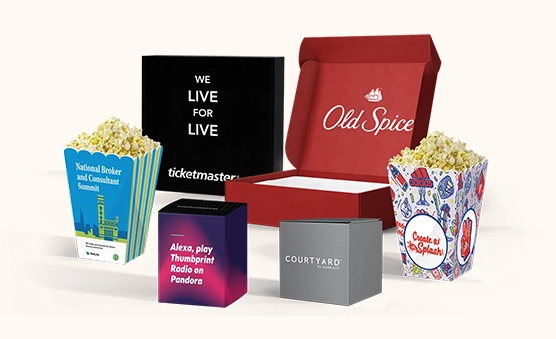
Custom folding cartons can be planned for retail products, gifts, samples, direct-to-customer orders, and other product presentations. Their dimensions, structure, panels, artwork, and finishes can be specified around the product and intended customer experience.
Yes. Custom length, width, and depth can be planned around the product, wrapping, accessories, and any insert or divider. Accurate product measurements and photos help create a more useful structural brief.
Yes. Artwork can be mapped across the front, sides, top, back, and selected inside panels where appropriate. A dieline, artwork check, and digital proof help coordinate the graphics with folds, seams, and opening areas.
Paperboard, cardstock, kraft, and other paper-based material directions may be considered according to the project. Available finish choices can include matte, gloss, soft-touch, aqueous coating, foil stamping, embossing, debossing, spot UV, and raised effects.
Include the product type, dimensions, weight, preferred carton style, quantity, artwork, and any material, print, insert, or Custom Folding Cartons | Branded Product Packaging Optionsfinishing requirements. Also explain how the carton will be displayed, gifted, shipped, sampled, or opened.
Custom Boxes Inc is a leading manufacturer and supplier of custom packaging boxes tailored for every product and industry. From startups to global brands, we empower businesses across the USA with cost-effective, high-quality, fully personalized packaging solutions — crafted with precision, delivered with speed. Whether you need eco-friendly cardboard boxes, rigid luxury boxes, or branded retail-ready display packaging — we've got you covered with endless customization options, low MOQs, and lightning-fast turnarounds.