

Select dimensions in cm, mm, inches, ml, or oz and more — whatever fits your product.

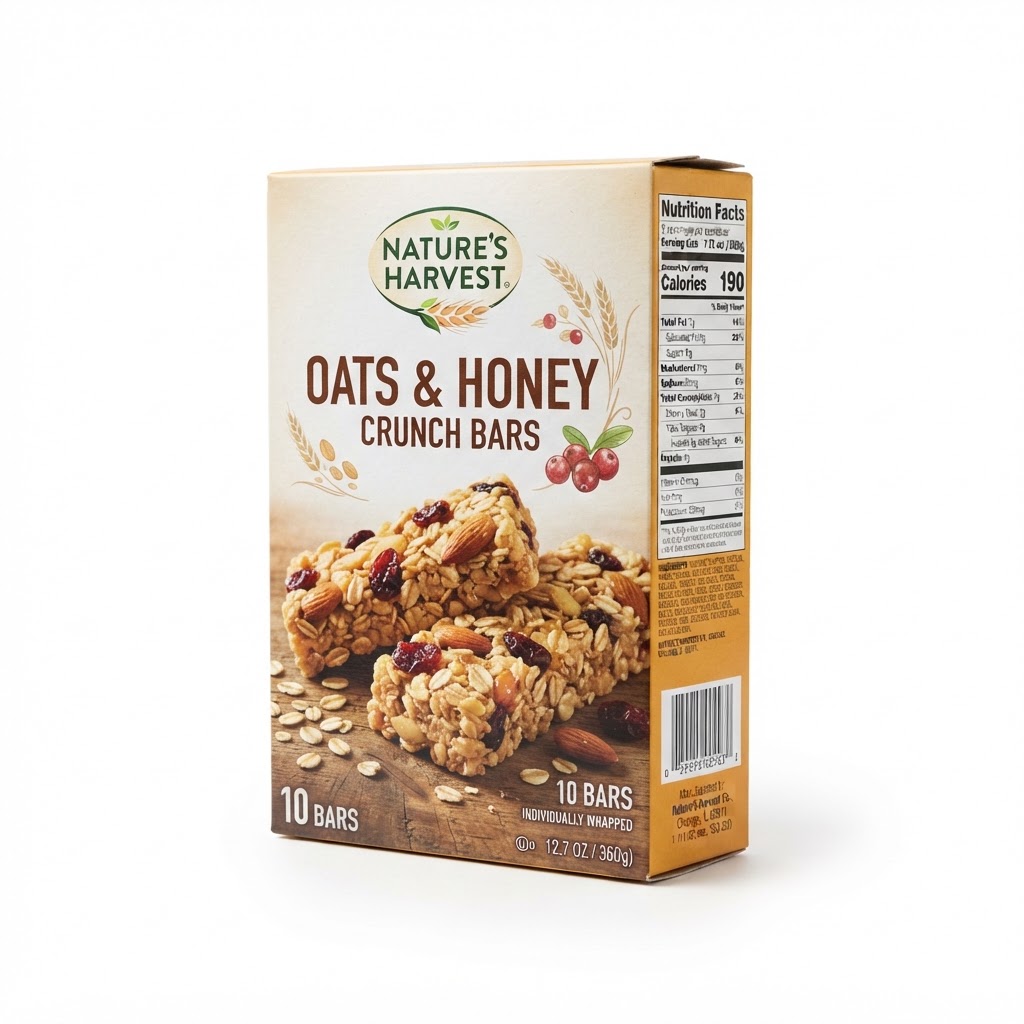
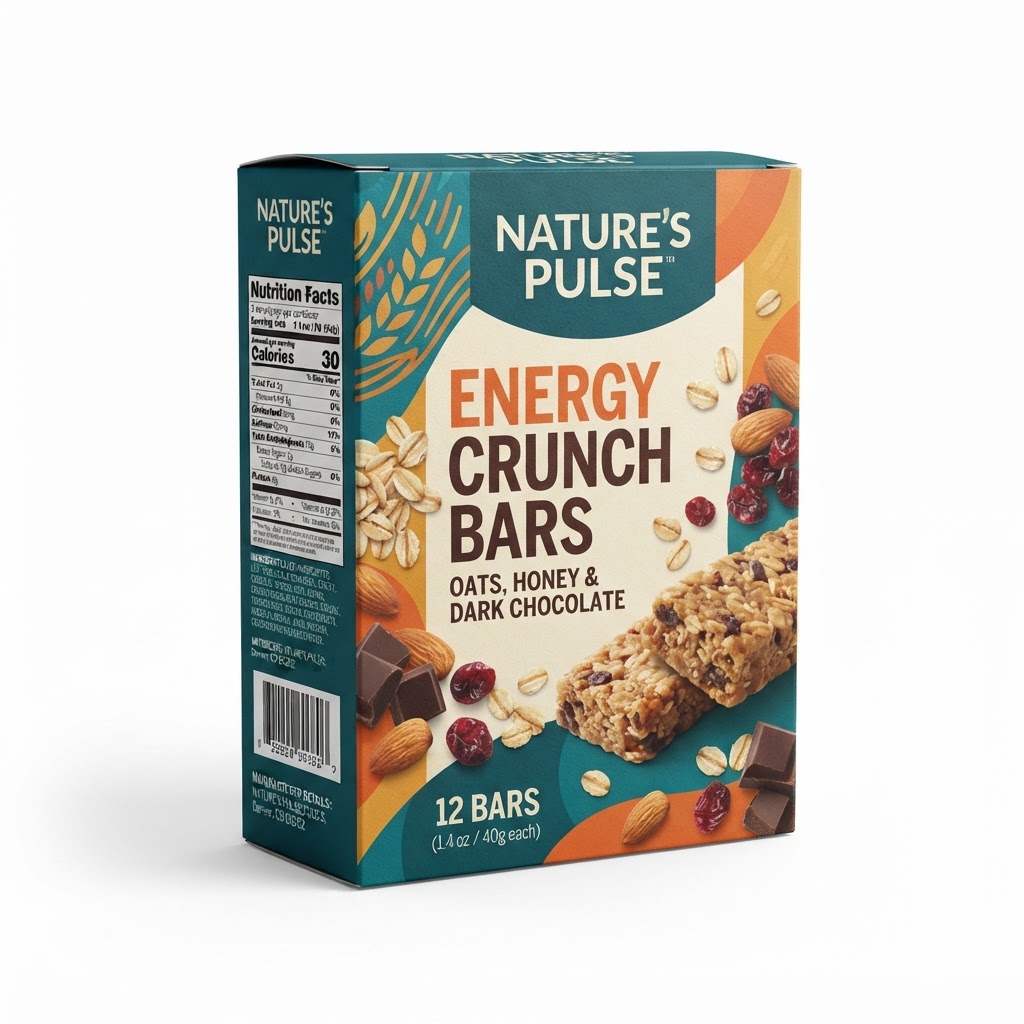
Custom cereal bar boxes organize individually wrapped oat bars, breakfast bars, crisped-grain snacks, fruit-and-cereal bars, and mixed snack assortments for grocery shelves, convenience stores, vending programs, cafeterias, hotels, clubs, subscription orders, and promotional sampling. They add structured space for flavor recognition, nutrition information, bar counts, barcodes, opening instructions, and brand storytelling while protecting flexible wrappers from rubbing, crushing, and merchandising disorder. Build each format around the sealed bar dimensions, wrapper seams, product fragility, count, arrangement, filling method, display plan, and distribution route. Custom Boxes Inc. can translate those inputs into an individual carton, multipack, sleeve, counter display, shelf-ready case, or ecommerce system that supports packing and product choice without claiming paperboard controls freshness, oil migration, or shelf life.

Select dimensions in cm, mm, inches, ml, or oz and more — whatever fits your product.

Choose the Stock, printing type, and enter your order quantity.

Upload your ready artwork — or just write “Need Design” and we'll handle it.

Fill in your name, contact number, and email for quick communication.

Solve a quick captcha and hit “Submit Quote” — it takes seconds!

Our expert will reach out ASAP with the best market rate from a top packaging provider.

After You Approve the Quote — Here's What Happens Next


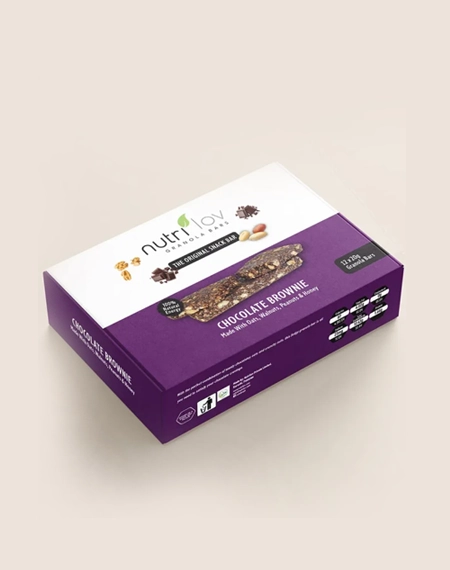
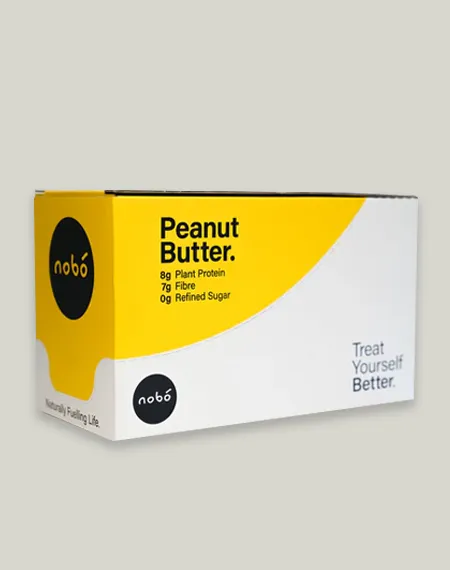
Custom cereal bar boxes are secondary packages for individually wrapped oat, grain, crisped-rice, fruit-and-cereal, breakfast, and snack bars sold singly or in grouped counts. Food brands, co-packers, private-label programs, retailers, hotels, schools, vending operators, subscription companies, and promotional distributors use them across grocery, convenience, hospitality, workplace, and direct-to-consumer channels. The buyer must decide whether the carton sells one bar, bundles several flavors, becomes a counter display, or travels inside a larger assortment. Priorities include wrapper protection, count accuracy, readable nutrition information, fast SKU recognition, shelf footprint, vending compatibility, replenishment, and efficient case packing. The outer box should prevent loose bars from shifting or becoming disordered without pressing flow-wrap seals, crushing brittle products, or implying that paperboard provides the food barrier. That distinction gives the page a clear role beyond standard cereal cartons and broader granola packaging. It also helps operations compare individual, multipack, display, and shipping configurations.
White SBS paperboard provides a smooth surface for detailed food graphics, small copy, barcodes, and controlled color on individual cartons and retail multipacks. Natural kraft creates a fiber-visible appearance for selected wholesome or craft-positioned brands, although pale colors and reversed text may need white ink or another contrast strategy. Folding boxboard can balance stiffness, printability, and lower weight when the verified grade suits the bar count, carton depth, and panel span. Recycled paperboard may suit appropriate secondary packages after evaluating odor, cleanliness, reverse-side appearance, printing, strength, and product-contact boundaries. Microflute corrugated board becomes more useful for countertop displays, shelf-ready cases, club packs, subscription assortments, or heavier multi-bar configurations requiring greater rigidity. Stock selection should reflect filled weight, grain direction, crease behavior, wrapper oils, humidity, perforations, windows, stacking, line equipment, and distribution. Any component that may contact food requires configuration-specific review; FDA explains that the status of a food-contact material depends on its individual substances and intended conditions of use.
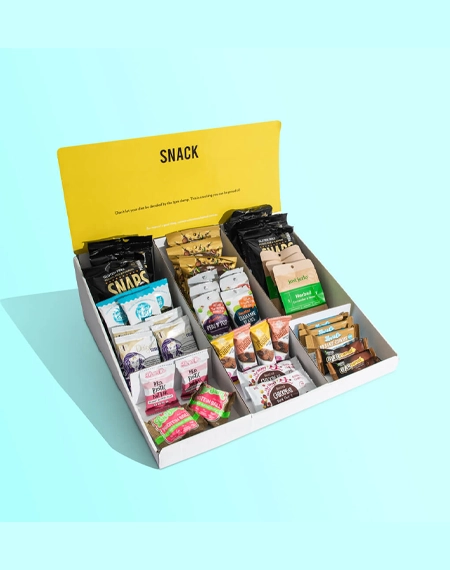
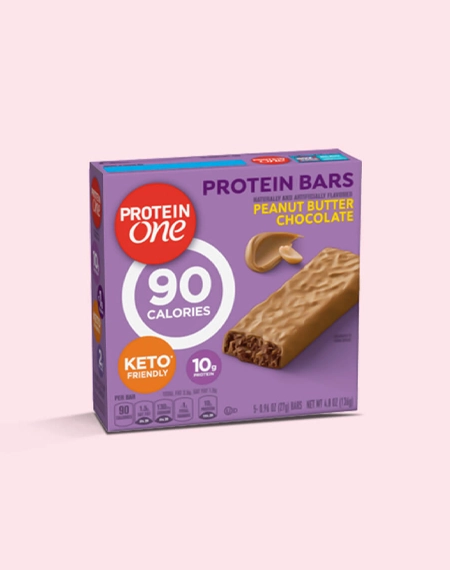
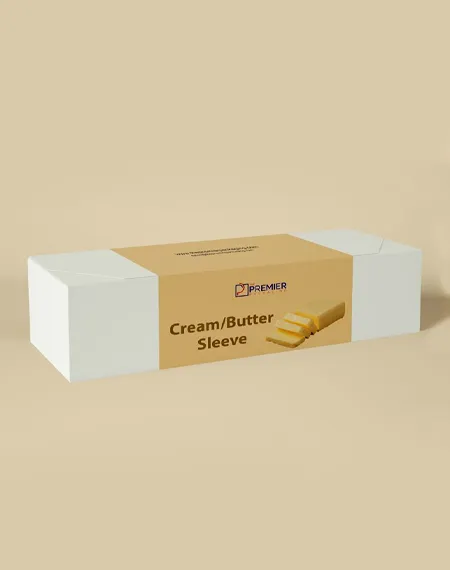
An individual carton can surround one flow-wrapped cereal bar when the brand needs more printable space, added rigidity, or a distinctive opening experience. Straight-tuck and reverse-tuck formats support compact retail packs, while seal-end or auto-bottom cartons may suit higher-speed filling or heavier grouped counts. Sleeves and belly bands bundle two or three wrapped bars for sampling, trial offers, or coordinated flavor sets with less enclosure. Counter displays and shelf-ready cases organize larger quantities for checkout areas, gyms, cafes, convenience stores, and club retail, often using perforated opening panels. Partitions or paperboard rails can separate flavors, limit movement, and keep remaining bars upright after customers remove units. The carton must avoid loading pressure onto end seals, fin seals, tear notches, chocolate coatings, or brittle inclusions. Ecommerce orders normally need a corrugated outer shipper because a lightweight retail carton is not automatically parcel-ready.
Cereal bar shoppers often compare flavor, grain type, fruit or nut content, allergens, portion size, added sugars, protein, fiber, and pack count within seconds. The front panel should prioritize brand, product identity, variant, net quantity, and one supportable differentiator rather than crowding every nutrition message together. Information panels may need ingredients, allergen declarations, Nutrition Facts, business details, directions, barcodes, date fields, and storage guidance. FDA guidance states that required information should remain prominent, conspicuous, and readable, while certain small packages may qualify for alternative nutrition formats under specific conditions. Offset printing suits longer programs requiring fine copy and controlled repeated colors; digital printing supports prototypes, seasonal flavors, retailer exclusives, and shorter multi-SKU runs. CMYK reproduces photography and illustrations, while PMS colors can anchor navigation under an approved production standard. Keep barcodes, QR codes, and small reverse text away from folds, glue seams, perforations, and crowded artwork.
Finishes should support handling and information clarity before they serve decoration. Matte coating can reduce glare around nutrition panels and restrained natural-food branding, while gloss can intensify fruit imagery, flavor colors, and promotional graphics. Aqueous coating may provide light scuff resistance on compatible paperboard, subject to the selected stock, ink, packing process, and storage conditions. Foil, embossing, debossing, or spot UV can distinguish premium, seasonal, or gift-oriented lines when those effects do not compete with required food information. Tear strips and thumb notches can guide opening; reclosure tabs can help multipacks remain organized after the first bar is removed. Perforated display panels can convert a shipping or stocking carton into a retail tray, but their placement affects compression and tear behavior. Windows reveal wrapped bars but reduce board area and may expose products to more light or handling. Use features only after confirming packing speed, label space, bar access, case loading, and disposal expectations.
Measure the fully sealed flow wrap at its maximum length, width, thickness, and weight, including fin seals, end seals, tear notches, crimping, product bulges, and label overlays. Check representative bars after normal packing because brittle clusters, chocolate coatings, fruit pieces, and wrapper air can change the finished profile. For multipacks, define count, row arrangement, bar orientation, flavor sequence, divider thickness, finger access, and allowable movement. Internal dimensions should support loading and removal without crushing products or stressing seals; external dimensions change with board caliper, folds, glue seams, inserts, and closure style. The production dieline should identify cuts, creases, glue areas, locks, perforations, windows, barcode zones, date fields, Nutrition Facts space, bleed, and safe areas. Artwork must use the approved size because reducing a larger snack design can make required copy unreadable or move data across folds. Digital proofs confirm content and versions, while structural prototypes reveal wrapper fit, opening, display conversion, vending clearance, and case packing. Map flavors, counts, languages, retailers, promotions, and quantities before production tolerances are approved.
The primary flow wrap normally manages direct food contact and the barrier against moisture, oxygen, oils, aroma loss, and contamination. The carton protects that wrapper from abrasion, puncture, crushing, misalignment, and repeated retail handling while keeping counts and flavors organized. Paperboard should not be credited with extending shelf life, preventing oil migration, or preserving texture unless evidence covers the complete package and conditions. Dense cereal bars, brittle crisps, coated products, and mixed assortments create different compression, heat, and movement risks. Counter displays need stable remaining rows; vending cartons need predictable clearances; ecommerce multipacks may require corrugated outer protection and distribution testing. ISTA describes pre-shipment testing as a way to evaluate packaged-product performance against distribution hazards rather than relying only on assumptions. Right-sizing can reduce unused material and freight volume, but recyclable, compostable, recycled-content, and certified-fiber claims require documentation for the complete construction and market.
Begin the quotation with representative wrapped bars, maximum dimensions, weight, count, flavor assortment, sales channel, order quantity, preferred structure, board, printing, features, and delivery destination. Identify whether the package supports individual retail sale, a multipack, vending, counter display, hospitality service, club retail, sampling, or ecommerce. Custom Boxes Inc. can review the brief, identify missing structural or prepress decisions, and organize a proposed dieline and proofing path. Before production, approve dimensions, board, bar orientation, counts, inserts, artwork, food-information panels, barcodes, date fields, proof type, version quantities, case pack, and acceptance criteria. Quality checks may address cuts, creases, glue, closure, wrapper fit, print registration, barcode readability, flavor separation, count, and protective packing. Request your custom cereal bar box quote through the inquiry form, call (833) 565-0363, or email inquiry@customboxesinc.com with samples, quantities, artwork status, and destination.


Answers to Help You Order with Confidence
Individual cartons add printable space around one wrapped bar, sleeves bundle small trial counts, and folding cartons organize retail multipacks. Counter displays support impulse sales, while shelf-ready cases simplify stocking. The correct format depends on wrapper dimensions, bar count, filling method, display plan, distribution route, and customer access.
Usually not. The sealed flow wrap or other primary package normally manages direct food contact and the barrier against moisture, oxygen, oils, aroma loss, and contamination. The outer carton mainly protects wrappers from abrasion, puncture, crushing, and disorganization. Support any freshness or shelf-life claim with complete-system evidence.
Measure the fully sealed wrapper at its maximum length, width, thickness, and weight, including end seals, fin seals, tear notches, crimping, bulges, and labels. Check representative products from normal packing. For multipacks, also define count, orientation, flavor sequence, divider thickness, finger access, and allowable movement.
The required content depends on the product and market, but panels commonly address product identity, net quantity, ingredients, allergens, Nutrition Facts, business information, barcodes, and date fields. Claims need separate review. FDA guidance says required information should remain prominent, conspicuous, readable, and appropriately positioned on the package.
Yes, when the available proofing program supports them. A digital proof can confirm copy, flavor versions, barcodes, Nutrition Facts placement, and finish layers. A structural prototype can evaluate wrapper fit, seal clearance, loading, opening, multipack order, display conversion, vending compatibility, stacking, and case packing before production approval.
Custom Boxes Inc is a leading manufacturer and supplier of custom packaging boxes tailored for every product and industry. From startups to global brands, we empower businesses across the USA with cost-effective, high-quality, fully personalized packaging solutions — crafted with precision, delivered with speed. Whether you need eco-friendly cardboard boxes, rigid luxury boxes, or branded retail-ready display packaging — we've got you covered with endless customization options, low MOQs, and lightning-fast turnarounds.