

Select dimensions in cm, mm, inches, ml, or oz and more — whatever fits your product.

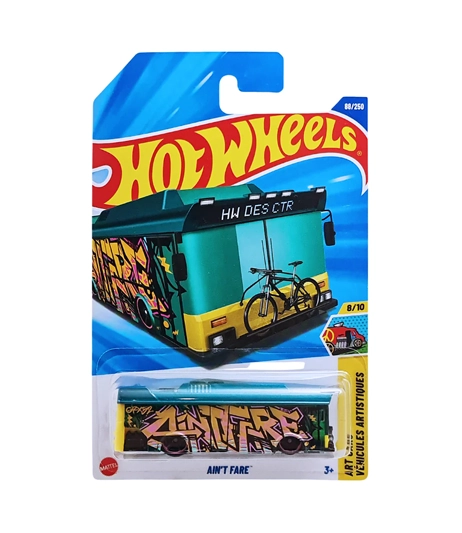
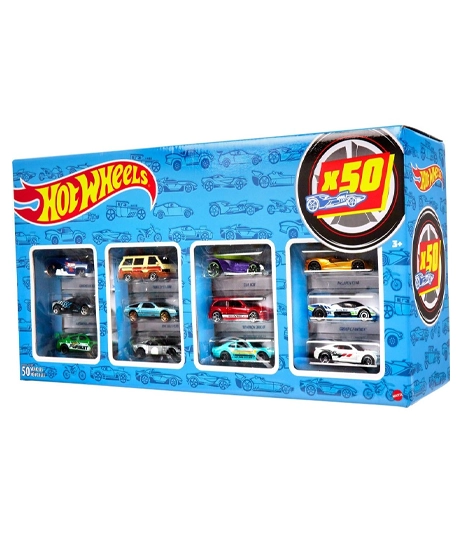
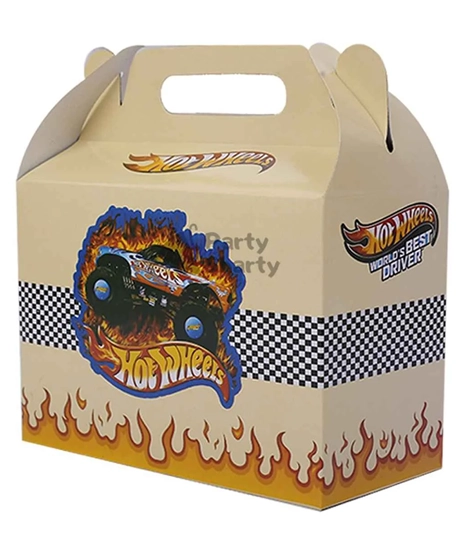


Custom Hot Wheels boxes provide branded retail, display, gift, and shipping formats for die-cast toy cars, collector editions, custom builds, race-event prizes, and promotional sets. Toy brands, licensed merchandise companies, hobby retailers, collectors, customizers, event organizers, and subscription businesses use them to organize vehicles, display model details, and protect painted surfaces or delicate card art. Choose dimensions, structure, paperboard, clear windows, inserts, printing, and finishes around the vehicle scale, wheelbase, blister size, card dimensions, accessory count, and sales channel. Hot Wheels is a Mattel brand, so branded logos, flames, character art, and trade dress should be used only with appropriate authorization. Share samples, measurements, quantity, artwork status, and licensing details with Custom Boxes Inc. to begin a project-specific quotation.

Select dimensions in cm, mm, inches, ml, or oz and more — whatever fits your product.

Choose the Stock, printing type, and enter your order quantity.

Upload your ready artwork — or just write “Need Design” and we'll handle it.

Fill in your name, contact number, and email for quick communication.

Solve a quick captcha and hit “Submit Quote” — it takes seconds!

Our expert will reach out ASAP with the best market rate from a top packaging provider.

After You Approve the Quote — Here's What Happens Next


Custom Hot Wheels boxes can support individual 1:64-scale cars, multi-car sets, collector editions, custom builds, accessories, and event giveaways when the customer owns or is authorized to use the relevant product and artwork. Buyers include toy companies, licensed merchandise suppliers, hobby retailers, die-cast customizers, collector clubs, event organizers, and subscription businesses. Retail programs often prioritize hang-tab display, clear vehicle visibility, readable model information, barcode placement, and resistance to shelf handling. Collector packaging may emphasize card protection, removable inserts, archival presentation, and controlled opening. Ecommerce orders need the presentation package to work with a separate shipping system when parcel handling creates impact or crushing risks. The main design challenge is balancing visibility with product restraint: loose cars can move, rub paint, or damage wheels, while tight cavities can stress axles, mirrors, spoilers, or card edges. A product-specific structure organizes the vehicle without implying affiliation with Mattel or other licensors.
SBS paperboard suits printed blister cards, folding cartons, and sleeves that need a smooth white surface, fine model text, and bright graphics. Natural kraft can support understated collector or customizer branding, although its brown base changes pale colors and photographic reproduction. Folding boxboard provides a balance of stiffness, printability, and relatively low weight for small window cartons. Corrugated board is more appropriate for multi-car sets, subscription shipments, protective mailers, or outer transit packaging. Rigid board may suit premium display sets when higher material use, assembled volume, and cost align with the product position. Clear PET or another verified transparent component may be used for windows or formed blisters, depending on the structure and supplier capability. Material selection should reflect card span, vehicle weight, insert load, hanging requirements, stacking, scuff exposure, and distribution route. Thicker stock can improve rigidity but changes creases, tabs, glue areas, storage volume, and cost. Confirm the exact grade, caliper, window material, adhesive, and recycled-content documentation before approval.
Blister cards combine a printed paperboard backer with a clear formed cavity that displays and restrains one vehicle. Window cartons use a paperboard enclosure with a transparent opening, providing more panel space and edge protection while keeping the model visible. Tuck-end cartons work for fully enclosed cars, accessories, or custom builds, and sleeve-and-tray formats create a collector-focused reveal. Two-piece or rigid boxes can present limited sets, dioramas, or premium multi-car assortments. Corrugated mailers are better suited to ecommerce shipping or subscription packs than thin retail cards. Inserts made from paperboard, molded fiber, foam, or another verified material can hold wheel positions, protect paint, and separate accessories. Cavities should avoid pressure on axles, mirrors, spoilers, and other projections. Hang tabs must account for the filled package weight and retail peg configuration. Collector cards may also need protective corners or removable mounting. Presentation packaging does not automatically replace outer shipping protection or distribution testing.
Offset printing suits larger runs of blister cards or cartons requiring detailed vehicle art, repeated color, and consistent model information. Digital printing can support shorter quantities, prototypes, collector editions, or frequent artwork changes when the selected press and stock fit the design. Flexographic printing may suit corrugated mailers or simplified graphics, while screen printing is generally reserved for specialty coverage. CMYK produces photographs and broad color ranges; PMS spot colors may define controlled brand elements under an approved production standard. White ink can improve contrast on kraft, metallic, or dark stocks, but opacity and registration should be tested. Artwork should include the vehicle name, scale, assortment number, age grading, warnings, barcode, business information, and required licensing notices. CPSC guidance requires specific choking-hazard warnings for certain toys containing small parts. The brand owner remains responsible for toy labeling, trademark permissions, and claim review. Use the approved dieline with bleed, safe areas, prepared fonts, and separate finish layers.
Matte coating can reduce glare on collector cards and support restrained artwork, while gloss coating increases reflectivity and can intensify vehicle photography. Aqueous coating may add light scuff resistance on compatible paperboard. Soft-touch lamination creates tactile contrast for premium sets, although handling marks and component separation should be reviewed. Foil stamping can emphasize a series name, numbering detail, or authorized logo, and embossing or debossing adds relief where card thickness and blister placement allow it. Spot UV can create selective contrast over a suitable printed or laminated surface. Clear windows and formed blisters provide product visibility but introduce mixed materials and attachment requirements. Paperboard inserts, wheel cradles, protective sleeves, and corner supports can reduce movement or card damage. Hang tabs support peg display only when the tab position and filled weight are evaluated. Tamper-evident seals or tear features may support retail control. Licensed brand marks, flame graphics, and recognizable trade dress should be used only with documented authorization.
Measure the actual vehicle at its maximum length, width, and height, including mirrors, spoilers, exposed wheels, antennas, or removable accessories. Record the scale, weight, wheelbase, ground clearance, and any delicate projections. For blister cards, provide the finished card width and height, blister footprint, flange area, cavity depth, hang-hole location, and required attachment zone. For cartons, distinguish internal product dimensions from external package dimensions and include inserts, display bases, instruction cards, or accessories. The production dieline should identify cuts, creases, glue areas, blister-seal zones, windows, hang tabs, bleed, safe areas, barcodes, warnings, and licensing notices. Artwork must use the approved version because dimensional changes can shift model information or branded graphics across folds and seals. Digital proofs help confirm content and placement; structural prototypes help evaluate vehicle fit, wheel restraint, cavity clearance, hanging, stacking, and opening. Tolerances depend on materials, forming, printing, cutting, and assembly, so acceptance criteria should follow the approved specification. Map shared structures and version-specific artwork across models, colors, scales, and assortments.
Die-cast car packaging should protect painted bodies, wheels, axles, card edges, and accessories from rubbing, impact, dust, and handling. Clear blisters restrain vehicles and provide visibility, but thin cavities can crack, crush, or separate from the card if forming and attachment are unsuitable. Window cartons add edge coverage, while inserts can transfer load through stable areas instead of mirrors, spoilers, or exposed wheels. Collector packaging may also need corner protection and scuff-resistant surfaces because package condition can influence perceived value. Ecommerce orders should place retail cards or display boxes inside an appropriately sized outer shipper with cushioning that limits movement. Right-sizing can reduce empty volume and material without creating pressure points. Paperboard, clear plastic, adhesive, foil, lamination, and foam may require separation before local recovery. Recycled content, certified fiber, recyclability, and reduced-plastic claims need documentation for the exact specification. Avoid environmental claims based only on one component when the finished package uses mixed materials.
Prepare the quotation request with vehicle samples or drawings, maximum dimensions, scale, weight, package quantity, model count, preferred structure, material, window or blister needs, inserts, printing, finishes, and delivery destination. State whether the project is for licensed retail merchandise, independent custom cars, collector storage, event awards, or promotional use. Provide documentation or approved artwork for any Hot Wheels logos, Mattel branding, character art, vehicle trademarks, or recognizable trade dress. Custom Boxes Inc. can review the submitted specifications and identify missing structural or artwork information. Before production, confirm the dieline, warning panels, licensing notices, color references, materials, proof type, assembly method, and acceptance criteria. Quality checks may cover dimensions, cuts, creases, blister attachment, cavity fit, hang-tab strength, insert placement, print registration, barcode readability, finish location, quantity, and final packing. Request a quote through the inquiry form, call (833) 565-0363, or email inquiry@customboxesinc.com with your project details.



Answers to Help You Order with Confidence
SBS paperboard works well for printed cards and cartons, while folding boxboard suits lightweight window packages. Corrugated board supports larger sets or shipping, and rigid board may suit premium collector editions. Clear PET or another verified transparent material may be used for windows or blisters, depending on forming, attachment, and supplier capability.
Measure the model at its maximum length, width, and height, including mirrors, spoilers, wheels, antennas, or accessories. Record the scale, weight, wheelbase, and fragile projections. For blister packaging, also provide the card size, cavity depth, flange area, hang-hole position, and any printed or accessory components sharing the package.
Yes, formed blisters, die-cut windows, paperboard cradles, molded fiber, foam, and protective trays may be considered when compatible with the product and production method. The insert should restrain the vehicle through stable areas without stressing mirrors, axles, spoilers, or wheels. Final suitability depends on dimensions, display goals, assembly, and distribution conditions.
Provide production-ready artwork on the approved dielline with bleed, safe areas, prepared fonts, linked images, barcodes, warnings, and separate finish layers. Include documented authorization for Hot Wheels logos, Mattel branding, licensed vehicle marks, character art, or recognizable trade dress. The rights holder or brand owner should review every licensing notice and regulated toy label.
Yes, a digital proof can confirm copy, model details, color references, warnings, barcodes, and finish locations before approval. A structural prototype or physical sample may be appropriate when vehicle fit, blister clearance, wheel restraint, hang-tab strength, card stiffness, insert performance, or collector opening requires evaluation beyond a screen-based proof.
Custom Boxes Inc is a leading manufacturer and supplier of custom packaging boxes tailored for every product and industry. From startups to global brands, we empower businesses across the USA with cost-effective, high-quality, fully personalized packaging solutions — crafted with precision, delivered with speed. Whether you need eco-friendly cardboard boxes, rigid luxury boxes, or branded retail-ready display packaging — we've got you covered with endless customization options, low MOQs, and lightning-fast turnarounds.