

Select dimensions in cm, mm, inches, ml, or oz and more — whatever fits your product.

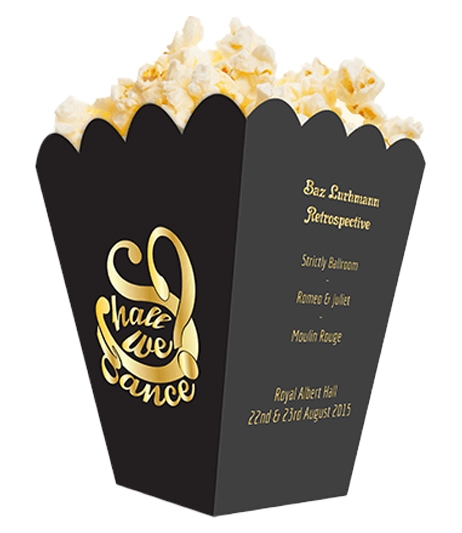
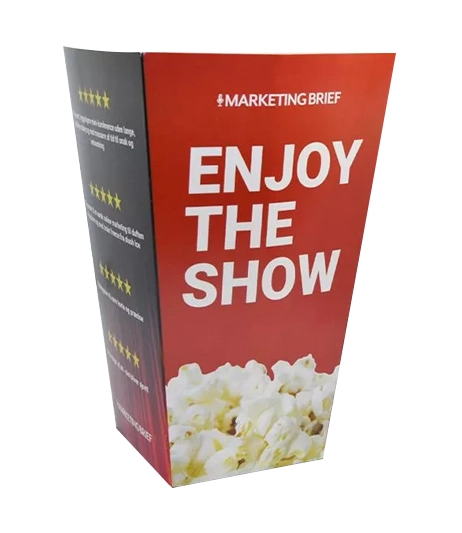

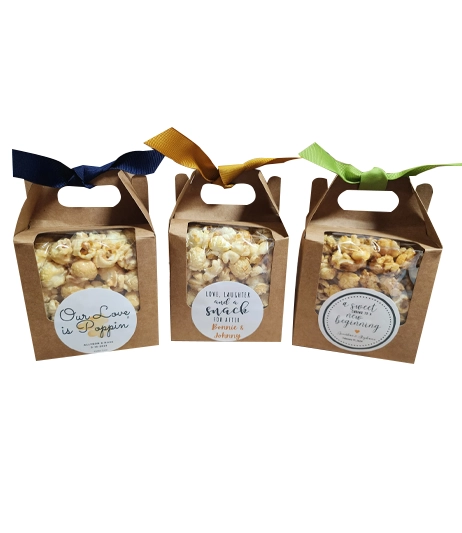
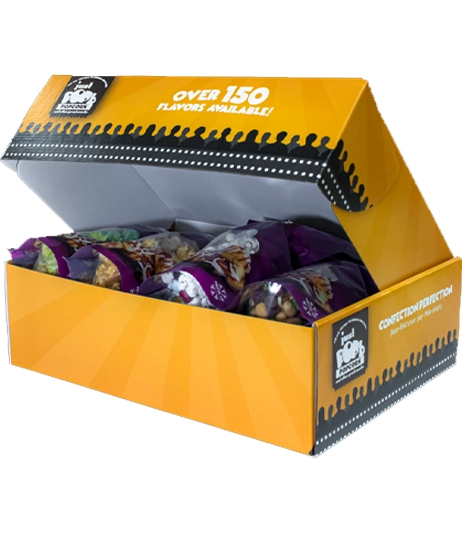
Custom Popcorn Boxes from Custom Boxes Inc. give theaters, concession stands, event planners, and gourmet popcorn brands a paperboard container sized and finished for how the popcorn actually reaches the customer, whether that is scooped fresh at a counter or presented as a sealed, gift-ready treat. We help you choose the construction, board, and closure that fit your specific use, then confirm the exact specification with you before production starts.

Select dimensions in cm, mm, inches, ml, or oz and more — whatever fits your product.

Choose the Stock, printing type, and enter your order quantity.

Upload your ready artwork — or just write “Need Design” and we'll handle it.

Fill in your name, contact number, and email for quick communication.

Solve a quick captcha and hit “Submit Quote” — it takes seconds!

Our expert will reach out ASAP with the best market rate from a top packaging provider.

After You Approve the Quote — Here's What Happens Next


Popcorn boxes look simple, but two boxes that look nearly identical on a shelf can need completely different specifications depending on one question: does the popcorn go directly into this box, or does this box go around popcorn that is already sealed in its own bag? That single decision drives board choice, coating, and cost more than shape or size does. Tell us how the popcorn actually reaches this box and we will start from the right specification instead of a generic default.
A direct-fill box, the kind scooped full at a concession counter or filled fresh for an event, puts loose popcorn straight against the board, so butter, oil, and steam are an immediate concern. A presentation box built to hold an already-sealed bag of popcorn, common for gourmet gift tins and retail-style boxes, has much less direct food contact, since the bag itself is doing that job. Neither approach is more correct than the other; they simply call for different board and coating decisions, so we confirm which one describes your product before recommending a stock.
An open top, whether a straight cut or the classic scalloped or flower-cut edge, suits fast concession service where the box needs to be scooped, handed off, and eaten from immediately. A closed top with an auto-lock bottom or a tuck-style closure suits gift boxes, wedding and party favors, and retail shelf presentation, where the popcorn needs to travel or sit before it is opened. A die-cut handle is worth discussing if your box needs to be carried, whether that is a fairground customer walking the midway or a guest taking a favor home from a reception.
Buttered popcorn brings enough oil and light moisture that an uncoated board can wick through faster than most people expect, especially in a direct-fill box. Ask about grease-resistant paperboard or a coated kraft option for your specification; the right choice depends on typical butter level, fill time before service, and whether the box needs to hold up through a two-hour movie or just a five-minute walk from the counter. If your box is an outer presentation piece around a sealed bag, a lighter, uncoated board is often perfectly appropriate, and there is no reason to pay for grease resistance you do not need.
A wedding favor box, a fairground snack size, and a family-size concession serving are not the same product wearing different artwork. Share your target fill volume and the context it will be used in, and we will match that to one of our standard popcorn box sizes or cut a custom dieline if your event or menu calls for something in between. Sizing a favor box too large wastes board and looks half-empty; sizing a concession box too small creates a line of customers asking for a second helping.
An auto-lock bottom erects and locks into place as the box opens, which speeds up filling at a busy counter and keeps kernels from working their way out through a loose seam. A tuck-style closed top adds a simple way to keep a gift or favor box shut in transit without tape. If your popcorn box will be carried rather than eaten from immediately, a folded or die-cut handle is worth including in the specification so it travels the way your customer or guest actually needs it to.
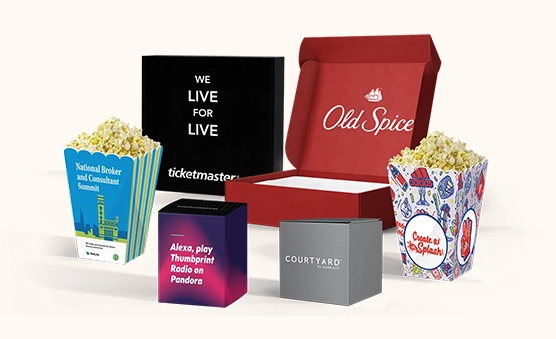
A popcorn box is meant to be seen, whether it is lined up at a concession stand, carried through a fairground, or sitting on a gift table, so exterior printing carries real weight here. Digital and offset CMYK or PMS printing are both available on kraft or white base stock, from a classic striped concession look to full-coverage branded artwork. A window is possible on a closed-top or gift-style box where you want the popcorn itself visible, though it reduces board coverage and works better on lower-oil recipes than a heavily buttered one.
A well-specified popcorn box protects and presents your popcorn for normal service, gifting, or short-term carrying. It is not a freshness or shelf-life system, and we will not tell you it keeps popcorn crisp for days or makes it microwave-safe, because that depends on the popcorn itself, any inner bag, and storage conditions far more than the box. If extended freshness matters for a retail or gift product, tell us the intended shelf time and we can talk through pairing the box with a sealed inner bag rather than relying on the carton alone.
A digital proof confirms your artwork, colors, and layout before anything is cut. For a first order, or whenever fit and closure genuinely matter, such as a wedding date that cannot move, a physical sample lets you test the real thing: fill it the way it will actually be filled, check how the top opens or locks, and confirm the size looks right next to the product it is meant to hold. Catching a sizing or closure issue on a sample is far cheaper than catching it across a full production run.
Board choice, print coverage, number of designs, and any added finishing such as foil stamping, a die-cut handle, or a window are the main cost drivers on a popcorn box order, more so than the box shape itself. Starting quantities can be as low as 50 units for select paperboard designs, and your project specialist will confirm the exact minimum and pricing tiers for your specification. Production typically runs about 4 to 6 business days once artwork is approved, though a custom dieline, multiple designs, or added finishing can extend that window; we give you a real date tied to your actual order rather than a generic estimate.
Custom Boxes Inc. helps theaters, concession stands, event planners, and gourmet popcorn brands turn a popcorn box into packaging that actually fits how it will be used. Share whether popcorn goes directly into the box or into a sealed bag first, your expected order quantity, and the occasion it needs to serve, and we will confirm a construction, board, and closure that fits before anything goes into production. Contact Custom Boxes Inc. at Quotes@Customboxesinc.Com or +1 833-565-0363, or complete our online quote form to get started.


Answers to Help You Order with Confidence
A direct-fill box holds loose popcorn against the board itself, so it typically needs a grease-resistant or coated stock. A box used as outer presentation around an already-sealed bag has less direct food contact, which can open up lighter board and finish options. Tell us which applies and we will recommend accordingly.
Sizing ranges from small favor and gift boxes up to larger concession-style servings, based on the volume of popcorn you need to hold. Share your target fill volume and typical serving context, and we will match that to a standard size or a custom dieline if your event calls for something in between.
Both are available. An open, scalloped or straight-cut top suits fresh-scooped concession service, while a closed top with an auto-lock or tuck closure suits gift, favor, or retail-style presentation. We will confirm which top style fits your specific use during the quote conversation.
Grease-resistant paperboard and coated kraft are both common choices for direct-fill popcorn boxes. The right option depends on your typical butter or oil level and how long the box stays filled before it is eaten, so we confirm the exact board and coating with you rather than assuming one default covers every recipe.
Starting quantities can be as low as 50 units for select paperboard designs, with your project specialist confirming the exact minimum for your chosen size and construction. Production generally runs about 4 to 6 business days after proof approval, though a custom dieline or added finishing can extend that timeline.
Custom Boxes Inc is a leading manufacturer and supplier of custom packaging boxes tailored for every product and industry. From startups to global brands, we empower businesses across the USA with cost-effective, high-quality, fully personalized packaging solutions — crafted with precision, delivered with speed. Whether you need eco-friendly cardboard boxes, rigid luxury boxes, or branded retail-ready display packaging — we've got you covered with endless customization options, low MOQs, and lightning-fast turnarounds.