

Select dimensions in cm, mm, inches, ml, or oz and more — whatever fits your product.

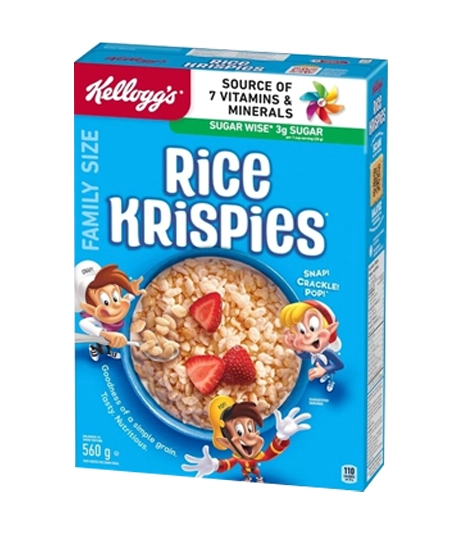
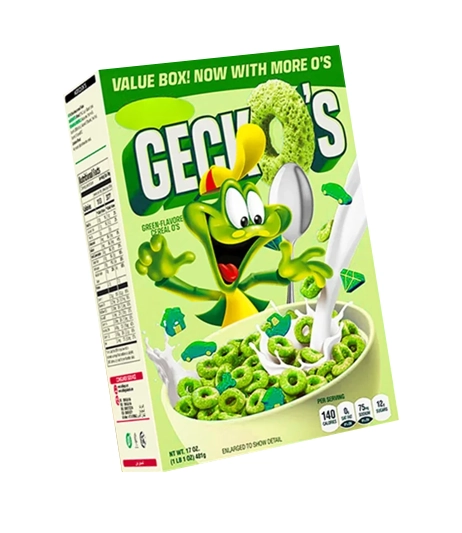
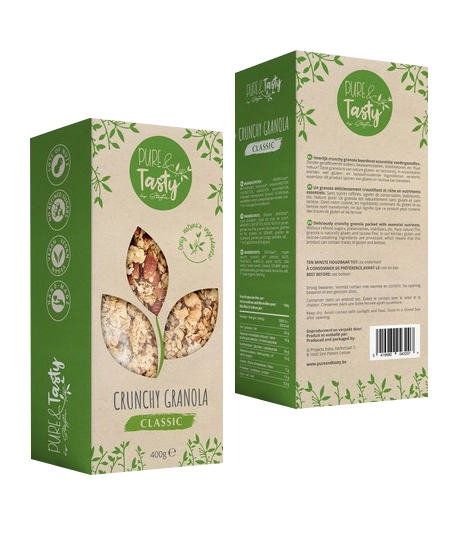
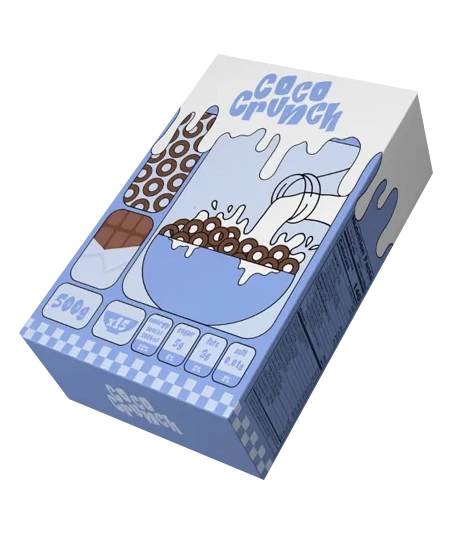
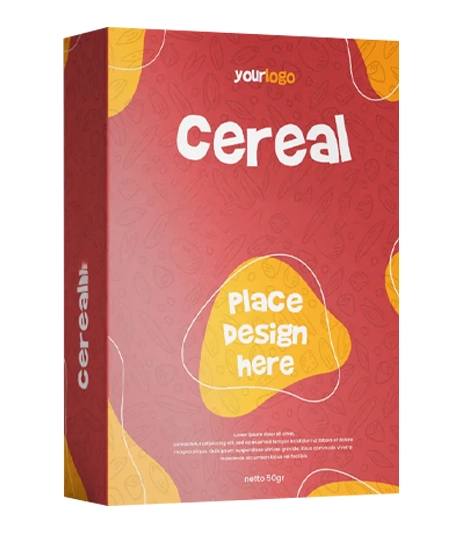
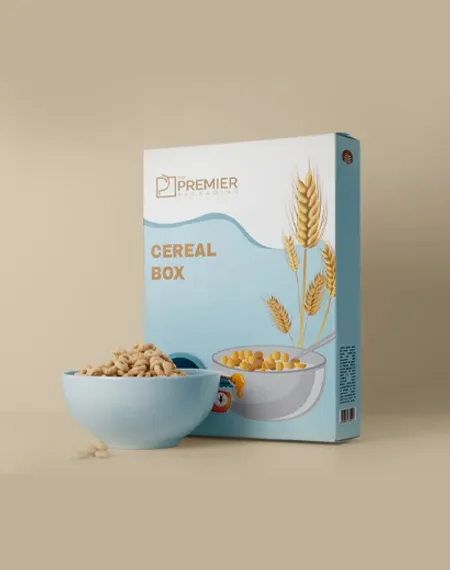
Custom cereal boxes give bagged breakfast cereal a structured retail pack with room for clear branding and product information. From delicate corn flakes to dense granola clusters, Custom Boxes Inc. helps you choose dimensions, paperboard, closures, and printing around the cereal you actually sell. Bring your filled inner pack or measurements; we’ll help turn them into shelf-ready packaging with free design assistance and fast production options.

Select dimensions in cm, mm, inches, ml, or oz and more — whatever fits your product.

Choose the Stock, printing type, and enter your order quantity.

Upload your ready artwork — or just write “Need Design” and we'll handle it.

Fill in your name, contact number, and email for quick communication.

Solve a quick captcha and hit “Submit Quote” — it takes seconds!

Our expert will reach out ASAP with the best market rate from a top packaging provider.

After You Approve the Quote — Here's What Happens Next


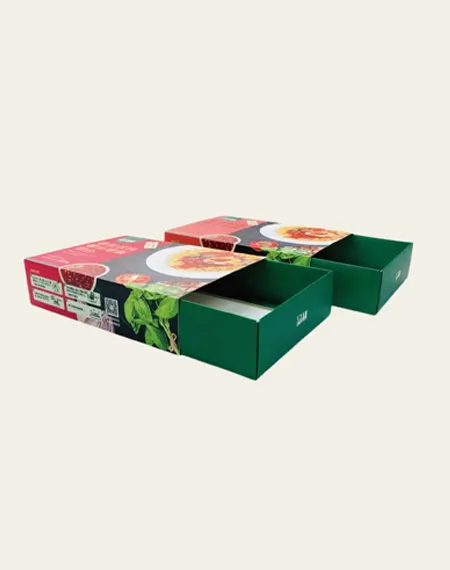
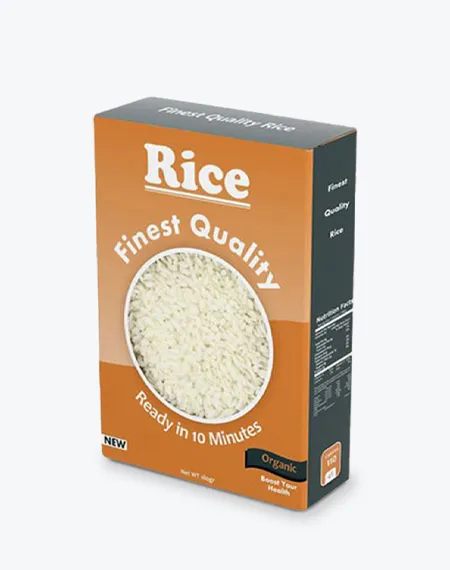
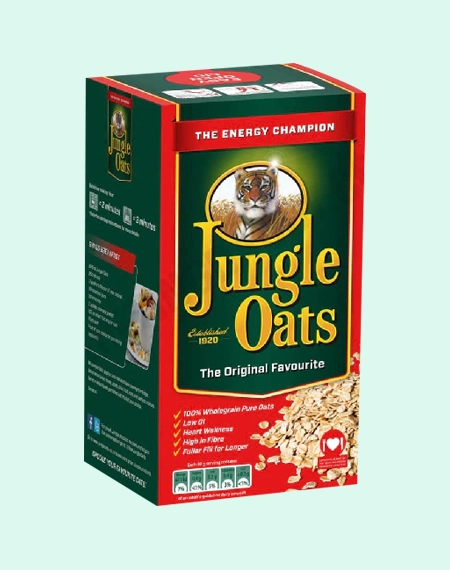
Your cereal box has several jobs before a customer pours the first bowl. It must accommodate the filled bag, close correctly, stand neatly on a grocery shelf, and make the variety easy to recognize. A carton that looks right on screen can still leave packing staff struggling with tight openings or crowded information panels. We start with your cereal, its primary packaging, and the way you fill and sell it. Those details guide the structure, board, and artwork, giving you custom cereal packaging that supports a practical launch or a more consistent reorder.
Equal cereal weights do not necessarily need equal box sizes. Airy flakes and puffed grains occupy space differently from compact granola or muesli blends. Measure the filled, sealed bag as it will sit inside the carton, including gussets, seal extensions, and the room needed to load it. Share internal length, width, and depth in inches or millimeters, together with filled weight. If you only have a sample or an existing box, we can help establish the dimensions. We also consider shelf height and the front-facing width available to your brand. The aim is usable clearance without excessive empty space. A forced fit can bow panels or put pressure on fragile cereal; an oversized carton can make packing and shelf presentation less consistent.
The outer paperboard carton provides structure, printable surfaces, and handling protection around your primary pack. Moisture and oxygen protection must come from an appropriate packaging system selected for your cereal and intended shelf life. We size the box around your separately sourced inner bag or liner. A decorative coating or tuck closure does not make an ordinary carton airtight. If your design involves direct cereal contact, discuss that requirement before choosing materials so the complete construction can be assessed for its intended use.
Hand-packed cereal launches and established filling lines need different assembly plans. Straight-tuck and reverse-tuck cartons have tuck flaps arranged on the same or opposite panels. They can suit manual loading when the opening and bottom support match the filled bag. Seal-end cartons use glued end flaps and need a compatible closing process. For suitable heavier configurations, an auto-bottom design can simplify erection while providing a preglued base. We review the load and assembly method before recommending either option. Tell us how customers should open and close the pack. A reclosure tab can hold the carton shut between servings, while the inner package needs its own appropriate closure.
Smooth white paperboard supports bright cereal photography, clear flavor colors, and readable small print. Kraft cereal boxes offer a natural brown appearance, but that base color changes how artwork looks. We can discuss contrast and suitable ink options before you commit to the design. Board selection also depends on panel size, filled weight, and stacking conditions. Increasing thickness affects folding and cost, so it should solve an identified need. Recycled-content stock can be discussed where suitable; any environmental statement should describe the actual material and finished package.
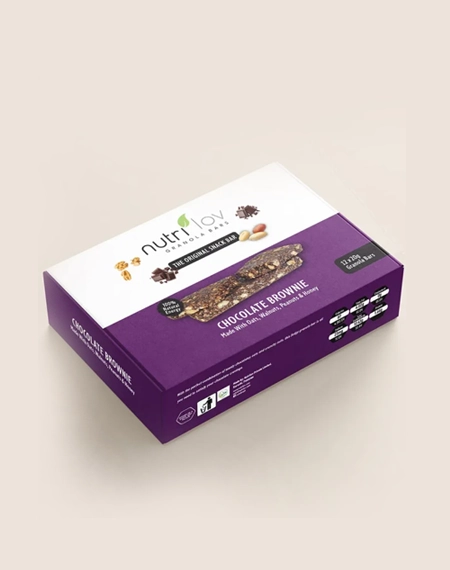
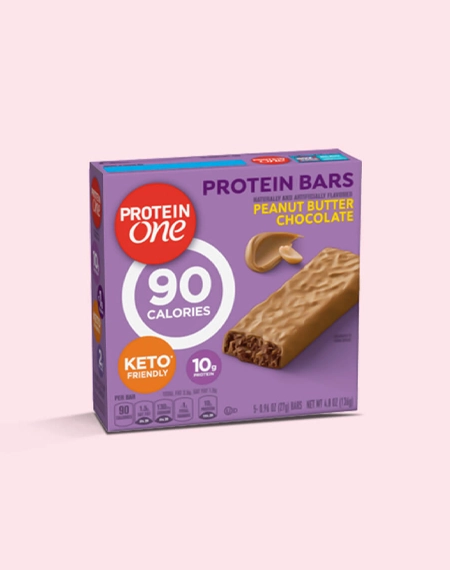
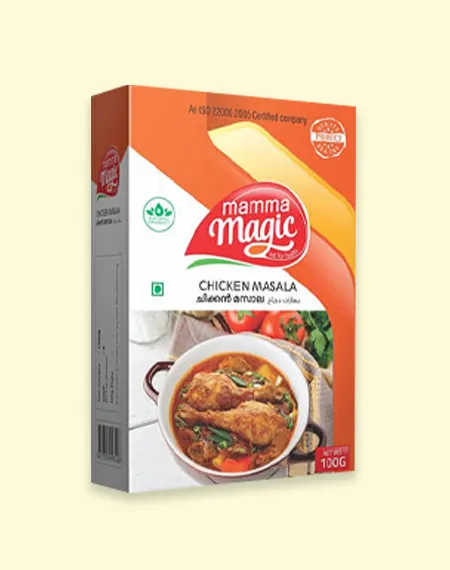
Custom printed cereal boxes need a clear reading order: brand, cereal type, variety, and the message that helps shoppers choose. We arrange your logo, photography, and flavor cues across the available panels while preserving space for product information.
Provide your approved Nutrition Facts, ingredients, allergen information, net quantity, and business details. Reserve a suitable area for your barcode and any date or lot coding applied during packing. Food labeling requirements and product claims remain your brand’s responsibility; our design assistance helps place the supplied content on the dieline. Keep barcode artwork on a smooth panel with the required clear space. Across multiple flavors, consistent layouts and distinct variety names help shoppers compare products and help your team manage artwork versions.
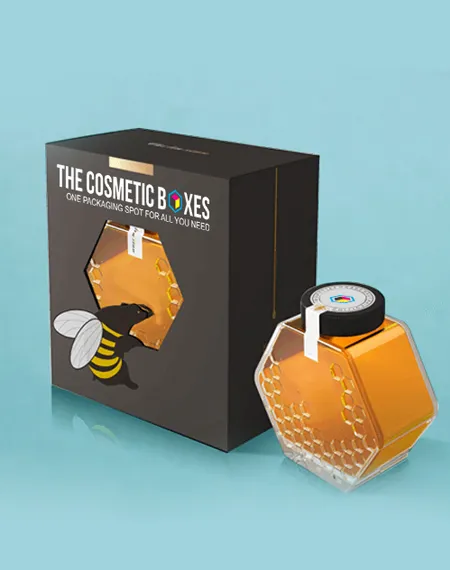
Full-color CMYK printing suits cereal imagery and illustrated branding. Spot colors may be useful for specific brand requirements, with the print method selected around quantity, substrate, and artwork. Matte or gloss finishes change the visual effect; selective foil or embossing can emphasize a logo where the design and budget support it. We help keep decorative treatments away from critical reading and scanning areas. If you want a window, we first consider the inner pack, remaining board strength, and lost label space. Confirm every added component before making recyclability or plastic-free claims.
A useful quote for wholesale cereal boxes shows how dimensions, board, printing, finishes, and quantities affect the order. Share the number of flavors and quantity per design. Several short artwork runs can cost differently from one longer run, even when the total box count is identical. Folding cartons are typically supplied flat to simplify storage before filling. Keep them clean and dry, and plan the assembled cartons within your distribution case. Ecommerce cereal orders may need separate corrugated outer protection; the retail carton should be evaluated as part of the complete shipment.
Free design assistance helps translate your branding into a usable carton layout. We help with dielines, artwork placement, bleed, and safe areas, then provide a digital proof for review. Check each flavor name, information panel, barcode, and opening direction before approving it. A screen proof cannot confirm physical fit or exact printed color. Discuss a physical prototype when those checks are important. Share your required delivery date early so production and transit can be planned separately around artwork approval and the confirmed structure.
Send Custom Boxes Inc. your filled-pack measurements, order quantity, flavor count, and artwork status. We’ll help you choose a practical carton and prepare a custom quote. Email Quotes@Customboxesinc.Com, call +1 833-565-0363, or complete the quote form with what you know. If the size or style is undecided, include a product photo and tell us how you plan to pack and sell your cereal.

Answers to Help You Order with Confidence
Yes. Send a filled, sealed cereal bag, its measurements, or photos alongside your intended pack weight and sales channel. We can help determine the carton dimensions and closure style, then discuss a physical fit check where needed.
Our standard approach is an outer carton around your suitable inner bag or liner. Direct contact requires a separately assessed material and packaging specification, so please raise it before ordering. The printed carton alone should not be relied on to provide the moisture barrier or shelf life your cereal needs.
Supported paperboard configurations may start at 50 boxes, with the minimum confirmed for your size, printing, and finish. Tell us the quantity required for each flavor or artwork version so we can price the actual production runs. We can also compare larger quantities if you are planning regular restocks.
Free design assistance includes help preparing the carton layout and supplied artwork for print. Approved orders receive a digital proof; a physical prototype is a separate option whose availability and cost depend on the project. Share AI, PDF, PSD, or EPS artwork if available, or let us know what design help you need.
Production normally takes 4–6 business days after payment, final artwork approval, and structure confirmation. Transit time is additional, and complex finishes or multiple artwork runs can require a different schedule. Include your ZIP code and required arrival date so we can confirm the production plan, delivery estimate, and shipping terms in your quote.
Custom Boxes Inc is a leading manufacturer and supplier of custom packaging boxes tailored for every product and industry. From startups to global brands, we empower businesses across the USA with cost-effective, high-quality, fully personalized packaging solutions — crafted with precision, delivered with speed. Whether you need eco-friendly cardboard boxes, rigid luxury boxes, or branded retail-ready display packaging — we've got you covered with endless customization options, low MOQs, and lightning-fast turnarounds.