

Select dimensions in cm, mm, inches, ml, or oz and more — whatever fits your product.

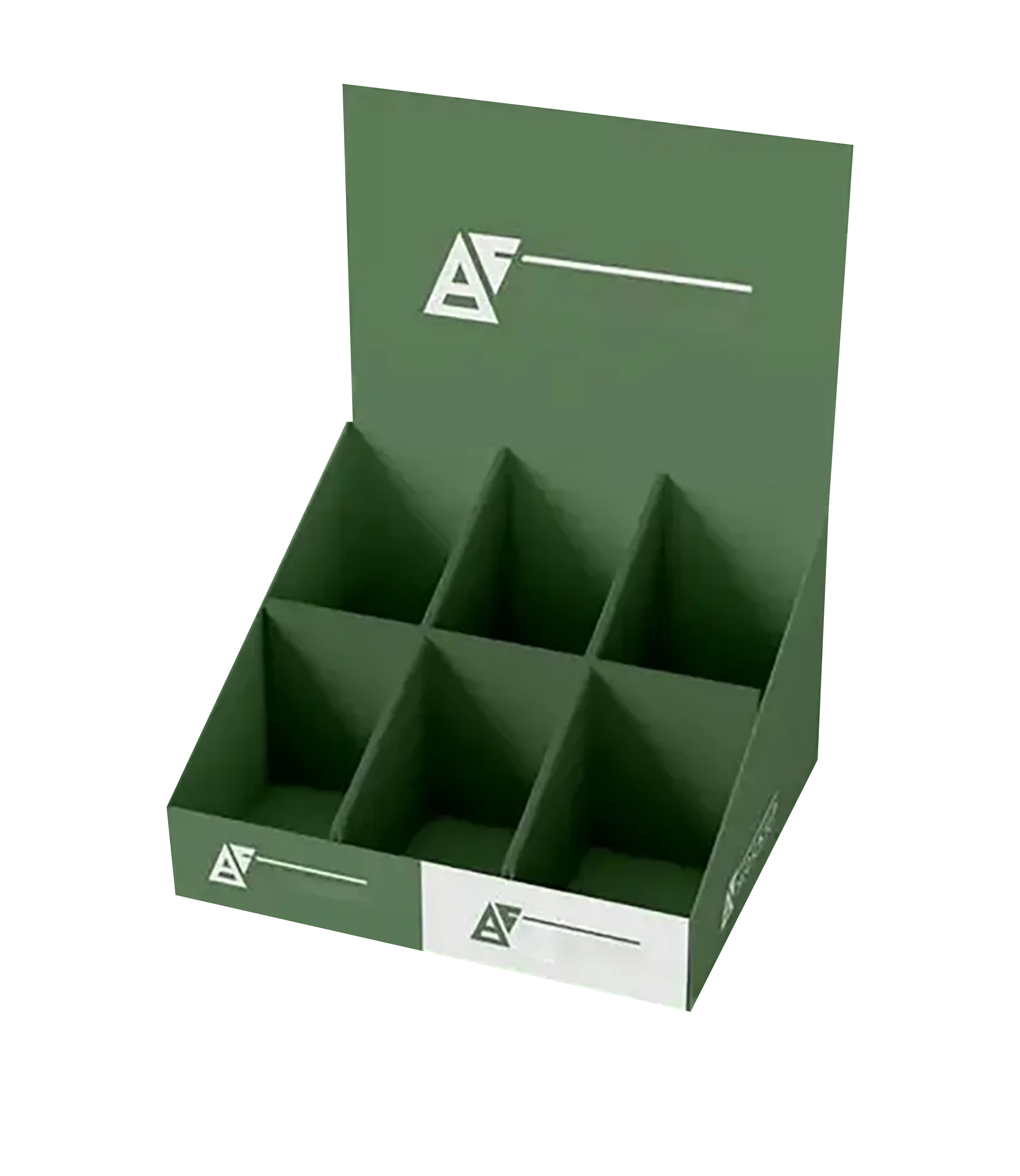


Custom product boxes give each item a fitted, branded package that helps customers recognize what they are buying. Loose contents, awkward openings, and crowded panels can undermine a carefully developed product. Custom Boxes Inc. helps you bring the dimensions, closure, material, inserts, and artwork together around the actual contents. From a single product to a coordinated range, we guide the packaging decisions, support your design for free, and plan production around the quantities and delivery date your business needs.

Select dimensions in cm, mm, inches, ml, or oz and more — whatever fits your product.

Choose the Stock, printing type, and enter your order quantity.

Upload your ready artwork — or just write “Need Design” and we'll handle it.

Fill in your name, contact number, and email for quick communication.

Solve a quick captcha and hit “Submit Quote” — it takes seconds!

Our expert will reach out ASAP with the best market rate from a top packaging provider.

After You Approve the Quote — Here's What Happens Next


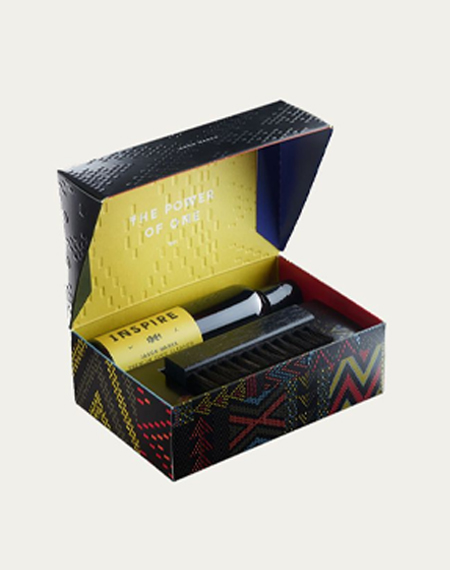
A product box should make the item inside feel complete: properly held, clearly identified, and straightforward to take out. Begin by defining exactly what the customer receives. Is it one finished item, a pair, or a set with instructions and accessories? That decision shapes the space, support, and printed information the package needs.
Our team helps turn those contents into a practical packaging specification. Share the finished product or representative details, including anything that complicates packing. The recommendation should account for the whole selling unit, down to the accessory that would otherwise end up loose.
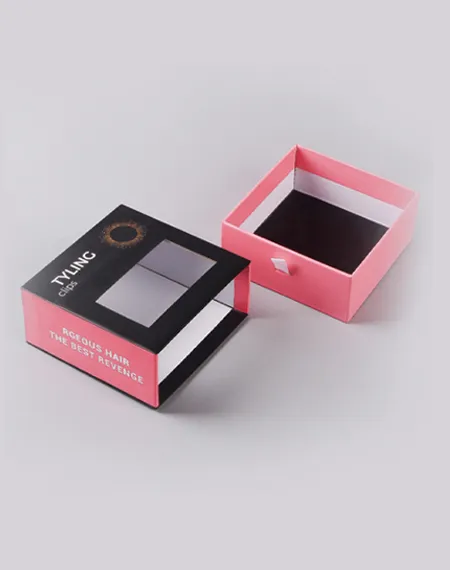
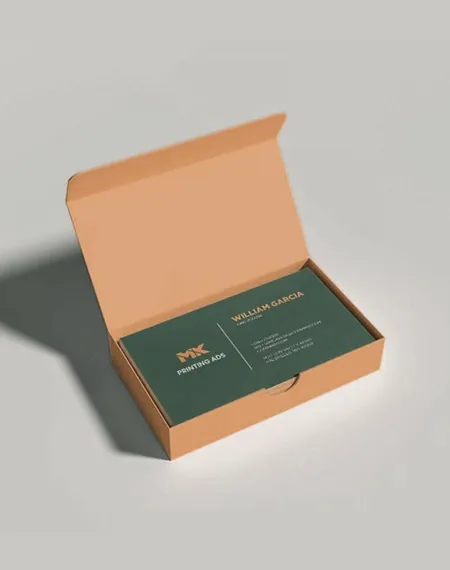
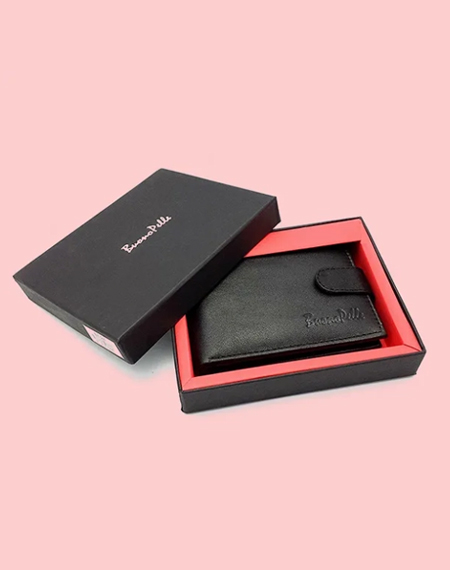
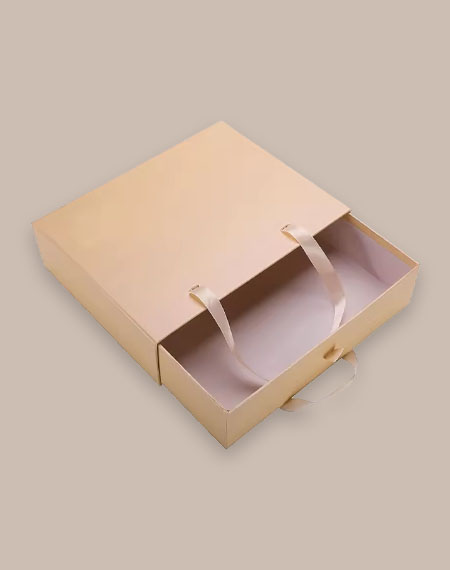
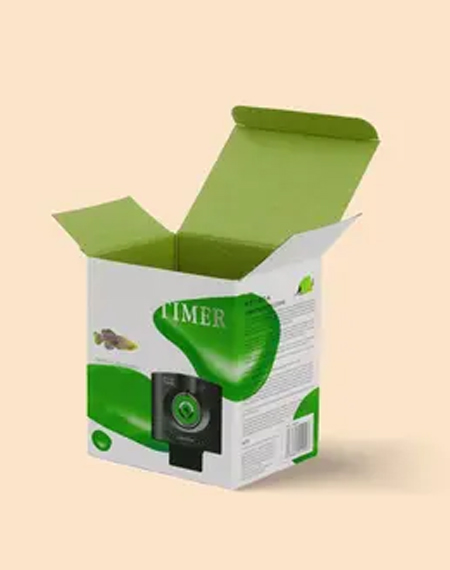
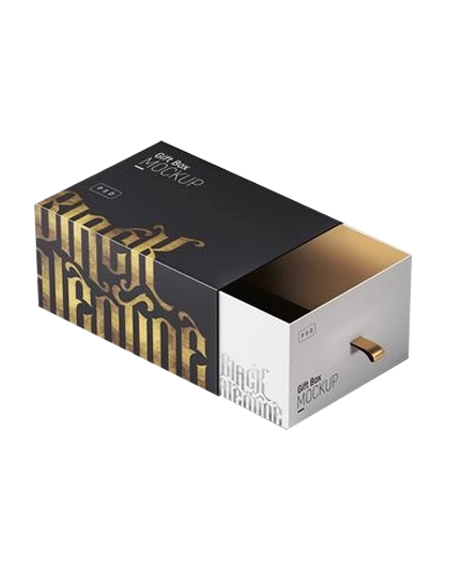
Many printed product cartons use tuck closures because the format accommodates straightforward loading and opening. A locking bottom or preglued auto bottom may be appropriate when the packing method or required support changes. An auto bottom can reduce manual bottom-folding steps, but the finished structure still needs to suit the product’s weight and dimensions. Discuss whether your team fills boxes by hand or uses packing equipment. Loading direction, flap clearance, closure sequence, and insert placement can affect that process. For presentation formats such as drawers or separate lids, also consider how customers grip and remove the product.
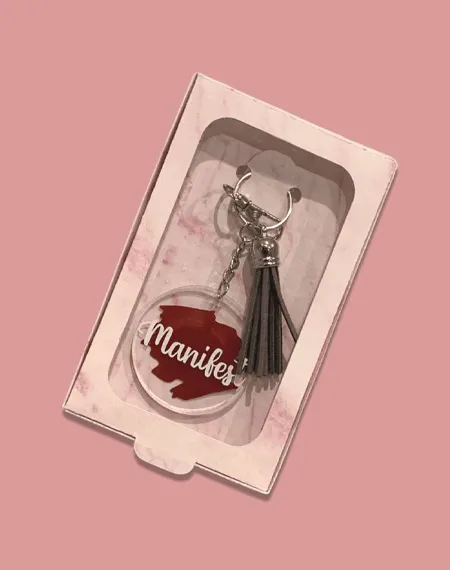
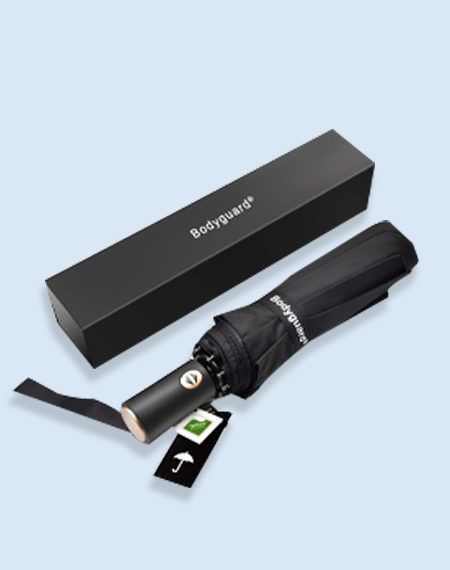
A cap, folded tag, hanging loop, or bundled cable can change the space a product needs. Measure the complete item in its intended orientation, using length units such as inches or millimeters. Include wrapping and any parts packed alongside it; a capacity or weight printed on a product label is not a box dimension. We help establish internal clearance for loading, support, and removal. External dimensions are a separate consideration because board, folds, and construction add to the finished size. If products vary slightly between batches, share that variation before the fit is approved.
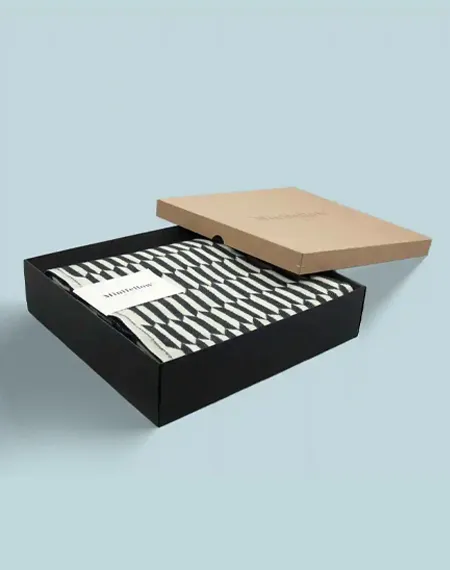
Paperboard and cardstock can provide a smooth printable surface for compact folding product boxes. Corrugated options introduce fluted construction for packs needing different support or handling characteristics. Rigid construction can suit a presentation product where a substantial box is part of the intended experience. White and kraft surfaces create different backgrounds for artwork. Choose the material alongside the product weight, panel span, closure, and insert arrangement; thickness alone does not establish load capacity. Tell us about sensitive surfaces, pointed components, or storage conditions so the recommendation addresses the contents. Any recycled-content preference should also be included when requesting material options.
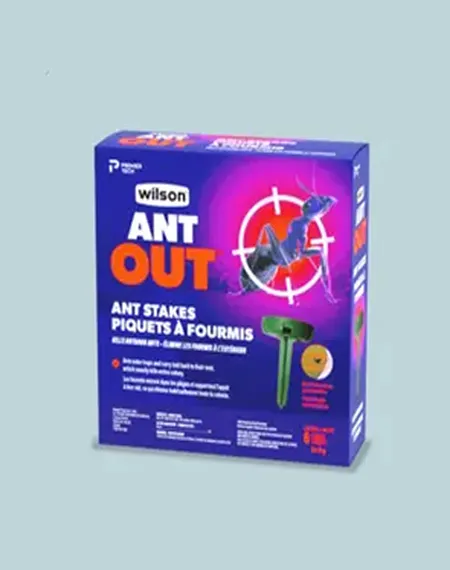
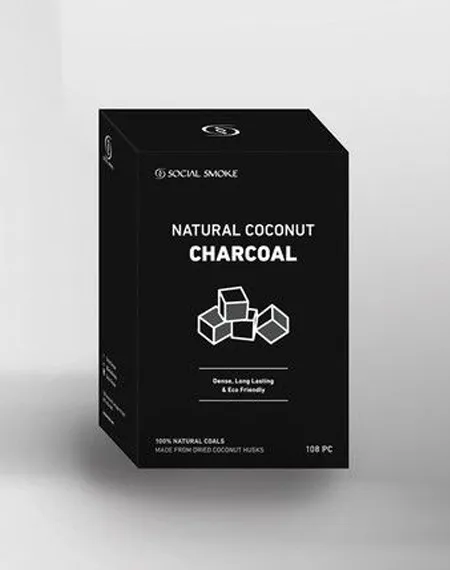
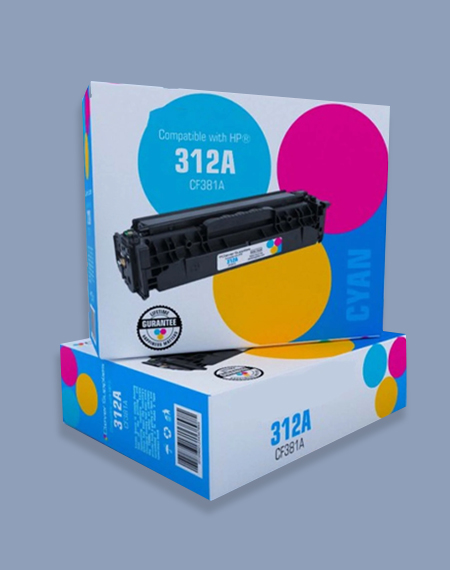
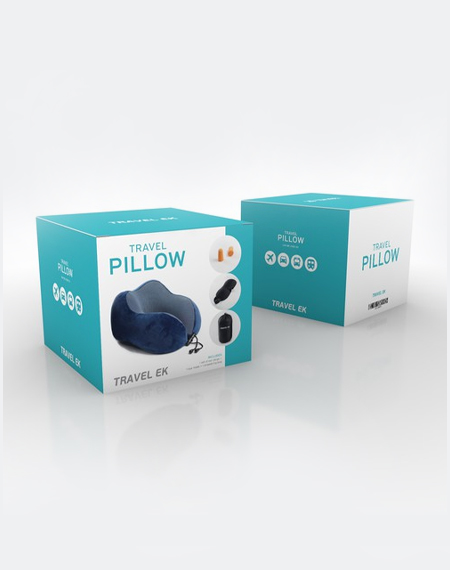
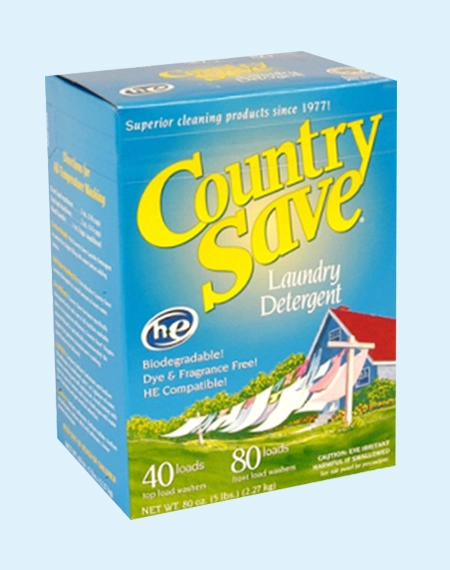
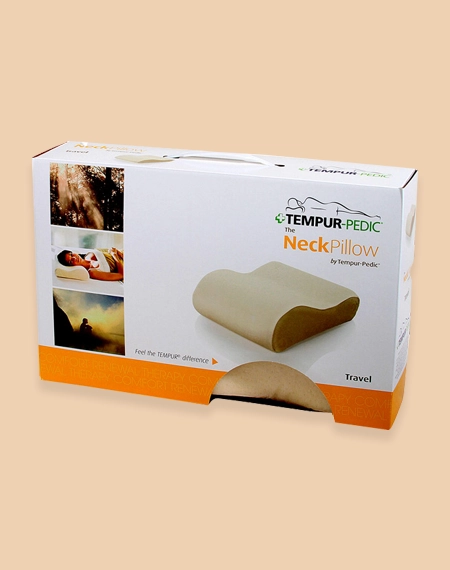
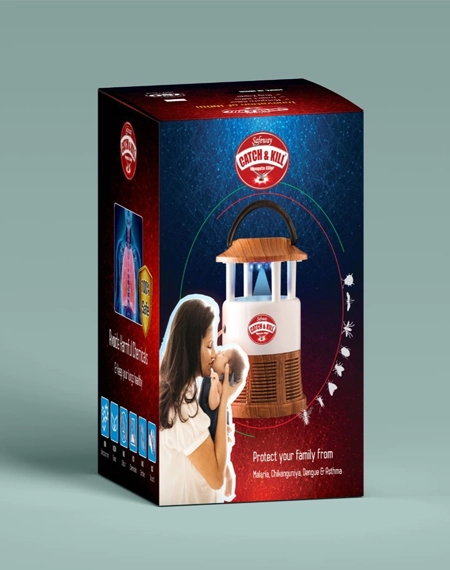
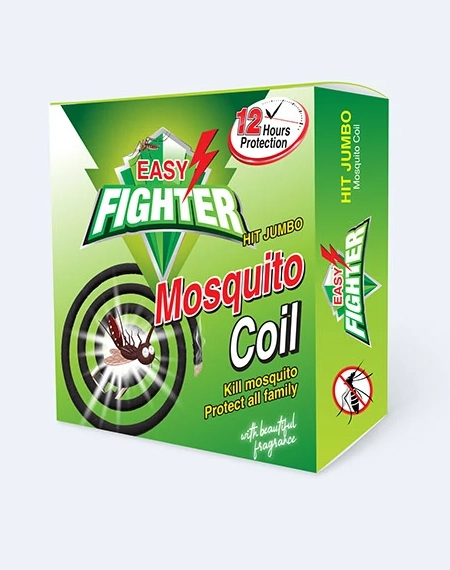
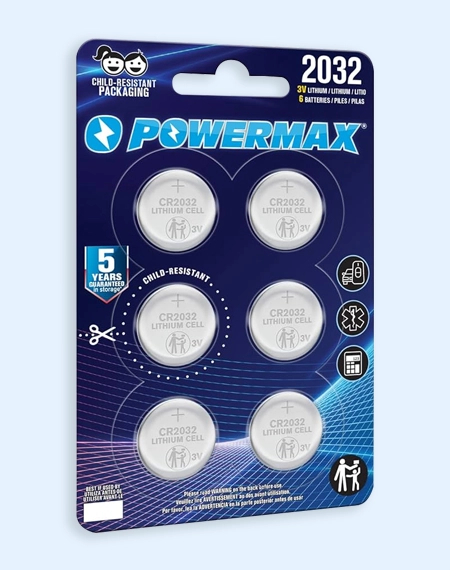
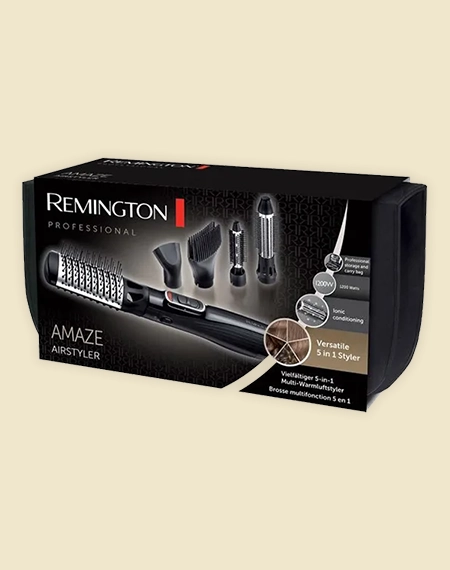
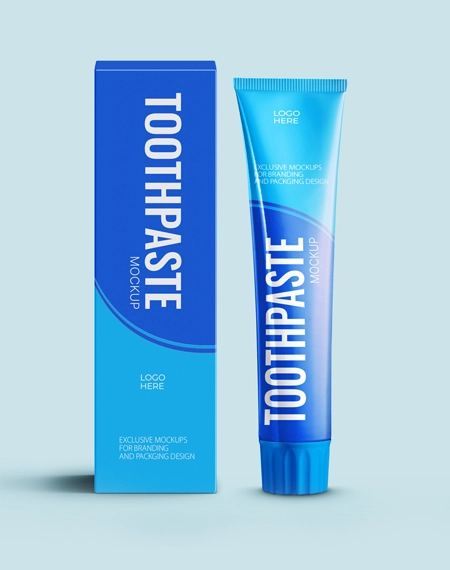
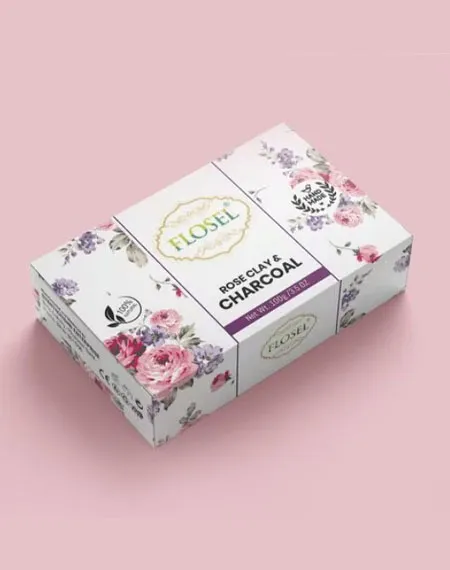
Custom printed product boxes need to distinguish the item as clearly as they identify the brand. Place the product name and distinguishing variation where customers can find them quickly. A different shade, scent, model, or pack quantity should remain recognizable within the collection’s shared design. Use supporting panels for instructions, contents, barcodes, and other supplied information. On smaller boxes, review the layout at actual size before adding more copy. A clean front panel cannot compensate for unreadable details elsewhere. For products such as cosmetics, coordinate the outer carton with the information and identity on the container.
Full-color printing can carry product imagery and a coordinated color system, while selected spot colors can support brand references. Interior artwork can introduce the product or explain what comes next when the box opens. We help plan printed areas around the assembled structure, including folds and hidden panels. Matte or gloss treatments, foil, embossing, debossing, and spot UV offer different ways to emphasize the design where the material and construction support them. Prioritize the detail that matters most to your brand. Confirm color expectations against the selected board and finish, since a digital display cannot reproduce every aspect of printed appearance.
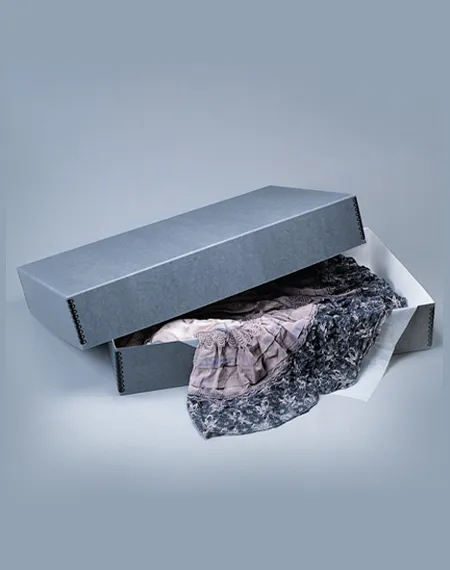
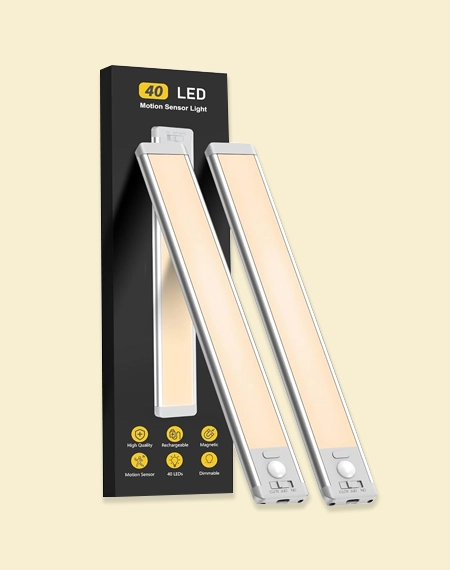
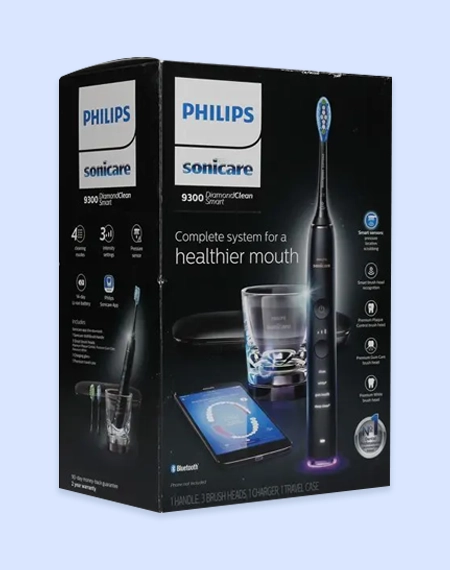
Paperboard inserts and corrugated dividers can organize components and limit unwanted contact. A bottle may need support around its body without pressure on the closure; a small device may need a separate space for its cable. Identify delicate areas and explain how the customer should lift the item out. For candle product boxes, include the finished container and lid in the brief. For folded goods, include tags and the intended fold. The insert and outer carton should be considered together, with physical fit checked through an agreed sample process where appropriate.
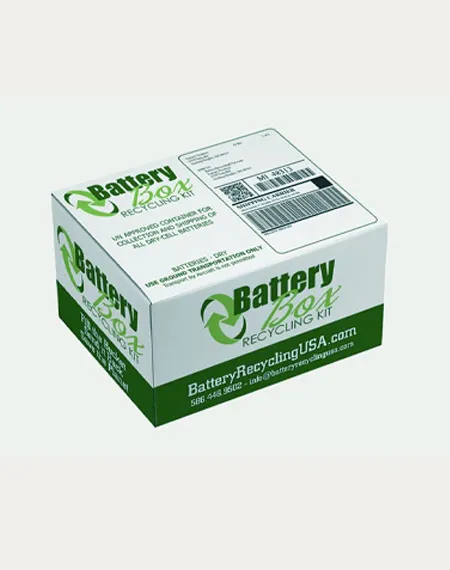
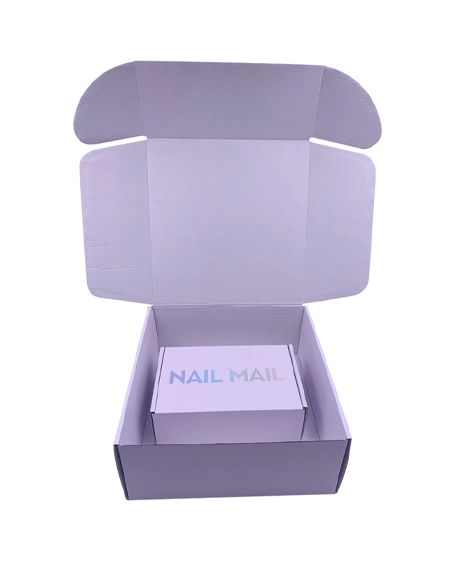
Explain whether the boxed item goes onto a shelf, into a shopping bag, or inside a parcel. An individual product carton may need a separate shipping box and additional support for delivery. Plan that outer protection using the complete packed product. For products already sealed in bottles, jars, or wrappers, the carton provides outer packaging around that primary pack. If the box will directly contact the contents or must perform a specialist protective function, raise that requirement before material selection.
Free design assistance helps prepare the dieline, artwork placement, bleed, and safe zones. Supply final product text and identify which details change between versions. A simple list matching each product name to its artwork file, box size, and order quantity makes the approval discussion more precise. Approved orders receive a digital proof before production. Review each version’s text, graphics, orientation, and specified finishes. Physical samples address different questions, including assembly, fit, and material feel; their availability, charges, and timing need separate confirmation. Keep the approved files identifiable when preparing future reorders.
Supported paperboard, cardstock, kraft, and corrugated orders may start at 50 boxes, with selected rigid formats starting at 25. Confirm the minimum for each configuration and artwork version. Wholesale product box pricing depends on the full specification and production setup, including any applicable finishing, sample, and delivery costs. Share the date you need packaging for filling and allow time for your own packing work. Production follows payment, final artwork approval, and structure confirmation. Confirm the production schedule, transit time, and any rush availability against the complete order.
Send your product dimensions, packed weight, quantity, and artwork status to Custom Boxes Inc. through the quote form. Include a photo and any fit or presentation problem you want to solve. Email: Quotes@Customboxesinc.Com or Call: +1 833-565-0363 for guidance on custom product packaging boxes. We’ll help define the structure, material, printing, and next steps in a no-obligation quote for the item you are ready to sell.



Answers to Help You Order with Confidence
Share the finished item’s maximum dimensions, packed weight, accessories, and intended orientation. Our team can help compare suitable closures, materials, and support while allowing room for loading and removal. Tell us how your team will pack the product, and confirm whether the quoted measurements describe internal or external dimensions.
Paperboard inserts, corrugated dividers, and printed interior panels can be included where they suit the selected construction. The arrangement should support the complete item while keeping accessories organized and the opening usable. Share your layout idea or ask us to suggest an arrangement around the contents.
Free design assistance can include dieline guidance, artwork positioning, resizing, bleed, and safe-zone support, with a digital proof supplied for approved orders. Use the proof to check each product version’s artwork and agreed specification. Physical samples for fit, assembly, or material review require separate confirmation of availability, cost, and timing.
Supported paperboard, cardstock, kraft, and corrugated orders may start at 50 boxes, while selected rigid formats may start at 25. Minimums and pricing must be confirmed for each configuration and artwork version. Provide the quantity for each design so your quote reflects the actual mix of products and production setups.
Production and transit timing depend on the approved specification, quantity, destination, and any confirmed rush service, so provide the date you need packaging for filling. Ask us to confirm the applicable free USA shipping terms with the delivery plan. An individual product carton may require a separate parcel shipper, so describe how the finished product will reach your customer when requesting the quote.
Custom Boxes Inc is a leading manufacturer and supplier of custom packaging boxes tailored for every product and industry. From startups to global brands, we empower businesses across the USA with cost-effective, high-quality, fully personalized packaging solutions — crafted with precision, delivered with speed. Whether you need eco-friendly cardboard boxes, rigid luxury boxes, or branded retail-ready display packaging — we've got you covered with endless customization options, low MOQs, and lightning-fast turnarounds.