

Select dimensions in cm, mm, inches, ml, or oz and more — whatever fits your product.

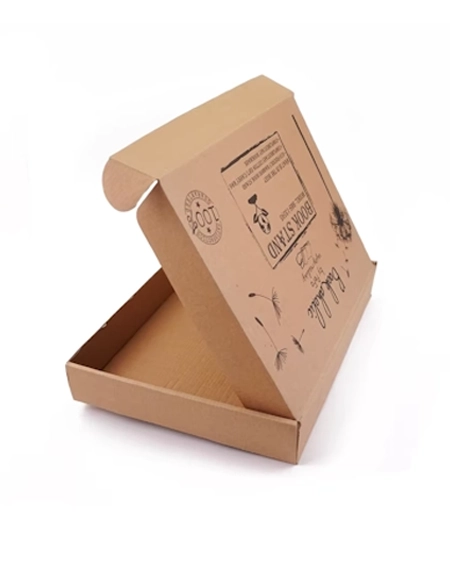
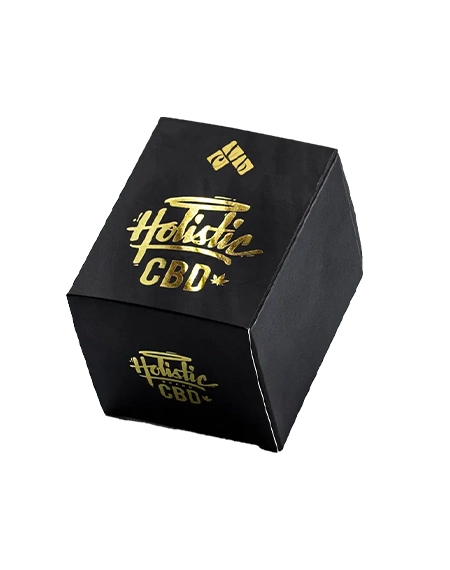
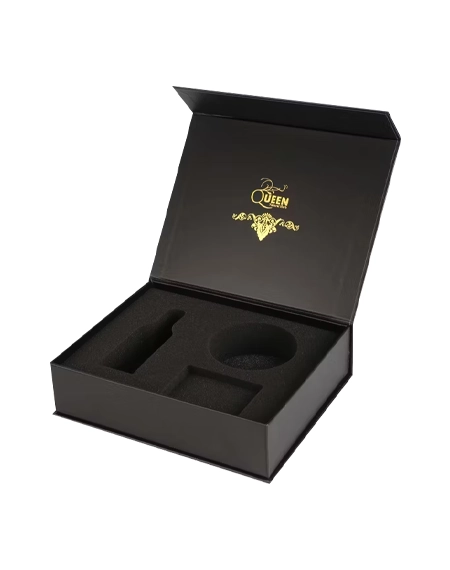
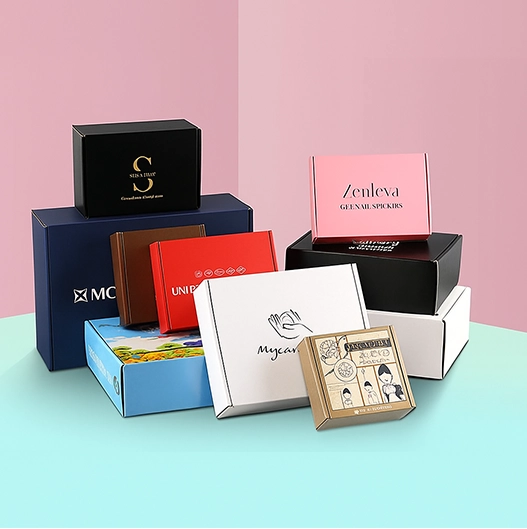
Custom boxes with logo combine a supported paper-based box with artwork placed for the way the package is packed, displayed, opened, and shipped. Custom Boxes Inc. helps buyers coordinate product dimensions, box structure, logo position, brand colors, artwork versions, and supported finishes before production. Share your product measurements, quantity, logo files, and intended use to start a more useful packaging quote.

Select dimensions in cm, mm, inches, ml, or oz and more — whatever fits your product.

Choose the Stock, printing type, and enter your order quantity.

Upload your ready artwork — or just write “Need Design” and we'll handle it.

Fill in your name, contact number, and email for quick communication.

Solve a quick captcha and hit “Submit Quote” — it takes seconds!

Our expert will reach out ASAP with the best market rate from a top packaging provider.

After You Approve the Quote — Here's What Happens Next


A logo can make packaging recognizable, but it cannot correct a box that is the wrong size or structure. Start with the product in its packed condition, the way staff will load it, the way customers will open it, and whether it will sit on a shelf, ship through parcel distribution, or serve as a presentation box. Custom Boxes Inc. supplies empty custom paper-based packaging and coordinates logo artwork after the packaging job is understood.
Measure the maximum product length, width, and depth, including any existing primary container, lid, cap, accessory, tissue, or supported paper insert that stays inside the box. Add packed weight when it affects board or shipping decisions. The company does not supply the packaged contents or plastic, glass, jar, or metal primary containers, and the current scope excludes round or tube boxes and foam inserts.
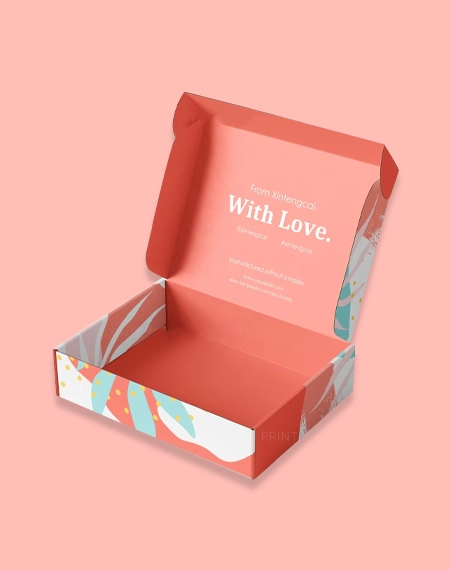
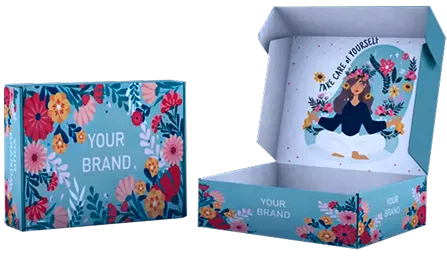
Different structures create different branding areas. Folding cartons offer front, back, side, and end panels that can carry a logo with product information. Corrugated mailers can use an outside lid, inside lid, side wall, or another supported printed area when the construction and process allow it. Two-piece, drawer-style, sleeve, and rigid presentation formats create other opening sequences and logo positions. The structure should still be chosen around packing, access, storage, weight, and distribution.
A large logo on a small front panel may compete with required product information. A mark placed across a fold can distort when the box is erected. Artwork near a glue area, cut edge, perforation, handle, window, or closure may need extra clearance. Review the actual dieline instead of approving logo placement from a flat mockup that does not show structural boundaries.
Vector artwork is useful when available because it can be resized without the same loss of edge quality as a low-resolution raster image. Supply the approved logo version, brand-color references, and any rules for clear space, minimum size, or background use. If your files are incomplete, free design assistance can help organize supplied branding on the supported packaging layout; it does not replace the brand owner's approval of the final logo and product content.
Keep small lettering, thin lines, reversed text, and detailed symbols large enough for the selected print process and material. A logo that works on a website header may need adjustment for kraft-appearance stock, textured wrap, corrugated board, or a narrow carton panel. If several logo lockups exist, identify which one is approved for the specific box rather than asking production to choose between versions.
CMYK artwork, spot-color targets, digital printing, offset printing, flexographic printing, white ink, and other methods appear in company records, but they are not interchangeable on every substrate or quantity. Confirm the selected production route first. Paper shade, coating, ink, surface texture, neighboring colors, and finish can all affect how a logo appears on the physical box.
A PMS reference or other brand-color value is a production target, not proof that every stock will show an identical result. When color tolerance matters, discuss the proof or sample that is appropriate for the chosen configuration. A digital proof can confirm placement and artwork content; it cannot reproduce every physical color and finish condition on a screen.
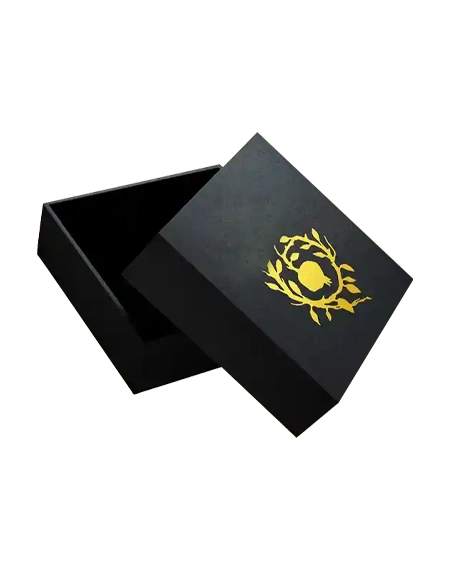
Foil, embossing, debossing, spot treatments, matte or gloss surfaces, and other supported effects can change the way a logo reads. Use them where they reinforce a clear brand hierarchy rather than treating every finish as automatically better. Fine details, fold lines, glue areas, rub points, and small legal or product text still need to function after finishing.
Finish availability depends on the material, box style, artwork, quantity, and production route. The same logo treatment may behave differently on paperboard, kraft-appearance stock, corrugated board, or wrapped rigid material. Confirm compatibility before a finish becomes part of the approved design or a published promise.
Brands often use one logo across several box sizes while product names, colors, barcodes, or campaign messages change. Separate the fixed brand elements from the variable artwork. Give every approved combination a clear file name or revision record tied to its dieline, size, stock, finish, and order quantity. That makes a reorder easier to distinguish from a new version that needs another artwork or fit review.
If the same box structure supports several SKUs, confirm the quantity for each artwork version instead of supplying one total. If the product sizes change, verify whether the structural file still fits before reusing it. A consistent logo system can connect a range, but consistency does not mean every product should use an identical physical box.
Logo printing does not automatically turn a retail carton into a shipping box. If a branded presentation package will travel inside an outer shipper, design each layer for its own job. If the printed corrugated box will be the parcel container, review packed weight, closure, labels, movement, stacking, and likely distribution conditions as part of the complete pack.
The same distinction applies to protection and sustainability claims. A premium-looking finish does not prove transit performance, and a brown kraft appearance does not by itself establish recycled content or recyclability. Use configuration-specific material records and appropriate performance evidence when those claims matter to the buying decision.
Review the final proof for spelling, logo version, orientation, panel location, color references, barcode clearance, and designated finish areas. If the main uncertainty is structural fit, ask whether an unprinted sample is available. If the uncertainty is physical print or finish appearance, discuss a printed sample or other approval method. Sample availability, cost, and timing depend on the project.
After approval, keep the dieline, artwork revision, material, finish, quantity, and delivery requirement together. This record gives your team a better basis for repeat ordering and helps prevent an old logo file or outdated product panel from being reused accidentally.
Send Custom Boxes Inc. the packed product dimensions, weight where relevant, preferred box style if known, quantity by size and artwork version, logo file, destination, and target arrival date. If you are unsure about the structure or do not have a finished dieline, explain how the package will be packed, displayed, opened, and shipped so the team can help define a supported starting direction.
Email Quotes@Customboxesinc.Com, call +1 833-565-0363, or complete the website quote form to request custom boxes with logo. Free design assistance can help organize supplied branding for the selected packaging, while minimums, samples, production timing, manufacturing origin, shipping terms, materials, printing methods, and finishes are confirmed for the actual configuration.


Answers to Help You Order with Confidence
Vector artwork is useful when available because it can scale cleanly across different box panels. Send the approved logo version plus any brand-color, clear-space, or minimum-size guidance you use. If the file needs layout assistance, the team can review the supplied artwork for the supported packaging project.
Inside and outside printing can be considered where the selected box structure, material, and production route support it. Confirm the actual printed areas before artwork is finalized because additional coverage can affect cost, setup, and approval. The inside message should also stay clear of closures, glue areas, and other structural features.
A PMS reference or other approved color value can be used as a target when the selected process supports it. Physical results can vary with paper, ink, coating, lighting, and finish, so an exact screen-to-print match should not be promised automatically. Discuss the appropriate proof or sample when color tolerance is important.
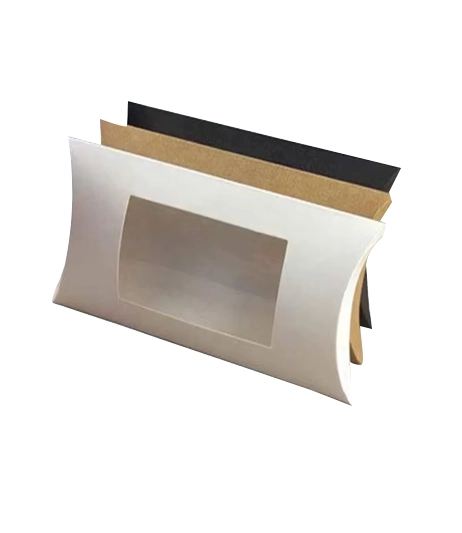
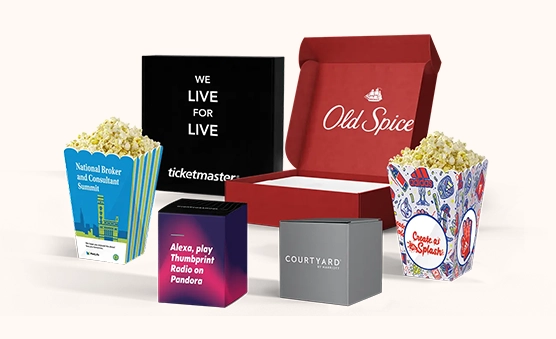
Supported folding cartons, corrugated formats, and rigid presentation boxes can be evaluated for logo printing, along with applicable sleeves and other paper-based packaging. The right structure depends on the packed product, opening method, storage, shipping route, and artwork area. Confirm the specific style, material, and print method with the quote.
Provide the packed product dimensions, weight where relevant, quantity by box size and artwork version, intended use, logo files, destination, and target date. If you do not know the box style, explain how the package will be packed, displayed, opened, or shipped. You can begin the inquiry before the final dieline is complete.
Custom Boxes Inc is a leading manufacturer and supplier of custom packaging boxes tailored for every product and industry. From startups to global brands, we empower businesses across the USA with cost-effective, high-quality, fully personalized packaging solutions — crafted with precision, delivered with speed. Whether you need eco-friendly cardboard boxes, rigid luxury boxes, or branded retail-ready display packaging — we've got you covered with endless customization options, low MOQs, and lightning-fast turnarounds.