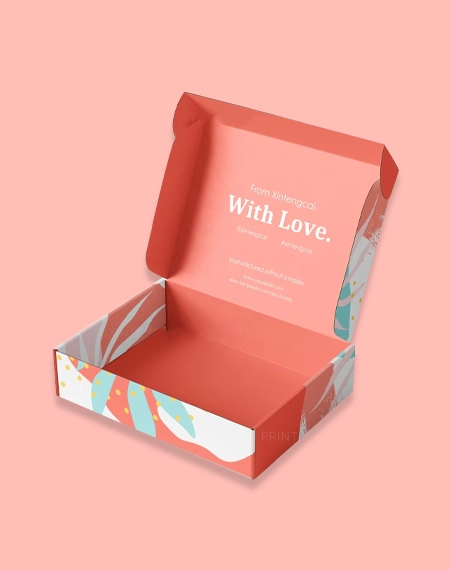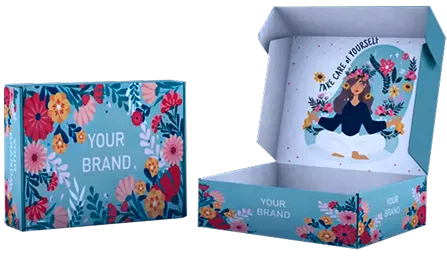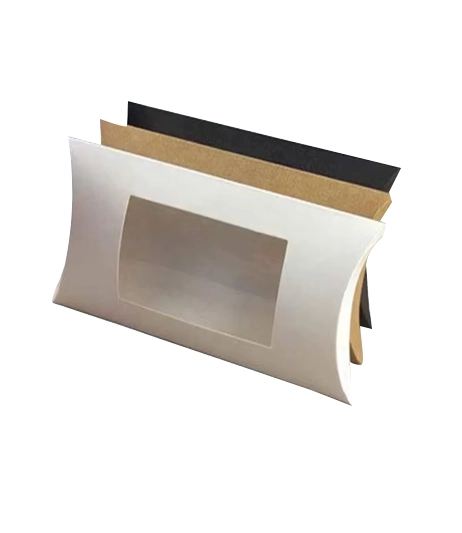


Select dimensions in cm, mm, inches, ml, or oz and more — whatever fits your product.



Low-minimum custom boxes can help businesses order a practical first run without committing to more packaging than the project needs. Custom Boxes Inc. supports selected paperboard, kraft, corrugated, and rigid configurations at lower starting quantities, with the exact minimum confirmed by structure, artwork versions, material, finish, and production setup. Share your product dimensions, quantity, artwork status, and delivery target for a project-specific quote.

Select dimensions in cm, mm, inches, ml, or oz and more — whatever fits your product.

Choose the Stock, printing type, and enter your order quantity.

Upload your ready artwork — or just write “Need Design” and we'll handle it.

Fill in your name, contact number, and email for quick communication.

Solve a quick captcha and hit “Submit Quote” — it takes seconds!

Our expert will reach out ASAP with the best market rate from a top packaging provider.

After You Approve the Quote — Here's What Happens Next


Low-minimum custom packaging is most useful when the order size follows a real business need rather than an arbitrary bulk threshold. A startup may be preparing its first retail run, an established brand may be testing a new SKU, and a seasonal business may need a limited artwork version. The quantity should support that project without creating avoidable leftover packaging, while still meeting the production requirements of the selected box.
Custom Boxes Inc. records report starting quantities as low as 50 boxes for selected paperboard, cardstock, kraft, and corrugated configurations, with selected rigid formats reported from 25. Those figures are starting points, not universal minimums. The exact quantity depends on the structure, material, printing, finishes, size, artwork split, sampling needs, and current production setup.
A low minimum does not define the physical package. The buyer may still need a folding carton, corrugated mailer, rigid presentation box, sleeve, insert, or another supported paper-based format. Choose the packaging family around the product and sales channel first, then confirm whether that configuration can be produced at the quantity you want.
This distinction matters because two boxes that look similar can have different setup requirements. A simple paperboard carton with one artwork version may support a smaller run more easily than a complex construction with several finishes, inserts, or print versions. A rigid project may use a different starting quantity from a folding carton. The quote should therefore connect minimum quantity to the actual specification.
Ordering fewer boxes does not reduce the need for accurate fit. Measure the product in its packed condition, including the existing primary container, lid, cap, accessory, tissue, or supported paper insert that stays inside. Record maximum length, width, and depth, plus packed weight when it affects board or shipping decisions. If you already have a box that fits, identify whether the dimensions you provide are internal or external.
A first short run is often a good moment to correct size assumptions before they become a large repeat order. If several SKUs may share one box, compare representative products from the smallest and largest ends of the range. One common size can simplify inventory when fit remains practical, while a second size may reduce movement, pressure, or wasted space.
A buyer may request 200 boxes but divide them across four flavors, scents, colors, or product names. That is not always the same production problem as one 200-box artwork run. Give the quantity for each artwork version, size, and structure so the quote can reflect the actual setup. If the dieline stays the same and only printed information changes, record those versions clearly for approval and future reorders.
Small runs are especially sensitive to version mistakes because there may be little spare inventory to absorb a wrong file. Use an approved file name or revision record for each design. Check product names, barcodes, colors, orientation, regulatory copy supplied by the brand, and the quantity assigned to each version before production begins.
Free design assistance can help organize supplied branding on the supported dieline, including panel placement, bleed, safe areas, folds, and version differences. If the structure is not yet decided, begin with the product dimensions, packed weight where relevant, intended use, and desired opening method. Design support can help clarify a practical starting direction without requiring a finished dieline at the first inquiry.
A digital proof is useful for checking wording, artwork placement, orientation, and designated finish areas. A physical sample addresses different questions, such as fit, assembly, opening, removal, material feel, or printed appearance. Sample availability, cost, and timing depend on the project and should be confirmed separately rather than assumed to be included with every low-minimum order.
Lower quantities can reduce the amount of packaging stored before it is needed, but custom production also has setup costs. A smaller run may therefore have a different unit price from a larger reorder. Request pricing for realistic quantity options when the decision is not obvious. Compare the quoted unit cost with storage space, forecast confidence, artwork-change risk, cash tied up in inventory, and the chance that the product will be revised.
For a launch, one useful comparison may be the lowest supported quantity versus the next practical production level. For a mature product, a larger run may make sense when demand is stable and the approved specification is unlikely to change. The right quantity is a purchasing decision, not automatically the smallest or the largest number available.
Retail cartons, e-commerce mailers, presentation boxes, and outer shipping cartons do different jobs. A low-quantity retail carton is not automatically suitable for parcel distribution, and a rigid presentation box may still need an outer shipper. Describe whether the package will sit on a shelf, enter a shopping bag, ship directly to a customer, or hold a gift set so the structure can be assessed for that route.
Custom Boxes Inc. supplies empty paper-based packaging and supported printed accessories. The packaged contents and plastic, glass, jar, or metal primary containers remain separate from the box order. Round or tube boxes and foam inserts are outside the current scope. Paper outer packaging can still be developed around an existing container when the supported box format fits the project.
A low starting quantity does not create one universal production schedule. Timing can change with structure, material, print method, finishes, sampling, quantity, artwork readiness, and production capacity. Share the date you need the packaging and the delivery destination so production and transit can be planned separately. Manufacturing origin, rush availability, and any free-shipping terms should also be confirmed for the selected configuration.
Keep the approved dieline, artwork revision, material, finish, quantity, and delivery requirement together after the first order. A clean record makes it easier to tell whether the next request is a straightforward reorder or a new version that needs another fit, artwork, or production review.
Send Custom Boxes Inc. your packed product dimensions, preferred box style if known, quantity by size and artwork version, artwork status, delivery destination, and required arrival date. If you are still deciding the structure, explain how the product will be packed, displayed, opened, and shipped so the team can help identify a supported starting point.
Email Quotes@Customboxesinc.Com, call +1 833-565-0363, or complete the website quote form. The team can confirm the minimum quantity that applies to the actual paper-based packaging configuration and help you compare a practical first run with later reorder options.


Answers to Help You Order with Confidence
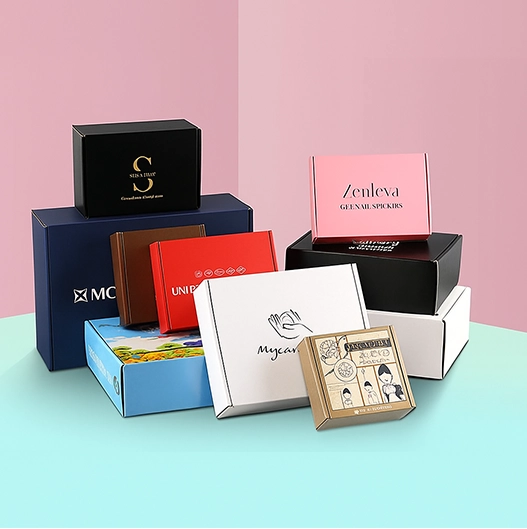
Company records report selected paperboard, cardstock, kraft, and corrugated configurations starting at 50 boxes, with selected rigid formats reported from 25. Those are conditional starting points rather than universal minimums. Confirm the exact minimum for the structure, size, artwork versions, material, finish, and production route you want quoted.
The current approved company record supports low-quantity options but does not establish a universal one-box or no-minimum policy. The live no-MOQ page should therefore be corrected to a low-minimum message unless operations supplies current evidence for a broader policy. Ask for the minimum that applies to your actual configuration.
Possibly, but each artwork version can affect production setup and the applicable minimum. Provide the quantity for every size, SKU, flavor, scent, color, or design rather than one combined total. The quote can then show whether the requested split is feasible for the selected box and print method.
Unit pricing can differ because setup, tooling, printing, finishing, and other fixed production work are spread across fewer pieces. Request pricing for the quantities you are realistically considering and compare unit cost with inventory, storage, and artwork-change risk. The best order quantity depends on the complete project, not only the lowest available minimum.
Free design assistance is part of the supported service positioning and can help organize supplied branding on an appropriate dieline. You can begin with product dimensions and a use case even if the final artwork is not complete. Physical samples, specialty proofs, and configuration-specific production terms require separate confirmation.
Custom Boxes Inc is a leading manufacturer and supplier of custom packaging boxes tailored for every product and industry. From startups to global brands, we empower businesses across the USA with cost-effective, high-quality, fully personalized packaging solutions — crafted with precision, delivered with speed. Whether you need eco-friendly cardboard boxes, rigid luxury boxes, or branded retail-ready display packaging — we've got you covered with endless customization options, low MOQs, and lightning-fast turnarounds.