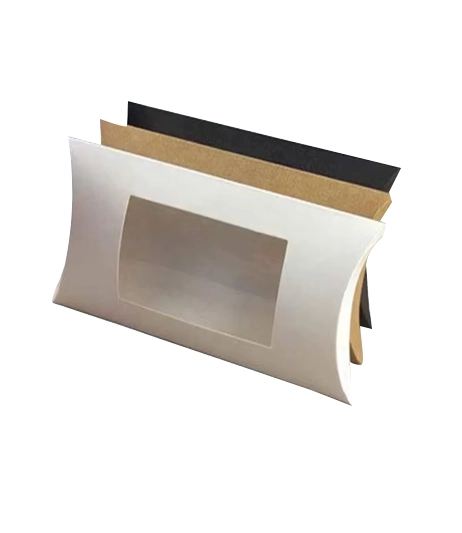


Select dimensions in cm, mm, inches, ml, or oz and more — whatever fits your product.



Custom Boxes Inc. helps businesses across the USA develop empty paper-based packaging around the product, sales channel, brand, and ordering plan. Choose from supported folding cartons, corrugated formats, rigid presentation boxes, sleeves, bags, paper inserts, and printed accessories. Free design assistance can help organize dimensions, structure, artwork, and quote details before production and USA delivery terms are confirmed.

Select dimensions in cm, mm, inches, ml, or oz and more — whatever fits your product.

Choose the Stock, printing type, and enter your order quantity.

Upload your ready artwork — or just write “Need Design” and we'll handle it.

Fill in your name, contact number, and email for quick communication.

Solve a quick captcha and hit “Submit Quote” — it takes seconds!

Our expert will reach out ASAP with the best market rate from a top packaging provider.

After You Approve the Quote — Here's What Happens Next


The phrase custom boxes USA can cover many different packaging needs, so the useful first question is not where the buyer is located. It is what the package must do. A small retail carton, branded e-commerce mailer, rigid gift box, food-service paper item, printed insert, and paper bag are different products with different specifications. Custom Boxes Inc. helps USA buyers identify the appropriate paper-based route before material, printing, and finishing choices are finalized.
The company supplies empty custom paper-based packaging and supported printed accessories. The packaged contents and plastic, glass, jar, or metal primary containers are outside the current offer. Round or tube boxes and foam inserts are also outside the current drafting scope. A paper outer box can still be developed around an existing bottle, jar, or tube when that supported outer package fits the project.
A useful quote begins with the product in the condition in which it will enter the package. Record the maximum length, width, and depth, plus packed weight when it affects board or shipping decisions. Include caps, lids, accessories, tissue, existing primary containers, and supported paper inserts that share the space. Tell the team whether the measurements describe the product itself or an existing box, because usable interior dimensions and outside dimensions are not the same.
If several SKUs need one packaging system, check representative products from the smallest and largest ends of the range. One shared box may simplify purchasing when the fit remains practical, while a second size may reduce excessive empty space or product pressure. The correct decision depends on the products and packing process rather than a general USA box size.
Folding cartons can suit many retail and compact product applications where flat storage and printed panels matter. Corrugated formats can support mailer, shipping, and heavier-duty packaging roles when the selected construction matches the distribution job. Rigid presentation boxes can be considered when the package itself is part of a gift or premium reveal. Sleeves, paper inserts, bags, cards, tags, and supported food-service papers serve other packaging and communication tasks.
A structure should be selected around loading, opening, product weight, stacking, storage, and distribution conditions. A retail carton is not automatically a parcel shipper, and a presentation box is not proof of transit performance. If the same project needs a display package and an outer shipping box, specify both roles rather than expecting one structure to solve every requirement.
Paperboard, kraft-appearance stocks, corrugated board, and wrapped rigid constructions can support different packaging jobs. Material choice affects stiffness, folding, print appearance, finish compatibility, and packing behavior. Exact grade, caliper, flute, recycled content, recyclability, food-contact suitability, or other performance claims should be confirmed for the chosen configuration instead of being assumed from a broad material name.
Printing can be planned around logos, product information, instructions, barcodes, imagery, and brand colors. Digital, offset, flexographic, CMYK or PMS approaches, white ink, and specialty finishes appear in company records, but not every process belongs on every substrate or box. Confirm the production route first, then choose print and finishing options that support the actual material, design, and quantity.
A box design should be prepared on the approved structural layout so folds, cut lines, glue areas, bleed, safe zones, panel direction, and openings are visible before production. Supply vector logos when available and identify the information that must stay consistent across a product family. For multi-SKU programs, separate fixed brand elements from variable product names, colors, sizes, barcodes, or regional copy.
Free design assistance can help organize supplied branding and packaging information on the supported layout. The customer remains responsible for the accuracy and approval of product claims, regulatory statements, ingredients, warnings, and other content that belongs to the packaged product. A printed proof can support artwork approval, but it does not by itself establish structural fit or physical performance.
A digital proof is useful for reviewing wording, layout, orientation, and designated print or finish areas. An unprinted structural sample can be more useful when dimensions, folding, loading, opening, or removal are uncertain. A printed sample may help when the represented stock, print appearance, or finish needs hands-on review. Sample availability, cost, and schedule should be confirmed for the selected project.
Where measurable performance matters, evaluate the complete packed configuration. A visual mockup cannot prove stacking strength, parcel durability, moisture resistance, food suitability, or other technical outcomes. The evidence needed depends on the actual package, product, environment, and distribution route.
For USA projects, give the quantity for each box size and artwork version instead of one combined total when the order contains variants. Also provide the delivery destination and required arrival date. These details affect production planning, shipping, and the usefulness of the quote. They also help distinguish a first launch from a repeat order that can use an already approved structural and artwork record.
Earlier company records describe low-quantity options for selected paperboard, kraft, corrugated, and rigid work, but minimums depend on the actual construction, artwork split, and project conditions. Production timing, manufacturing origin, physical samples, free-shipping eligibility, and delivery terms should likewise be confirmed for the chosen configuration rather than treated as universal promises.
A broad USA page is most useful when it helps the buyer move to the right packaging destination. Retail brands may need folding cartons or product-specific categories. E-commerce teams may need corrugated mailer or shipping formats. Gift and presentation projects may need rigid structures. Other buyers may need sleeves, bags, inserts, cards, tags, or supported food-service papers. The next page should narrow the purchasing decision instead of repeating the same supplier message.
If you are unsure where your project belongs, send the packed product dimensions, product type, quantity, artwork status, sales channel, destination, and target date. The team can use those details to identify a practical starting route and the remaining questions needed for a quote.
Custom Boxes Inc. can help you turn product measurements, structure needs, branding, quantity, and delivery requirements into a clearer paper-based packaging specification. Email Quotes@Customboxesinc.Com, call +1 833-565-0363, or complete the website quote form. Include your destination and required arrival date so the project can be reviewed with the relevant production and USA delivery terms.
Trusted by businesses nationwide.
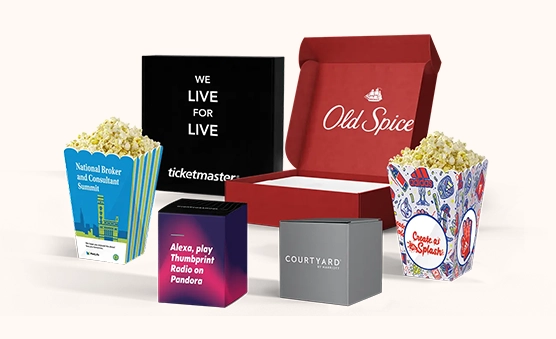


Answers to Help You Order with Confidence
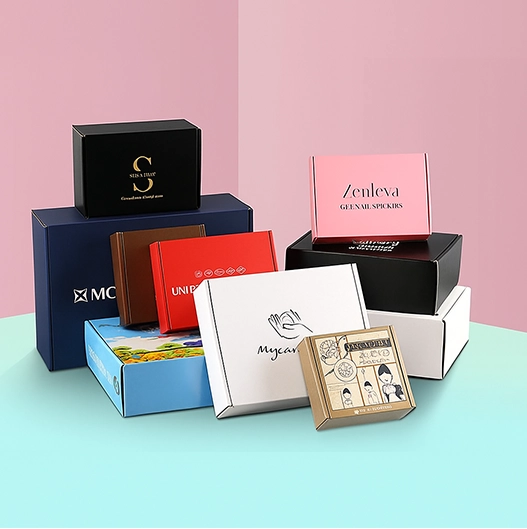
USA manufacturing appears in company records as a reported benefit, but the active Master Brain requires origin to be confirmed for the eligible project before making an absolute claim. Ask for the manufacturing-origin details that apply to your selected structure, material, quantity, and production route.
USA delivery is part of the supported service positioning. Final shipping terms, destination eligibility, schedule, and any free-shipping conditions should be confirmed with the project quote rather than assumed from a general page.
Send the packed product dimensions, weight where relevant, quantity, intended packaging use, artwork status, delivery destination, and target arrival date. If you do not know the structure or material yet, explain how the package will be packed, displayed, opened, or shipped so the team can help narrow the options.
Earlier company records report starting quantities of 50 units for selected paperboard, kraft, and corrugated work and 25 for selected rigid work. Those figures depend on construction, design splits, and project conditions, so confirm the minimum for the exact packaging configuration you want quoted.
Free design assistance is part of the reported service and can support appropriate dieline, layout, and artwork preparation. The customer still approves brand files, product claims, regulatory wording, and other content tied to the packaged product. Physical sampling and specialty proofing terms should be confirmed separately.
Custom Boxes Inc is a leading manufacturer and supplier of custom packaging boxes tailored for every product and industry. From startups to global brands, we empower businesses across the USA with cost-effective, high-quality, fully personalized packaging solutions — crafted with precision, delivered with speed. Whether you need eco-friendly cardboard boxes, rigid luxury boxes, or branded retail-ready display packaging — we've got you covered with endless customization options, low MOQs, and lightning-fast turnarounds.