

Select dimensions in cm, mm, inches, ml, or oz and more — whatever fits your product.



Custom boxes should begin with the product and the job the package must do. Custom Boxes Inc. helps buyers connect packed dimensions, box structure, material, inserts, printing, finishes, quantities, and delivery planning into one workable specification. Whether you need a retail carton, corrugated mailer, rigid presentation box, or coordinated paper-based packaging component, free design assistance can help turn your requirements into a clearer quote.

Select dimensions in cm, mm, inches, ml, or oz and more — whatever fits your product.

Choose the Stock, printing type, and enter your order quantity.

Upload your ready artwork — or just write “Need Design” and we'll handle it.

Fill in your name, contact number, and email for quick communication.

Solve a quick captcha and hit “Submit Quote” — it takes seconds!

Our expert will reach out ASAP with the best market rate from a top packaging provider.

After You Approve the Quote — Here's What Happens Next


A useful custom box specification starts with what goes inside. Measure the product in its packed condition, including any cap, lid, accessory, tissue, existing primary container, or supported paper insert that stays with it. Record the maximum length, width, and depth, plus packed weight when it affects board strength, stacking, or shipping decisions.
Custom Boxes Inc. supplies empty paper-based packaging and supported printed accessories. The packaged contents and plastic, glass, jar, or metal primary containers are outside the current offer. Round or tube boxes and foam inserts are also outside the current scope. A paper outer box can still be developed around an existing container when the supported structure fits the project.
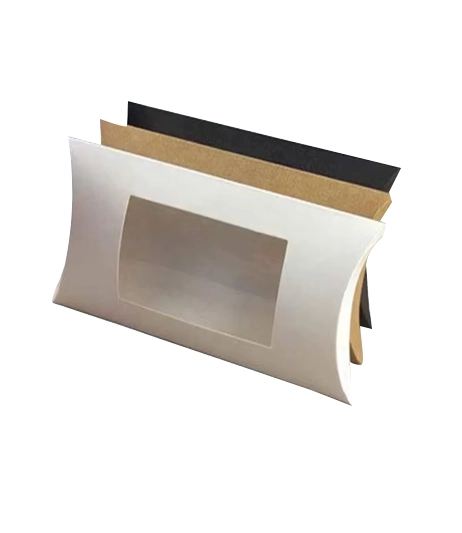
Folding cartons can suit many retail products where printed panels and compact flat storage matter. Corrugated mailers can support e-commerce and delivery applications when the selected construction matches the packed weight and distribution job. Rigid presentation formats can be considered when the opening experience and substantial construction justify more storage, material, and freight volume. Sleeves, two-piece boxes, drawer-style formats, trays, paper inserts, and coordinated sets create other opening and presentation choices. Each one changes usable space, packing sequence, storage, artwork orientation, and product removal. Choose the structure for the complete job rather than selecting a style only because a rendering looks distinctive.
A close fit can reduce unnecessary movement, but a box that is too tight can slow packing or make the product difficult to remove. Include protruding caps, handles, accessories, and paper components in the fitting brief. For multi-item sets, map every piece and the order customers should encounter or remove them. External dimensions matter as well. Retail teams may need the package to fit a shelf or display, while warehouse and e-commerce teams may care about storage, outer shipping dimensions, labels, and parcel handling. A retail presentation box is not automatically a parcel-ready shipper, so specify how the package will be sold and delivered.
Paperboard and cardstock support many folding cartons where print presentation and flat storage matter. Corrugated construction adds a fluted layer and suits many mailers, kits, and shipping applications. Wrapped rigid board creates another presentation route where opening experience matters. Kraft appearance alone does not establish load capacity, recycled content, or recyclability. Material choice depends on box dimensions, unsupported panel area, closure, packed weight, stacking, printing, finishing, and use conditions. Exact grade, caliper, flute, recycled content, food-contact suitability, or other performance claims should be confirmed for the selected configuration rather than assumed from a broad material name.
Build artwork on the approved structural layout so folds, cut lines, glue areas, bleed, safe zones, panel direction, and openings are visible before production. Plan the main customer-facing panel first, then reserve other surfaces for product information, barcodes, instructions, legal copy, or interior messaging where the selected construction supports it. CMYK artwork, selected spot colors, white ink, interior printing, and specialty finishes may be considered where the chosen material and production route support them. Matte or gloss treatments, foil, embossing, debossing, and spot effects can add emphasis, but they should not interfere with folds, glue areas, fine text, or scanning.
Supported paperboard inserts, corrugated dividers, trays, and fitted compartments can organize products or sets when the layout needs separation or repeatable placement. Design the insert around the actual items, lifting space, packing order, and removal sequence. Foam inserts are outside the current company scope and should not be implied as an included option. An insert can change the required box depth and usable interior space. If the outer box is approved before the internal arrangement is settled, the final pack may become too tight or unnecessarily large. Develop the box and supported paper-based insert together when both are part of the intended presentation.
A useful quote should define size, structure, material, quantity, artwork versions, print coverage, finishes, inserts, destination, and required date. If some choices are still open, identify the priorities and ask the team to compare suitable options. One lower unit price is not automatically the best order if it creates excess packaging or storage. Company records report selected paperboard, cardstock, kraft, and corrugated configurations from 50 boxes and selected rigid formats from 25. These are conditional starting quantities rather than universal minimums. Multiple sizes, finishes, or artwork versions can change the applicable quantity and setup, so confirm the minimum with the actual project quote.
A digital proof is useful for checking wording, artwork placement, orientation, colors, and designated finish areas. It does not prove physical fit, material feel, exact color, or shipping performance. An unprinted structural sample can answer fit and opening questions, while a printed sample may help when stock, print, or finish needs hands-on review. Free design assistance can help organize dielines, artwork positioning, resizing, bleed, and safe zones for supported projects. The customer remains responsible for approving product claims, regulatory statements, warnings, ingredients, and other content tied to the packaged item. Physical-sample availability, cost, and timing should be confirmed for the selected configuration.
Give the team the date you need usable packaging, not only the public launch date. Production follows payment, final artwork approval, and structure confirmation, while shipping transit is separate. The schedule depends on configuration, quantity, finish, sampling, and number of designs. Manufacturing origin, rush availability, and shipping terms should be confirmed with the quote. Keep the approved dimensions, dieline, material, print, finish, artwork revision, quantity, and delivery requirement together after production. This record helps distinguish a straightforward reorder from a change that needs another fit, artwork, or production review, and reduces the chance that an obsolete file is reused.
Send Custom Boxes Inc. your packed product dimensions, weight where relevant, intended packaging use, preferred structure if known, quantity by size and artwork version, artwork status, destination, and target arrival date. If you do not know the box style, explain how the product will be packed, displayed, opened, and shipped.
Email Quotes@Customboxesinc.Com, call +1 833-565-0363, or complete the website quote form to request a custom box quote. Include a photo, reference package, or existing dieline if it helps explain the project. The goal is to turn an open packaging need into a specification your team can compare, approve, and reorder.


Answers to Help You Order with Confidence
Yes. Start with the product, packed dimensions and weight, and explain how the package will be sold, opened, stored, or shipped. The team can compare supported structures, materials, and paper inserts around those requirements before the final dieline is approved.
Supported paperboard, cardstock, kraft-appearance stocks, corrugated formats, and rigid presentation constructions can be evaluated according to the project. The right material depends on dimensions, packed weight, closure, printing, finishing, storage, and use conditions. Confirm the exact grade, caliper, flute, wrap, or environmental specification for the chosen configuration.
Company records report selected paperboard, cardstock, kraft, and corrugated configurations from 50 boxes and selected rigid formats from 25. Those are conditional starting points, not universal minimums. Structure, finishing, size, and artwork versions can change the applicable quantity, so confirm the minimum with the project quote.
Exterior and interior artwork can be considered where the selected structure, material, and production route support it. Confirm the printable panels before artwork is finalized because folds, closures, glue areas, and inserts can reduce usable space. Free design assistance can help organize supplied branding on the approved dieline.
Production timing is confirmed after the structure, artwork, quantity, material, and finishing requirements are defined and final approvals are complete. Shipping transit is separate, so include the destination and the date you need the boxes for packing. Ask the team to confirm rush availability, manufacturing origin, and any applicable shipping terms with the quote.
Custom Boxes Inc is a leading manufacturer and supplier of custom packaging boxes tailored for every product and industry. From startups to global brands, we empower businesses across the USA with cost-effective, high-quality, fully personalized packaging solutions — crafted with precision, delivered with speed. Whether you need eco-friendly cardboard boxes, rigid luxury boxes, or branded retail-ready display packaging — we've got you covered with endless customization options, low MOQs, and lightning-fast turnarounds.