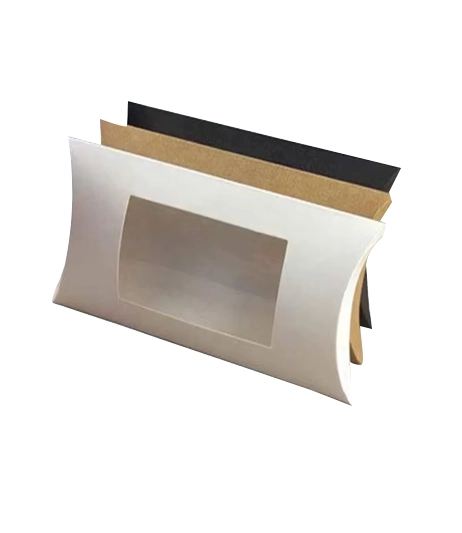


Select dimensions in cm, mm, inches, ml, or oz and more — whatever fits your product.



Custom designed boxes turn a packaging brief into a paper-based box specification that your team can review and order. Custom Boxes Inc. helps connect product dimensions, packing method, structure, material, artwork, and supported finishes before production decisions are locked. Whether you arrive with finished files or only a product and brand direction, free design assistance can help organize the next practical steps.

Select dimensions in cm, mm, inches, ml, or oz and more — whatever fits your product.

Choose the Stock, printing type, and enter your order quantity.

Upload your ready artwork — or just write “Need Design” and we'll handle it.

Fill in your name, contact number, and email for quick communication.

Solve a quick captcha and hit “Submit Quote” — it takes seconds!

Our expert will reach out ASAP with the best market rate from a top packaging provider.

After You Approve the Quote — Here's What Happens Next


A custom designed box should begin with the job the package must perform, not with a finish swatch or a logo position. Define the product, packed dimensions, weight where relevant, packing method, sales channel, opening experience, quantity, and delivery target first. Custom Boxes Inc. can then help organize those requirements into a paper-based packaging direction that connects structure, material, artwork, and production planning.
The company supplies empty custom paper-based packaging and supported paper accessories. The packaged contents and plastic, glass, jar, or metal primary containers are separate from the box order. Round or tube boxes and foam inserts are outside the current offer. If an existing primary container sits inside the package, design the outer box around that actual container rather than its nominal product volume.
Measure the product as it will actually be packed, including caps, lids, accessories, tissue, sleeves, or supported paper inserts that remain inside the box. Record the maximum length, width, and depth, and note fragile projections, heavy areas, or surfaces that should not rub. Explain how staff will load the product and how the customer should remove it. These details guide usable interior space and opening access more reliably than choosing a standard size by name.
Also identify the commercial job. A folding carton for a retail shelf, a corrugated mailer for e-commerce, and a rigid presentation box for a gift set create different design constraints. A package may need to stack, hang, ship, display a barcode, fit a fulfillment station, or accommodate several artwork versions. Write those requirements into the brief before evaluating decorative options.
Structure changes the way a box is packed, stored, opened, and perceived. Straight tuck and reverse tuck cartons place their end closures differently. A two-piece box separates lid and base. A drawer-style package uses an inner tray and outer sleeve, so product-to-tray and tray-to-sleeve fit both matter. Corrugated mailers introduce different closure and shipping considerations. Supported rigid formats use their own assembly and storage logic.
Do not select a construction only because a rendering looks distinctive. Check whether the product can be loaded efficiently, whether fingers have room to remove it, whether the closure works with the packed weight, and whether the erected box takes acceptable storage space. If several products are being standardized around one design family, test the smallest and largest representative items before assuming one structure serves every SKU.
Paperboard, kraft-appearance stocks, corrugated board, and wrapped rigid constructions can support different box jobs. The material decision affects stiffness, fold behavior, print appearance, finish compatibility, storage, and shipping performance. Exact grade, caliper, flute, recycled content, recyclability, food-contact suitability, or other performance claims should be confirmed for the selected configuration rather than inferred from a material name.
A wide unsupported panel may need different stiffness from a narrow carton. A shipping box must be assessed as a complete packed system rather than treated like a decorative retail carton. A box that touches food, medicine packaging, or another regulated product may require additional application-specific review. Design assistance can help organize the requirements, but it does not replace product testing, regulatory responsibility, or configuration-specific evidence.
Once the structure is defined, place artwork on the actual dieline rather than designing a flat rectangle and adapting it later. Folds, cut lines, glue areas, panel direction, bleed, safe areas, windows, handles, and insert openings can change where graphics belong. Decide which panel leads the presentation and which surfaces carry product identification, instructions, barcodes, legal copy, or secondary messages.
Supply vector logos where available and identify approved colors, fonts, images, and version rules. CMYK or specified spot-color approaches may be considered where the production route supports them. Physical color can vary with paper, coating, ink system, lighting, and finish, so a screen image is not proof of an identical printed result. When color tolerance matters, confirm an appropriate proofing method for the selected stock and process.
Matte or gloss treatments, foil, embossing, debossing, spot treatments, and other supported effects can add hierarchy to a finished package. They work best when the structure, artwork, and reading order are already clear. A finish placed across a fold, glue area, barcode, or fine text can create production or usability problems. Review the actual production layout before treating a visual effect as part of the approved specification.
The same principle applies to windows, handles, perforations, and paper inserts. Each feature changes material around the cut area, usable space, assembly, and sometimes packing speed. Confirm that it solves a real packaging task. A design is stronger when every element has a reason tied to product fit, presentation, handling, or information rather than being added because it is available.
A digital proof is useful for checking copy, placement, orientation, versions, and designated print or finish areas. It does not establish physical fit, tactile feel, exact color, or transit performance. An unprinted structural sample can help evaluate dimensions, folding, loading, opening, and removal. A printed sample may help when the represented material, color appearance, or finish needs hands-on review. Confirm sample availability and terms for the chosen project.
If the package will ship, separate presentation approval from distribution evaluation. A visually approved retail box is not automatically a parcel-ready shipping container. Review the complete packed configuration, outer shipper if used, closure, movement, labels, and likely handling conditions. Where measurable performance matters, rely on appropriate evidence or testing rather than a design rendering.
Designed packaging often expands into several sizes, flavors, scents, colors, seasonal editions, or regional versions. Decide which structural files are shared and which artwork files change. Give every approved combination a clear revision record that includes dieline, material, print, finish, quantity, and delivery requirement. This helps your team distinguish a straightforward reprint from a change that affects fit or production.
For a new launch, request pricing for realistic quantities by size and artwork version. For a repeat program, consider storage, forecasted demand, and the cost of holding packaging that may change. Minimum quantities, pricing, production timing, manufacturing origin, shipping terms, physical samples, and finish availability depend on the supported configuration and should be confirmed with the quote.
Send Custom Boxes Inc. your packed product dimensions, weight where relevant, photos or samples if useful, preferred structure if known, quantity by version, artwork status, destination, and target arrival date. If you do not yet have a dieline or final graphics, say what the package needs to do and where it will be used. Free design assistance can help organize the supported layout and supplied branding around that brief.
Email Quotes@Customboxesinc.Com, call +1 833-565-0363, or complete the website quote form to request your custom designed boxes. Include the decisions you already know and mark the rest as open questions. The goal of the first conversation is a clearer packaging specification that your team can evaluate before production commitments are made.


Answers to Help You Order with Confidence
Start with the packed product dimensions, weight where relevant, intended use, quantity, target date, and any existing artwork or structural reference. Explain how the product will be loaded, displayed, opened, or shipped. You can still request help when the final box style or dieline is not decided.
Yes. Free design assistance can help organize supplied branding and packaging requirements around a supported box layout. The project still needs enough information about the product, use, quantity, and desired opening method to choose a practical direction. Configuration-specific capabilities and commercial terms are confirmed with the quote.
Not every project requires the same approval path. A digital proof can check artwork and placement, while a structural or printed sample may be more useful when fit, opening, material feel, or physical color needs evaluation. Confirm sample availability, cost, and timing for the chosen configuration.
It can when the products share a workable structure and the changing information is controlled through separate artwork versions or labels. Check representative packed products before assuming one size works across the range. Record each approved dieline and artwork revision so reorders remain clear.
No. A retail or presentation box is not automatically a parcel-ready shipping container. If the box itself will travel through distribution, the complete packed configuration, closure, movement, labels, weight, and handling conditions should be evaluated for that job. An outer shipper may be appropriate for some presentation formats.
Custom Boxes Inc is a leading manufacturer and supplier of custom packaging boxes tailored for every product and industry. From startups to global brands, we empower businesses across the USA with cost-effective, high-quality, fully personalized packaging solutions — crafted with precision, delivered with speed. Whether you need eco-friendly cardboard boxes, rigid luxury boxes, or branded retail-ready display packaging — we've got you covered with endless customization options, low MOQs, and lightning-fast turnarounds.