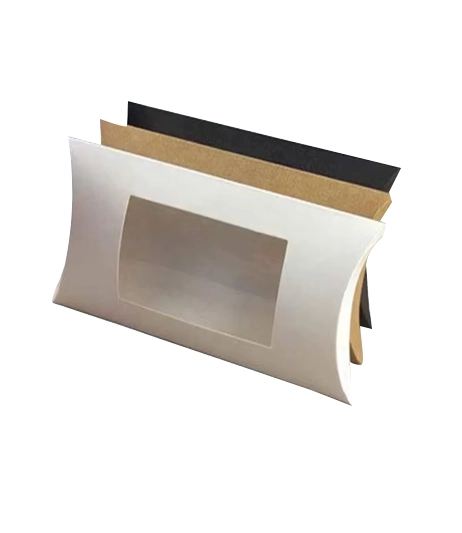


Select dimensions in cm, mm, inches, ml, or oz and more — whatever fits your product.



Custom branded boxes combine a paper-based package with the visual system customers recognize as yours. Custom Boxes Inc. helps buyers connect product fit, box structure, logo placement, brand colors, artwork versions, and supported finishes instead of treating branding as a graphic added after the box is chosen. Share your packed product dimensions, preferred use, quantity, and artwork status to begin.

Select dimensions in cm, mm, inches, ml, or oz and more — whatever fits your product.

Choose the Stock, printing type, and enter your order quantity.

Upload your ready artwork — or just write “Need Design” and we'll handle it.

Fill in your name, contact number, and email for quick communication.

Solve a quick captcha and hit “Submit Quote” — it takes seconds!

Our expert will reach out ASAP with the best market rate from a top packaging provider.

After You Approve the Quote — Here's What Happens Next


A branded box has to do two jobs at once: hold the product appropriately and present a recognizable identity. Start with what the package must contain, how it will be packed, where it will be sold or shipped, and what the customer should notice first. Custom Boxes Inc. develops empty paper-based packaging around those requirements, then coordinates the structure with your logo, colors, artwork, and supported print or finish choices.
Branding cannot correct a box that is the wrong size or structure. Measure the product in its packed condition, including existing primary containers, lids, accessories, tissue, and supported paper inserts that will share the space. Record the maximum length, width, and depth, plus weight when it affects board or shipping decisions. Tell us whether the box is for retail display, e-commerce, gifting, subscription use, wholesale presentation, or another defined job.
Custom Boxes Inc. supplies empty paper-based packaging, not the contents or plastic, glass, jar, or metal primary containers. If a product already arrives in one of those containers, the branded box is designed around that existing primary pack. Round and tube boxes and foam inserts are outside the current offer.
A folding carton can suit compact retail products and efficient flat storage. Corrugated mailer formats can support e-commerce presentation where the box itself is part of the delivery experience. Two-piece or drawer-style boxes change the opening sequence, while supported rigid formats can suit presentation-led projects where storage volume and material cost are acceptable. The right choice depends on product weight, loading method, opening access, stacking, shipping route, and presentation goals.
Do not choose a structure only because it looks premium in a mockup. A broad lid may need more stiffness than a small carton, a mailer used for shipping needs a different distribution assessment from a shelf box, and a fitted insert changes the usable interior space. A branded box should first work as packaging, then use graphics and finishes to express the brand.
Decide what information belongs on the principal panel, side panels, inside surfaces, and closure areas. A logo may lead the design, but the box can also need a product name, variant, barcode, handling information, website, social handle, legal copy, or campaign message. Set a clear hierarchy so the identity remains recognizable without crowding the areas customers and staff need to read.
When several products share one visual system, define which elements stay fixed and which change by SKU. A consistent logo position, typography, and color family can help related packages feel connected, while a controlled label area or artwork version can distinguish sizes, scents, flavors, colors, or model numbers. Record each approved version instead of relying on file names that become ambiguous during reorders.
Supply vector artwork when available and identify any brand colors that require closer control. Artwork should be placed on the approved dieline with folds, cut lines, glue areas, bleed, and safe zones considered. Check orientation in a proof before production because flat artwork changes position after folding.
CMYK artwork can reproduce multicolor graphics, while a specified spot color may be considered when the production route supports it. Color appearance changes with stock, coating, ink system, lighting, and neighboring colors, so a digital reference is not proof of identical physical color. If brand-color tolerance is important, confirm the approval method for the selected material and print process.
Matte or gloss treatments can change surface appearance and handling. Foil, embossing, debossing, spot treatments, and other effects may be considered where the chosen stock and construction support them. Use them to emphasize selected brand elements rather than applying every option at once. Narrow text, barcodes, folds, glue areas, and rub points should remain readable and functional after finishing.
Material choice also shapes the brand impression. Smooth white paperboard can support detailed color work, kraft-appearance stock creates a different visual language, corrugated board suits many mailer and shipping applications, and wrapped rigid board creates another presentation route. Exact grade, caliper, recycled content, recyclability, food-contact suitability, or environmental claims should be confirmed for the selected configuration rather than inferred from appearance.
A branded retail carton and a branded shipping box solve different problems. If a presentation box will travel inside another shipper, design the inner package for display and the outer package for the distribution job. If the branded corrugated box is also the shipping container, review packed weight, closure, label placement, movement, stacking, and likely handling conditions as part of the complete pack.
This distinction prevents decorative choices from being mistaken for protection claims. A logo, coating, or rigid-feeling board does not establish transit performance. When shipping performance matters, evaluate the complete packed configuration and use appropriate evidence or testing for the actual distribution route.
A digital artwork proof can confirm wording, panel placement, orientation, and designated print or finish areas. It does not prove structural fit, exact physical color, or transit performance. An unprinted structural sample can help check dimensions, assembly, loading, opening, and removal, while a printed sample can help assess the represented stock, print, and finish. Choose the approval step based on the uncertainty that matters most.
For reorders, keep the approved dieline, artwork revision, material, finish, quantity, and delivery requirement together. A small branding change can create a new artwork version even when the box structure stays the same. Clear records make it easier to distinguish a simple reprint from a structural change that needs another fit review.
Share realistic quantities for each box size and artwork version rather than one combined number for the entire brand. Quantity, structure, material, print coverage, finishing, sampling, and delivery requirements can all affect the quote. If comparing a launch quantity with a larger reorder, request both so storage and unit pricing can be considered together.
Custom Boxes Inc. offers free design assistance for supported projects and can help organize supplied branding on the selected packaging layout. Minimums, physical samples, manufacturing origin, production timing, shipping terms, and any configuration-specific limitations should be confirmed with the quote. Include your required arrival date and destination so production planning can address the complete schedule.
Send Custom Boxes Inc. your product dimensions, packed weight, preferred box style if known, quantity by version, logo or artwork status, delivery destination, and target date. If you are still choosing between folding, corrugated, or presentation formats, explain how the package will be packed, displayed, opened, and shipped so the team can help narrow the structure before artwork is finalized.
Email Quotes@Customboxesinc.Com, call +1 833-565-0363, or complete the website quote form to request a custom branded box quotation. A useful first brief does not need every technical answer; it needs enough product, brand, quantity, and use information to start the right packaging conversation.


Answers to Help You Order with Confidence
A custom branded box combines a box structure sized for the product with approved brand elements such as a logo, colors, typography, or campaign artwork. The structure still needs to suit how the product is packed, displayed, opened, and shipped. Branding is applied to the supported paper-based package, not to excluded primary containers.
It can when the products share a workable structure and the brand system allows controlled differences for size, SKU, flavor, scent, color, or model information. Use separate artwork versions where required and verify that each packed product fits the chosen box. A shared visual system does not mean every product needs identical dimensions.
A specified spot color or other controlled print target may be considered where the selected printing route supports it. Physical color can change with paper, coating, ink, lighting, and finish, so a screen reference alone cannot guarantee an identical result. Confirm the appropriate proof or sample when color tolerance is important.
Supported folding cartons, corrugated formats, and rigid presentation boxes can be evaluated for branded applications, with the final choice based on the product and use. Mailers, two-piece boxes, drawers, sleeves, and other structures should be confirmed for the actual project rather than assumed available in every material or size. Share the packing and opening sequence if you are unsure which structure fits.
Send the packed product dimensions, weight where relevant, quantity for each size and artwork version, preferred structure if known, logo or artwork status, destination, and target arrival date. Explain whether the box is for retail, e-commerce, gifting, or another use. You can still request help if the dieline or final artwork is not ready.
Custom Boxes Inc is a leading manufacturer and supplier of custom packaging boxes tailored for every product and industry. From startups to global brands, we empower businesses across the USA with cost-effective, high-quality, fully personalized packaging solutions — crafted with precision, delivered with speed. Whether you need eco-friendly cardboard boxes, rigid luxury boxes, or branded retail-ready display packaging — we've got you covered with endless customization options, low MOQs, and lightning-fast turnarounds.