

Select dimensions in cm, mm, inches, ml, or oz and more — whatever fits your product.

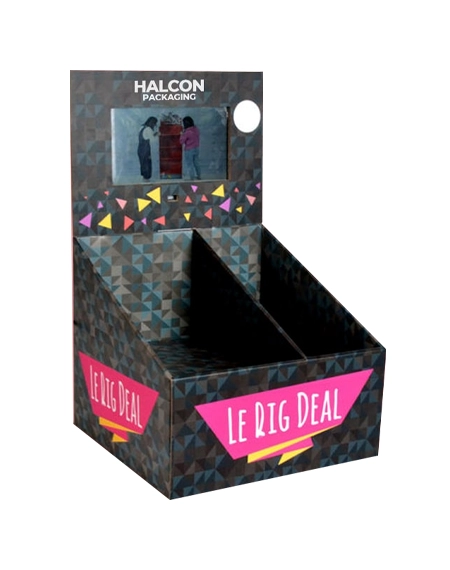
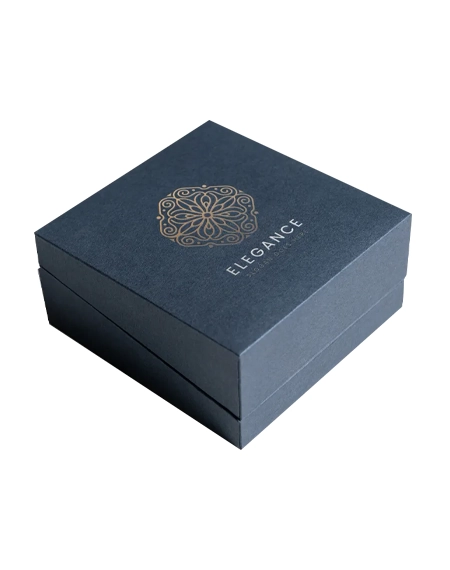
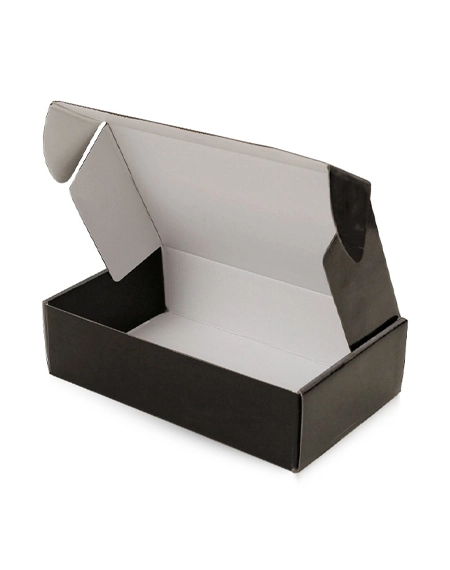
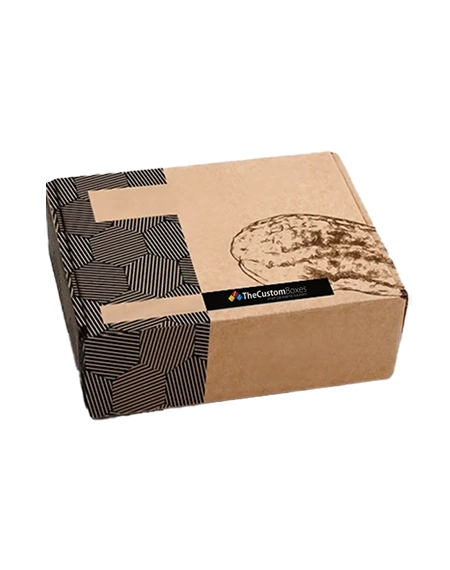
Wholesale custom boxes are most useful when the packaging specification and the purchasing plan are developed together. Custom Boxes Inc. helps businesses compare realistic order quantities, box structures, artwork versions, storage needs, and reorder timing around the actual product. Share your packed dimensions, expected quantity by version, artwork status, destination, and required date to receive a project-specific wholesale packaging quote.

Select dimensions in cm, mm, inches, ml, or oz and more — whatever fits your product.

Choose the Stock, printing type, and enter your order quantity.

Upload your ready artwork — or just write “Need Design” and we'll handle it.

Fill in your name, contact number, and email for quick communication.

Solve a quick captcha and hit “Submit Quote” — it takes seconds!

Our expert will reach out ASAP with the best market rate from a top packaging provider.

After You Approve the Quote — Here's What Happens Next


Wholesale custom packaging is a purchasing task as much as a box-selection task. A useful order plan connects product fit, structure, artwork versions, quantity, storage, delivery, and reorders instead of choosing a large number only to chase a lower unit price. Custom Boxes Inc. supplies empty paper-based packaging and supported printed accessories for business buyers who need a defined packaging specification and a realistic quantity plan.
The company does not supply the packaged contents or plastic, glass, jar, or metal primary containers. Round or tube boxes and foam inserts are outside the current scope. When an existing bottle, jar, tube, or other primary pack needs a paper outer box, measure that item in its packed condition and develop the wholesale box around the actual dimensions and handling requirements.
Record the maximum product length, width, and depth, plus packed weight when it affects board, stacking, or shipping decisions. Include caps, lids, accessories, tissue, and supported paper inserts that will remain inside. Also explain whether the package is for retail display, e-commerce, gifting, subscription use, wholesale distribution, or another defined channel. A larger order does not make an unsuitable structure appropriate. If several products may share one box size, compare representative items at both ends of the range. Standardizing a workable footprint can simplify inventory and artwork management, but an oversized shared box may create unnecessary movement or material. Separate sizes can be the better choice when fit, packing efficiency, or customer presentation would otherwise suffer.
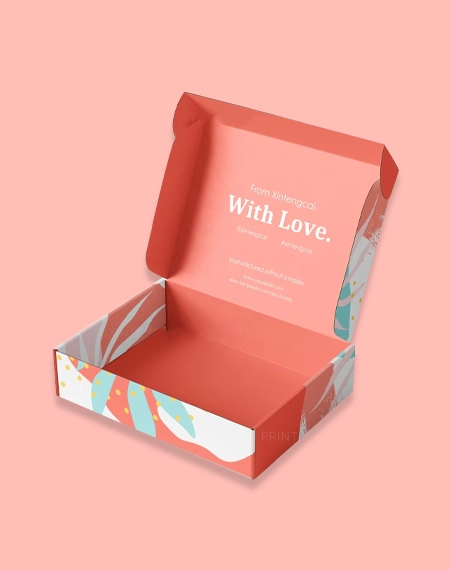
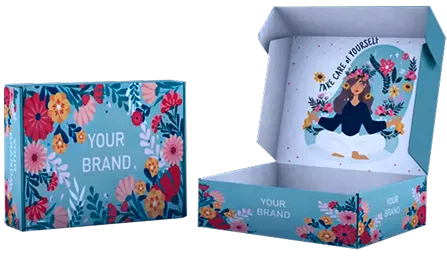
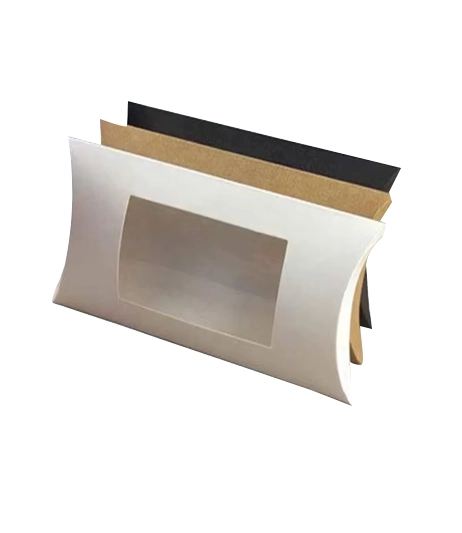
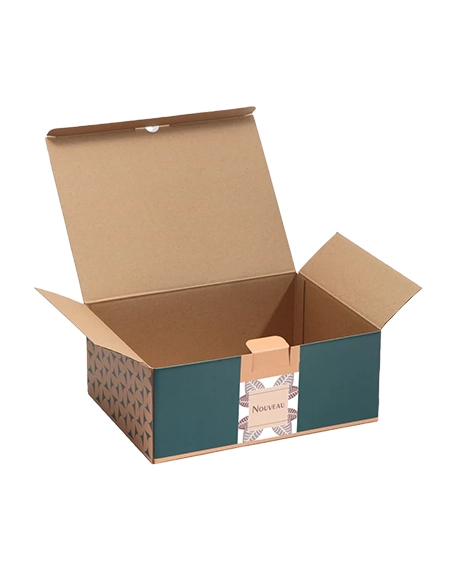
Folding cartons, corrugated mailers, shipping formats, rigid presentation boxes, sleeves, inserts, bags, cards, and other supported paper-based items have different production and storage requirements. Folding paperboard and many corrugated formats can ship flat, while some rigid constructions require more assembled storage volume. That difference can matter when a business moves from a small run to a wholesale quantity. Select the structure around loading, opening, product weight, stacking, storage, and distribution. A retail carton is not automatically a parcel shipper, and a presentation box is not evidence of transit performance. If the project needs both an inner branded package and an outer shipping carton, quote the two roles separately so purchasing and warehouse teams understand what is being ordered.
A request for 10,000 boxes can mean one box and one artwork file, or it can mean ten designs divided across several sizes. Those are different production plans. Give the quantity for each physical size and each artwork version, including flavors, scents, colors, model numbers, languages, or seasonal graphics. A shared dieline can simplify a program, but multiple printed versions can still require separate setup and approval. Version control becomes more important as order value and inventory grow. Keep the approved dieline, artwork revision, barcode, product copy, color reference, material, finish, and quantity together. Before a reorder, confirm whether the product, structure, artwork, or regulatory information has changed. A repeat order should not automatically reuse an older file simply because the box dimensions are the same.
A larger custom packaging order can change the quoted unit economics because production setup is spread across more pieces, but the lowest unit cost is not automatically the lowest business cost. Compare the quote with available storage, expected sell-through, cash committed to packaging, the risk of product changes, and the likelihood that branding or required product information will be revised. For a stable product with predictable demand, a larger order may support efficient replenishment. For a launch, seasonal product, or changing assortment, a smaller first quantity may reduce obsolete packaging risk. Request pricing at realistic quantity points instead of asking for an abstract wholesale discount. The quote should show what changes when the specification and quantity change.
Paperboard, kraft-appearance stocks, corrugated board, and wrapped rigid formats support different packaging jobs. Printing can include logos, product information, barcodes, images, and approved brand colors. Digital, offset, flexographic, CMYK or spot-color approaches, white ink, and specialty finishes may be considered where the selected material and production route support them. For a wholesale program, consistency matters across reorders, but exact results still depend on the approved material, ink system, finish, production conditions, and artwork. A digital proof can confirm layout and content; it does not prove physical fit, exact color, material feel, or transit performance. If a physical sample is needed for those decisions, confirm availability, cost, and timing for the chosen configuration.
Wholesale buyers often need more than one delivery cycle. Tell the team whether the first order is a launch, full replenishment, or part of a recurring program. Include likely reorder intervals, expected quantity changes, and the number of active SKUs. This information can help identify where a shared structure or common artwork elements are practical without assuming every future order will have the same price or production schedule. Keep a portable order record after approval: dimensions, dieline, material, print, finish, artwork version, quantity, delivery destination, and required date. When the next order is placed, that record helps identify what can be repeated and what needs another review. It also reduces the risk of ordering against an obsolete file or an earlier product specification.
Company records report selected paperboard, cardstock, kraft, and corrugated configurations from 50 boxes and selected rigid formats from 25. Those are conditional starting quantities, not a wholesale definition. Wholesale orders can be much larger, but minimums, production timing, manufacturing origin, sample terms, rush availability, and shipping conditions still depend on the actual structure, artwork split, material, finish, and destination. Earlier company records also describe eligible straightforward projects with production windows beginning around 4–6 business days after payment and final artwork and structural approval, while rigid, corrugated, complex, or multiple-design orders require a confirmed schedule. Shipping transit is additional. Treat those timings as scoped planning inputs rather than an unconditional promise for every wholesale order.
Send Custom Boxes Inc. your packed product dimensions, weight where relevant, preferred box style if known, quantity by size and artwork version, artwork status, delivery destination, and target arrival date. If you are planning recurring purchases, include the expected reorder pattern and any warehouse or storage constraint that could affect the order size.
Email Quotes@Customboxesinc.Com, call +1 833-565-0363, or complete the website quote form. The team can help compare supported packaging structures and realistic quantities while confirming the material, printing, minimum, sampling, production, origin, and delivery terms for the actual wholesale packaging project.
Verified customer feedback will appear here.


Answers to Help You Order with Confidence
Wholesale is a commercial ordering context rather than one universal piece count. The useful quantity depends on the box structure, product program, artwork versions, storage plan, and reorder needs. Submit the quantity you actually expect to buy so the quote can be tied to the real specification.
Larger quantities can change unit economics because setup and production costs are spread across more pieces, but the final quote depends on the complete specification. Material, structure, print coverage, finishes, artwork splits, tooling, samples, and delivery can all affect price. Compare realistic quantity options rather than assuming one fixed wholesale discount.
It can be discussed, but each size and artwork version should be listed separately with its own quantity. Multiple designs may require separate setup, proofing, or production steps even when the physical box size stays the same. Provide the full SKU and version split so feasibility and pricing can be reviewed correctly.
Company records report selected paperboard, cardstock, kraft, and corrugated configurations from 50 boxes and selected rigid formats from 25. Those figures are conditional starting points, not universal wholesale minimums. Confirm the minimum for the exact structure, material, finish, and artwork plan being quoted.
Yes, the purchasing brief can include likely reorder intervals, quantity ranges, active SKUs, delivery destinations, and artwork-version controls. Free design assistance can help organize supported dielines and supplied artwork, while each production order still needs its final quantity, approved files, and confirmed schedule. Keep the approved specification record available for every reorder.
Custom Boxes Inc is a leading manufacturer and supplier of custom packaging boxes tailored for every product and industry. From startups to global brands, we empower businesses across the USA with cost-effective, high-quality, fully personalized packaging solutions — crafted with precision, delivered with speed. Whether you need eco-friendly cardboard boxes, rigid luxury boxes, or branded retail-ready display packaging — we've got you covered with endless customization options, low MOQs, and lightning-fast turnarounds.