

Select dimensions in cm, mm, inches, ml, or oz and more — whatever fits your product.



Custom apparel rigid boxes are built around the finished fold, garment stack, and opening experience rather than garment size labels alone. Custom Boxes Inc. helps buyers coordinate packed dimensions, rigid structure, lid or drawer clearance, wrap artwork, supported paper inserts, quantity, sampling, and delivery planning. Share the actual folded apparel, tissue or paper supports, accessory count, preferred opening style, artwork status, quantity, destination, and required date to begin a project-specific quote.

Select dimensions in cm, mm, inches, ml, or oz and more — whatever fits your product.

Choose the Stock, printing type, and enter your order quantity.

Upload your ready artwork — or just write “Need Design” and we'll handle it.

Fill in your name, contact number, and email for quick communication.

Solve a quick captcha and hit “Submit Quote” — it takes seconds!

Our expert will reach out ASAP with the best market rate from a top packaging provider.

After You Approve the Quote — Here's What Happens Next


Apparel rigid packaging should start with the packed garment, not the label size printed inside the clothing. A small and large shirt can share a similar folded footprint, while a heavy sweatshirt, embellished jacket, scarf set, or layered gift arrangement can require more depth. Establish the final fold first, including tissue, backing cards, paper supports, hang tags, booklets, or accessories that remain inside the box.
Measure maximum folded length, width, and height in the orientation used for packing. Include the highest point created by collars, cuffs, embroidery, folded hoods, stacked garments, or accessories. Record packed weight when it affects handling or structure. Custom Boxes Inc. supplies empty paper-based packaging; clothing and other contents are customer-provided, and foam inserts remain outside the current approved scope.
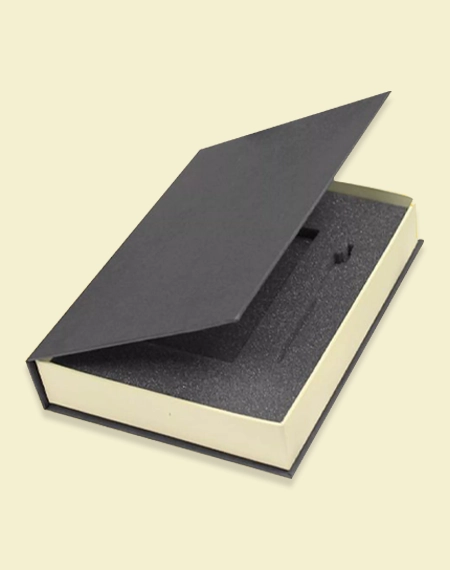
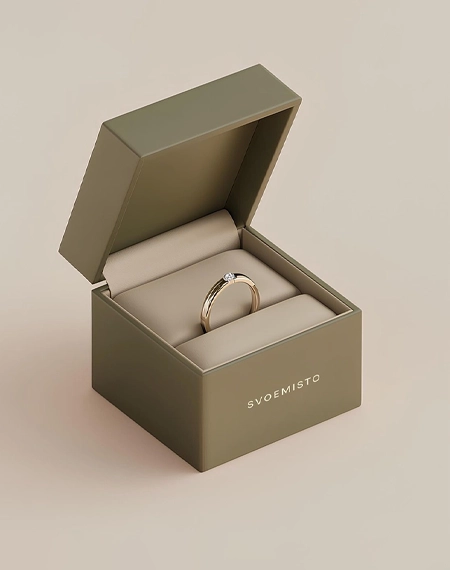
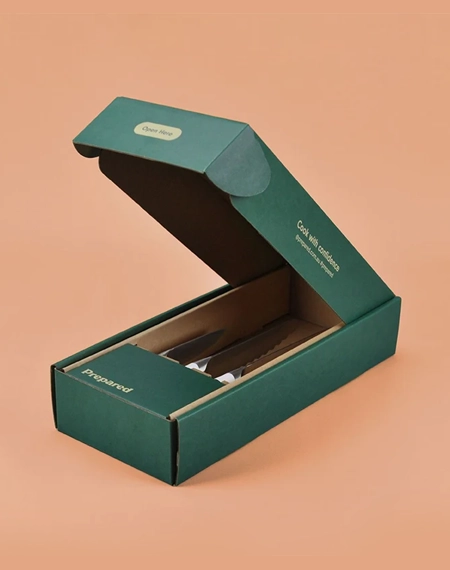
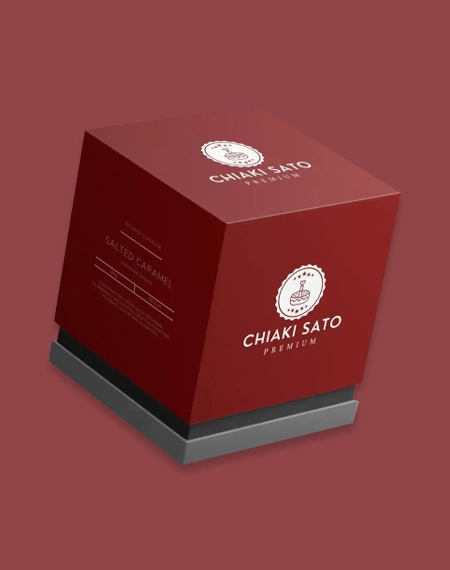
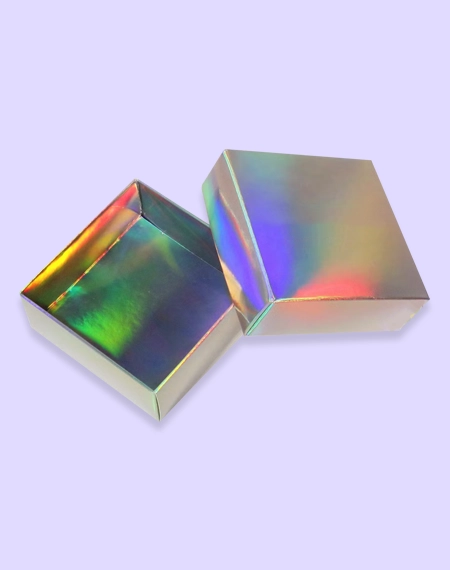
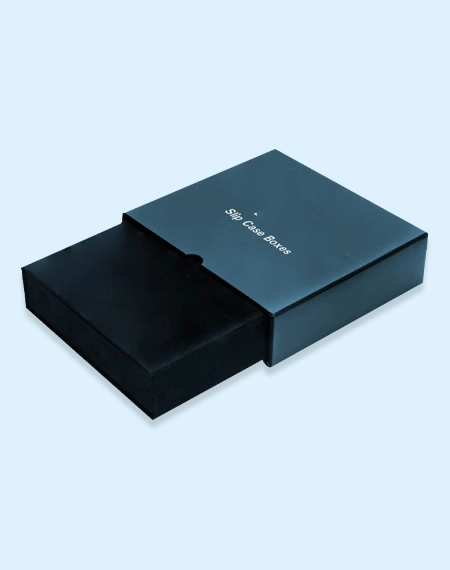
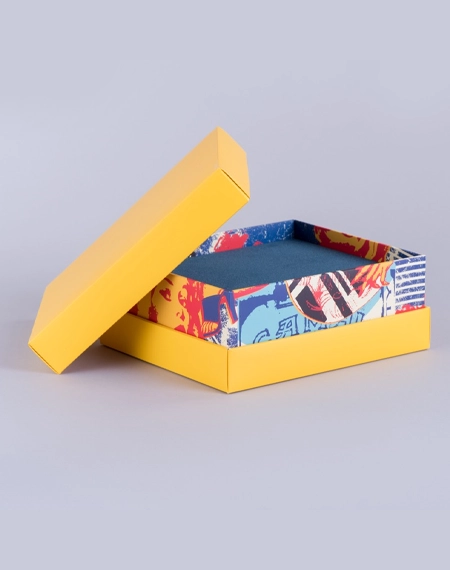
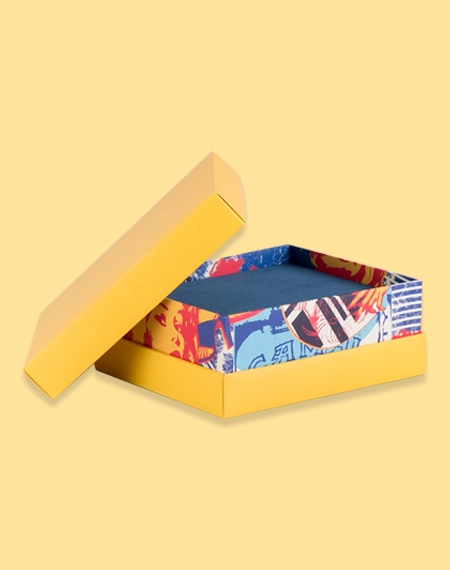
A two-piece lid and base gives broad top access and can suit folded garments or coordinated sets. A supported drawer format creates a sliding reveal, while a hinged rigid construction can keep the cover attached where that format fits the project. The opening style changes usable depth, hand access, storage volume, artwork orientation, packing time, and how easily a garment can be lifted without disturbing its fold.
Do not choose a mechanism only from a closed-box reference image. Consider how the packing team loads the garment, where tissue is placed, whether customers need to lift one item first, and how the box will be stored before use. Confirm the actual rigid construction on the approved dieline or sample because naming varies between suppliers.
Screen prints, embroidery, patches, buttons, collars, buckles, and other raised details can change the highest packed point. The rigid box should provide enough interior clearance for the chosen fold and presentation without relying on constant pressure from the lid or insert. If the apparel stack changes by size or fabric weight, test representative extremes before deciding one depth fits the whole line.
Tissue, backing boards, folded cards, or paper separators can also change the stack height. Record them as part of the specification rather than adding them after box dimensions are approved. A compact pack is useful only when the contents remain practical to remove and the rigid structure closes as intended.
Supported paperboard or corrugated inserts can help organize garments and accessories when the chosen structure supports them. A paper platform can separate a small accessory from folded apparel, while dividers can create areas for ties, socks, scarves, belts, or printed literature. Design the interior around real product dimensions, lifting space, and the order in which items should be removed.
Keep insert height below the lid, hinge, or drawer clearance. Avoid narrow cavities that force fabric into a shape that conflicts with the approved fold. Foam inserts are outside the current Custom Boxes Inc. scope, so the page should not promise foam pads, EVA cutouts, or fabric-wrapped foam trays.
Rigid boxes commonly use substantial board-based forms covered with visible paper wraps. Decide whether the package will sit flat, stand on a shelf, appear in gifting, or support a launch or merchandise program. That viewing position should guide logo orientation, collection names, size or SKU information, and artwork across lid, base, drawer, or hinged surfaces.
Treat separate rigid components as separate artwork surfaces. A removable lid and base can shift relative to one another, and a drawer tray moves through its sleeve. Keep fine text, barcodes, and alignment-critical graphics away from wrapped edges or moving seams unless the approved production layout supports the placement. Free design assistance can help organize supplied branding.
Foil, embossing, debossing, matte, gloss, spot effects, interior printing, and other supported finishes can be evaluated where the selected wrap, artwork, quantity, and production route allow them. Choose the brand element that deserves emphasis first. A finish should support the presentation rather than distract from garment identity, product information, or the opening sequence.
A digital proof can confirm wording, logo version, artwork scale, orientation, and designated finish areas, but it cannot prove tactile wrap, garment fit, lid movement, drawer friction, or metallic reflection. Discuss a physical sample when those details materially affect approval and confirm what structure, wrap, printing, and finishes the sample represents.
A rigid apparel box can create a structured presentation around folded clothing, but it is not automatically a parcel-ready shipper. For ecommerce use, decide whether the rigid package needs a separate corrugated outer shipper and how labels, sealing, movement, abrasion, moisture exposure, and likely handling will be managed during distribution.
Avoid universal claims that rigid apparel packaging prevents every crease, crush, drop, or transit problem. Fabric behavior depends on the garment, fold, packing method, humidity, handling, and full distribution system. Where measurable shipping performance matters, evaluate the complete packed system rather than treating rigid appearance as proof of parcel protection.
Apparel programs often include several garment sizes, colors, or seasonal artwork versions. One rigid box size can sometimes serve multiple garments when the fold and packed height stay controlled, but that should be checked with representative samples. Record the approved dimensions, structure, wrap, insert revision, artwork file, and quantity for every version so reorders do not rely on memory.
If a shared size creates excess empty space for smaller garments or excessive compression for larger ones, compare the cost and storage impact of a second size. Standardization is useful only when fit, packing speed, product presentation, and inventory remain practical.
Company records report selected rigid configurations starting at 25 boxes, but the applicable minimum can change with dimensions, structure, artwork versions, wrap, finishes, paper inserts, tooling, and production setup. Provide the quantity for each size and artwork version so the quote reflects the actual project.
Most formed rigid apparel boxes occupy assembled storage volume even when empty, so compare outside dimensions with warehouse space before choosing quantity. Rigid or finish-heavy projects require a confirmed production schedule, with shipping transit treated separately. Manufacturing origin, sample terms, rush availability, supply state, and shipping eligibility should also be confirmed.
Send Custom Boxes Inc. the folded garment dimensions, highest packed point, packed weight where relevant, preferred rigid opening style, quantity by size and artwork version, tissue or paper-support needs, accessory count, wrap or finish preferences, artwork status, destination, and target arrival date. If you are unsure which structure fits, describe the packing process and desired reveal so the team can compare supported rigid formats.
Email Quotes@Customboxesinc.Com, call +1 833-565-0363, or complete the website quote form to request custom apparel rigid boxes. Free design assistance can help organize the supported structure, wrap artwork, finish placement, and paper-based interior while the team confirms the actual materials, minimum, sample, production, origin, and delivery terms.
Premium packaging trusted by leading apparel brands.



Answers to Help You Order with Confidence
Rigid boxes can be planned around folded shirts, T-shirts, hoodies, scarves, lingerie, accessories, and multi-item apparel sets when the chosen structure fits the packed arrangement. The important dimensions are the final fold and highest packed point rather than the garment size label alone. Share representative packed items for fit review.
It can when the different garments share a controlled folded footprint and similar packed height. Heavier fabrics, hoods, embroidery, or multi-item sets can change the required depth. Check representative small and large configurations before standardizing one box size.
Yes, supported paperboard or corrugated inserts can be considered when they fit the selected rigid structure and apparel arrangement. Plan them around garment fold, accessory placement, finger access, and lid or drawer clearance. Foam inserts are outside the current Custom Boxes Inc. scope.
A rigid apparel box can be part of an ecommerce presentation, but it is not automatically a parcel-ready shipping container. A separate corrugated outer shipper may be appropriate depending on the product, route, labels, sealing, and handling conditions. Evaluate the complete packed system when shipping performance matters.
Company records report selected rigid configurations starting at 25 boxes. The applicable minimum can change with dimensions, structure, artwork versions, wrap, finishes, inserts, tooling, and production setup. Share the complete specification for a configuration-specific quote.
Custom Boxes Inc is a leading manufacturer and supplier of custom packaging boxes tailored for every product and industry. From startups to global brands, we empower businesses across the USA with cost-effective, high-quality, fully personalized packaging solutions — crafted with precision, delivered with speed. Whether you need eco-friendly cardboard boxes, rigid luxury boxes, or branded retail-ready display packaging — we've got you covered with endless customization options, low MOQs, and lightning-fast turnarounds.