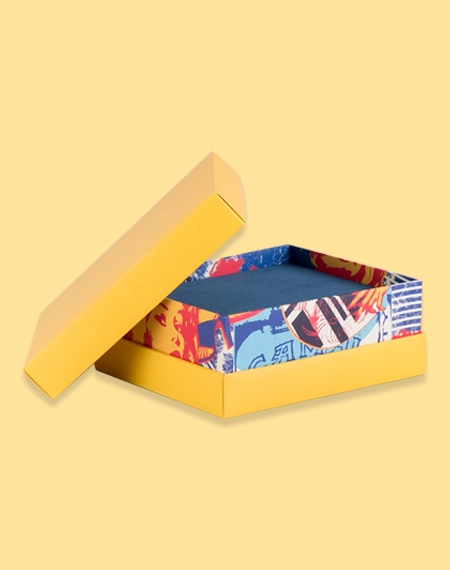


Select dimensions in cm, mm, inches, ml, or oz and more — whatever fits your product.



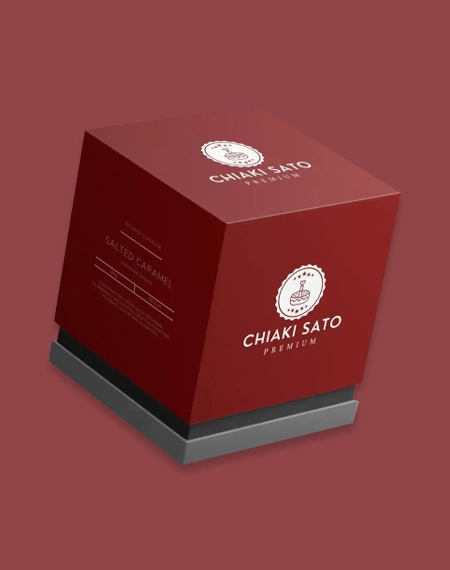
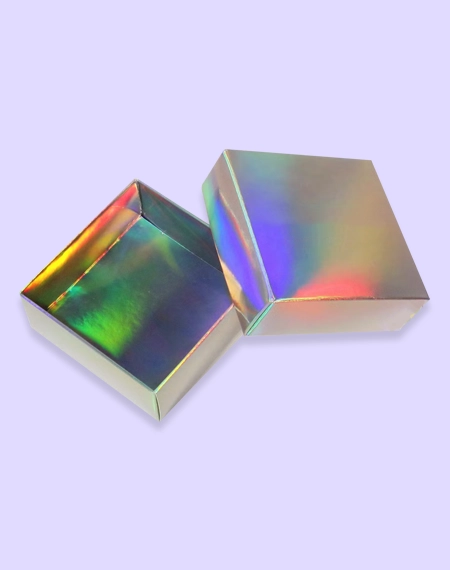
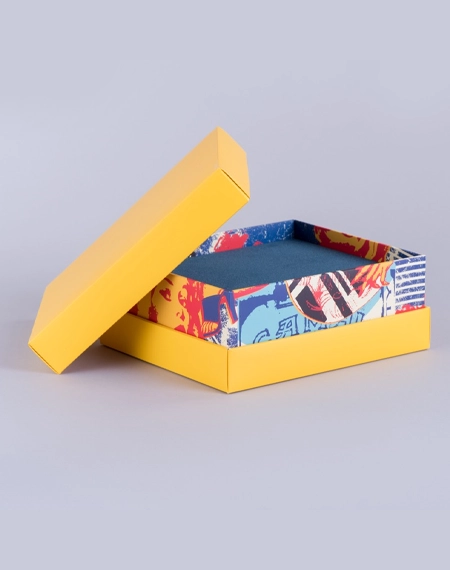
Custom small rigid boxes should be sized from the real packed product because board, wrap, lid overlap, and paper inserts consume a larger share of the available space in a compact package. Custom Boxes Inc. helps buyers coordinate internal dimensions, opening style, finger access, artwork scale, supported paper inserts, selected finishes, quantity, sampling, and delivery planning. Share the packed item, intended rigid format, artwork status, quantity, destination, and required date to begin a project-specific quote.

Select dimensions in cm, mm, inches, ml, or oz and more — whatever fits your product.

Choose the Stock, printing type, and enter your order quantity.

Upload your ready artwork — or just write “Need Design” and we'll handle it.

Fill in your name, contact number, and email for quick communication.

Solve a quick captcha and hit “Submit Quote” — it takes seconds!

Our expert will reach out ASAP with the best market rate from a top packaging provider.

After You Approve the Quote — Here's What Happens Next


Small rigid packaging gives buyers less room to absorb measurement errors. Start with the complete packed item, not a nominal product size or a reference box. Record maximum length, width, and height in the orientation used for packing, including any existing bottle, jar, tube, retail carton, cap, accessory, booklet, tissue, card, or supported paper insert that remains inside. Add packed weight when it affects handling or structure.
The useful interior is smaller than the finished outside dimensions because rigid board, paper wrap, lid walls, shoulders, sleeves, trays, and inserts all take space. That difference matters more when the package is compact. Custom Boxes Inc. supplies empty paper-based packaging; plastic, glass, jar, and metal primary containers, round or tube boxes, and foam inserts remain outside the current approved scope.
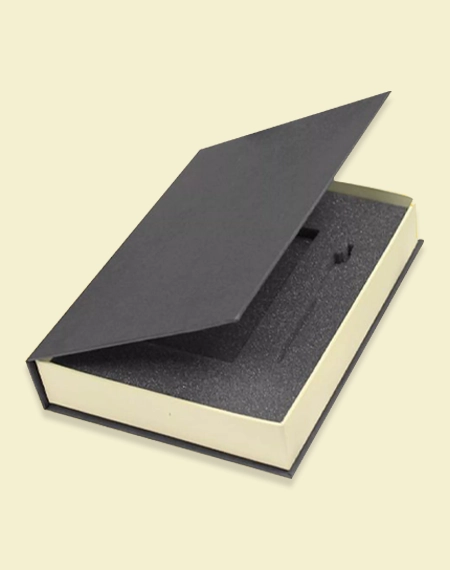
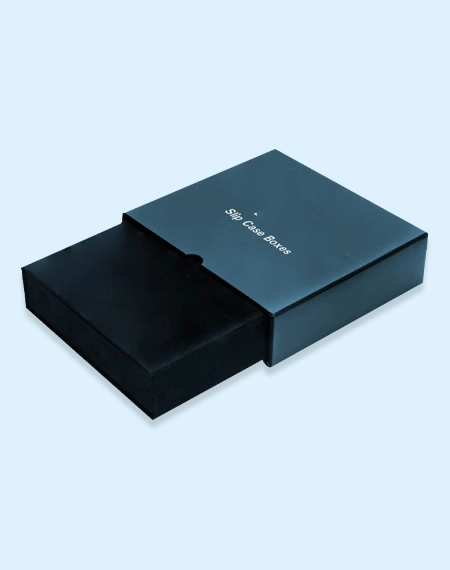
A two-piece lid and base, drawer, hinged rigid box, shoulder format, or another supported construction can all be made compact, but the opening motion changes how much usable space remains. A deep lid can leave little base area to grip. A narrow drawer can be difficult to pull without a notch or other supported access detail. A hinge or magnetic flap adds its own closing path and clearance needs.
Select the mechanism around the product, packing sequence, and customer interaction rather than choosing the smallest possible footprint first. Ask how the item will be placed, where fingers will reach, whether a card or tissue layer sits above it, and whether the customer needs to return the product to the box repeatedly. Confirm the final mechanism on the approved dieline or physical sample because style names can vary.
Compact rigid boxes have a high ratio of wrapped edges and corners to flat panel area. Paper turns, seams, corner buildup, and board thickness can therefore influence fit, artwork, and finished appearance more noticeably than on a larger panel. Avoid treating one outside measurement as the usable cavity, and avoid promising exact physical fit before the selected construction and wrap are defined.
If the product has tight clearances, share the actual packed sample or reliable dimensions early. A few millimeters can change whether a lid seats cleanly, a drawer slides freely, or a supported paper insert leaves enough removal space. The quote should identify which dimensions refer to the product, the usable interior, and the finished outside box.
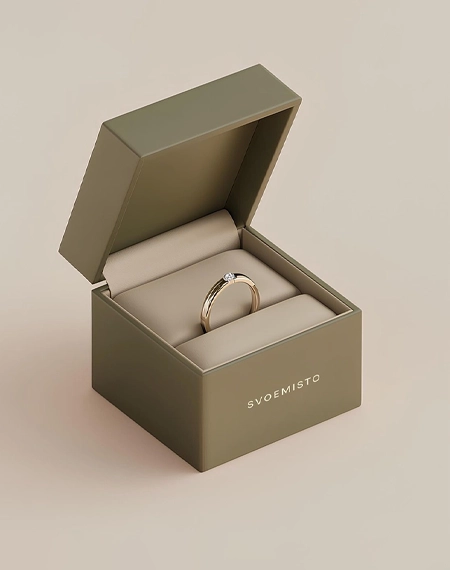
Jewelry, accessories, sample-size cosmetics, small electronics accessories, promotional items, and other compact products can disappear visually inside an oversized cavity or become frustrating when fitted too tightly. Plan a defined product position plus enough finger access for removal. If several tiny components share one box, establish their order and orientation before finalizing the rigid depth.
Supported paperboard or corrugated inserts can organize products where the selected rigid format supports them. The insert can create a platform, divider, or shaped paper-based arrangement, but its walls and folds also consume space. Foam and EVA inserts are outside the approved Custom Boxes Inc. scope, so compact-item copy should not rely on foam-specific cushioning or cavity claims.
Small boxes often provide less uninterrupted artwork area than buyers expect from a large on-screen mockup. Lid overlap, wrap turns, seams, drawer openings, hinges, or shoulder bands can reduce the useful panel. Keep logos, product names, barcodes, and required text at sizes that remain legible on the actual printed surface rather than shrinking a larger design until it technically fits.
Use the approved dieline to check logo clearance from edges and moving components. Fine borders or graphics that depend on exact cross-panel alignment deserve extra review on compact packaging because a small positional shift can be more noticeable. Free design assistance can help organize supplied artwork on the supported layout, while customer-supplied product claims and regulated wording remain the customer's responsibility.
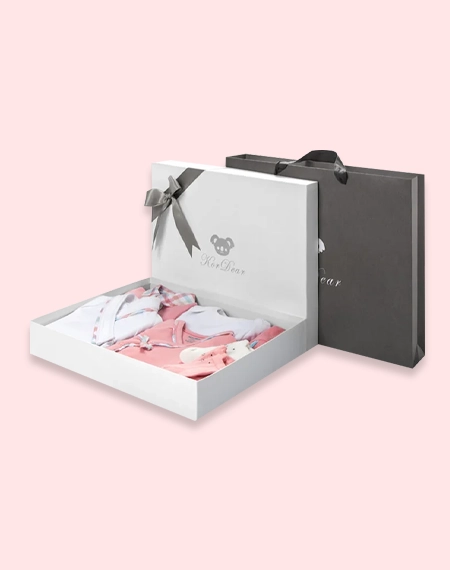
Foil, embossing, debossing, matte, gloss, spot effects, interior printing, and other supported finishes can be considered where the selected wrap, artwork, quantity, and production route allow them. On a small lid or sleeve, one focal treatment can be more useful than stacking several effects into a limited area. Decide which brand element deserves emphasis before adding decorative complexity.
Do not assume every tiny line, foil detail, emboss depth, or spot effect shown in a rendering will reproduce the same way on every material. Finish feasibility depends on the actual artwork, wrap, tooling, and process. A digital proof can confirm placement and content, while a physical sample may be more useful when tactile feel, opening behavior, or small-detail appearance is central to approval.
A small footprint can reduce storage and shipping cube, but rigid packaging is commonly supplied formed and still occupies its finished volume before filling. Compare the outside dimensions and case pack with receiving shelves, packing stations, and any corrugated outer shipper. If several SKUs may share one box, test representative extremes before standardizing the size.
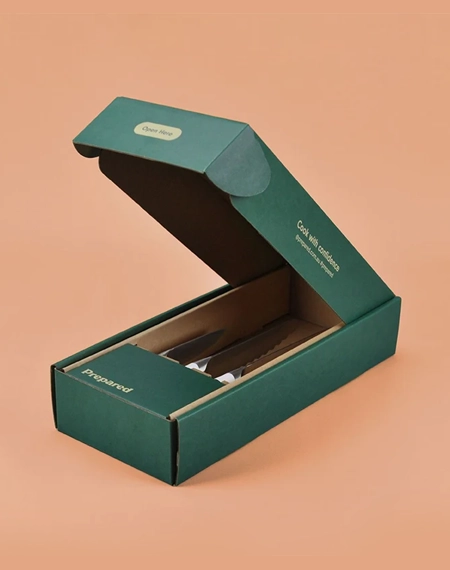
For ecommerce or courier delivery, decide whether the finished rigid box needs a separate corrugated outer shipper to protect the customer-facing wrap from labels, tape, abrasion, moisture, and handling. Where measurable transit performance matters, evaluate the complete packed system under the relevant conditions rather than treating small size or rigid construction as proof of damage prevention.
Company records report selected rigid configurations starting at 25 boxes, but the applicable minimum can change with size, structure, artwork versions, wrap, finishes, supported paper inserts, tooling, and production setup. Very small dimensions can introduce their own manufacturing and assembly constraints, so share the exact size and quantity rather than assuming a compact box automatically has the lowest minimum or unit cost.
Rigid or finish-heavy projects need a confirmed production schedule, with shipping transit treated separately. When fit, lid movement, drawer action, or tiny finish details matter, discuss the appropriate sample route and confirm its cost, timing, and represented specification. Manufacturing origin, supply state, rush availability, and shipping eligibility should also be confirmed for the selected configuration.
Send Custom Boxes Inc. the complete packed-product dimensions, packed weight where relevant, preferred rigid mechanism, quantity by size and artwork version, supported paper-insert needs, wrap or finish preferences, artwork status, destination, and target arrival date. If you are trying to minimize the footprint, include the product's true maximum dimensions and explain how customers should remove and replace the item.
Email Quotes@Customboxesinc.Com, call +1 833-565-0363, or complete the website quote form to request custom small rigid boxes. Free design assistance can help organize the supported structure, wrap artwork, finish placement, and paper-based interior while the team confirms the actual materials, minimum, sample, production, origin, and delivery terms.
Trusted by premium brands



Answers to Help You Order with Confidence
The practical minimum size depends on the selected rigid mechanism, board and wrap construction, artwork, insert plan, product dimensions, and production route. Very small boxes need enough room for wrapped edges, closing movement, and hand access. Share the actual packed item dimensions so the configuration can be reviewed.
No. Rigid board, wrap, lids, shoulders, sleeves, trays, and inserts all consume space, so the usable interior is smaller than the finished outside dimensions. That difference can be especially important on compact packaging. Confirm which measurement set is being quoted and approved.
Yes, supported paperboard or corrugated inserts can be considered when they fit the selected rigid structure and product arrangement. Plan them around product position, finger access, closing clearance, and removal order. Foam inserts are outside the current Custom Boxes Inc. scope.
It can when the products share a sufficiently similar packed footprint and height. Test representative extremes before standardizing one size because small differences can become significant inside a compact cavity. Separate sizes may be more practical when fit or presentation changes materially.
Company records report selected rigid configurations starting at 25 boxes. The applicable minimum can change with dimensions, structure, artwork versions, wrap, finishes, inserts, tooling, and production setup. Share the exact small-box specification for a configuration-specific quote.
Custom Boxes Inc is a leading manufacturer and supplier of custom packaging boxes tailored for every product and industry. From startups to global brands, we empower businesses across the USA with cost-effective, high-quality, fully personalized packaging solutions — crafted with precision, delivered with speed. Whether you need eco-friendly cardboard boxes, rigid luxury boxes, or branded retail-ready display packaging — we've got you covered with endless customization options, low MOQs, and lightning-fast turnarounds.