

Select dimensions in cm, mm, inches, ml, or oz and more — whatever fits your product.



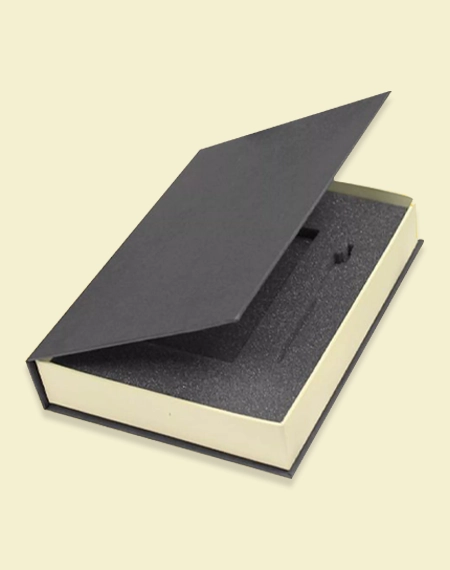
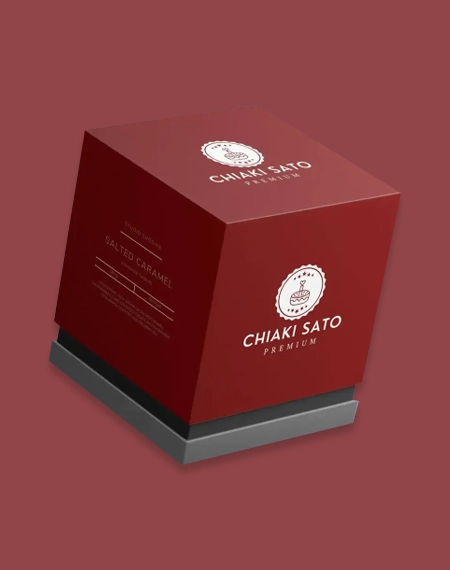
Custom slipcase rigid boxes use a rigid outer case with one open side so a book set, inner case, or other suitable rectangular pack can slide in and out. Custom Boxes Inc. helps buyers plan packed dimensions, slip clearance, opening orientation, wrap artwork, spine branding, supported paper components, quantity, and approvals. Share the complete packed stack, insertion direction, artwork status, quantity, destination, and required date to begin.

Select dimensions in cm, mm, inches, ml, or oz and more — whatever fits your product.

Choose the Stock, printing type, and enter your order quantity.

Upload your ready artwork — or just write “Need Design” and we'll handle it.

Fill in your name, contact number, and email for quick communication.

Solve a quick captcha and hit “Submit Quote” — it takes seconds!

Our expert will reach out ASAP with the best market rate from a top packaging provider.

After You Approve the Quote — Here's What Happens Next


A rigid slipcase is an outer case that is open along one side so the packed item can slide into and out of the enclosure. The item might be a book or book set, a printed portfolio, a supported inner paper-based case, or another rectangular presentation pack. That makes the critical specification the complete packed stack, not one isolated component measured before everything is assembled.
Measure maximum length, width, and depth in the orientation the pack will enter the slipcase. Include covers, wrapped inner boxes, paper inserts, folders, or other components that remain inside. Add packed weight when it affects handling or board selection. Custom Boxes Inc. supplies empty paper-based packaging; plastic, glass, jar, and metal primary containers, round or tube boxes, and foam inserts remain outside the current approved scope.
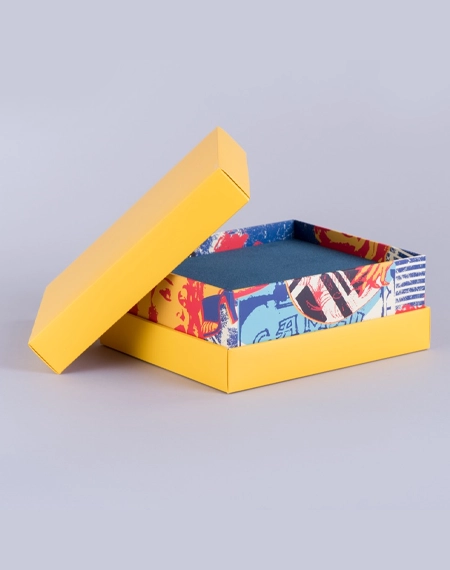
A slipcase and a rigid drawer box can look similar because both involve a sliding motion, but their buyer tasks are different. A drawer box normally has a tray that is part of the package and slides through an outer sleeve. A slipcase is the outer protective case itself, with the book set, inner case, or other packed unit acting as the sliding content.
Keep that distinction visible in the quote and dieline. If the project actually needs a supplied rigid tray with its own walls, ribbon pull, thumb notch, or retention detail, route the specification toward a rigid drawer construction instead. If the need is an open-sided rigid case around a separate packed unit, slipcase language is more accurate.
The slipcase must be close enough to support the packed item without becoming difficult to insert or remove. Too much clearance can allow visible movement and misalignment; too little can create binding at wrapped edges, corners, or thicker points in the stack. The correct allowance depends on the finished materials, wrap, corners, product stack, and production tolerances rather than one universal gap.
Review the heaviest, thickest, or least flexible version if several editions will share one size. A multi-volume set may change after shrink wrap, belly bands, folders, or other paper components are added. Measure the configuration that will actually be packed so the slipcase is not approved against an incomplete prototype.
Decide which edge stays open before artwork is finalized. For a book-style set, the opening may be opposite the visible spine so titles remain readable when the set is shelved. For a presentation kit stored flat, another orientation may work better. The open side affects hand access, exposed edges, gravity, artwork direction, and how the package appears in storage.
If the packed item should sit flush, recessed, or slightly proud of the slipcase edge, identify that preference in the structural brief and confirm what the chosen construction can support. Do not assume the item should be perfectly flush on every side. A physical sample is useful when reveal depth and removal feel are important.
Rigid slipcases typically use a substantial board-based form covered with a visible paper wrap. The wrap has to move around fixed corners and finish cleanly near the open edge, so artwork should respect seams, turn-ins, and areas where hands repeatedly contact the case. Keep small text, barcodes, and alignment-critical details away from edges unless the approved layout specifically supports them.
The closed faces and spine can provide useful branding space, especially when the slipcase will be stored upright. Plan the title, logo, edition name, or collection identifier for the viewing direction customers will actually see. If artwork must align visually with an inner case or book set, treat that as an approval requirement rather than assuming independent components will register perfectly.
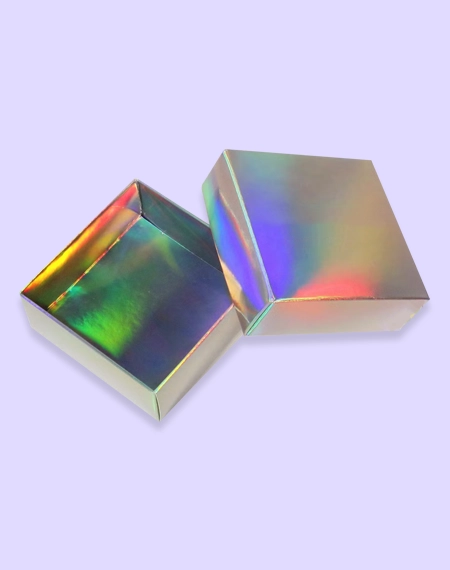
Printed wraps, selected spot colors, foil, embossing, debossing, matte, gloss, and other finishing effects may be considered where the chosen wrap and production route support them. Finish choices should follow the approved structure because the slipcase's corners, open edge, and handling zones can change where a decorative effect is practical.
A digital proof can confirm wording, orientation, artwork scale, spine placement, and designated finish areas. It cannot prove physical slide fit, wrap texture, metallic reflection, hand feel, or the way the packed stack enters the case. Discuss an appropriate physical sample when those factors materially affect approval, and confirm its cost, schedule, represented materials, and construction.
If the packed unit includes supported paperboard or corrugated inserts, folders, dividers, or an inner paper-based box, account for them in the final exterior dimensions before sizing the slipcase. Raised components, loose tissue, or protruding tabs can catch the open edge even when the main product dimensions appear correct.
Foam inserts are outside the current Custom Boxes Inc. scope. If the project includes a supported inner package, quote the relationship between the inner component and slipcase explicitly so the customer understands which parts are being supplied and which dimensions control the outer case.
A rigid slipcase can cover multiple faces and help organize a set during storage or presentation, but that does not make it a universal shipping container or guarantee protection from every scratch, drop, crush, or moisture exposure. Performance depends on the complete packed system, materials, fit, handling, and distribution conditions.
For e-commerce or parcel delivery, decide whether the slipcase and packed unit need a separate corrugated outer shipper. Keep shipping labels, sealing, void control, and transit handling out of the presentation surface when possible. Where measurable shipping performance matters, assess the complete pack under the relevant conditions rather than relying on appearance alone.
Company records report selected rigid configurations starting at 25 boxes, but the applicable minimum can change with size, slipcase depth, artwork versions, wrap, finishes, supported inner components, and production setup. Provide the quantity for every size and artwork version so the quote reflects the real production plan.
Most formed rigid slipcases occupy their assembled volume even when empty, so consider outside dimensions and storage space before choosing quantity. Rigid or complex projects need a confirmed schedule, with shipping transit treated separately. Manufacturing origin, physical-sample terms, rush availability, and shipping eligibility should also be confirmed for the selected configuration.
Send Custom Boxes Inc. the complete packed stack dimensions, packed weight where relevant, insertion direction, open-side orientation, quantity by size and artwork version, wrap preference if known, supported inner paper components, artwork status, destination, and target arrival date. If the project may actually need a supplied sliding tray, mention that so the team can compare slipcase and drawer constructions before quoting.
Email Quotes@Customboxesinc.Com, call +1 833-565-0363, or complete the website quote form to request custom slipcase rigid boxes. Free design assistance can help organize the supported structure, wrap, spine artwork, inner paper components, and supplied branding while the team confirms the actual materials, fit, minimum, sample, finish, production, origin, and delivery terms.
Real experiences from trusted brands.




Answers to Help You Order with Confidence

A rigid slipcase is an outer case with one open side so a book set, inner case, or other suitable rectangular pack can slide in and out. The slipcase itself is the rigid outer enclosure rather than a supplied pull-out tray. The actual construction should be confirmed on the approved dieline or sample.
No. A rigid drawer box normally includes a tray that slides through a sleeve, while a slipcase surrounds a separate packed unit such as a book set or inner case. If the project needs a supplied tray, ribbon pull, thumb notch, or tray retention, it should be evaluated as a drawer construction.
Measure the complete packed stack in the orientation it will enter the slipcase, including covers, wraps, supported inner boxes, folders, and other components that remain inside. Record the maximum length, width, and depth rather than averaging several items. Share packed weight when it could affect handling or structure.
Foil, embossing, debossing, and other supported finishes can be considered where the chosen wrap, artwork, and production route allow them. Keep critical details clear of wrapped edges and the open side unless the approved layout supports that placement. Physical sampling may be useful when finish appearance is central to approval.
Company records report selected rigid configurations starting at 25 boxes. The applicable minimum can change with dimensions, artwork versions, wrap, finishes, supported inner components, and production setup. Share the complete specification for a configuration-specific quote.
Custom Boxes Inc is a leading manufacturer and supplier of custom packaging boxes tailored for every product and industry. From startups to global brands, we empower businesses across the USA with cost-effective, high-quality, fully personalized packaging solutions — crafted with precision, delivered with speed. Whether you need eco-friendly cardboard boxes, rigid luxury boxes, or branded retail-ready display packaging — we've got you covered with endless customization options, low MOQs, and lightning-fast turnarounds.