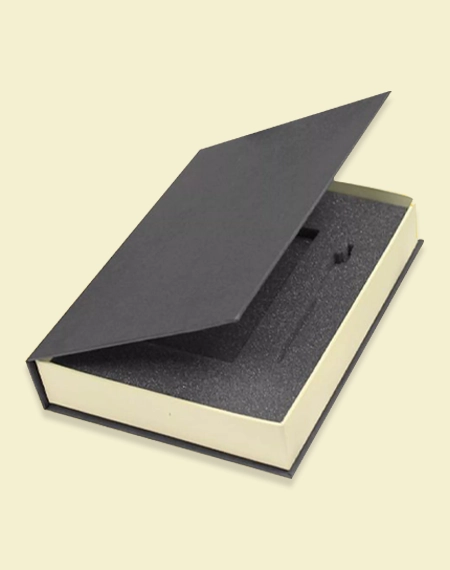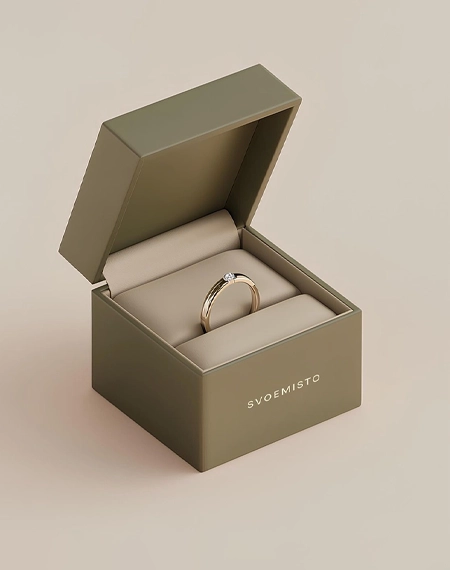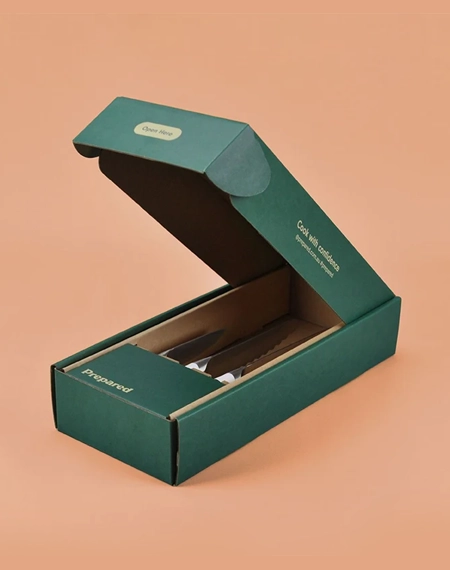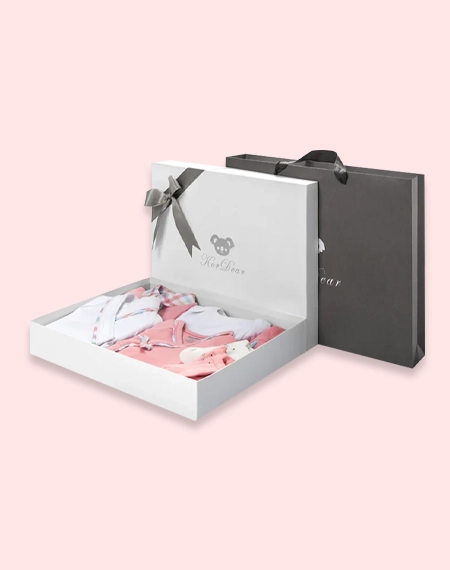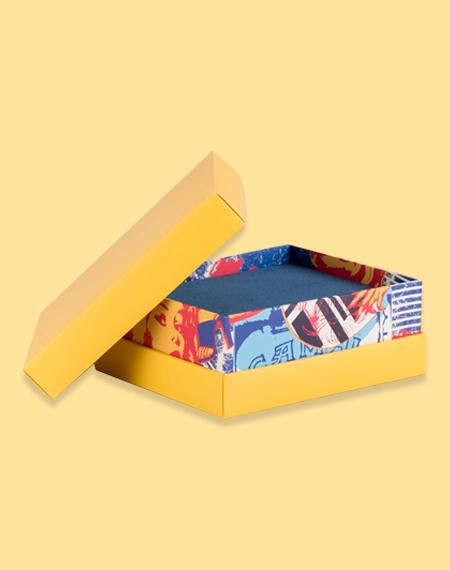


Select dimensions in cm, mm, inches, ml, or oz and more — whatever fits your product.

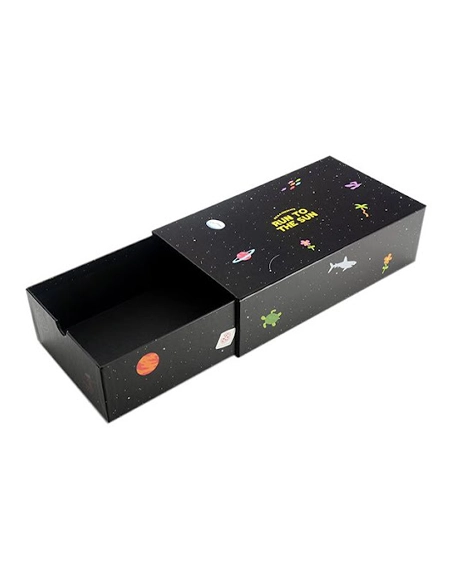
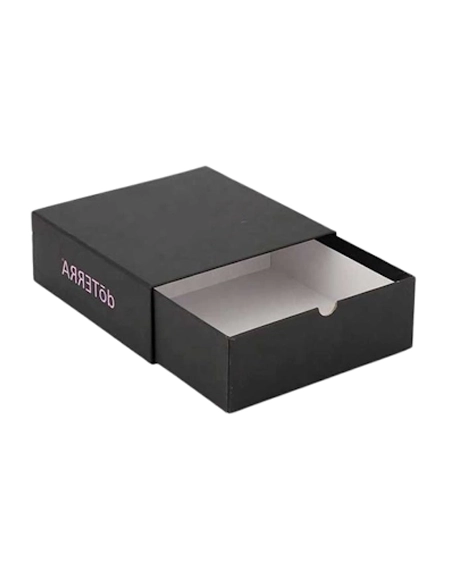
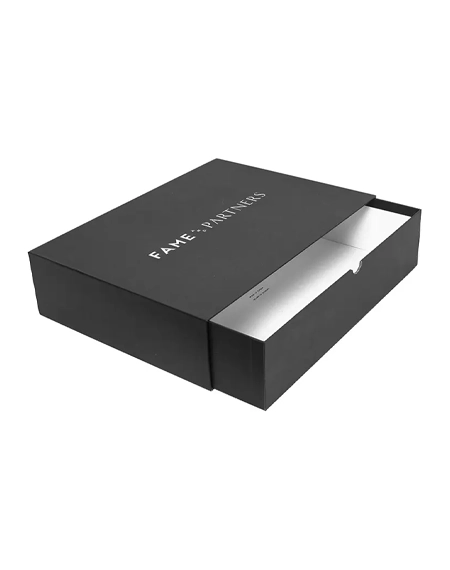
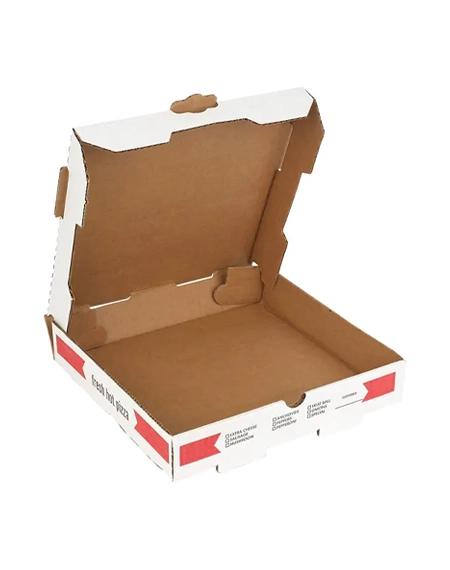
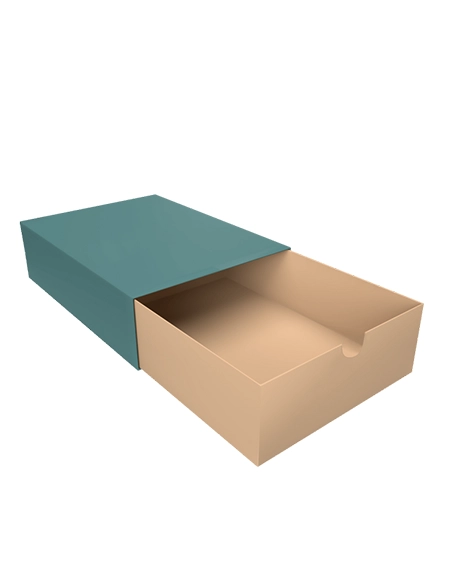
Custom thumb notch rigid boxes add a planned finger-access cutout to supported rigid packaging so customers can grip, lift, or start a sliding component without adding a ribbon pull. Custom Boxes Inc. helps buyers coordinate notch placement, rigid construction, product fit, wrap artwork, paper inserts, and finishes around the actual opening motion. Share your product dimensions, preferred rigid style, quantity, artwork, and desired access point to begin.

Select dimensions in cm, mm, inches, ml, or oz and more — whatever fits your product.

Choose the Stock, printing type, and enter your order quantity.

Upload your ready artwork — or just write “Need Design” and we'll handle it.

Fill in your name, contact number, and email for quick communication.

Solve a quick captcha and hit “Submit Quote” — it takes seconds!

Our expert will reach out ASAP with the best market rate from a top packaging provider.

After You Approve the Quote — Here's What Happens Next


A thumb notch is a cutout that gives fingers a defined place to grip or start opening a rigid package. It can be useful on a rigid drawer sleeve, a two-piece lid-and-base arrangement, or another supported rigid construction where the agreed dieline provides a workable access edge. The notch does not define the entire box by itself, so start by confirming the rigid mechanism first and then decide where finger access is actually needed.
Custom Boxes Inc. supplies empty paper-based packaging and supported paper accessories. Measure the product in its packed condition, including any existing bottle, jar, tube, cap, accessory, tissue, or supported paper insert that remains inside. The packaged contents and plastic, glass, jar, or metal primary containers are outside the company offer, while foam inserts and round or tube boxes are outside the current approved scope.
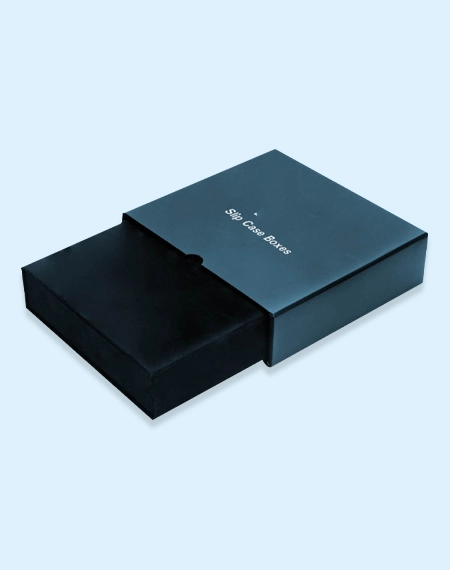
On a rigid drawer box, the notch can create access at the sleeve opening so the customer can catch the tray or begin the slide without a protruding ribbon. That decision still depends on tray-to-sleeve clearance, loaded weight, travel direction, and whether the inner tray should be fully removable. A notch cannot compensate for a drawer that is too tight or for a loaded tray that needs a different opening method.
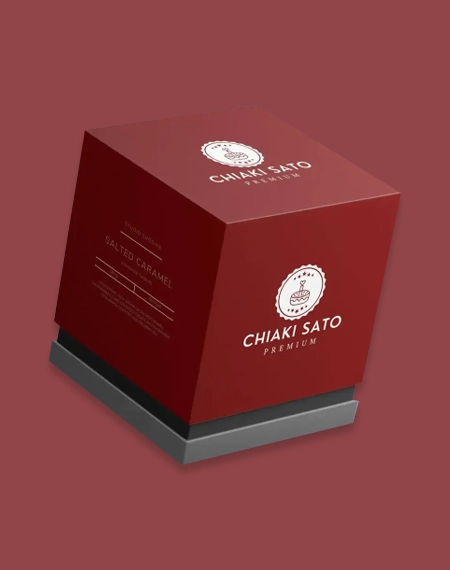
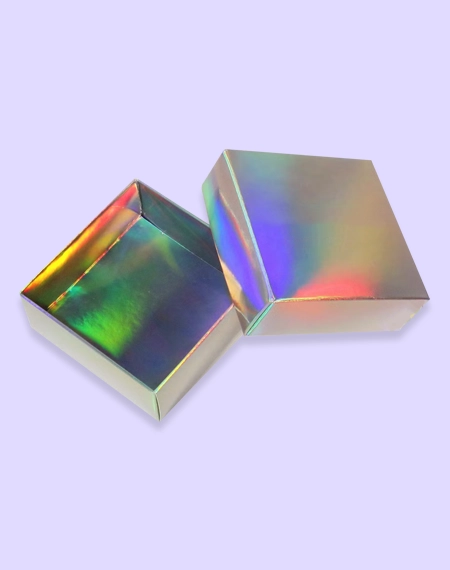
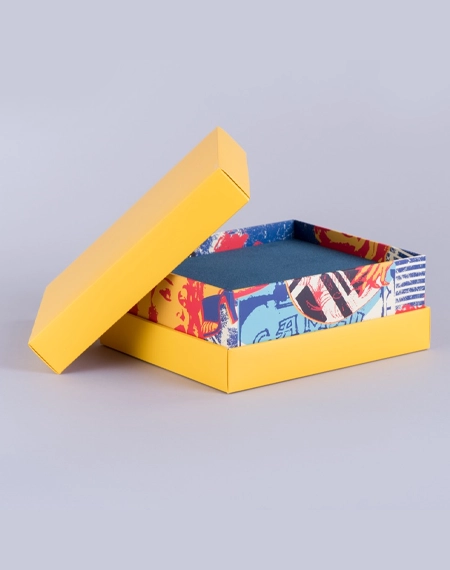
On a two-piece rigid box, finger access may be placed where it helps the customer grip or lift the lid or exposed base edge. Lid depth, lid-to-base fit, opening effort, and available finger space matter. Do not assume the same notch position works on a drawer, telescope, shoulder-neck, or other rigid style; confirm the actual construction and dieline.
A notch that looks clean in a rendering can still be difficult to use if it is too shallow, too narrow, or blocked by an insert or product wall behind it. Review the cutout with the assembled box and actual product arrangement. Consider how much fingertip access is needed, whether both hands will be used, and whether the exposed opening gives customers enough leverage without forcing the surrounding edge.
The notch also removes material from a visible edge, so placement can affect local stiffness, wrap behavior, and the appearance of the board edge. Confirm the final notch geometry, corner treatment, and wrap detail on the approved production layout or sample. Do not promise one universal semicircle, depth, or tolerance for every size.
A paperboard or corrugated insert can organize jewelry, cosmetics, electronics accessories, gift items, or other supported products, but its position should not block the notch. Leave finger space between the access point and the product, insert wall, or tissue. If the customer needs to lift an item after opening, plan a separate removal clearance instead of expecting the outer notch to solve interior access.
Coordinate the insert height with the rigid box depth and opening path. A raised item can catch a drawer sleeve, press into a lid, or reduce the usable grip around a notch. Foam is outside the current Custom Boxes Inc. scope, so paper-based insert and divider options should be evaluated for the selected rigid project.
Rigid boxes commonly combine a structural board-based form with a visible paper wrap. The notch can interrupt an edge, sleeve opening, lid wall, or other wrapped surface, which makes artwork placement especially important. Keep logos, fine text, foil areas, and alignment-critical graphics away from the cut unless the approved layout specifically accounts for the opening.
Wrap seams, turns, exposed board, and edge treatment can change the finished appearance around the notch. Confirm how the selected construction handles that cutout instead of assuming the wrap will behave like a flat printed carton. Free design assistance can help organize supplied branding on the supported layout, while the customer approves final product claims, regulatory copy, and brand files.
Printed wraps, selected spot colors, foil, embossing, debossing, matte or gloss treatments, and other finishing effects may be considered where the rigid construction and production route support them. A finish should not interfere with grip, disguise a cut edge that needs inspection, or cross the notch in a way that creates an avoidable alignment problem.
A digital proof can confirm wording, orientation, logo placement, notch position, and designated finish areas, but it does not prove hand feel, sliding behavior, edge wear, lid fit, or physical color. When those questions matter, discuss a suitable physical sample and confirm its cost, timing, represented material, and construction before a full run.
A thumb notch gives hardware-free access, but it is not always the only useful opening approach. A rigid drawer can also use a ribbon pull or an open-end push arrangement where the selected design supports it. Compare the customer's grip point, loaded tray weight, branding direction, storage needs, and desired visual simplicity before choosing the access detail.
Most formed rigid formats occupy their assembled volume even when empty, so calculate outside dimensions and storage space before setting the order quantity. If a thumb-notch drawer or two-piece box is part of an e-commerce order, decide whether it needs a separate corrugated shipper. A presentation box and its notch do not establish parcel protection by themselves.
Review how the notch edge will be handled during packing, storage, and customer use. Keep unused boxes clean, dry, and protected from crushing or abrasion. Where measurable shipping performance matters, assess the complete packed system under the relevant conditions rather than relying on rigid-board appearance or a decorative finish.
Company records report selected rigid configurations starting at 25 boxes, but the applicable minimum depends on size, structure, artwork versions, wrap, notch design, insert arrangement, finishing, and production setup. Provide the quantity for each size and artwork version so the quote reflects the actual project rather than one combined number.
Rigid and complex projects need a confirmed production schedule. Share the destination and the date the boxes must be available for packing, with shipping transit treated separately. Manufacturing origin, physical-sample terms, rush options, shipping eligibility, and any configuration-specific limits should also be confirmed with the quote.
Send Custom Boxes Inc. your packed product dimensions, weight where relevant, preferred rigid style, proposed notch location, quantity by size and artwork version, paper-insert needs, artwork status, destination, and target arrival date. If the opening mechanism is still undecided, explain whether the customer should lift a lid, pull a tray, or grip an exposed edge.
Email Quotes@Customboxesinc.Com, call +1 833-565-0363, or complete the website quote form to request custom thumb notch rigid boxes. Free design assistance can help organize the supported rigid structure, notch, wrap, and supplied branding while the team confirms the actual materials, minimum, sample, finish, production, origin, and delivery terms.
Trusted by premium brands




Answers to Help You Order with Confidence
A thumb notch is a cutout that gives fingers access to an edge, tray, lid, or other opening point on a supported rigid construction. Its position depends on the actual box mechanism and dieline. It is an access feature rather than a complete box style by itself.
No. Thumb notches are commonly useful on rigid drawer or sleeve-and-tray constructions, but finger access can also be considered on other supported rigid formats such as selected lid-and-base designs. Confirm the exact notch placement
and opening behavior for the chosen structure.
Yes, supported paperboard or corrugated inserts can be considered when they fit the selected rigid structure. Keep the insert, product, and tissue clear of the finger-access area and opening path. Foam inserts are outside the current Custom Boxes Inc. scope.
The notch geometry can be discussed as part of the dieline, but the supported shape, depth, and edge treatment depend on the rigid construction and production setup. Review the approved production layout or physical sample before treating a custom shape as final.
Company records report selected rigid configurations starting at 25 boxes. The applicable minimum can change with size, rigid style, artwork versions, wrap, notch design, insert arrangement, finishes, and production setup. Share the full project details for a configuration-specific quote.
Custom Boxes Inc is a leading manufacturer and supplier of custom packaging boxes tailored for every product and industry. From startups to global brands, we empower businesses across the USA with cost-effective, high-quality, fully personalized packaging solutions — crafted with precision, delivered with speed. Whether you need eco-friendly cardboard boxes, rigid luxury boxes, or branded retail-ready display packaging — we've got you covered with endless customization options, low MOQs, and lightning-fast turnarounds.