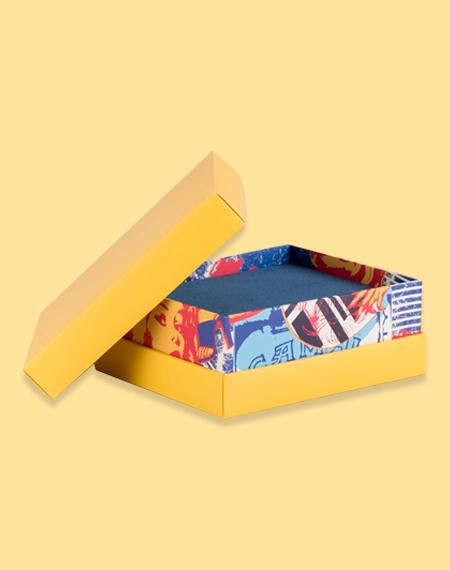


Select dimensions in cm, mm, inches, ml, or oz and more — whatever fits your product.

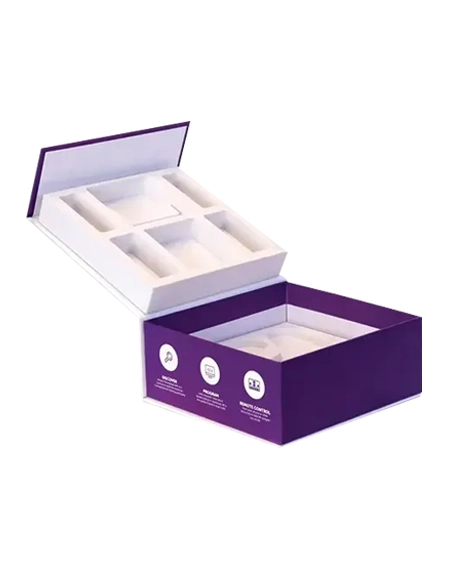


Custom rigid setup boxes are presentation-focused paper-based packaging supplied in a formed rigid state rather than erected from a folding-carton blank. Custom Boxes Inc. can help buyers connect product dimensions, opening style, wrap artwork, supported paper inserts, finishes, quantity, storage, and delivery planning. Share the packed product, desired reveal, artwork status, and order needs to define a setup-box specification before production.

Select dimensions in cm, mm, inches, ml, or oz and more — whatever fits your product.

Choose the Stock, printing type, and enter your order quantity.

Upload your ready artwork — or just write “Need Design” and we'll handle it.

Fill in your name, contact number, and email for quick communication.

Solve a quick captcha and hit “Submit Quote” — it takes seconds!

Our expert will reach out ASAP with the best market rate from a top packaging provider.

After You Approve the Quote — Here's What Happens Next


A rigid setup box is defined first by how it is built and supplied. In this draft, setup means a non-collapsible rigid presentation format that arrives formed rather than being erected from a folding-carton blank. That supply state changes storage volume, packing workflow, opening behavior, and freight planning. Custom Boxes Inc. should confirm the exact construction, components, and supply state on the approved quote or sample because rigid style names can vary between suppliers and projects.
Start with the product in its packed condition. Measure the maximum length, width, and depth, including any existing bottle, jar, tube, cap, accessory, tissue, or supported paper insert that remains inside. Add packed weight when it affects board choice, stacking, or handling. Custom Boxes Inc. supplies the empty paper-based package, not the packaged contents or plastic, glass, jar, or metal primary containers, and the current scope excludes round or tube boxes and foam inserts.
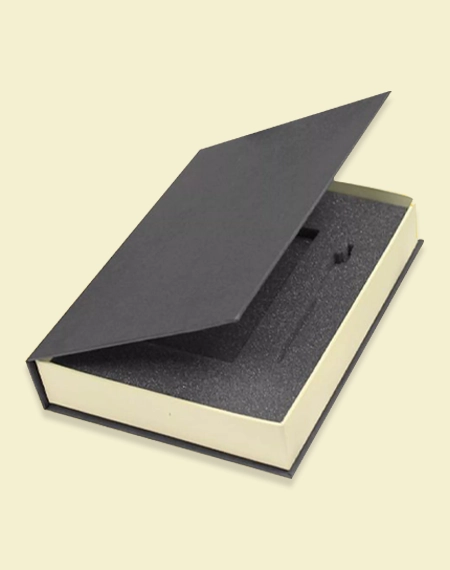
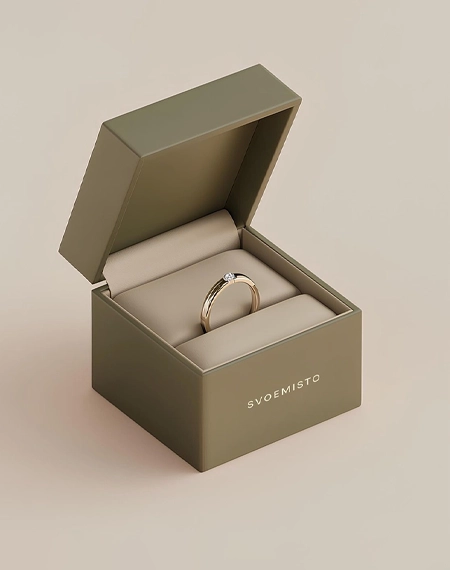
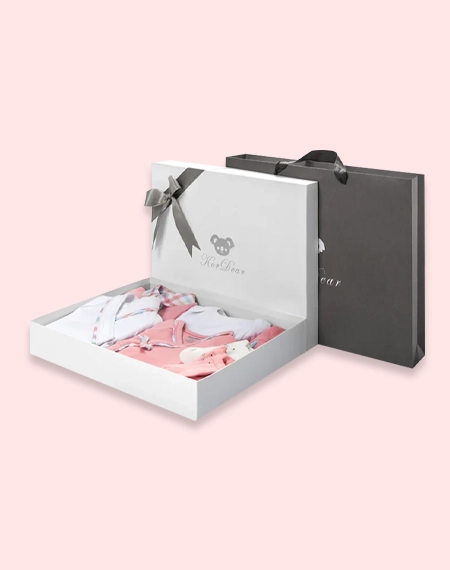
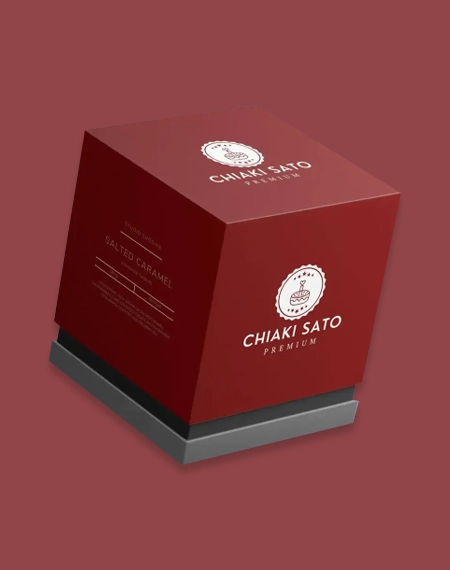
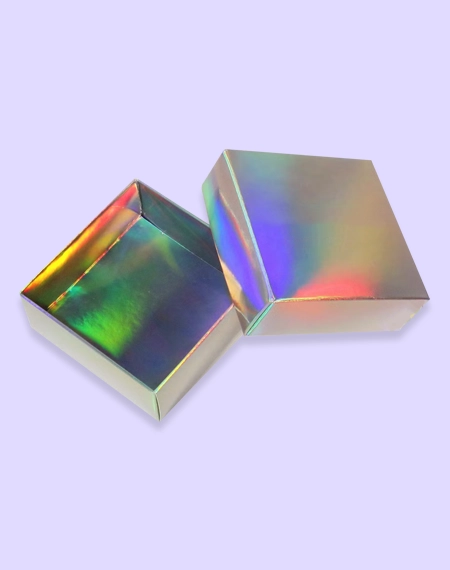
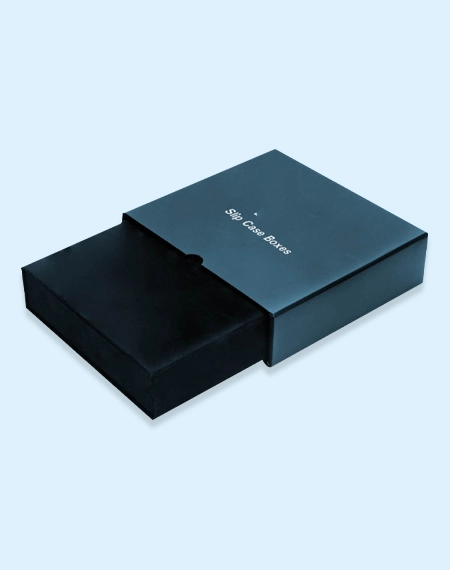
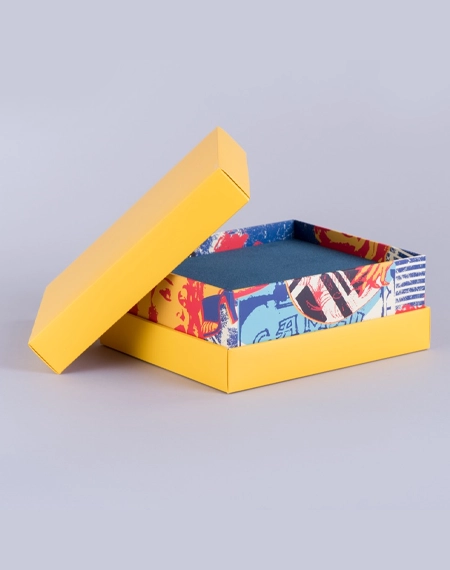
Two-piece rigid setup boxes use separate lid and base components, so lid depth, opening effort, lift space, and product access all matter. A hinged rigid format keeps the cover attached and introduces hinge behavior, wrap movement, closure details, and a different packing sequence. Other rigid mechanisms can require their own fit and opening checks. Confirm the actual structure instead of treating every setup box as one universal style.
Ask what the customer should see first and how the product should be removed. A shallow lift-off lid creates a different reveal from a deep telescoping lid. A hinged cover can support a staged opening but also changes storage orientation and interior access. The chosen style should make packing repeatable while giving the product enough clearance to enter and leave the box without scraping or forcing the walls.
Rigid setup boxes do not behave like thin folding cartons, so usable interior space should be checked against the assembled structure. Measure the product, then allow for the board, wrap turns, insert height, tissue, and raised product features. With a two-piece box, the lid-to-base relationship also affects opening effort and whether the lid sits securely without binding.
For multi-item sets, map the position, orientation, and removal sequence of every component before finalizing the dimensions. If several SKUs may share one setup box, compare representative products from both ends of the range before standardizing one size. A shared box only helps when the fit and customer access remain practical.
Rigid setup construction commonly uses a substantial board-based form with a paper wrap over visible surfaces. Turns, seams, edges, corners, and panel transitions affect how artwork and finishes should be positioned. Confirm the actual board and wrap specification for the project rather than assuming one universal greyboard thickness, paper weight, or covering material.
Artwork should follow the approved production layout so the visible faces, wrap turns, hinge areas, seams, and interior surfaces are understood before proof approval. A logo too close to an edge can shift visually after wrapping. Free design assistance can help organize supplied branding on the supported layout, while the customer approves product claims, regulatory text, and final artwork content.
Supported paperboard or corrugated inserts can locate a product, separate set components, or create a repeatable reveal. Design the insert around the actual items, finger access, lifting space, orientation, and removal order. Coordinate insert height with box depth and lid clearance so the product is not pushed against the cover.
Foam inserts are outside the current Custom Boxes Inc. scope. Where a paper-based insert is appropriate, treat the box and insert as one system so the quote reflects real usable space, packing sequence, and artwork areas.
Rigid setup boxes can support printed wrap papers, approved color systems, interior messaging, and selected finishing details where the production route allows them. CMYK, spot color, foil, embossing, debossing, matte, gloss, or other effects should be matched to the actual wrap, artwork, quantity, and construction instead of presented as universal options. Physical color can vary with paper, coating, ink, lighting, and finish.
A digital proof is useful for checking wording, logo version, placement, orientation, and designated finish areas. It does not prove physical fit, exact printed color, tactile feel, or lid movement. When those decisions matter, discuss a suitable physical sample separately and confirm its availability, cost, and schedule for the selected rigid project.
A formed setup box occupies much more warehouse volume than a flat folding carton. Estimate the assembled outside dimensions, quantity, nesting behavior if applicable, and available storage before choosing an order size. If reducing storage or inbound freight volume is important, raise that requirement early because a collapsible rigid format is a different supply-state decision.
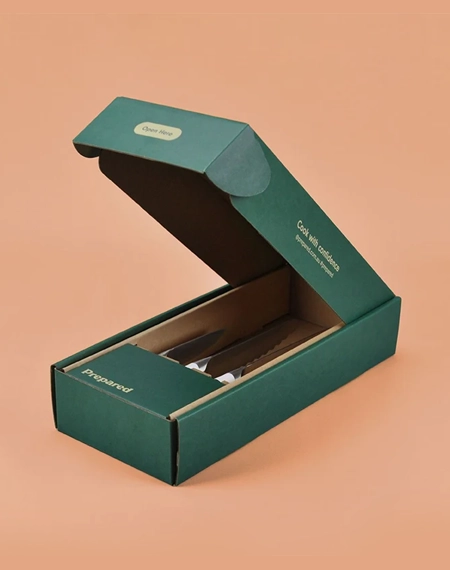
A rigid setup box is also not automatically a parcel-ready shipping container. For e-commerce distribution, review whether it needs an outer corrugated shipper and how movement, sealing, labels, abrasion, and moisture exposure will be handled. Substantial board and premium finishing do not by themselves prove distribution performance.
Company records report selected rigid configurations starting at 25 boxes, but the applicable minimum can change with size, construction, artwork versions, wrap, finishes, insert arrangement, and production setup. Provide the quantity for each size and artwork version when the program includes variants so the quote reflects the actual production plan.
Rigid and complex projects require a confirmed production schedule rather than a general timing promise. Share the destination and the date the boxes need to be available for packing. Manufacturing origin, physical samples, rush availability, free-shipping eligibility, and transit terms should also be confirmed for the selected configuration.
Send Custom Boxes Inc. the packed product dimensions, weight where relevant, preferred setup style if known, quantity by size and artwork version, insert needs, artwork status, destination, and target arrival date. If you are deciding between two-piece, hinged, or another rigid format, explain the desired opening sequence and how much storage space the assembled boxes can occupy.
Email Quotes@Customboxesinc.Com, call +1 833-565-0363, or complete the website quote form to request your custom rigid setup boxes. Free design assistance can help organize the supported structure and supplied branding while the team confirms the exact board, wrap, insert, finish, minimum, sample, production, origin, and delivery terms for the actual project.
Trusted by brands everywhere
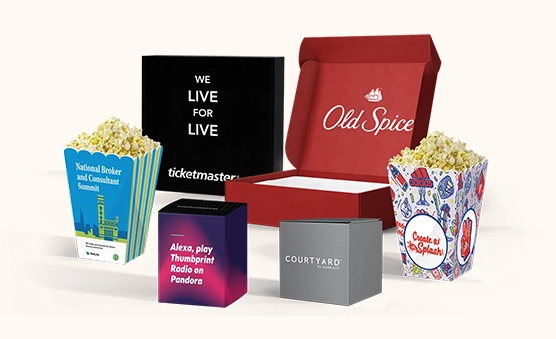



Answers to Help You Order with Confidence
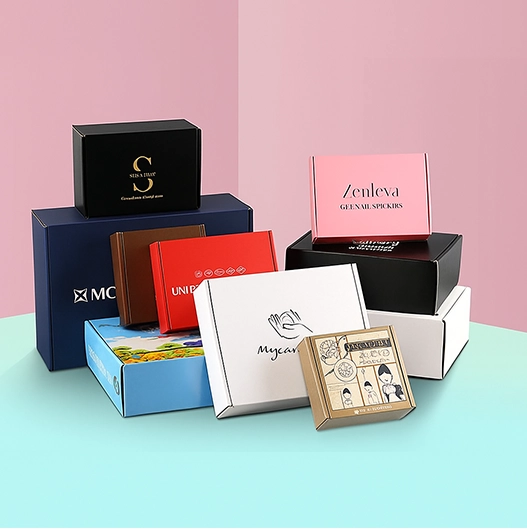
A setup box is a rigid presentation format supplied formed rather than erected from a thin folding-carton blank. That difference affects storage volume, packing workflow, wrap construction, and opening behavior. Confirm the approved construction because rigid style names and supply states can vary.
No. Two-piece lid-and-base setup boxes are common, but hinged and other rigid mechanisms can also be produced as setup-style packaging when the project supports them. The defining decision is the actual rigid construction and supply state, not one universal lid style.
Supported paperboard or corrugated inserts can be considered where they fit the product and selected rigid structure. The insert should be designed around product dimensions, finger access, removal order, and lid clearance. Foam inserts are outside the current Custom Boxes Inc. scope.
Company records report selected rigid configurations starting at 25 boxes. The applicable minimum can change with size, construction, artwork versions, wrap, finishes, insert arrangement, and production setup. Share the full quantity split for a project-specific quote.
A setup box is typically treated as a formed, non-collapsible rigid format rather than a flat folding carton. That means receiving and warehouse volume should be considered before ordering. If reduced storage volume is important, ask whether a different supported rigid construction is more appropriate for the project.
Custom Boxes Inc is a leading manufacturer and supplier of custom packaging boxes tailored for every product and industry. From startups to global brands, we empower businesses across the USA with cost-effective, high-quality, fully personalized packaging solutions — crafted with precision, delivered with speed. Whether you need eco-friendly cardboard boxes, rigid luxury boxes, or branded retail-ready display packaging — we've got you covered with endless customization options, low MOQs, and lightning-fast turnarounds.